 By Muhammad Bilal
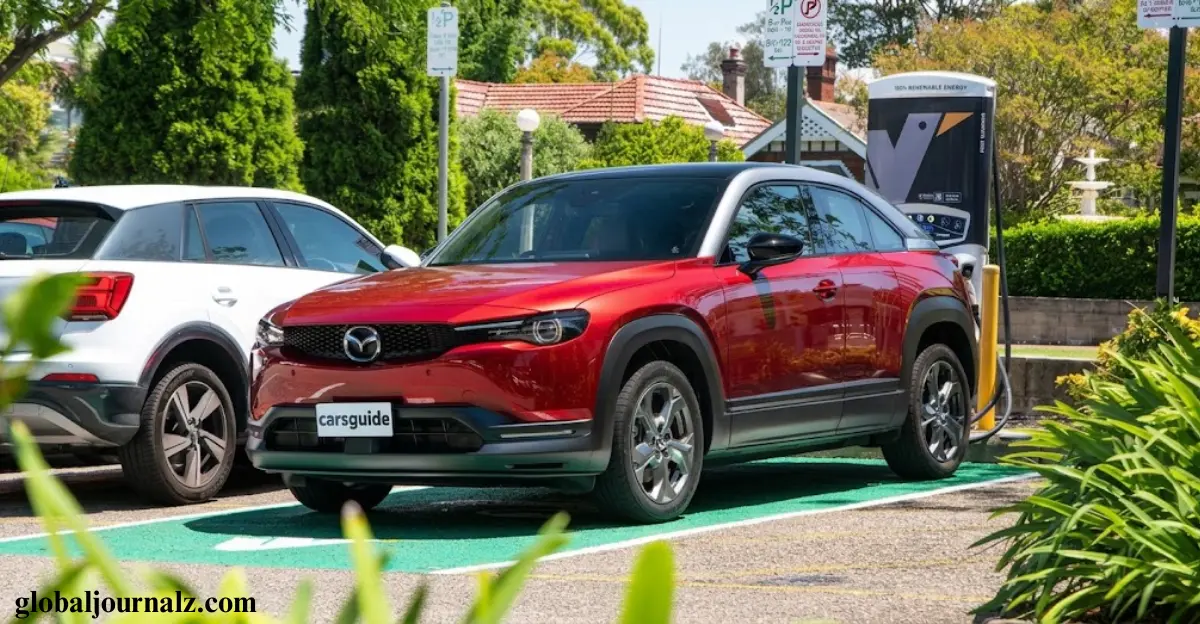
The debate over whether electric vehicles (EVs) genuinely save consumers money has become increasingly relevant as driving costs evolve. While electricity is generally cheaper than gasoline, the true financial impact depends on several variables, including individual driving habits and charging expenses. Understanding these dynamics is essential for drivers trying to determine if making the switch is economically viable.
Table of Contents
Fuel savings: EV drivers tend to spend 50-60% less

Electric cars can lower driving costs because electricity is often cheaper than gasoline. In late July 2026 gasoline averaged around 4.10 dollars per gallon while residential electricity cost about 18.8 cents per kilowatt-hour in the United States. An efficient EV can cost around 5 to 6 cents per mile compared with roughly 17 cents for a gas car averaging 24 miles per gallon. This difference can lead to significant fuel savings over time.
Additionally home charging can reduce fuel expenses and make monthly energy costs easier to predict. Organizations such as Consumer Reports and AAA help drivers compare fuel costs based on mileage and local prices. However electric car savings depend on driving habits and charging access. Purchase prices and charging expenses should also be included when comparing total vehicle ownership costs.
Plug-in hybrids still beat the gas pump, just not by as much
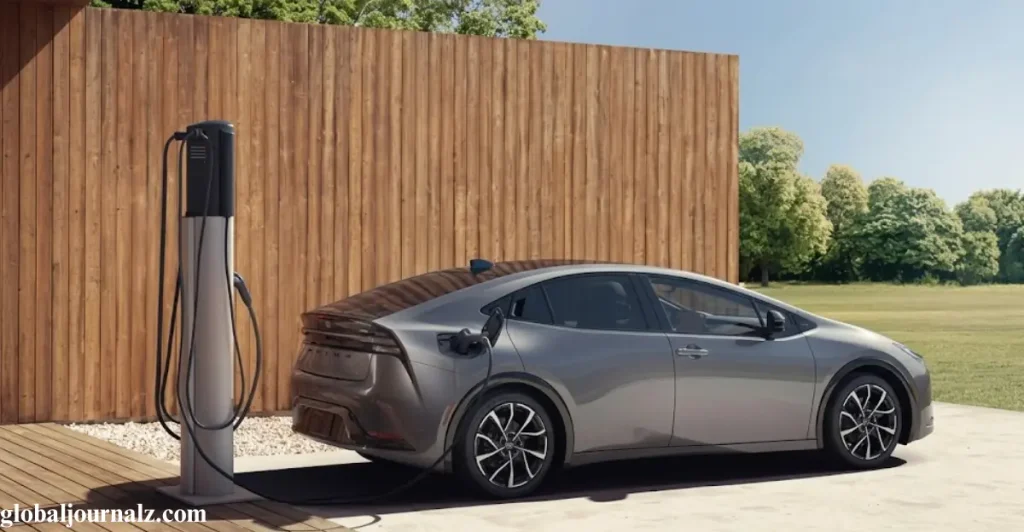
Plug-in hybrids (PHEVs) offer a practical middle ground between fully electric vehicles and conventional cars by combining battery power with a gas engine. For shorter trips and everyday driving they can reduce gasoline consumption when drivers charge regularly at home. A reliable home charging setup can lower driving costs by covering a meaningful share of everyday travel with electric power.
However savings become smaller when the battery runs down and the gasoline engine handles most of the journey. Unlike fully electric vehicles these hybrid vehicles still require gas purchases and regular fuel expenses. Their blended cost per mile depends on electricity rates and gasoline prices as well as driving habits. For people with unpredictable daily mileage a plug-in hybrid can offer flexibility while reducing fuel spending without relying entirely on charging infrastructure.
The federal EV tax credit is gone. Does that change the math?

The federal EV tax credit ended for eligible new and used vehicles purchased after September 30 2025 following the One Big Beautiful Bill. Losing the former $7,500 incentive can increase the upfront price of an electric car and make EV purchase decisions more challenging. However electric vehicle cost savings may still come from lower fuel expenses and reduced routine maintenance.
Meanwhile state rebates and utility incentives may still help reduce purchase costs depending on location and eligibility. Falling used EV prices and automaker discounts can also make electric vehicles more affordable. Comparing similar electric and gasoline models helps reveal differences in charging costs and repair expenses over a typical ownership period. These financial calculations can show whether ongoing savings balance the higher initial cost.
Your utility might offer a lower rate for charging at home

Some utility companies offer special electricity rate plans that help EV owners reduce charging expenses. These programs may provide time-of-use rates that make overnight charging cheaper during off-peak hours. Registered electric vehicle owners can benefit from discounted electricity depending on their provider and eligibility. Choosing the right plan can lower home charging costs and improve overall savings.
Simultaneously local utility programs may offer charging incentives or reduced rates to encourage electric vehicle ownership. Charging during off-peak periods can reduce household energy expenses while taking advantage of available grid capacity. Before switching plans compare charging rate options and check whether savings outweigh any changes to your regular electricity bill.
Electric cars need less maintenance, and it adds up fast

Electric cars generally have lower maintenance costs because they use fewer moving parts than conventional gasoline vehicles. According to Consumer Reports maintenance research estimates all-electric cars cost around 3.1 cents per mile to maintain compared with 6.1 cents for gas cars. Features such as regenerative braking reduce wear on brake pads and rotors. EVs also avoid regular oil changes and spark plug replacements.
Over a vehicle’s lifetime these differences can create thousands of dollars in maintenance savings. Without a traditional internal combustion engine or exhaust system electric vehicles often require fewer routine services and may have lower repair expenses. However plug-in hybrids still need engine maintenance because they use gasoline as well as battery power. Comparing ownership and running costs reveals long-term savings.
Pairing home solar with an EV multiplies the savings
Combining home solar with electric vehicles can reduce both transportation costs and household electricity bills. Solar panels generate renewable electricity that can power your car through a home charging system. Charging during daylight helps use self-generated power instead of relying entirely on grid electricity. This can lower charging costs and reduce dependence on gasoline.
Over time combined solar and EV savings depend on installation costs and daily energy use. According to EnergySage homeowners can compare solar options to estimate potential savings and the solar panel payback period. A well-sized system may reduce utility expenses for years while supporting cleaner transportation. Solar panels can also improve home resale value depending on the property and local market conditions.
Is an EV still worth it in 2026?
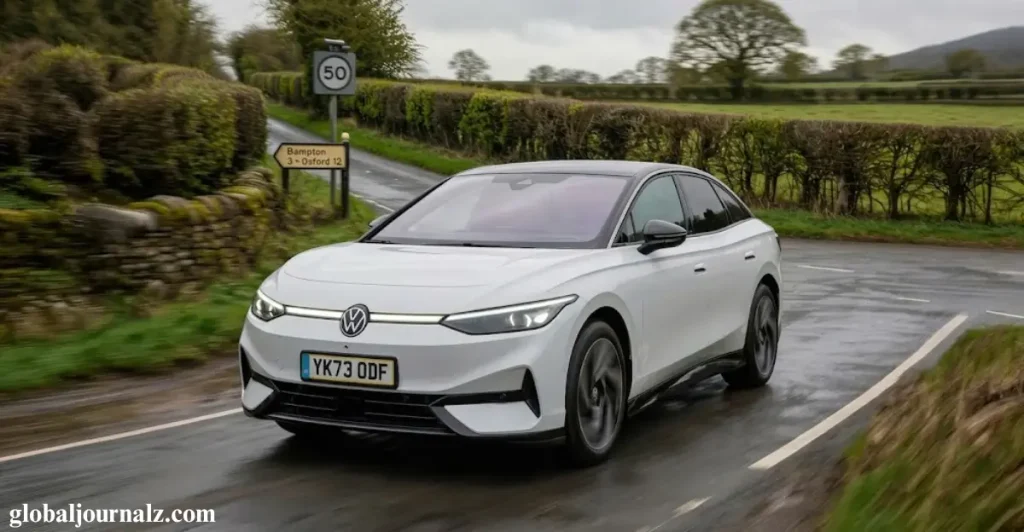
In 2026 electric vehicles can offer vehicle cost savings through lower fuel and maintenance costs. Although the upfront price may exceed that of a gas car such as the Chevrolet Equinox EV compared with the 2025 Equinox the gap can narrow with available incentives. Buyers should check current federal EV tax policies and compare the total cost of ownership rather than the sticker price alone.
Home charging can further reduce expenses while electric motors generally require less maintenance than gas-powered vehicles. However savings depend on electricity rates driving habits and charging infrastructure. Comparing five-year ownership cost and ten-year ownership cost along with insurance and installation fees helps estimate long-term savings. Drivers should also consider their daily mileage to determine whether an EV suits their budget.
Conclusion
Ultimately electric cars offer substantial potential for long-term energy and fuel savings, with drivers often spending 50% to 60% less compared to traditional gas vehicles. However determining if an EV is truly worth it requires looking beyond just the daily fuel costs. Potential buyers must carefully weigh factors such as the loss of federal tax credits, fluctuating utility rates and upfront purchase prices against the benefits of reduced maintenance and home solar pairing. While plug-in hybrids offer a practical middle ground fully electric vehicles remain a highly efficient choice for those who can optimize their charging setups. Comparing long-term costs helps drivers choose an EV that fits their budget and lifestyle.
Q1: Do electric cars actually save you money on fuel?
Electric vehicles offer significant long-term savings because electricity is much cheaper than gasoline. Driving an electric vehicle can reduce your overall fuel expenses by 50 to 60 percent compared to a traditional gas vehicle. Home charging during off-peak hours can maximize these financial savings significantly over time.
Q2: Are maintenance costs lower for electric vehicles?
Electric cars are cheaper to maintain because they have fewer moving parts than internal combustion engines. They do not require routine oil changes spark plugs clutches or cam belts which drastically reduces routine garage visits. These reduced servicing requirements save owners thousands of dollars over the lifetime of the vehicle.
Q3: Is it expensive to charge an electric car at home?
Home charging is highly cost-effective and remains the cheapest way to power your electric vehicle. Setting your vehicle to charge overnight allows you to take advantage of lower utility rates. Some owners choose to pair their home solar panels with an electric car to eliminate charging expenses.
Q4: How long do electric car batteries last before needing replacement?
Modern electric vehicle batteries are built for exceptional longevity and typically last twelve to fifteen years in moderate climates. Most manufacturers offer extensive warranties covering eight years or one hundred thousand miles to protect consumers. Even after high mileage the battery packs generally retain a massive majority of their original charging capacity.
Q5: Are plug-in hybrids a better financial choice than fully electric cars?
Plug- in hybrids offer a practical middle ground for drivers by combining an electric motor with a gas engine. They burn thirty to sixty percent less gasoline but do not completely eliminate fuel costs like pure electric cars. Fully electric vehicles remain the superior choice for maximizing long-term energy savings if you have easy home charging access.
 admin