 By Muhammad Bilal

Throughout history, humans have repeatedly intervened in natural ecosystems to solve specific environmental or agricultural challenges. However, these well-intentioned fixes frequently backfired due to a profound misunderstanding of complex ecological dynamics. Artificial solutions have often created new environmental threats worldwide. These mistakes show how disrupting nature’s balance can cause costlier crises than the original problems.
Table of Contents
1. Cane Toads Could Not Reach The Beetle They Were Imported For

In Queensland in 1935 102 cane toads were introduced for biological pest control against cane beetles damaging cane crops. However the toad feeding behavior did not match the feeding behavior of the flying beetles that stayed near the top of the stalk. The sugarcane growers hoped this imported species would improve beetle control and protect each cane stalk from damage. This failure exposed the risks of biological pest control in sugarcane farming.
Instead of controlling agricultural pests the invasive toads spread through tropical Australia and expanded their range across natural ecosystems. Their poisonous bodies caused predator poisoning among native predators such as quolls and goannas. This introduction disrupted food chains, increased wildlife deaths, and reduced biodiversity. Introducing non-native species can harm ecosystems despite conservation efforts.
2. Hawaii’s Mongooses Hunt By Day And The Rats Work At Night
During the 1880s in Hawaii sugar planters introduced the Indian mongoose to control rats damaging sugarcane fields. This mongoose introduction aimed to improve rat control through biological pest control and agricultural pest management. However the daytime mongoose hunted during daylight activity while nocturnal rats remained active during nighttime foraging. Their feeding habits made the pest control effort ineffective against rats.
The invasive species threatened ground-nesting seabirds and other native birds across the island. These predators also consumed turtle eggs, reducing reproductive success and endangering wildlife. Their spread disrupted food chains and damaged Hawaiian biodiversity, highlighting the need for careful species management to protect fragile island ecosystems. Predator control and habitat protection preserve Hawaii’s wildlife.
3. A Carnivorous Snail Was Released To Eat Another Snail

Throughout the 1950s the rosy wolfsnail was introduced to Moorea in the Pacific Ocean islands to control the giant African snail. This biological pest control effort aimed to improve snail control through a predator introduction. However the carnivorous snail targeted native tree snails including Partula species rather than only the intended target species. This failed biological control caused severe snail predation and threatened native snail populations.
Non-native predators caused declines in tree-dwelling snails, pushing seven Partula species toward extinction or local disappearance. This case shows how poorly managed species introductions can disrupt ecosystems and reduce biodiversity. It highlights the need for evidence-based pest control and long-term wildlife conservation.Protecting native snails requires careful predator management and ongoing biodiversity monitoring.
4. Stoats Were Shipped To New Zealand To Thin The Rabbits
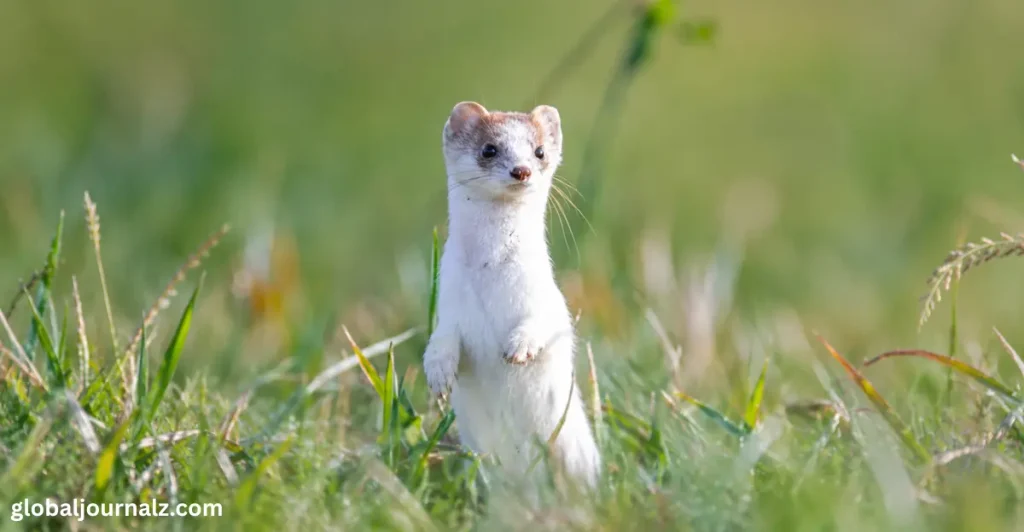
During the 1880s in New Zealand farmers and naturalists introduced stoats and ferrets to control the growing rabbit population. This biological pest control aimed to reduce the rabbit infestation and support agricultural history through improved pest management. However these introduced mammals became invasive species and hunted native birds instead of focusing on rabbits.
Because many flightless birds evolved without land mammal predators, they became easy prey for introduced species. Predation increased kiwi chick deaths and threatened vulnerable bird populations. This invasion disrupted island ecosystems and reduced biodiversity, highlighting the need to protect native wildlife through careful species management and conservation. Predator control protects kiwi and island biodiversity.
5. The Nile Perch Was Added To Lake Victoria As A Bigger Catch
In 1954 the Nile perch was introduced into Lake Victoria to support commercial fishing and increase the fish catch with larger fish for fish sales. This fish introduction aimed to strengthen the fishing industry and encourage fishery development. However the introduced predator preyed on native species including cichlid fish and disrupted the freshwater lake ecosystem. This disrupted fish populations and the lake’s ecosystem.
This invasive species contributed to the decline of Lake Victoria’s 350 cichlid species, including many found nowhere else. Overpredation disrupted food chains and pushed some native fish toward extinction. This case highlights how poorly managed fish introductions can threaten biodiversity and destabilize aquatic ecosystems. Careful fisheries management and long-term monitoring help protect native species.
6. Mosquitofish Were Spread Worldwide For Malaria Control
Across tropical regions, Gambusia, or mosquitofish, were introduced to control malaria by eating mosquito larvae. This low-cost biological control method aimed to reduce mosquito populations and mosquito-borne diseases. The fish spread to every continent except Antarctica, but their aggressive feeding also harmed native fish and other freshwater species, disrupting local ecosystems.
Instead of controlling disease, these invasive fish preyed on native fish eggs and tadpoles, disrupting aquatic food chains and reducing biodiversity. Their global spread caused ecological imbalances across freshwater ecosystems. This case highlights the need for careful biological control and environmental management to protect native wildlife while balancing public health and ecosystem conservation.
7. Europe Restocked Its Rivers With Crayfish Carrying The Plague
Amid the 1800s and later in the 1960s, declining native white-clawed crayfish populations led to restocking efforts and new fisheries management strategies. The North American signal crayfish was introduced for its larger size, faster growth, and disease resistance. However, it carried crayfish plague, which spread through freshwater ecosystems and devastated native crayfish populations.
As the invasive species spread through rivers, they caused native crayfish populations to decline through disease transmission and competition. The outbreak damaged freshwater ecosystems, reduced biodiversity, and disrupted aquatic habitats. This case highlighted the risks of introducing invasive aquatic species without proper environmental assessment and long-term wildlife management.
8. Australia’s Pasture-Saving Moth Reached Florida
Over the 1920s, Cactoblastis moths were introduced in Queensland and New South Wales to control prickly pear. The plant-eating insects successfully reduced the invasive cactus across vast grazing lands, protecting pastures and supporting agriculture. This became a celebrated example of biological pest control in Australian history. It demonstrated how carefully selected natural enemies can help manage invasive plant species.
The introduced moth eventually spread beyond its original range into the Caribbean and Florida. Although it helped control agricultural pests, its expansion raised concerns about impacts on native prickly pear and other plants. This case showed how biological control can disrupt ecosystems and threaten biodiversity, highlighting the need for careful species management and environmental protection.
9. Harlequin Ladybirds Were Released To Eat Aphids
Across Europe and North America, harlequin ladybirds were introduced to control aphids in crops and greenhouses. Their strong appetite made them useful for agricultural pest management. However, they spread beyond controlled areas and became invasive, competing with native ladybirds for food and habitat. Their spread highlighted the ecological risks of introducing non-native species for pest control.
As these invasive beetles spread, their feeding habits threatened other beetle species through egg and larval predation. During autumn, they gathered around windows, creating household nuisances. Their expansion also increased competition with native insects, raising concerns about declining populations and biodiversity loss. Biological control can harm native species and disrupt ecosystems if poorly managed.
10. The US Government Paid Farmers To Plant Kudzu
At the time of the 1930s, the US government promoted kudzu planting through conservation agencies to prevent soil erosion and improve soil stability. Farmers received $8 per acre, and around 70 million seedlings were distributed across farmland and forests. Initially, kudzu seemed effective for erosion control and restoring damaged land. However, its rapid growth later allowed it to spread beyond control and threaten native vegetation.
Kudzu spread beyond its intended areas, covering forests and farmland. Although 227,000 acres were planted, later estimates suggested seven to nine million acres of growth, though some figures may be exaggerated. This invasive plant overwhelmed native vegetation, disrupted ecosystems, and caused lasting environmental damage. Poor land management can cause lasting ecological damage.
11. Melaleuca Was Planted To Dry Out The Everglades
In the early twentieth century, developers introduced Melaleuca to South Florida to drain wetlands and create dry land. However, this non-native tree became invasive, spreading millions of seeds through natural and aerial dispersal. It established itself far beyond its original planting sites, threatening fragile Everglades ecosystems. Its rapid spread reduced native biodiversity and made wetland restoration more difficult.
Unlike native wetland plants, this invasive species adapted to fire, which encouraged seed dispersal and rapid spread. Even aircraft-assisted seeding unintentionally accelerated its expansion. The invasion damaged habitats, reduced biodiversity, and disrupted the Everglades ecosystem. Ongoing invasive species control remains essential for wetland restoration, water management, and protecting native wildlife.
12. China Declared War On Grain-Eating Sparrows
In 1958, China launched the Four Pests campaign targeting rats, flies, and grain-eating sparrows. The nationwide effort aimed to protect crops and increase grain production through widespread sparrow killing. However, removing sparrows disrupted the agricultural ecosystem, weakened natural pest control, and allowed harmful insects to threaten crops. Removing one species can disrupt ecosystems and harm agriculture.
Including fewer birds to control insects, pest populations grew and damaged crops, worsening food shortages and threatening food security. This campaign showed how removing wildlife can disrupt ecosystems and agriculture. Reports of sparrows sent back to China from Moscow reflected later restoration efforts. These consequences highlighted the importance of balanced pest management, biodiversity protection, and ecological restoration.
13. Cats Were Parachuted Into Borneo After DDT Spraying
Whilst the 1950s, DDT spraying in Sarawak, Borneo, targeted mosquitoes to control malaria. However, pesticide exposure harmed non-target species and disrupted food chains. As natural predators declined, thatch-eating caterpillars increased and damaged village roofs. This case showed how chemical pest control can create unexpected ecological problems. It also highlighted the need to protect wildlife while managing disease-carrying insects.
In 1960, the Royal Air Force reportedly dropped two dozen cats by parachute to replace animals killed by pesticide poisoning. Claims that 14,000 cats were delivered remain unconfirmed. The incident highlighted pesticide-related wildlife deaths, food-chain disruption, and the risks of chemical pest control. It also emphasized the need for reliable evidence and careful wildlife management.
14. Myxomatosis Was Released On One French Estate
In 1952, a French landowner released myxomatosis to control rabbits damaging crops. The virus spread rapidly, causing widespread rabbit deaths. Its apparent success attracted interest in Britain, where rabbit control was also needed to protect agriculture. However, the unauthorized release led to an uncontrolled disease outbreak that significantly changed rabbit populations across affected areas.
The following year, rabbit eradication altered grazing patterns across chalk grasslands, changing vegetation and habitats. Reduced rabbit populations also left predators with less food, disrupting food chains and ecological balance. This case showed how species control can cause unexpected environmental consequences. Effective wildlife management must consider natural predators, grassland conservation, and biodiversity protection.
15. Removing Macquarie Island’s Cats Unleashed the Rabbits
On Macquarie Island, cat removal aimed to protect seabirds but allowed rabbit populations to grow rapidly. Without natural predators, rabbits overgrazed vegetation, damaging the fragile ecosystem and creating an ecological imbalance that threatened native wildlife. This case highlighted the need to consider the wider effects of predator removal in conservation planning. Long-term monitoring prevents ecological damage and supports wildlife conservation.
By 2009, rabbit overpopulation had stripped vegetation from steep slopes, increasing soil erosion and landslides. A study in the Journal of Applied Ecology documented the environmental damage and the AUD 24 million spent on eradication and restoration. This case showed how cat eradication can have unintended consequences when invasive rabbits are overlooked. Effective pest control protects biodiversity and ecosystem health.
16. A Century Of Fire Suppression Built The Fuel For Megafires
Simultaneously the twentieth century, American policies focused on fire suppression to protect forests and prevent wildfires. However, suppressing frequent, low-intensity fires disrupted natural fire cycles and allowed small trees, deadwood, and dry vegetation to accumulate. Over time, this buildup increased forest density and created heavier fuel loads beneath the canopy, making forests more vulnerable to severe wildfires.
Deadwood and dry vegetation increased forest fuel, making wildfires more destructive. Fire suppression altered natural fire patterns and weakened forest health. Carefully planned controlled burns can restore these patterns, while protecting mature and fire-resistant trees helps strengthen forest resilience and reduce long-term wildfire damage. This approach also supports biodiversity and helps maintain healthier forest ecosystems.
17. Florida Straightened The Kissimmee River Into A Ditch
Amidst the 1960s, the Army Corps of Engineers transformed Florida’s Kissimmee River into a 103-mile C-38 canal to improve flood control. This project replaced the river’s natural curves with straight waterways, altered its flow, and drained surrounding wetlands. Although designed to improve water management, the project destroyed vital wetland ecosystems and habitats that supported waterfowl and bald eagles.
The environmental damage caused major wildlife declines, with waterfowl populations falling by 90% and bald eagle nesting by 70%. River restoration began in 1999, and by 2021, ongoing efforts had improved habitats and supported ecosystem recovery. This project highlighted the importance of wildlife conservation, wetland restoration, and long-term river protection. Sustained restoration helps rebuild ecosystems and protect native species.
18. Soviet Canals Drained The Aral Sea For Cotton
Pending the 1960s, Soviet planners diverted the Amu Darya and Syr Darya through canals to expand cotton farming. This large-scale irrigation drained freshwater from the Aral Sea, causing severe water depletion. As the sea shrank, the fishing industry collapsed, leaving abandoned boats on dry land. This ecological disaster highlighted the consequences of unsustainable irrigation and poor water management.
By 2014, NASA satellite imagery revealed the dramatic disappearance of the southern Aral Sea and much of its eastern section. The exposed seabed released toxic dust containing pesticides, worsening desertification and threatening human health. This ecological disaster caused habitat loss, reduced biodiversity, and increased water scarcity. It demonstrated how unsustainable water diversion can destroy ecosystems and complicate environmental restoration.
19. Pumping Groundwater Sank The San Joaquin Valley
Alongside the 1920s, intensive farming in California increased groundwater demand in the San Joaquin Valley. Farmers pumped groundwater to irrigate crops during dry years and droughts. Excessive extraction lowered water tables, depleted aquifers, and caused soil compaction and land subsidence. This permanently reduced underground water storage. USGS studies documented these changes and the environmental consequences of unsustainable water use.
The valley floor sank by up to ten feet, damaging wells and canals, including the Delta-Mendota Canal. This land subsidence threatened water supplies, worsened water scarcity, and destabilized soil. The crisis highlighted the risks of excessive groundwater use and poor irrigation management in California agriculture. Continued monitoring helps track damage and prevent further environmental problems.
20. Carp Were Imported To Clean American Fish Ponds
Concurrently in the 1970s, federal agencies and fish farmers introduced silver and bighead carp into Southern fish ponds to control algae and manage sewage lagoons. These non-native fish initially helped improve water quality and support aquaculture. However, flooding allowed them to escape into nearby rivers, where they spread rapidly and disrupted freshwater ecosystems. Their spread threatened native species and ecosystems.
As carp spread through the Mississippi basin, they threatened native fish, reduced biodiversity, and disrupted aquatic ecosystems. Flooding increased their migration, prompting authorities to install electric barriers to protect the Great Lakes. This invasion showed how escaped species can cause serious ecological damage and require ongoing management. It also highlighted the importance of preventing invasive species from entering natural waterways.
Conclusion
The twenty historical examples outlined in this document serve as a stark warning about the dangers of ecological manipulation. When humans attempted to control pests, manage water resources, or alter landscapes, they inadvertently triggered widespread environmental devastation. Non-native species quickly escaped human control, decimating local biodiversity, while aggressive geographical engineering permanently ruined vital habitats. These widespread failures highlight the critical importance of prioritizing long-term prevention and respecting natural balances. Moving forward, humanity must abandon short-sighted interventions to avoid leaving lasting ecological damage for future generations.
1. Why do attempts to control nature sometimes fail?
Human interventions can disrupt natural food chains and ecological balance. Solutions designed for one problem may create unexpected environmental damage. Careful planning helps reduce these risks.
2. Which invasive species have caused environmental damage?
Cane toads in Australia and mongooses in Hawaii harmed native wildlife. Introduced predators often targeted local species instead of the intended pests. These changes threatened biodiversity and disrupted ecosystems.
3. How can introducing non-native animals harm local ecosystems?
Non-native animals may compete with native species for food and habitat. Some prey on local wildlife that has few natural defenses against them. This can reduce biodiversity and threaten vulnerable species.
4. What steps can prevent future ecological disasters?
Governments should assess environmental risks before introducing new species or changing natural habitats. Regular monitoring can help identify problems before they spread. Protecting biodiversity and maintaining natural ecosystems can prevent lasting damage.
 admin