 By Muhammad Bilal
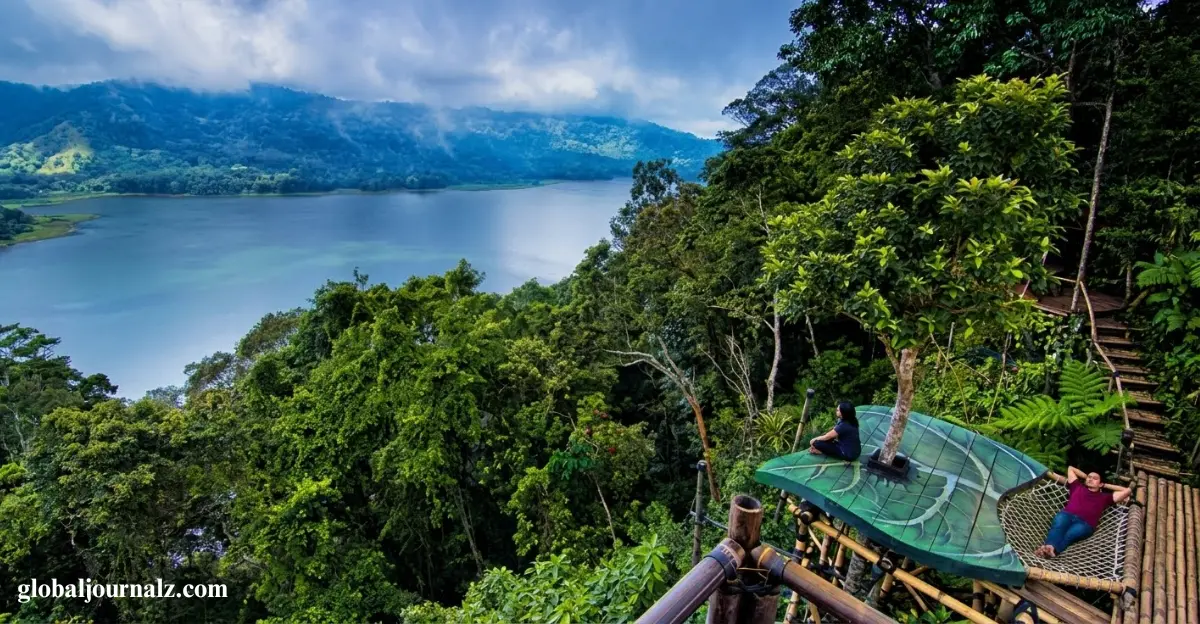
Bali holds numerous hidden geographic treasures that remain completely underexplored. This regional guide uncovers secluded spaces far beyond busy commercial resorts. International travelers desperately crave quiet sanctuary areas where authentic heritage survives. Observers can discover pristine coastal hideaways by exploring these lesser-known paths. Review these alternative destination profiles to map out your tropical exploration journey.
Table of Contents
Underexplored Lakes of Bedugal and Secluded White Sand Beaches

Bias Tugel ke khufia saahil par turtles ke sath pur-sukoon afternoons ka maza uthayein. Hamara hidden gems route dekhne ke liye yahan click karein
The Great Lakes of Bedugal
Bedugal occupies the north-central highlands of Bali where Lake Buyan and Tamblingan sit as twin lakes separated by a narrow strip of land. Cool air and a thin veil of mist drift across the shoreline and the surrounding greenery. Steep mountains and quiet water give the whole region a calm and damp character that most visitors remember. High elevation keeps summer days mild and the hills feel far from busy towns.
Travellers usually stop at roadside viewpoint restaurants for coffee while local families fill the picnic spots nearby on a weekend. Rented wooden kayaks let guests paddle across the surface at an easy pace. Food quality can be hit or miss and prices sometimes feel high so choosing a stall carefully pays off for anyone planning a longer visit. Fresh strawberries from nearby plantations make a sweet snack before tackling the winding road.
Bias Tugel Beach
Padangbai hides Bias Tugel Beach beyond a nondescript track that starts near the jetty. About 10 minutes on foot leads to powder-soft white sands where overgrown rocky headlands keep the cove sheltered. Turtles bask in the shallows while sun loungers invite slow afternoons. Clear water suits snorkelling whenever tides cooperate. Weekends bring a few families yet crowds stay modest compared with busy Kuta. Golden light settles over the bay.
Locals have dubbed this spot a hidden gem since few travellers ever find it. Annoying hawkers have faded into distant memory. A laid-back vibe suits a hazy lazy day spent chilling on the sand. Awesome ocean sunsets glow toward the west each evening. Simple cafes serve fresh seafood and cold coconuts beside weathered tables. Raucous parties never disturb the peace on this east coast corner of Bali for anyone seeking calm.
Sidemen
Pronounced Si-de-men this blissful outpost sits in the foothills of Mount Agung and feels light years away from traffic-clogged South Bali. A series of stunning valleys unfolds beside steep rice terraces and verdant trails. Visitors often claim the best vantage point for priceless views across the valley ridges toward the sacred volcano at dawn. Cool air drifts gently.
The village of Tabola rewards those who spend a couple of full days here instead of making a cursory stop. Shady walks wind through macaque-filled forests past Hindu temples carrying a strong spiritual aura. Decent value homestays brew coffee with a bohemian vibe while the famed Sidemen swing lets guests do it for the ‘Gram above rolling fields. Evenings stay wonderfully quiet.
West Bali National Park
Located on the northwestern tip of Bali the West Bali National Park offers intense rugged beauty and a diverse landscape far beyond the island’s popular attractions. Although the arduous drive from Denpasar takes around four hours over 100 km the wilderness rewards intrepid visitors with savannah and jungle-clad mountains. Dense mangrove forests and protected beaches create a habitat for endangered wildlife across this remote peninsula.
Menjangan Island attracts scuba divers year-round with spectacular coral reefs and clear shallows. The park is home to the endangered Bali Starling alongside kingfishers and storks while flying foxes and crab-eating macaques inhabit its expansive terrain. Wild boar and Menjangan wild deer roam the forests and savannah. Invigorating treks reveal birdsong and shrill sounds that enhance the mystery of this last great wilderness.
Waterfalls of Ubud
Beyond the busy streets of Ubud the Waterfalls of Ubud offer a glimpse of Bali’s natural mysticism through dense rainforest and dramatic rock formations. Tukad Cepung Waterfall remains a hidden spot concealed inside a cave where glistening sunlight illuminates the rushing cascade. Circular limestone cliff walls create a visual feast as cool water falls into the gorge and travellers discover this secretive hideaway.
Near Sukawati Tegenungan Waterfall attracts visitors with its powerful torrents and accessible bathing pool while Kanto Lampo Waterfall reveals cascades across a rocky hillside. A morning visit can provide a serene spot before crowds arrive and tour buses fill nearby roads. Stone steps and narrow paths lead through overgrown vegetation where turquoise waters and rainforest sounds encourage travellers to pause and enjoy Bali’s remarkable landscapes.
Amlapura
Often overlooked in East Bali sightseeing itineraries Amlapura offers a fascinating window into the days of the Bali Rajas and their influential kingdom. Located in the shadow of Mount Agung this sleepy market town preserves 19th-century royal architecture with a unique mix of Balinese and Chinese design. The old royal palace and quirky statues depicting gods of good and evil reveal the island’s rich cultural history.
Beyond its royal heritage Amlapura features a traditional market filled with pungent spices and tropical fruits stacked high across adjoining stalls. Visitors can grab a fill of sticky rice desserts and spicy grilled fish while exploring this authentic and organic side of Bali. Nearby Tirta Gangga and Ujung royal water places offer a serene spot while Lempuyang Temple and its Gates of Heaven attract photogenic crowds and Instagram infamy.
Conclusion
Lush highland environments feature twin lakes where visitors can row wooden boats across tranquil waters. Sheltered coastal coves provide peaceful white sands where marine turtles frequently rest near simple cafes. Pristine valleys sitting below sacred volcanic peaks reward travelers who choose multi day homestay excursions. Remote national parks protect diverse ecosystems containing rare avian species alongside expansive mangrove wilderness areas. Mapping out these specific hidden gems guarantees a deeply fulfilling and peaceful island vacation experience.
Can scuba diving enthusiasts explore marine life near the northwestern national park terrain?
Menjangan Island attracts underwater sports lovers year-round with spectacular coral reef formations. Clear shallow waters provide excellent visibility for viewing diverse protected aquatic creatures across the peninsula. This remote sanctuary rewards intrepid travelers seeking pristine aquatic ecosystems away from busy towns.
Why do nature lovers praise Tukad Cepung over mainstream waterfall options near Ubud?
This secretive cascade remains completely concealed inside a natural limestone cavern structure for ultimate privacy. Glistening sunlight illuminates the rushing torrents to create an exceptional visual feast for incoming adventurers. Visiting during early morning hours ensures a serene atmosphere before commercial tour groups arrive.
How can individuals explore the twin lakes located within the north central highlands?
Rented wooden kayaks allow travelers to paddle across the quiet water surfaces at an easy pace. People can also stop at roadside viewpoint restaurants to enjoy hot coffee during their journey. The entire elevated region maintains a remarkably cool and damp climate throughout the year.
Is Bias Tugel Beach suitable for travelers looking to escape noisy coastal parties?
This secluded eastern cove features powder-soft white sand sheltered by large overgrown rocky headlands. Modest crowd levels mean annoying hawkers have faded entirely into distant memory on this coast. Visitors can enjoy fresh seafood at weathered tables while watching awesome western ocean sunsets.
When should tourists explore the historic market town situated near Mount Agung?
Sightseers can wander through the sleepy streets during daytime hours to admire nineteenth-century palaces. The local stalls feature pungent spices alongside tropical fruits and traditional sticky rice desserts. This authentic district offers a fascinating window into the ancient era of wealthy Rajas.