 By Muhammad Bilal

Unitree Robotics has recently faced a significant post-listing slump sparking widespread fears of a market bubble among investors. While the broader Chinese robotics industry continues to offer major growth opportunities driven by rapid technological innovation high valuations present massive financial risks. Evaluating long-term business fundamentals along with revenue growth and profit margins is essential to understanding the true value of the company.
Table of Contents
Unitree Shares Fall
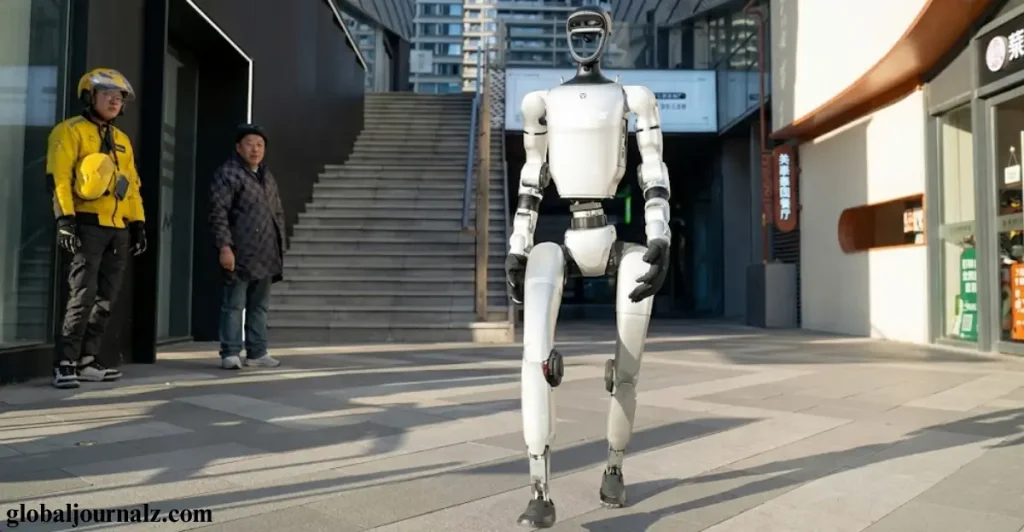
Unitree Robotics has drawn attention across the Chinese robotics industry after its post-listing slump raised concerns about investor confidence. The robot maker develops quadruped robots and humanoid robots using advanced robotics and robotics technology. Despite growing interest in artificial intelligence and automation technology its recent share price decline has placed pressure on its stock market performance.
Additionally the fall in Unitree shares has raised questions about market valuation and business fundamentals. Investors are examining whether actual business performance can support the company’s stock price and long-term growth expectations. Although robotics innovation continues to attract attention the robotics sector faces investment risks linked to market speculation and market uncertainty.
Investors Fear a Bubble

Growing investor interest in robotics and artificial intelligence has pushed technology companies into the spotlight as Unitree Robotics faces a share price decline following its listing. The Chinese robotics industry continues to benefit from technological innovation and advanced machines. High expectations for robotics and AI have fueled speculation as investors question whether valuations match actual business performance.
Meanwhile bubble fears have intensified as declining shares highlight the valuation risks surrounding emerging technologies. Although robotics technology and automation offer strong business prospects the Unitree share price shows how quickly market optimism can weaken when expectations become difficult to justify. Investors should prioritize business performance over AI hype.
Robotics Industry Growth
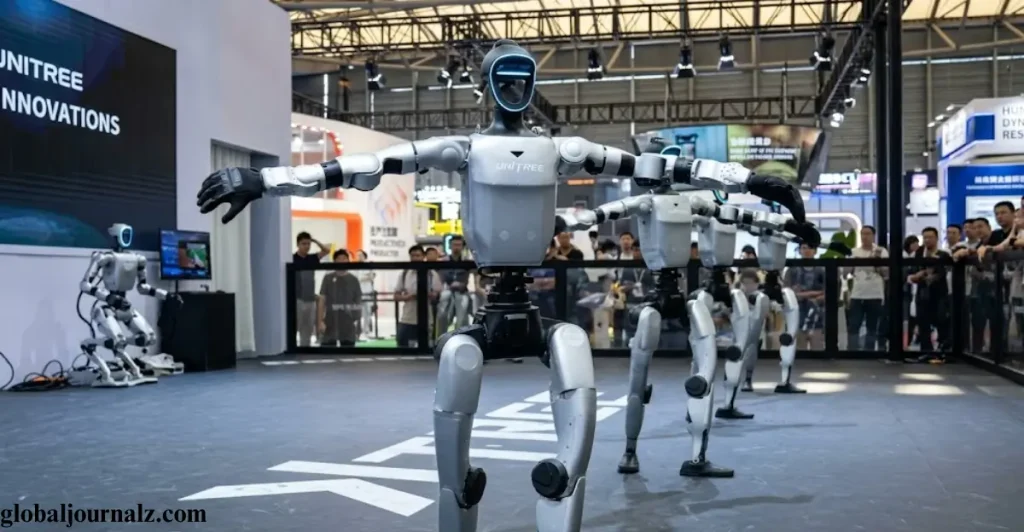
China’s robotics industry growth reflects rising demand for automation and intelligent machines across factories and commercial settings. Companies such as Unitree Robotics are contributing to robot development through advanced robotics and improvements in robot design. As artificial intelligence and machine learning evolve the manufacturing industry is exploring new ways to improve efficiency. These advances expand industrial automation.
Furthermore technological innovation is expanding the robotics market through factory automation and commercial robotics applications. Investor interest is driving robotics investment and smarter solutions. Market expansion depends on practical demand and sustainable growth. China’s robotics industry will advance through technological progress and improved manufacturing as industrial robots gain wider use.
High Valuations Raise Risks
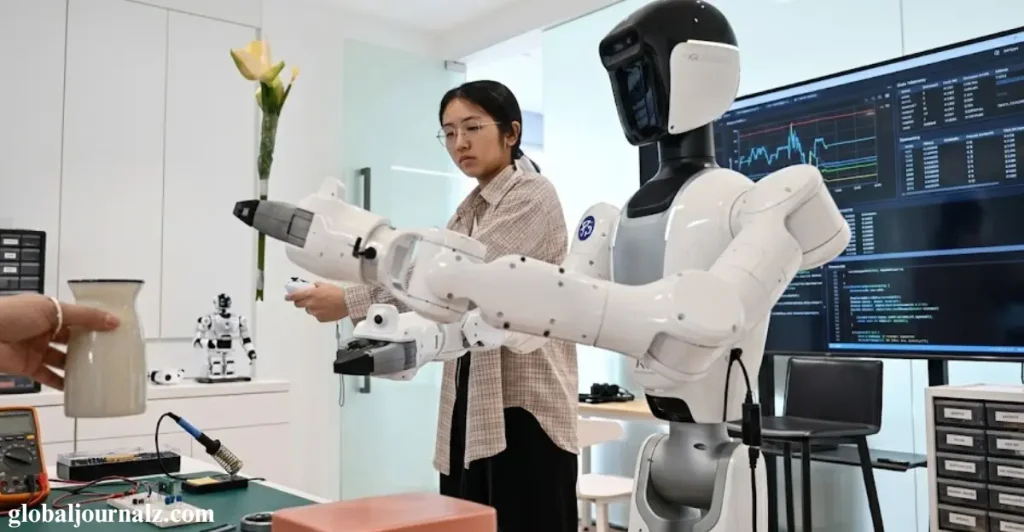
High valuations across the robotics industry have raised questions about whether robotics companies can turn promising technology into reliable business revenue and consistent profits. Although advanced technology is attracting investors the valuation of a business must reflect its financial performance and business fundamentals. Rising share prices can increase valuation risks and weaken investor confidence.
Similarly market speculation can push stock prices beyond levels supported by company earnings and sustainable profit margins. For Unitree and other technology companies the ability to achieve profit generation and manage operating costs will influence long-term commercial success. High revenue expectations can trigger market corrections so investors should prioritize financial stability and sustainable profits.
Competition Is Growing
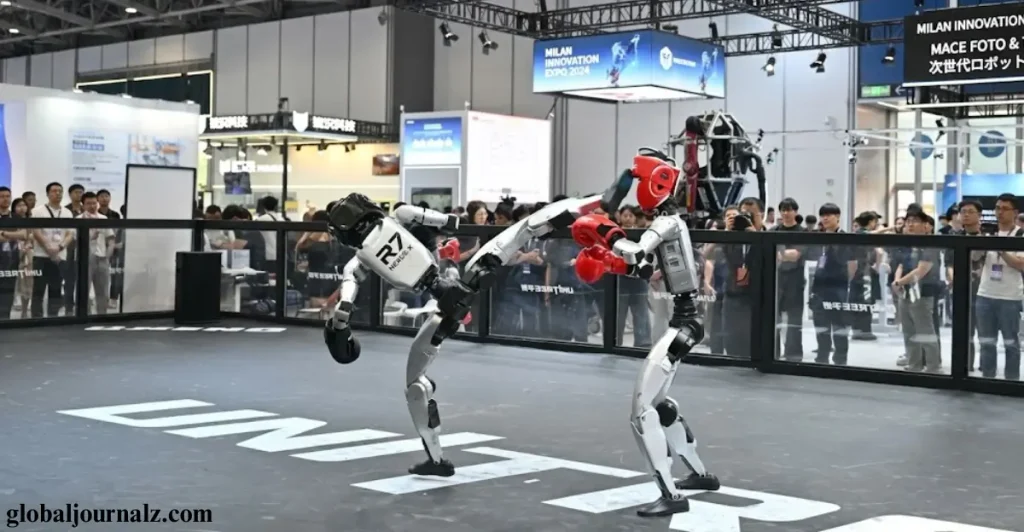
Chinese robotics manufacturers face increasing pressure as humanoid robots become more advanced and new robotics companies compete for customers. Unitree Robotics operates in a fast-changing robotics industry where technological progress and product performance influence success. Growing demand for industrial automation and AI-powered robots is creating new business opportunities.
During this period market competition is pushing robot makers to improve production efficiency and control manufacturing costs. Companies investing in robotics innovation and artificial intelligence must balance research and development with profitability and sustainable revenue growth. For Unitree the challenge is to maintain its market position while meeting customer demand in the expanding robotics market.
Demand Will Decide Success
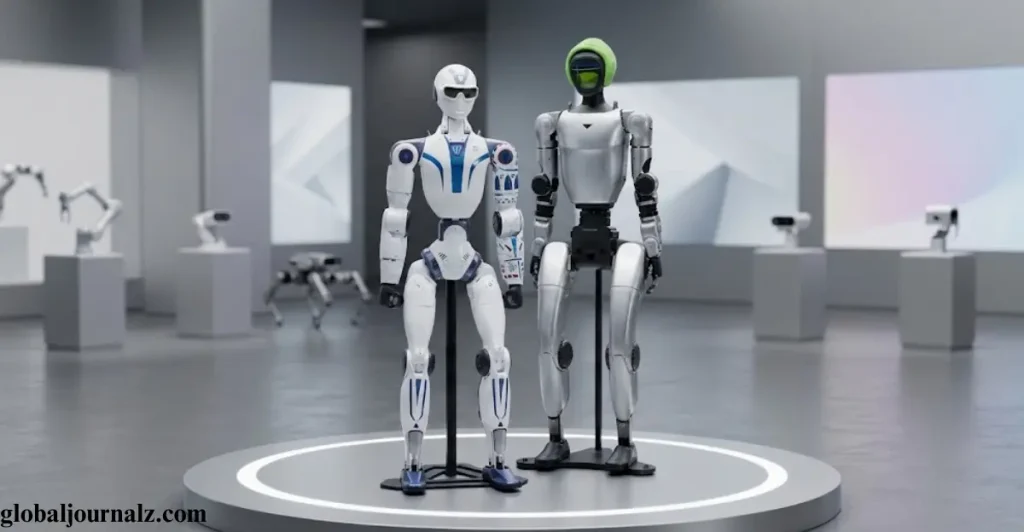
The future of Unitree Robotics depends on whether customer demand can turn its technical achievements into lasting commercial success. While advanced robotics and humanoid robots attract attention across the Chinese robotics industry the real test is whether buyers are willing to purchase these products at scale. Strong market demand and wider technology adoption could support sales growth and improve company revenue.
Ultimately business success will depend on sustainable revenue generation and measurable financial performance rather than technological excitement alone. Robot manufacturers must monitor sales figures and customer adoption to understand whether the robotics market can support long-term expansion. For investors these signals will shape investment decisions and influence investor confidence in future growth potential.
What Investors Should Watch

Investors tracking Unitree Robotics should look beyond its share price decline and examine its financial performance and long-term prospects. The Chinese robotics industry offers opportunities through technological innovation and advanced technology yet high valuations can create risks when profits remain uncertain. Monitoring revenue growth and profit margins can help assess whether the company’s business fundamentals support its market valuation.
Beyond short-term stock performance the ability to deliver sustainable revenue will influence investor confidence and future investment decisions. Investors should evaluate company earnings and profit sustainability while watching market competition and changing market expectations. Growing interest in humanoid robots and automated systems may create long-term opportunities but market speculation can also intensify bubble fears.
Conclusion
The future success of Unitree Robotics depends heavily on its ability to shift focus away from short-term stock performance and toward achieving sustainable revenue. Investors must closely monitor key performance metrics such as company earnings and profit sustainability while navigating rising competition and changing market expectations. Although the expanding global interest in humanoid robots and automated systems creates excellent long-term opportunities the current market landscape remains highly sensitive to volatility. Elevated stock market speculation continues to intensify bubble fears making a cautious approach vital for stakeholders. Consumer demand versus market hype will determine the company’s future.
Q1: What is Unitree Robotics and where is the company based?
Unitree Robotics is a prominent Chinese company that specializes in developing advanced legged and humanoid robots. The firm is based in Hangzhou, China and has gained global recognition for creating high-performance robot dogs at affordable prices. Their main focus is bringing consumer-class and industrial-grade general-purpose robots to the mass market.
Q2: Why did the stock price of Unitree Robotics drop after its listing?
The stock price dropped significantly because a massive initial surge caused extreme overvaluation that could not be sustained. Investors quickly began to worry about a potential market bubble when the company reported a massive drop in quarterly net profits. The slump reflected doubts about commercial adoption and factory orders.
Q3 What are the most popular robot models manufactured by Unitree?
Unitree is widely recognized for its quadruped robot dogs like the entry-level Go2 model designed for education and consumer research. They also manufacture advanced mass-production humanoid robots including the H1 and the G1 models. More recently they introduced the budget-friendly R1 series alongside the heavy-duty B2 industrial line.
Q4 How much does a Unitree humanoid robot typically cost?
The pricing for Unitree humanoid robots varies greatly depending on the specific model and its development capabilities. The entry-level upper-body R1 model starts at around four thousand dollars making it their most affordable option. Meanwhile the highly capable mass-production G1 model retails for approximately sixteen thousand dollars for advanced researchers.
Q5 What key factors should financial investors watch regarding Unitree?
Investors tracking this company should look beyond short-term stock performance to evaluate long-term business fundamentals. Monitoring consistent revenue growth and profit sustainability is vital to understanding whether high valuations are genuinely supported. Market competition and consumer adoption will shape the company’s growth.