 By Muhammad Bilal

Technology is evolving rapidly in 2026, changing how people work, learn and communicate. Artificial intelligence, robotics, cloud computing and cybersecurity are becoming increasingly important. These technologies help businesses improve productivity and solve problems efficiently. Understanding the key technology trends can help individuals and businesses prepare for future changes. Explore the latest trends to see how they may shape the future.
Table of Contents
1. Artificial Intelligence and Generative AI
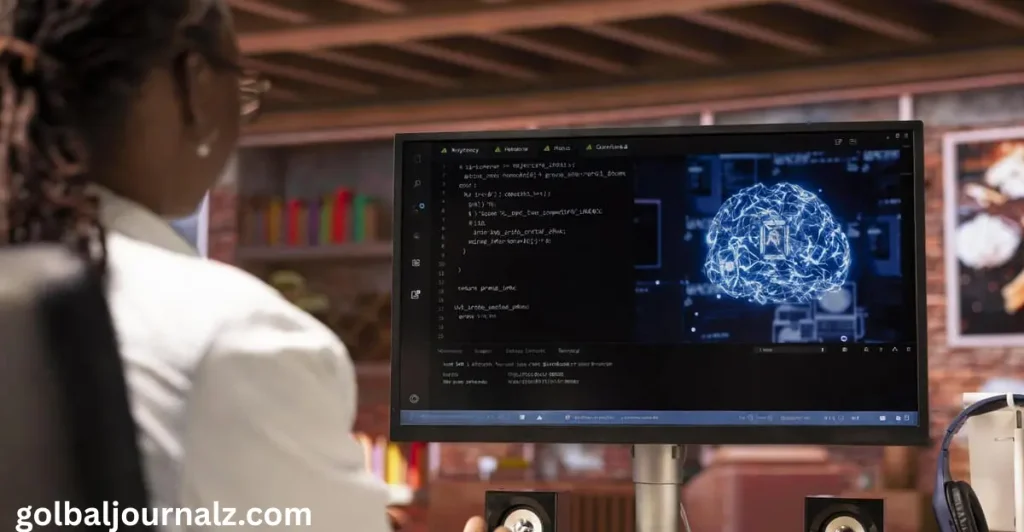
Artificial intelligence is transforming how people work, learn and create digital content. Generative AI tools can produce text images, videos and computer code within minutes. Businesses are using AI to automate tasks, analyze data and improve productivity. These innovations are helping organizations develop new services and respond to changing customer needs.
In 2026, AI is becoming increasingly useful in healthcare education marketing and software development. These tools help people complete work more efficiently and explore new ideas. However accuracy, data privacy and responsible use remain important considerations. Companies must also ensure that AI-generated information is reviewed carefully before it is used.
2. AI Agents and Intelligent Automation
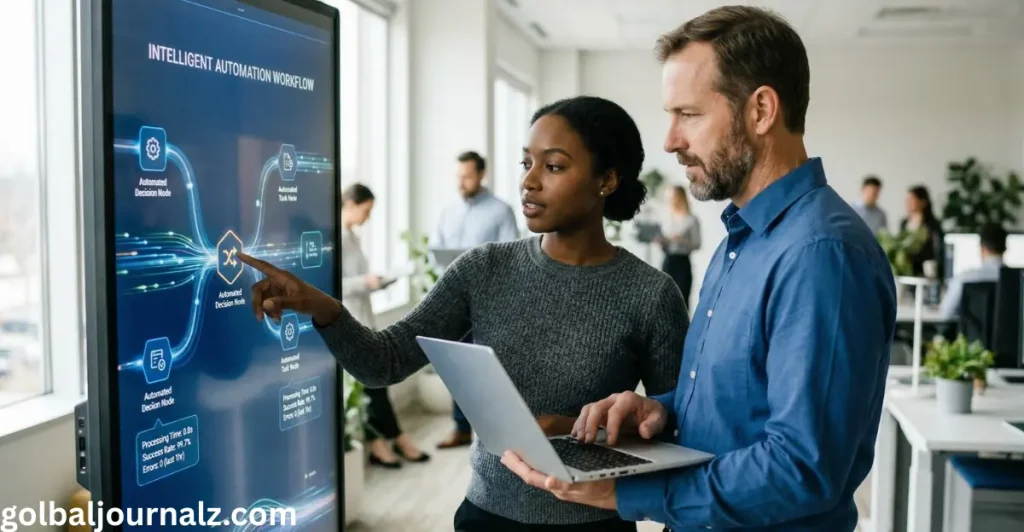
AI agents are becoming more advanced and can perform multiple tasks with limited human intervention. They can assist with research, customer support, data analysis and routine business operations. This technology helps organizations save time and manage complex workflows. It can also connect different digital tools to complete tasks more smoothly.
Businesses are exploring AI agents to improve efficiency and reduce repetitive manual work. These systems can also support decision-making by organizing useful information. However, human supervision remains essential for accuracy, security and reliable results. Clear instructions and proper monitoring can help businesses use these systems more effectively.
3. Cybersecurity and Digital Protection

Cybersecurity protects online accounts, business systems and sensitive information from digital threats. As more activities move online, companies need stronger security measures to prevent data breaches and unauthorized access. Modern security systems can identify suspicious behavior and potential attacks. These protections are becoming essential for businesses that manage large amounts of digital information.
AI-powered threat detection is helping organizations respond to certain risks more quickly. Strong passwords, multifactor authentication and regular software updates also improve protection. In 2026, cybersecurity remains essential for maintaining digital trust and protecting valuable information. Regular security training can also help employees recognize scams and avoid common online threats.
4. Cloud Computing and Edge Computing
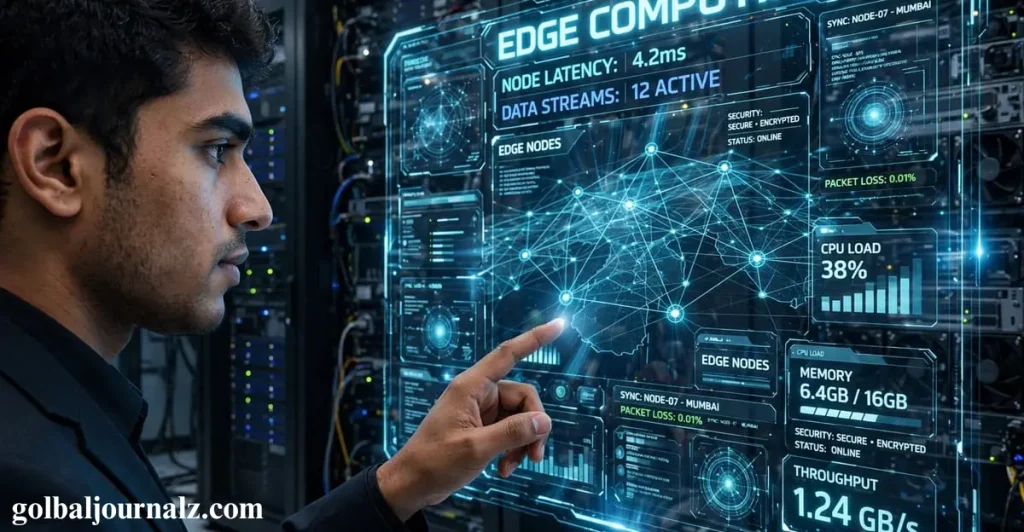
Cloud computing allows users to access applications, storage and computing resources through the internet. Businesses rely on cloud platforms to manage information, support remote teams and expand their digital services. This technology reduces the need to depend entirely on local hardware. It also allows organizations to increase or decrease computing resources according to their needs.
Edge computing processes data closer to where it is generated, helping reduce delays in time-sensitive applications. It supports smart factories, connected devices and real-time monitoring systems. Together, cloud and edge computing provide flexible solutions for modern technological needs. Their combined use can improve performance in industries that depend on fast and reliable data processing.
5. Robotics and Physical AI
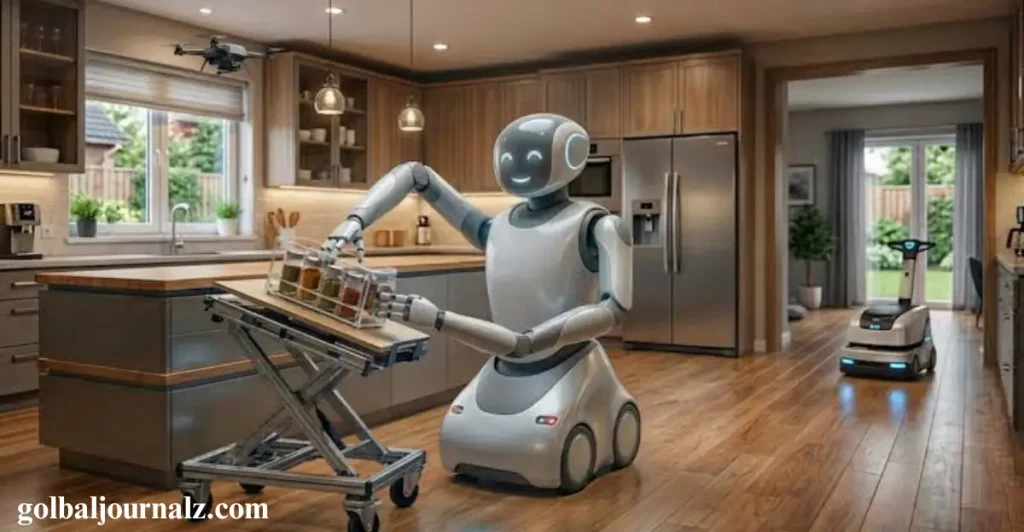
Robotics is advancing as artificial intelligence helps machines understand their surroundings and perform complex tasks. Intelligent robots are being developed for manufacturing, healthcare, agriculture and warehouse operations. They can assist with repetitive activities and physically demanding work. These capabilities allow workers to focus more on tasks that require creativity and human judgment.
Physical AI combines intelligent software with robots, sensors and other hardware to interact with the real world. These systems can improve efficiency and support tasks that require precision. However cost, safety, reliability and human supervision remain important challenges. Continued improvements in machine learning and sensor technology may expand their practical applications.
6. Quantum Computing
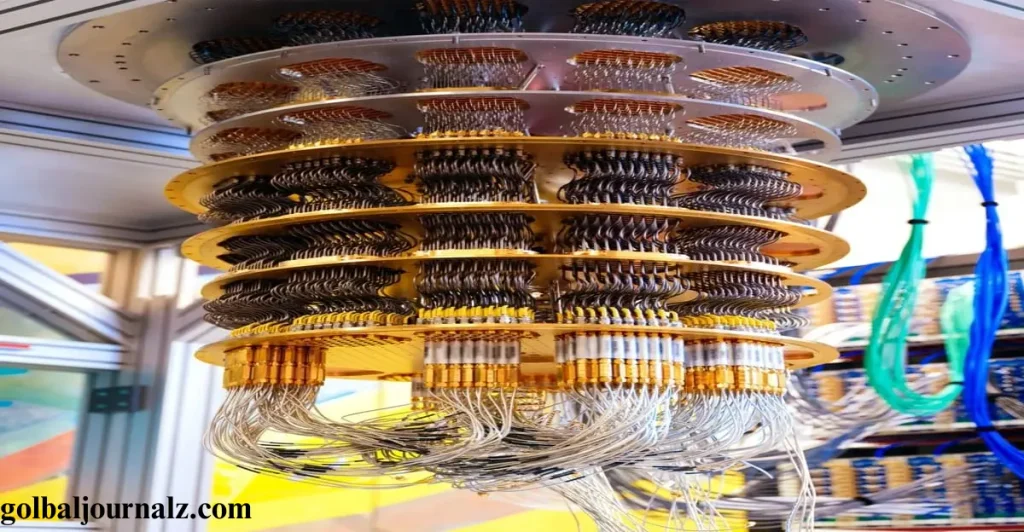
Quantum computing uses principles of quantum physics to approach certain complex problems differently from traditional computers. Researchers are investigating its potential in scientific research, material discovery and advanced optimization. This technology could eventually support solutions to selected difficult computational problems. It may also help researchers investigate complex chemical processes and develop new materials.
Despite ongoing progress, many quantum computing applications remain experimental. Developing reliable quantum hardware and correcting errors are significant challenges. Rather than replacing conventional computers, quantum systems are expected to complement them in specialized areas. Continued research will determine which real-world applications can benefit most from this emerging technology.
7. Internet of Things and Smart Devices

The Internet of Things connects physical devices that collect and exchange information through networks. Examples include smart home appliances, wearable technology, industrial sensors and connected agricultural equipment. These devices help users monitor activities and manage resources more effectively. They can also provide real-time information that supports faster and better-informed decisions.
When combined with artificial intelligence, IoT systems can analyze data and identify unusual patterns. Businesses can use them to monitor equipment, improve efficiency and reduce unnecessary waste. However, strong security settings and regular updates are necessary to protect connected devices. Reliable internet connectivity and compatible systems are also important for successful implementation.
8. Green Technology and Sustainable Computing
Green technology focuses on reducing environmental impact through cleaner energy and efficient resource management. Renewable energy, battery storage, smart electricity grids and energy-efficient devices are important developments. These innovations can help organizations reduce waste and improve resource efficiency. They also support efforts to manage energy consumption as digital infrastructure continues to grow.
The growing demand for AI computing has also increased interest in energy-efficient data centers. Companies are exploring better cooling systems and improved power management to control electricity consumption. Sustainable technology will remain important as digital infrastructure continues to expand. Investing in cleaner energy and efficient equipment can also help businesses manage long-term operating costs.
9. Augmented Reality and Virtual Reality
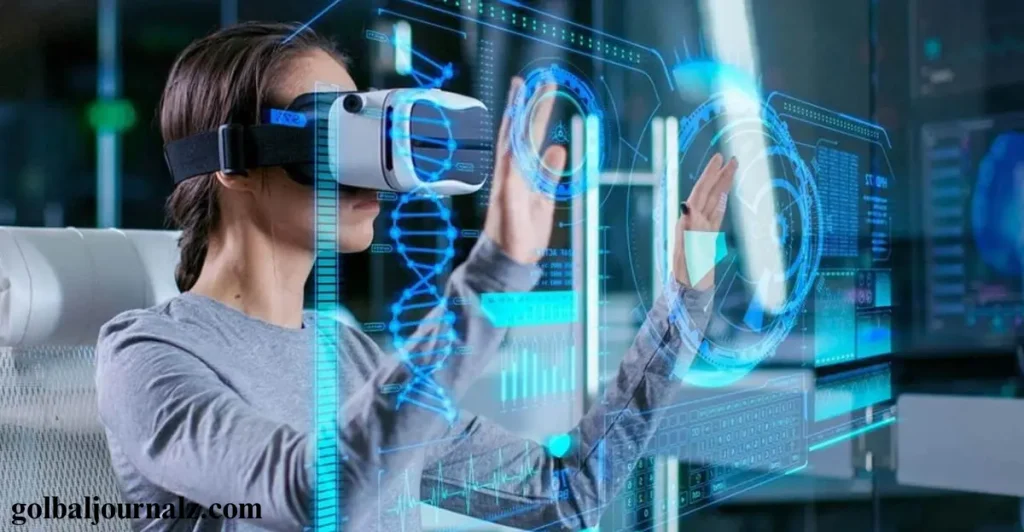
Augmented reality adds digital information to real-world surroundings, while virtual reality creates immersive digital environments. These technologies are being explored in education, healthcare training, entertainment and product design. They allow users to interact with digital information in more engaging ways. They can also help people understand complex concepts through interactive demonstrations and realistic simulations.
AR can provide practical instructions during repairs, while VR can create realistic training experiences. Improvements in displays, tracking and spatial computing are expanding their potential applications. However, hardware costs, user comfort and accessibility can still affect widespread adoption. As devices become more practical, these technologies may become increasingly useful in professional and educational settings.
10. Blockchain and Digital Identity

Blockchain technology provides a distributed method of recording transactions and maintaining shared digital records. It is commonly associated with cryptocurrencies but is also explored for supply chain tracking and digital asset management. Certain systems can help participants verify information without relying on a single record keeper. This approach may improve transparency when multiple organizations need access to shared records.
Businesses continue to investigate blockchain applications that offer practical benefits. Digital identity systems may also use related technologies to support verification and record management. However privacy, transaction costs, scalability and regulatory requirements must be considered before implementation. Organizations should evaluate whether blockchain offers clear advantages over conventional databases before adopting it.
11. Advanced Semiconductors and AI Computing
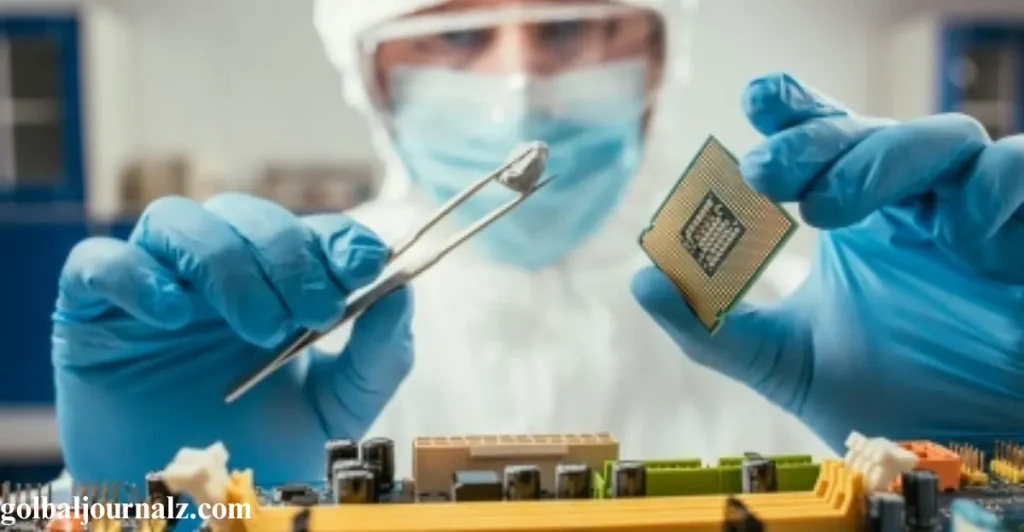
Semiconductors are essential components in computers, smartphones, vehicles and data centers. Growing demand for artificial intelligence has increased the need for specialized processors and advanced memory. These components help systems handle complex calculations and demanding workloads more efficiently. They also support the development of faster digital services and increasingly capable AI applications.
Technology companies are investing in improved chip designs to increase performance and manage energy consumption. Advanced semiconductors support AI development, scientific research, robotics and cloud services. However manufacturing costs and global supply chain challenges remain significant concerns. Continued improvements in chip technology will be important for meeting the growing demand for computing power.
12. Digital Twins and Smart Manufacturing

Digital twins are virtual representations of physical objects, machines, buildings or industrial processes. They use real-world data to help organizations monitor performance, understand behavior and identify potential problems. This technology allows businesses to study systems without always testing changes directly on physical equipment. It can also help teams evaluate different scenarios before making expensive operational decisions.
Manufacturers can use digital twins to improve maintenance schedules and reduce equipment downtime. When combined with AI and IoT, these systems can provide valuable operational insights. Their effectiveness depends on accurate data, reliable models and regular updates. Digital twins can also help businesses improve product design, test processes and make more informed decisions.
Conclusion
The most important technology trends of 2026 are transforming industries and creating new opportunities worldwide. Artificial intelligence, intelligent automation, cybersecurity and cloud computing are influencing how people work and communicate. Meanwhile quantum computing, green technology, and digital twins are opening new possibilities for future innovation.Understanding these developments can help individuals and businesses prepare for technological change. Learning digital skills protecting personal information and exploring useful tools can provide practical advantages. As technology continues to evolve, responsible adoption and continuous learning will be essential for long-term success.
1. What is the biggest technology trend in 2026?
Artificial intelligence is one of the biggest technology trends in 2026. Generative AI, AI agents, and intelligent automation are changing how businesses operate and complete everyday tasks.
2. Which technologies will shape the future?
Artificial intelligence, robotics, quantum computing, advanced semiconductors and green technology are expected to influence future innovation. Their impact will depend on technological progress and real-world applications.
3. Why is cybersecurity important in 2026?
Cybersecurity protects sensitive information, digital accounts, and business systems from online threats. Strong authentication, security monitoring and regular software updates help reduce potential risks.
4. How can people prepare for new technology trends?
People can prepare by learning digital skills, exploring AI tools and understanding cybersecurity basics. Continuous learning and practical experience can help them adapt to changing career opportunities.
5. Will AI replace jobs in 2026?
AI will automate some tasks and change how many jobs are performed. People who combine technical knowledge with creativity, communication and critical thinking can adapt more effectively to these changes.
 admin