 By admin
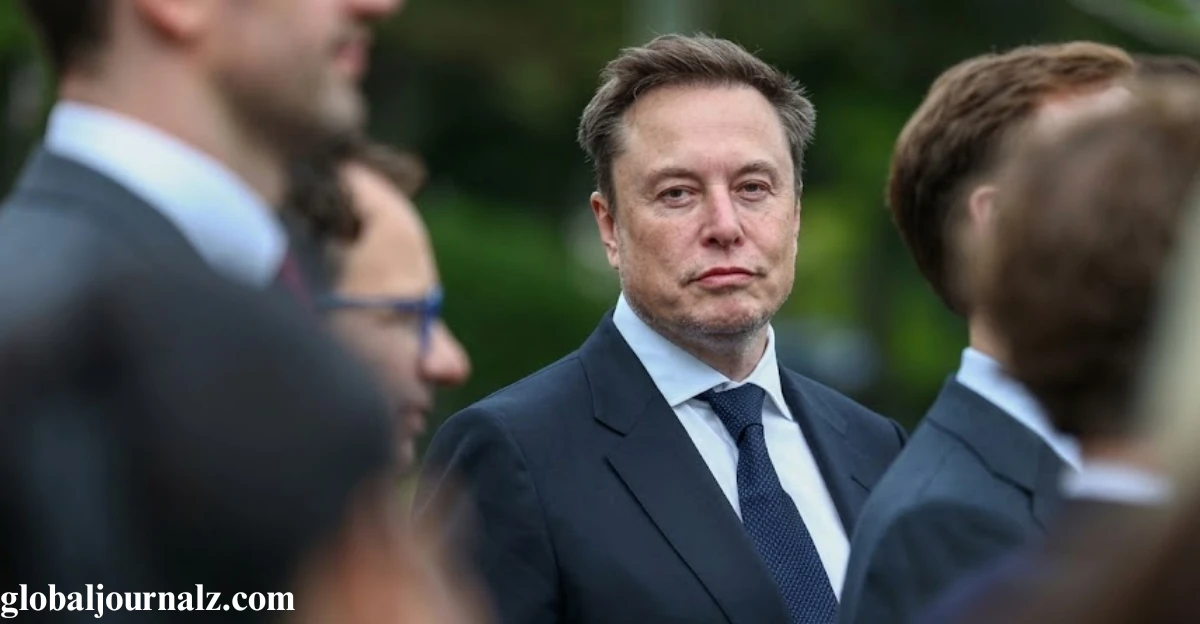
Elon Musk is exploring a potential mega-merger between SpaceX and Tesla that could unite electric vehicles, space exploration, artificial intelligence, robotics, and satellite communications under one corporate structure. On October 20, 2026, Musk confirmed that both companies had formed special committees to examine the possibility, although no final agreement has been reached. He believes combining their technologies could accelerate AI development chip production, robotics and space-based computing. The proposed deal could create a business valued at around $3.5 trillion but it also raises major questions about shareholder approval corporate governance, and the risks of bringing two complex businesses together.
Table of Contents
Elon Musk Considers a Potential Tesla and SpaceX Merger

Elon Musk has moved a potential Tesla and SpaceX merger into formal consideration, with both companies establishing special committees to assess whether their businesses should be combined. The proposal could bring together two trillion-dollar technology empires, valued at approximately $1.5 trillion and $2 trillion, respectively. However, there is no agreement yet, and shareholder backing remains essential. TechCrunch
If completed, the transaction could become the largest merger ever, connecting electric vehicles, rockets, artificial intelligence and other advanced technologies under one corporate structure. Musk has expressed support for bringing the businesses together, but the special committees must assess the proposal independently. The scale of the potential deal makes its financial structure, governance and shareholder approval important considerations.
Merger Probability and Elon Musk’s Business Strategy

David Nicholson, chief technology advisor at The Futurum Group, has discussed the prospect of a merger with reference to its perceived likelihood and timing. The suggestion of 100% certainty, however, should be treated cautiously: Musk himself has warned against assuming that a deal is guaranteed. During the companies’ earnings discussions on Wednesday, he described the issue as like tap-dancing through a minefield. Reuters
As chief executive of both businesses, Musk sees potential advantages in greater business consolidation and closer cooperation across technology projects. Nevertheless, he has acknowledged that his position creates a conflict of interest, preventing him from participating in the special committees’ discussions. The eventual decision will depend on the review process, shareholder support and whether the proposed combination makes commercial sense.
Tesla Sales and SpaceX Rocket Technology
Tesla’s third-quarter sales reached approximately $28.05 billion, close to the reported figure of $28.1 billion, amid a slight change in revenue. At the same time, the company continues developing products and technologies beyond its established electric vehicles. The Tesla Roadster, discussed last week, has drawn attention for its futuristic design and proposed SpaceX rocket thrusters. Associated Press
The Roadster provides a symbolic example of how Tesla and SpaceX technologies could intersect, although a merger would involve much more than vehicle design. Shared work involving chips, artificial intelligence (AI) and technology development could create opportunities for cooperation between rocket engineering and electric vehicle manufacturing. Any practical benefits would depend on how successfully the companies integrated their research, engineering teams and commercial priorities.
Artificial Intelligence, Robotics and Mars Mission
Tesla already works on self-driving technology, electric cars and humanoid robots, while SpaceX operates rockets, satellites and related infrastructure. A combined business could connect these capabilities with data centres, telecommunications operations and AI computing. Musk has also promoted Optimus, Tesla’s humanoid robot project, as part of a wider vision for increasingly automated industries and technology integration.
Musk’s ambitions extend beyond Earth, including a self-sustaining city on Mars and expanded space exploration. The wider business network also includes xAI and X, formerly Twitter, while SpaceX has acquired xAI. Supporters point to potential synergies between AI, robotics and satellite infrastructure, whereas sceptics may question the complexity of managing such diverse operations under one corporate umbrella.
Shareholder Approval and Financial Market Reaction
Tesla shareholders represent a major hurdle for any proposed transaction. Musk has said that half of Tesla’s shareholders would need to support the deal, making approval a substantial requirement. Investment analyst Dan Sheehan of Telos Wealth Advisors has discussed the financial implications, including the possibility that investors could receive a smaller slice of a much larger and more complex business.
The proposed combination has limited direct precedent at this scale, making its public company valuation and governance structure difficult to assess. Following news of the merger discussions, SpaceX shares rose 8% and Tesla shares climbed by 2% in after-hours trading, according to reports. These market movements reflect investor reactions to the possibility of a deal, rather than confirmation that a merger will proceed.
Tesla Customers and Future Vehicle Production
For Tesla drivers, a merger would not necessarily lead to immediate changes in vehicle ownership, servicing or production. Popular models such as the Model Y and Model 3 remain central to Tesla’s electric car business, and any operational changes would depend on decisions made after a deal. Musk’s broader technology ambitions do not automatically mean that existing vehicle programmes would become secondary.
Over time, closer cooperation could influence manufacturing priorities, research spending and the use of Tesla’s manufacturing plant in California. The company is also pursuing humanoid robot production through its Optimus robots programme, potentially increasing competition for resources between vehicle manufacturing and robotics. Whether electric cars become less central or remain a major priority will depend on the final corporate strategy and demand for Tesla’s products.
Tesla’s AI Technology and Competition in the Electric Vehicle Market
Combining Tesla’s self-driving technology and robotics with SpaceX’s AI and satellite network could lead to more capable vehicles, according to Dan Sheehan. However, the potential merger also raises questions about Tesla’s future priorities. As Sheehan explained, the central issue is how much attention electric cars will receive within a company increasingly driven by AI infrastructure and advanced technology.
The recent Tesla Roadster showcase suggests that SpaceX technology could eventually be incorporated into future Tesla products, potentially attracting more customers, said Tu Le, founder of advisory firm Sino Auto Insights. However, Tesla faces intense competition from Chinese manufacturers such as BYD, which overtook Tesla as the world’s biggest EV maker in January. This competition adds pressure on Tesla to strengthen its technology and maintain its position in the electric vehicle market.
What Does Musk Get Out of It?
The proposed merger could significantly affect Elon Musk’s business interests and control over his companies. Musk, the world’s richest man, also became the world’s first trillionaire earlier this year. A combined company could give him greater voting control than he currently has at Tesla, making corporate governance and shareholder interests important considerations for the special committee assessing the deal.
According to Dan Sheehan, bringing the businesses together could make it easier for Musk to pursue his AI strategy. However, Sheehan noted that the merger itself would not necessarily increase Musk’s wealth but would concentrate more of it in a single stock. David Nicholson also warned that the proposal could attract greater scrutiny, particularly if Democrats gain more seats in the US midterm elections next month. Tesla shareholders previously approved an unprecedented compensation package for Musk, valued around $1tn, demonstrating their willingness to support his plans. Nicholson suggested that Musk’s primary motivation may extend beyond personal wealth, bringing him closer to his long-term ambition of colonising Mars.
Conclusion
Elon Musk’s proposed SpaceX-Tesla merger reflects his ambition to connect artificial intelligence, robotics, transportation, energy, and space technology within a more integrated business. Combining Tesla’s manufacturing capabilities with SpaceX’s satellite network and expanding AI infrastructure could create new opportunities for both companies. Tesla investors would also need to consider whether the opportunities of a larger business outweigh the risks of combining such different operations. For now, the merger remains under consideration rather than a completed deal. Its future will depend on the companies’ evaluations, the proposed terms, and whether shareholders ultimately support the combination.
FAQs
Why does Elon Musk want to merge SpaceX and Tesla?
Musk believes the companies could benefit from sharing expertise in artificial intelligence, chip design, robotics, satellite communications, and manufacturing. A merger could also help coordinate investments across projects that increasingly overlap.
Have SpaceX and Tesla officially agreed to merge?
No. As of October 21, 2026, both companies have formed special committees to explore a possible merger, but they have not finalized the terms. Musk has cautioned that the deal is not guaranteed to happen.
How much could a SpaceX and Tesla merger be worth?
Reports estimate that the combined company could be valued at approximately $3.5 trillion. The final valuation would depend on the transaction structure, financial assessments, and agreed terms if the merger proceeds.
How could a merger benefit Tesla and SpaceX?
Tesla could gain closer access to SpaceX’s Starlink satellite network, launch capabilities, and computing infrastructure. SpaceX could benefit from Tesla’s expertise in batteries, robotics, vehicle technology, and large-scale manufacturing.
What challenges could prevent the SpaceX-Tesla merger?
The deal would face shareholder approval requirements, regulatory scrutiny, and concerns about conflicts of interest and corporate governance. Investors may also question whether combining businesses with different markets and risks would create greater value than keeping them separate.
 Muhammad Bilal