 By Muhammad Bilal
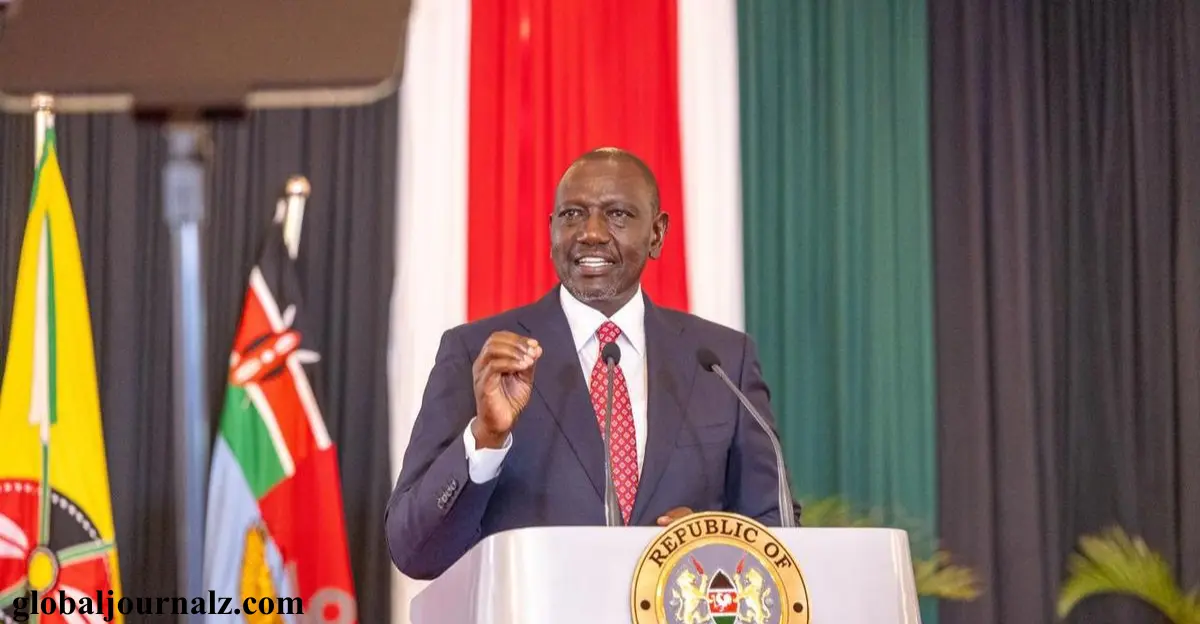
President William Ruto has expressed confidence that Kenyans can identify leaders with clear plans and practical solutions for the country. His remarks come amid growing political discussions about economic challenges job opportunities and the rising cost of living. As election campaigns gradually take shape political leaders are under pressure to explain how they intend to address public concerns. Ruto’s statement highlights the importance of leadership plans and voter expectations in Kenya’s changing political landscape.
Table of Contents
Ruto Expresses Confidence in Kenyans’ Judgment Ahead of 2027 Elections
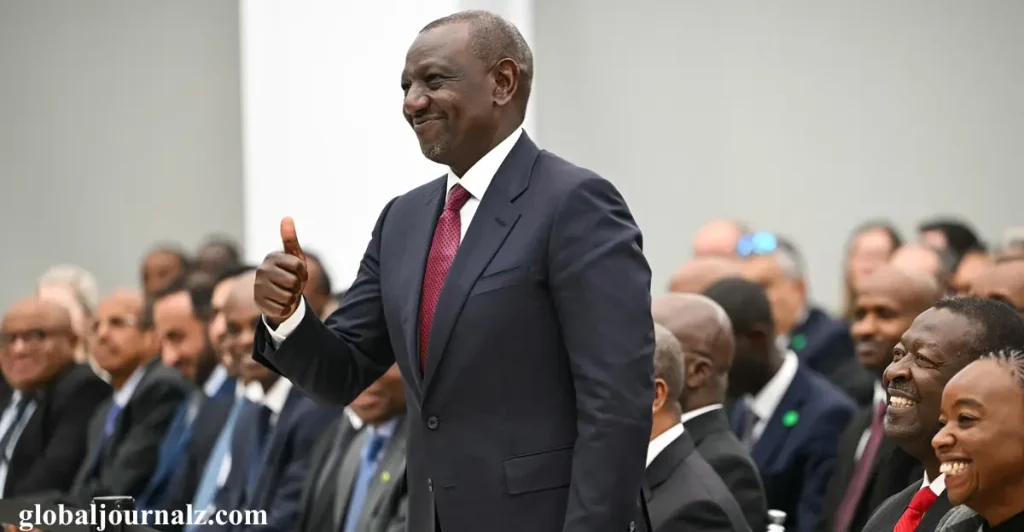
William Ruto has expressed confidence in Kenyans’ judgment ahead of the 2027 elections saying voters should assess his administration through its record and development commitments. As the next general elections approach he has emphasized the importance of evaluating government performance. His remarks urge voters to assess competing leaders’ policies ahead of the election.
Public confidence remains a key theme in Ruto’s political messaging as he addresses voters across Kenya. He has challenged his political rivals to explain their plans rather than rely on name-calling, insults and campaign slogans. The debate highlights competing approaches to political communication and the importance of presenting clear proposals before the next national vote.
Policy plans are central to the discussion surrounding Ruto’s potential reelection campaign and the country’s political future. Coverage by Daily Nation has reported his calls for competitors to outline an alternative agenda and explain how they would address national priorities. As the election approaches Kenyans will have opportunities to examine the different proposals and assess how they respond to public needs.
Ruto Challenges Opposition to Present Clear Policy Alternatives

Ruto has challenged the opposition in Kenya to present practical policy alternatives instead of relying mainly on political slogans. He argues that a meaningful political debate should focus on plans for national development and the delivery of public services. His remarks have placed competing government proposals and policy priorities at the center of discussions ahead of the 2027 elections.
Government initiatives such as the Social Health Authority (SHA) and the Affordable Housing Programme have featured prominently in Ruto’s defense of his administration. He has urged political competitors to explain whether they would maintain or change these programmes. These discussions also extend to the university funding model and wider education reforms which remain important subjects in Kenya’s national policy debate.
Leadership and accountability are central themes in the president’s call for more detailed political proposals. He has criticized the use of chants, insults and campaign slogans when discussing the government’s record. The opposition has also raised concerns about government decisions and their effects on citizens. The exchange highlights Kenya’s debate over reforms, public priorities and the future of public services.
Ruto Defends Hustler Fund and Bottom-Up Economic Transformation Agenda
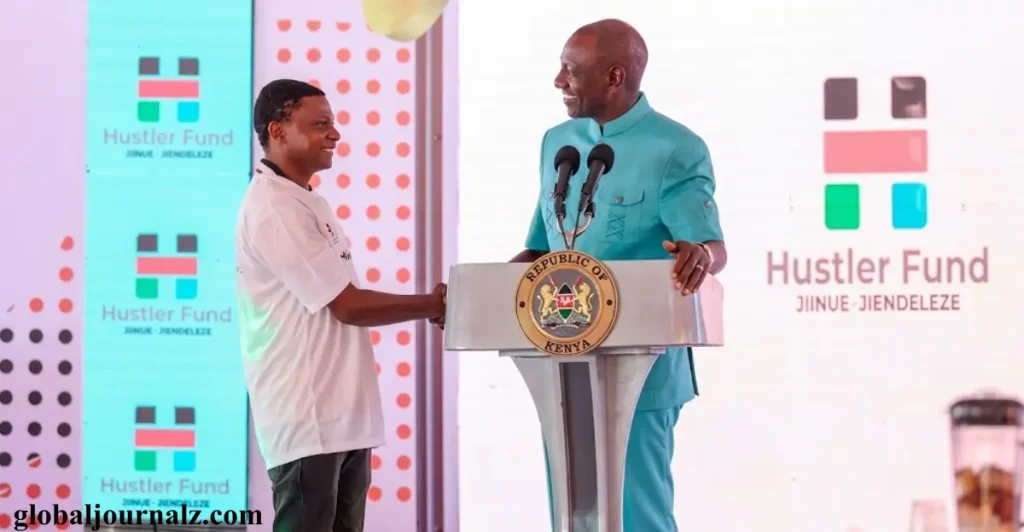
Hustler Fund remains a central part of President William Ruto’s Bottom-Up Economic Transformation Agenda in Kenya. In June 2026 Ruto said the programme had disbursed close to KSh 90 billion and reached more than 27 million citizens. The initiative aims to expand access to credit for people and enterprises that may struggle to obtain loans through traditional financial institutions.
Small businesses and informal traders are among the groups the fund is designed to support including boda boda operators seeking access to financing. The government presents the initiative as part of its broader strategy for economic growth and financial inclusion. Its longer-term impact depends on factors such as responsible lending, repayment patterns and whether borrowers can use the funds to strengthen their livelihoods.
Economic policy under Ruto also includes the Social Health Authority (SHA) education reforms, public housing and efforts to expand employment opportunities. The administration links these programmes to wider goals involving healthcare access and economic transformation. Evaluating their impact requires examining implementation, household benefits and resource distribution across communities.
Ruto Criticizes Uhuru Kenyatta’s Involvement in Opposition Politics

William Ruto has criticized former president Uhuru Kenyatta over what he describes as involvement in opposition politics ahead of Kenya’s 2027 elections. Ruto has accused his predecessor of supporting political rivals seeking to challenge his administration. Kenyatta has rejected the suggestion that he intends to return to elective politics making their disagreement part of the wider debate over political alliances and the next election.
Uhuru Kenyatta who served as former president remains an influential figure in Kenya’s political landscape through his association with opposition coalition discussions. The dispute also recalls the changing relationship between Ruto and Kenyatta after the 2022 general election. Their exchanges highlight debates over political activism, party alliances and former leaders’ influence on current politics.
Raila Odinga the former prime minister was also a major figure in Kenya’s earlier political alliances including the 2022 contest in which Kenyatta backed his presidential bid against Ruto. The current dispute involves questions of national consensus, statesmanship and political leadership as different groups consider future partnerships. Debates over opposition organizing and government relations continue to shape political alliances ahead of the next election.
Conclusion
The road to Kenya’s 2027 general election is likely to bring intense political debate and closer scrutiny of leaders’ promises. Ruto’s confidence in voters reflects his belief that Kenyans will assess competing plans before making their decisions. Key issues such as economic stability, employment, public services and the cost of living are expected to remain central to the discussion. Political leaders will need to explain how their proposals can address these everyday concerns. Ultimately the strength and credibility of each campaign’s plans may influence public support. Kenya’s electoral journey will reveal how voters weigh political promises against their expectations for the country’s future.
1. What did William Ruto say about Kenya’s 2027 election?
William Ruto expressed confidence that Kenyans would recognize which political leaders have genuine plans for the country. His statement emphasizes the role of voters in evaluating leadership proposals ahead of the election.
2. Why is Ruto emphasizing realistic plans for 2027?
Ruto’s remarks highlight the importance of presenting clear goals and practical solutions to national challenges. As the election approaches voters are likely to examine how candidates intend to address their concerns.
3. Which issues could influence Kenya’s 2027 election?
The cost of living, unemployment, economic growth, healthcare and education are important issues for Kenyan voters. How candidates propose to address these concerns could influence public support.
4. How might Kenyans evaluate political leaders before voting?
Voters can compare candidates’ policies, previous performance, campaign promises and proposed solutions. These factors may help them assess which leaders offer credible plans for the country.
5. What challenges could shape Ruto’s 2027 campaign?
Economic pressures, public expectations and concerns about government performance could shape the political debate. Ruto’s campaign may face scrutiny over how effectively its policies address everyday challenges.