 By Muhammad Bilal

The rapid growth of artificial intelligence is reshaping the job market and changing what employers expect from workers. AI-powered tools help businesses improve productivity and handle complex tasks efficiently. At the same time new career paths are emerging, making technical knowledge and human skills equally important. Understanding these changes can help individuals prepare for future opportunities. Explore the key ways AI is transforming jobs and careers.
Table of Contents
AI Is Transforming the Way We Work
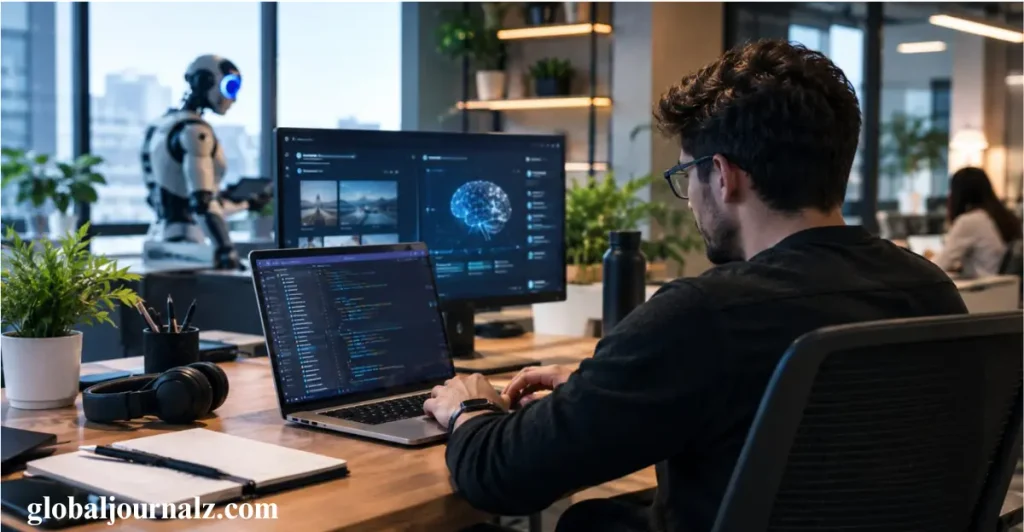
Artificial intelligence is changing how people work, learn and build their careers. From automated customer service and AI-generated content to smart healthcare systems and self-driving technology AI is becoming an important part of modern life. Businesses are using AI tools to improve productivity, reduce repetitive tasks and make faster decisions.
As this technology continues to develop the demand for digital skills, technical knowledge and creative problem-solving is also growing. Understanding how AI works and how to use it effectively can help people prepare for new opportunities in the future job market.Developing these skills today can help individuals stay competitive and succeed in an increasingly AI-driven workplace.
How AI Is Changing Different Industries
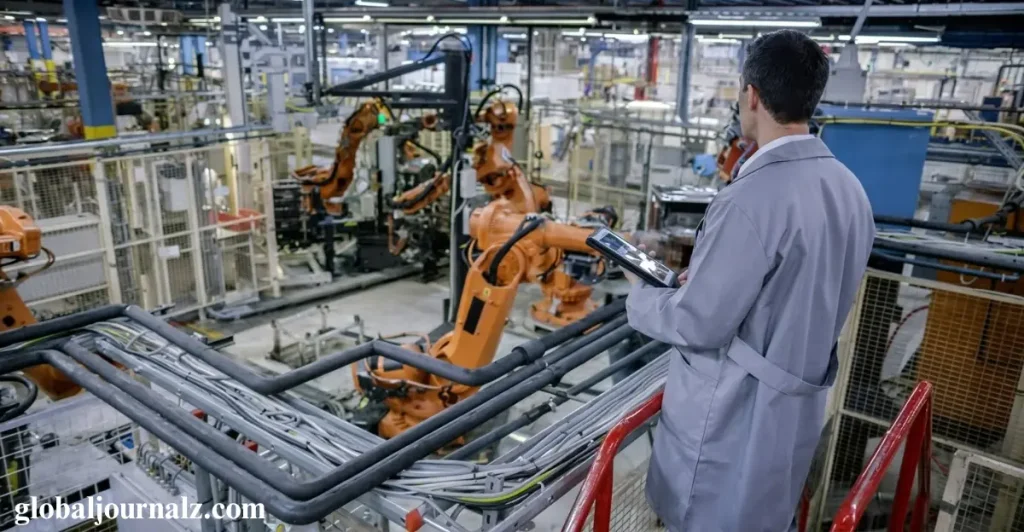
AI is transforming industries by improving efficiency, analysing information, and supporting better decision-making. Its impact can be seen across healthcare finance education retail and creative professions.
- Healthcare: AI helps medical professionals analyse medical images, identify potential health risks, and support treatment planning.
- Finance: Financial institutions use AI to detect fraudulent transactions, assess risks and automate routine banking operations.
- Retail: AI-powered recommendation systems, demand forecasting and inventory management help businesses understand customer needs.
- Education: Intelligent tutoring systems and personalised learning platforms help students learn at their own pace.
- Manufacturing: AI-powered robots and predictive maintenance systems improve production efficiency and reduce equipment downtime.
- Media and entertainment: AI tools assist with video editing, music production, content creation, and digital design.
These applications show how artificial intelligence is changing workplace responsibilities and creating demand for employees who can combine industry knowledge with digital skills.
New Career Opportunities Created by AI
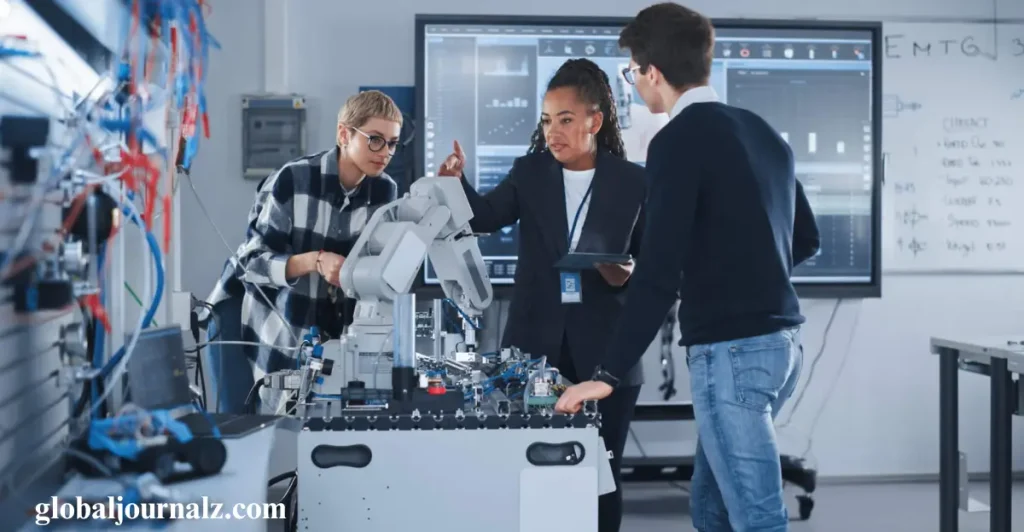
Although AI can automate certain tasks it is also creating demand for specialised professionals who can develop, manage and improve intelligent systems. As organisations adopt new technologies, several AI-related career paths are becoming increasingly important.
- AI Engineer: Develops and implements artificial intelligence systems for real-world applications.
- Data Scientist: Analyses large datasets to identify patterns, predict trends, and support business decisions.
- Machine Learning Engineer: Builds and improves models that learn from data and generate predictions.
- AI Product Manager: Coordinates the development of AI-powered products and ensures they meet user and business needs.
- AI Ethics Specialist: Helps organisations address fairness, privacy, transparency, and responsible AI use.
- Cybersecurity Analyst: Uses intelligent tools to identify suspicious activity and strengthen digital security.
These careers often require a combination of technical expertise, analytical thinking, communication and continuous learning. Some positions require advanced qualifications while others may offer entry points through practical training and relevant projects.
How AI Is Changing Traditional Jobs

Artificial intelligence is changing established professions by helping workers complete tasks efficiently and focus on responsibilities that require human judgment. In marketing, AI analyses customer behaviour and supports targeted campaigns. In accounting, software can organise financial records and identify unusual transactions. Lawyers can use AI to review documents, while healthcare professionals can use decision-support systems to assess information.
Graphic designers, writers and video editors can use generative AI to explore ideas, create drafts and speed up their work. However AI-generated results still need human review. Accuracy, originality and an understanding of client needs remain important. Workers who combine their expertise with AI tools may adapt more easily as their industries change.
Skills You Need for an AI-Powered Future

Preparing for the future job market involves more than learning how to use artificial intelligence software. Employers also need people who can evaluate information, solve problems, communicate clearly and apply technology responsibly.
- AI literacy: Understand the basic principles of artificial intelligence, its capabilities and its limitations.
- Digital skills: Become familiar with relevant software, automation platforms, data tools and AI applications.
- Critical thinking: Check AI-generated information, identify mistakes and make informed decisions.
- Creativity: Develop original ideas and find practical solutions that go beyond automated suggestions.
- Communication: Explain ideas clearly, collaborate with others and understand customer requirements.
- Adaptability: Keep learning as tools, workplace expectations and industry practices evolve.
- Ethical awareness: Protect private information, recognise potential bias and use AI responsibly.
You do not necessarily need to become a programmer to benefit from AI. Learning tools that support your existing profession can be a practical starting point, especially when combined with hands-on experience.
How to Prepare for AI-Related Career Opportunities

A practical approach to preparing for an AI-driven workplace is to start with your current interests and build relevant skills gradually. Explore beginner-friendly AI courses, practise using tools related to your profession and complete small projects that demonstrate your abilities. For example a graphic designer can experiment with AI-assisted brainstorming and image editing, while a marketing professional can learn AI-supported research and content analysis.
Building a portfolio documenting your projects and understanding the limitations of AI can also help demonstrate your professional skills. Instead of relying entirely on automated outputs, learn how to improve them through research editing testing and personal judgement. Following industry developments and regularly updating your knowledge will help you remain flexible as new roles and technologies emerge.
The Future of Work: AI and Human Skills Together

The future of work will increasingly combine artificial intelligence with human expertise. AI can process information, automate repetitive tasks and generate suggestions but people remain essential for setting goals, building relationships and making responsible decisions. Its impact will vary across occupations with some tasks becoming automated while others change or create new responsibilities.
Rather than assuming every job will disappear it is more useful to understand which tasks are changing and which skills will remain valuable. Employees who combine technical knowledge with creativity, critical thinking and communication can adapt more easily. Preparing for the future means using AI to improve productivity while strengthening the human skills that make professional work meaningful.
Conclusion
Artificial intelligence is reshaping the future of work by changing traditional jobs and creating new career opportunities. As industries adopt AI technology digital skills and adaptability are becoming increasingly important. Although AI can automate routine tasks, human creativity, critical thinking and decision-making remain valuable. Learning to use AI tools effectively can help individuals improve productivity and workplace performance. Instead of fearing change people should focus on developing skills that complement artificial intelligence. Combining human expertise with AI can help individuals prepare for future career opportunities.
How Is AI Changing Jobs and the Future of Work?
AI is transforming workplaces by automating repetitive tasks, improving productivity, and supporting faster decision-making. It is also changing existing roles and creating new career opportunities across different industries.
Will Artificial Intelligence Replace Human Jobs?
AI may automate certain tasks and reduce demand for some roles but it will also change how many people perform their jobs. Human creativity, communication, critical thinking, and judgement will remain important in many professions.
What Jobs Will AI Create in the Future?
AI is creating opportunities in fields such as machine learning, data science, AI engineering, cybersecurity, and AI product development. Demand may vary depending on industry needs and technological developments.
Which Skills Are Important for the Future of Work?
Digital literacy, AI knowledge, problem-solving, creativity, communication, and adaptability are valuable skills for an AI-driven workplace. Learning to use AI tools responsibly can also improve professional performance.
How Can I Prepare for AI-Related Career Opportunities?
You can prepare by taking online courses, practising with AI tools, developing digital skills, and building practical projects. Keeping your knowledge up to date can help you adapt to changing job requirements.