 By Muhammad Bilal

Global Economy and Market Developments play a major role in shaping businesses investments and everyday life around the world. From changing inflation rates to shifts in trade energy prices and financial markets every development can influence economic growth. Governments, investors and businesses closely monitor these changes to understand emerging risks and opportunities. As global markets continue to evolve, staying informed becomes increasingly important for making better financial and business decisions.
Table of Contents
The Energy Crisis and Inflationary Pressures
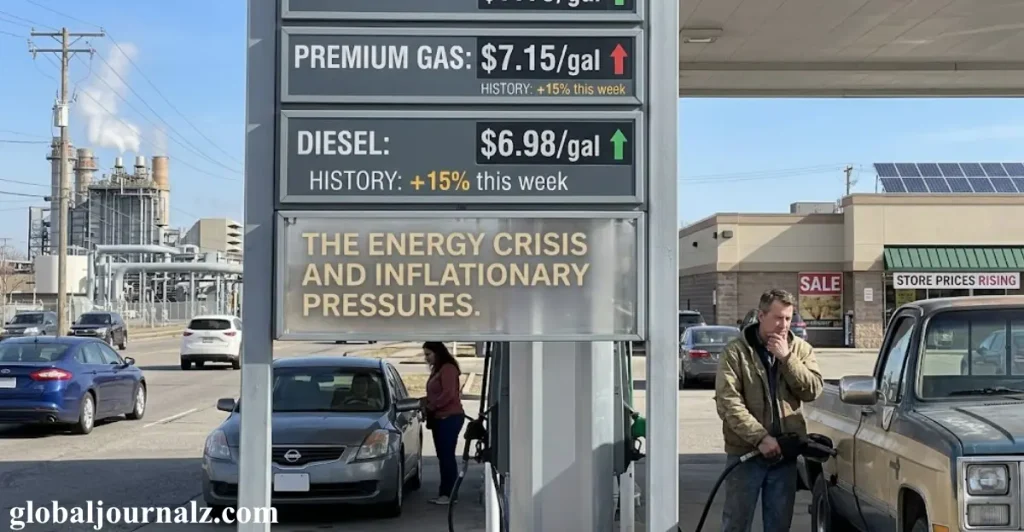
The energy crisis has intensified due to geopolitical tensions and disruptions in the global oil supply. Brent crude prices have fluctuated within the 114–116 range and increased market uncertainty. Rising energy expenses have raised manufacturing costs and consumer prices. These pressures have fueled inflation and challenged central banks in maintaining price stability.
Rising inflation continues to affect global markets as geopolitical tensions disrupt energy supplies. Fluctuating oil prices have increased manufacturing expenses and raised consumer costs. These energy shocks have reduced purchasing power and intensified monetary tightening concerns for central banks. Maintaining price stability remains essential amid persistent inflationary pressures.
Central Bank Divergence and the Fiscal Crunch

Central banks face challenges as inflation and fiscal pressures complicate monetary policy decisions. The Federal Reserve must balance rate hikes with borrowing costs of 3.88% in the referenced period. Rising U.S. debt approaching $40 trillion has increased concerns over sovereign debt and interest costs of $1.05 trillion. These expenses add pressure alongside military budget demands.
Monetary policy remains difficult as inflation and rising debt increase economic uncertainty. Higher borrowing costs make sovereign debt more expensive and restrict government spending. With U.S. debt nearing $40 trillion and interest costs reaching $1.05 trillion, fiscal pressure continues to grow. Central banks must balance inflation risks against economic stability. These challenges complicate long-term budget planning.
The Shift to Physical AI Infrastructure

Physical AI is driving investment in AI infrastructure and advanced computing capacity. Rising capital expenditure supports data centers and cooling systems to meet growing technology demand. This expansion requires reliable energy generation and stronger power grids. Demand for industrial metals is also increasing as technology advances. Developing countries face new opportunities alongside rising energy costs and infrastructure challenges.
AI infrastructure is becoming a major investment priority as businesses expand computing resources and data centers. Higher capital expenditure increases demand for reliable energy generation and upgraded power grids. Industrial metals and cooling systems support this technology expansion and improve productivity. However rising energy costs may affect AI growth in developing countries.
Uneven Regional Economic Performance

Regional growth remains uneven as energy costs and technology investment shape global markets. The U.S. benefits from steady GDP activity and corporate earnings while the Eurozone faces industrial pressure. Across Asia manufacturing remains sensitive to oil prices and inflation. Higher interest rates could further increase the risk of a slowdown. These regional differences continue to influence global economic performance.
Technology continues to influence regional economies while rising energy prices create new challenges. U.S. spending and corporate earnings support GDP growth while the Eurozone faces manufacturing pressures. Across Asia inflation and changing interest rates affect industrial performance. These factors contribute to uncertainty around the global economic outlook. Regional markets remain vulnerable to further economic slowdown.
Conclusion
The global economy continues to change as countries respond to new challenges, shifting policies and evolving market conditions. Businesses and investors must remain aware of these developments to understand their possible effects on growth and financial stability. Trade relations interest rates inflation and energy costs will continue to influence economic activity across regions. These factors can also affect employment, consumer spending and business confidence. Understanding global market trends helps individuals and organizations make more informed decisions. By following reliable economic updates readers can better understand the forces shaping the world economy and its future direction.
1. What factors have the biggest influence on the global economy?
The global economy is influenced by inflation, interest rates, international trade, energy prices and government policies. Changes in these areas can affect economic growth, employment and business activity worldwide.
2. How do international market changes affect everyday consumers?
Market changes can influence the prices of food, fuel, housing and other essential goods. They may also affect borrowing costs, job opportunities and household spending.
3. Why do investors closely monitor global economic trends?
Investors follow economic reports to understand market conditions and identify potential risks and opportunities. Information about inflation, growth and interest rates can help them make more informed decisions.