 By Muhammad Bilal
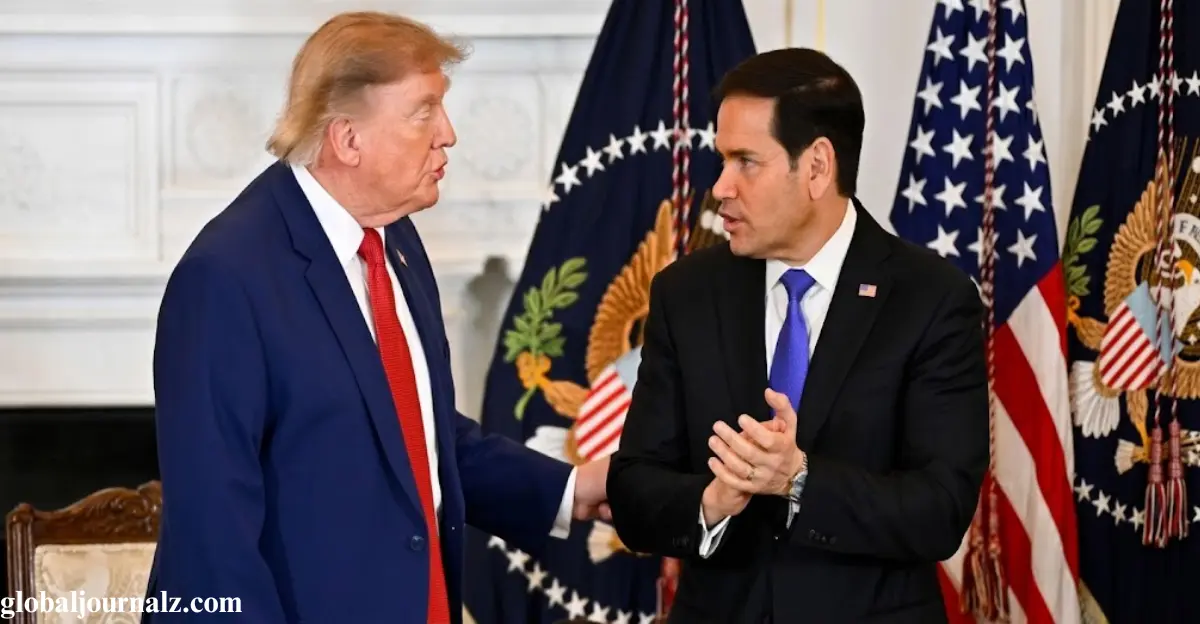
The document outlines a controversial strategy concerning the Trump administration’s plans to revoke visas for foreign nationals who are actively seeking asylum. It details the upcoming policy changes and restrictions designed to tighten enforcement on visa holders while analyzing the direct impacts on vulnerable asylum seekers. The text examines human rights concerns and legal challenges surrounding immigration policies.
Table of Contents
1. Visa Revocation Plan
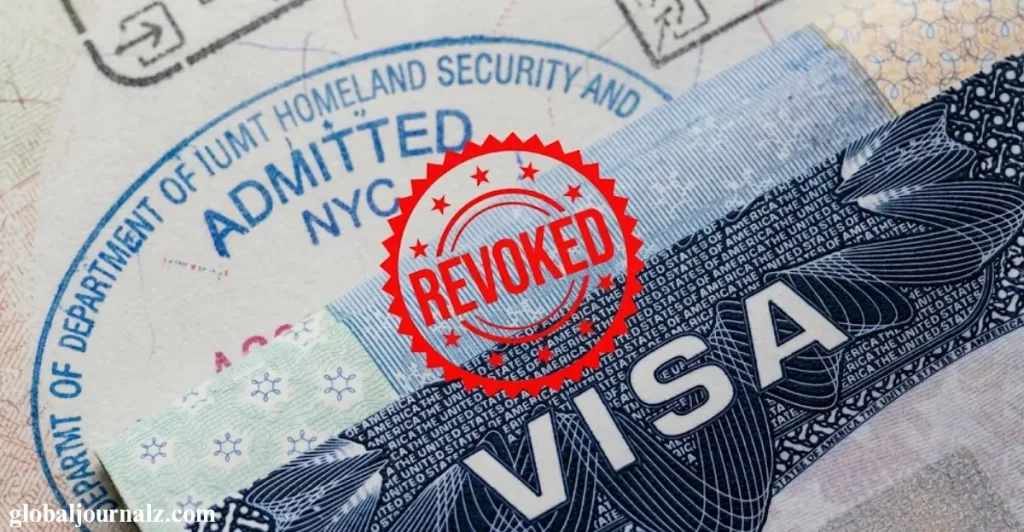
The Trump administration is reportedly considering a visa revocation plan that could affect foreign nationals who seek asylum in the United States. The proposed measure may introduce stricter measures through immigration enforcement and change how temporary visas are reviewed when individuals have applied for protection after entering the country. The plan could affect asylum seekers’ legal rights and protection.
Under existing immigration law the visa status of affected individuals may depend on their circumstances and applicable immigration regulations. Any visa cancellation or revocation of certain visas would need to be assessed alongside relevant legal protection and established immigration procedures. Visa consequences remain unclear until final details emerge. Immigration authorities will assess individual cases under United States immigration policy.
2. Immigration Policy Changes
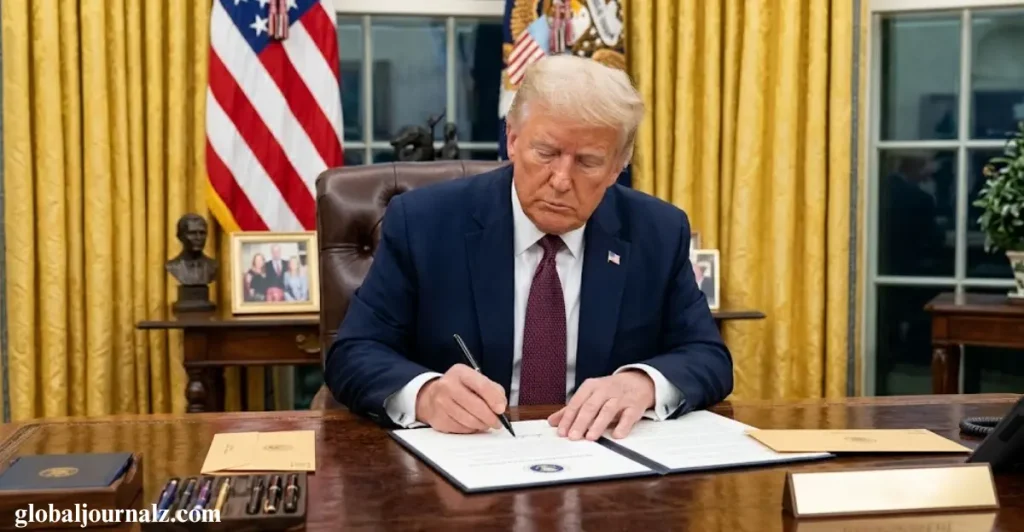
New immigration policy changes under President Trump could reshape enforcement practices across the United States. Its policy agenda may involve closer monitoring of foreign nationals entering the United States and stronger checks on visa compliance. Supporters of stricter immigration enforcement believe these steps could prevent misuse of visa programs and strengthen government oversight.
Meanwhile restrictive immigration policies have raised concerns about asylum seekers and their access to legal protection. Officials must balance immigration rules and visa requirements with asylum protection for vulnerable people. The future direction of immigration policy will depend on policy implementation and decisions about immigration reform. Supporters favor tighter controls while critics fear they could harm vulnerable asylum applicants.
3. Visa Holder Restrictions

Foreign nationals in the United States could face new visa restrictions if they apply for asylum after entering on business or tourist visas. These individuals may face additional scrutiny based on their immigration history and visa compliance. However official government statements are needed to clarify which temporary visa holders could be affected. The final rules remain unclear. Further guidance may explain how the policy will apply.
Led by existing immigration regulations each case may depend on individual circumstances and relevant legal requirements. Immigration authorities may review immigration records and persecution claims involving a fear of persecution or serious harm in applicants’ home countries. Until official announcements confirm the policy implementation the potential visa-related consequences remain uncertain for foreign visitors seeking protection.
4. Asylum Seeker Impact

This asylum seeker impact of the Trump administration’s reported plan could include increased uncertainty for foreign nationals with pending applications in the United States immigration system. A visa revocation policy may affect immigration status and raise concerns about legal protection during asylum proceedings. Visa cancellation does not automatically mean asylum rejection under United States law.
Regarding applicants facing fear of persecution or serious harm in their home countries applicant evidence and individual circumstances remain important to the asylum determination process. Immigration authorities must consider relevant immigration regulations and legal requirements when reviewing pending asylum claims and protection eligibility. The impact remains unclear. Affected individuals should seek legal guidance on their asylum rights.
5. Human Rights Concerns
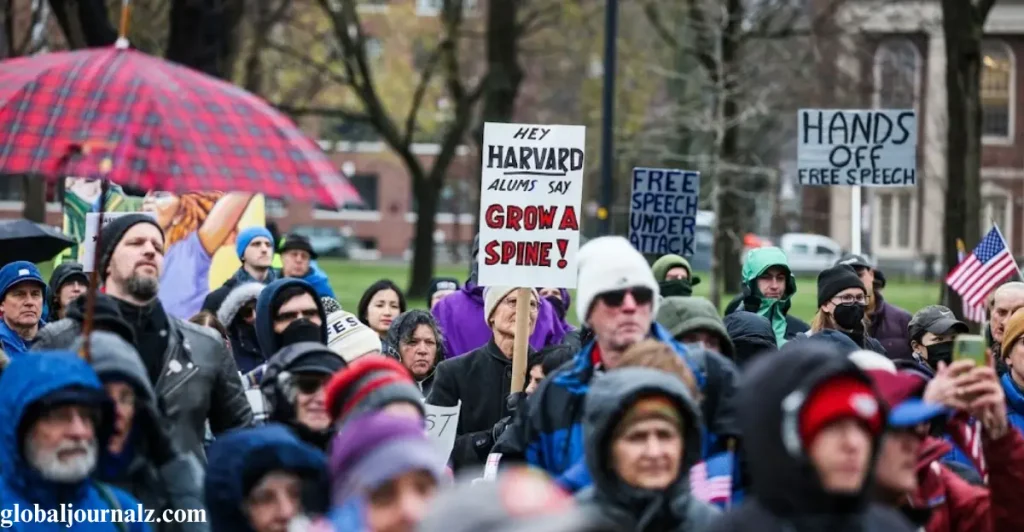
Current proposed restrictions have raised human rights concerns about access to asylum for people fleeing persecution in their home countries. While US law sets legal requirements for asylum eligibility the government must also consider humanitarian responsibilities when shaping immigration policies. Human rights advocates call for fair asylum reviews. Stricter visa rules could affect asylum seekers and raise concerns about their legal rights.
Balancing national security with humanitarian concerns remains central to the immigration policy debate. Immigration authorities must follow legal procedures and provide proper consideration during asylum application review while assessing persecution claims and legitimate protection requests. Immigration enforcement should protect human rights and legal safeguards. Policies must balance immigration priorities with asylum seekers’ rights.
6. Legal Challenges Ahead

Legal challenges could arise if affected individuals or advocacy groups dispute the basis for revoking asylum seekers’ visas. Potential implementation challenges may depend on the policy scope and its relationship with existing asylum procedures. Clear official guidance will be needed to explain the final terms. These details could influence how immigration authorities handle individual cases.
Additionally court challenges could test how the administration applies immigration enforcement through administrative decisions and policy implementation. Judicial review may examine whether visa cancellation measures comply with legal requirements under immigration law and asylum law. Qualified immigration lawyers can explain available legal remedies and help asylum seekers understand their legal rights amid continuing legal uncertainty.
Conclusion
The proposed visa cancellation measures raise profound questions regarding their compliance with established immigration and asylum laws. The impending policy shifts threaten to leave many visa holders and asylum seekers in a prolonged state of legal and personal uncertainty. As human rights organizations and legal experts prepare to contest these restrictions the upcoming legal challenges will likely play a decisive role in shaping the future landscape of immigration enforcement. To navigate these turbulent changes affected individuals are strongly urged to consult with qualified immigration lawyers who can clarify available remedies and safeguard their constitutional rights.
Q1: What is the Trump administration visa revocation plan for asylum seekers?
The visa revocation plan targets foreign nationals who entered the United States on valid visas but later applied for asylum. The administration intends to cancel these existing visas to restrict legal stay options and streamline deportation processes for individuals awaiting their protection hearings.
Q2: How do new immigration policy changes impact current visa holders?
Current visa holders face heightened scrutiny and the risk of losing their legal status if they attempt to change their residency terms. Strict guidelines may leave temporary residents worried about sudden deportation. Many await further policy clarification. Legal advice may help them understand their options.
Q3: What legal challenges do the proposed visa cancellation measures face?
Immigration advocacy groups argue that the proposed cancellation measures directly violate domestic immigration statutes and international treaty obligations. Federal courts will likely block the enforcement of these rules because they fail to provide due process to applicants. Legal challenges could determine the policy’s future.
Q4: Why are human rights organizations concerned about these new restrictions?
Human rights organizations warn that revoking visas could expose vulnerable families to danger by forcing them back to countries where they face persecution. They argue that these restrictions weaken legal protections for refugees worldwide. Such measures raise serious humanitarian concerns.
Q5: Should affected asylum seekers consult an immigration lawyer right now?
Affected individuals should contact a qualified immigration lawyer immediately to explore alternative legal options and protect their rights under current laws. A professional attorney can provide essential guidance through changing regulations to navigate the growing uncertainty within the system.