 By Muhammad Bilal

The ongoing geopolitical friction between the United States and Iran has reached a critical turning point following recent international events. Regional stability hangs in the balance as military escalation and internal political pressures influence state decisions. Both nations face intense strategic dilemmas that complicate the path toward an enduring peace agreement. This analysis examines the standoff’s key drivers and possible outcomes.
Table of Contents
Worst round yet
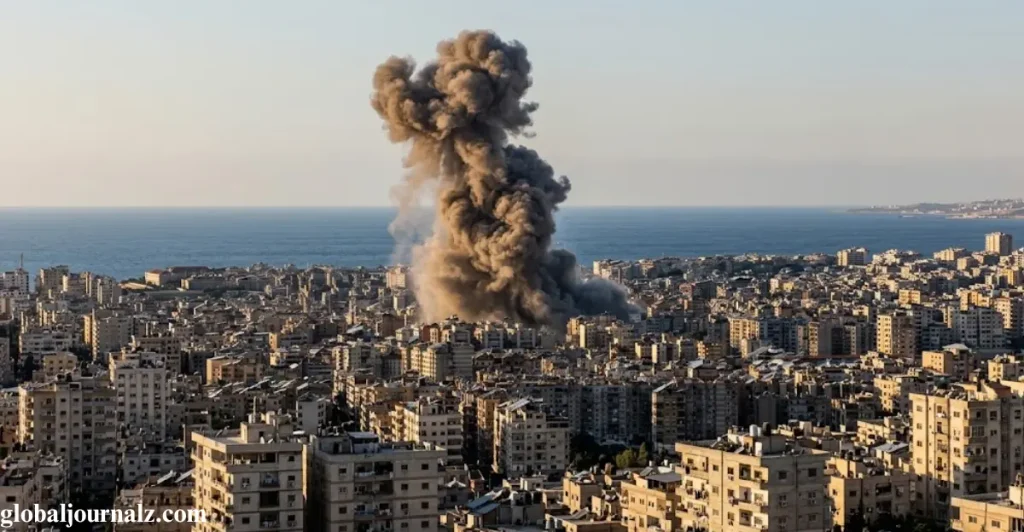
The latest US-Iran tensions raise fears that a third round of war could trigger a devastating regional war. Citrinowicz of the Institute for National Security Studies warns that Iranian officials may pursue maximum economic damage rather than deploy a massive land army. Israel and Iranian forces remain key players as US presence raises Gulf tensions. Attacks on energy facilities could disrupt communications near the Hormuz Strait.
A wider conflict could threaten Gulf countries including Kuwait and Bahrain where US bases support regional operations. On October 14 Reuters reported on a burning vessel after a strike involving an Iran-affiliated dhow as described in a U.S. Central Command statement and accompanying video footage. CENTCOM oversees US operations while Iranian retaliation could disrupt energy supplies and internet cables.
Midterm dynamics
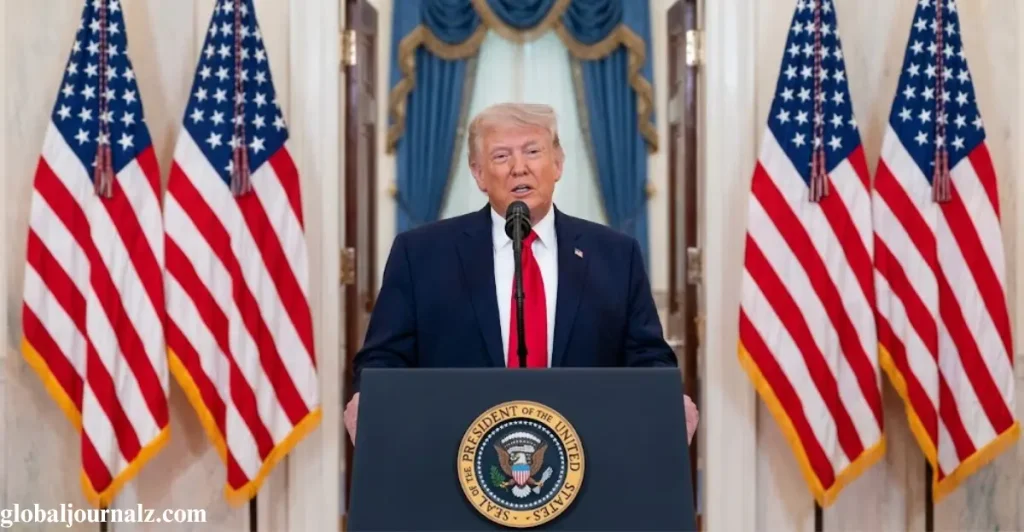
Such approaching November 3 elections have added a political dimension to US-Iran tensions as Donald Trump and the Trump administration face pressure over rising fuel costs. A report from the Critical Threats Project and the Institute for the Study of War (ISW) dated October 20 2026 examined how Iran’s maritime campaign could influence Washington. Iran may use rising oil prices to pressure the US before midterm elections and intensify regional tensions.
After the summer truce collapsed the US naval blockade of Iranian ports and renewed strikes intensified tensions around the Strait of Hormuz. Reports from Reuters and the West Asia News Agency mentioned vessels near the Bandar Abbas coastline on October 13 as shipping attacks raised concerns about commercial shipping and global trade. Hormuz tensions and rising oil prices increase economic uncertainty ahead of US midterm elections.
Iran’s demands
Iranian government has tied any lasting settlement with the United States and Israel to sanctions relief and compensation for war damage caused by earlier US-Israel strikes. Under Iran’s demands the country seeks access to frozen Iranian assets and relief from punishing sanctions while questions over enriched uranium and its nuclear program remain unresolved. Trump and Netanyahu prioritize military goals while Iran demands sovereignty.
Additionally Pakistan and Qatar could support diplomatic mediation and renewed peace talks to prevent military escalation. Experts including Suzanne Maloney of the Brookings Institution and Karim Sadjadpour of the Carnegie Endowment for International Peace have examined the challenges of settling. Iranian retaliation through Houthi militias and Hezbollah could threaten regional security and worsen economic instability.
Nuclear timeline?
The nuclear timeline shifted after the June 2025 strikes targeted Iran’s nuclear program and key uranium enrichment sites. Donald Trump said the attacks had damaged Iran’s nuclear capability while concerns about enriched uranium and nuclear weapon development remained unresolved. The US-Israeli strikes escalated tensions as experts assess Iran’s nuclear ambitions and uranium stockpile.
Today the central question is whether Iran will pursue nuclear negotiations or rebuild its nuclear capability amid renewed military escalation. The Trump administration has emphasized nuclear disarmament and preventing nuclear proliferation while Tehran faces pressure over its nuclear threshold. Pentagon planning raises fears of renewed conflict and regional instability while uncertain casualties highlight the need for international diplomacy.
Finishing the job
Regarding Benjamin Netanyahu and the Israeli leadership the idea of finishing the job in the US-Iran conflict raises questions about regime change and military escalation. The Netanyahu government faces political pressure from Israeli voters ahead of the Israeli elections while the legacy of the October 7 attacks keeps national security at the center of public debate. Donald Trump’s maximalist goals and stalled talks raise the risk of renewed hostilities.
Separately the Iranian government faces economic sanctions and existential economic pressure while defending its regime identity and national identity. Analysts such as Karim Sadjadpour and Citrinowicz have discussed how political survival and strategic objectives can limit a diplomatic settlement. A military solution risks regional instability while diplomatic negotiations could enable compromise and prevent further Iran war escalation.
Comclusion
Ultimately a military solution to these deep-rooted tensions presents severe risks for global and regional security. The Iranian government remains under immense economic pressure yet continues to prioritize its regime identity above all else. Meanwhile domestic political dynamics in both Washington and Israel heavily restrict the room for diplomatic compromise. Maximalist objectives and stalled negotiations only serve to heighten the immediate threat of renewed hostilities. True stability can only be achieved if both sides transition away from aggressive posturing toward structured dialogue. Diplomatic engagement offers the sole viable pathway to prevent a devastating war and foster long-term cooperation.
Q1: What are the main causes of the ongoing tensions between the United States and Iran?
The conflict is primarily driven by disagreements over Iran’s nuclear program and regional military influence. Deep historical distrust combined with economic sanctions has further damaged relations between the two nations. These factors create a highly volatile environment where both sides remain deeply suspicious of each other.
Q2: How do economic sanctions impact the political stability and regime identity of Iran?
Sanctions place immense financial pressure on the Iranian economy and severely restrict international trade opportunities. However the government often responds by strengthening its internal control and reinforcing its ideological identity. Instead of forcing immediate policy changes these restrictions frequently lead to a more defiant national stance.
Q3: What role do domestic politics in the United States and Israel play in this conflict?
Political leaders in both Washington and Israel face significant domestic pressure to maintain a tough stance against foreign threats. Upcoming elections and public debates often force politicians to adopt rigid policies that limit diplomatic flexibility. Consequently, internal political survival heavily influences international strategy and reduces the likelihood of compromise.