 By Muhammad Bilal

The relationship between the United States and Iran remains a critical focal point for global geopolitics and international security. Washington and Tehran continue to navigate a complex web of competing strategic interests and deep-rooted political tensions. Recent developments suggest that both nations are evaluating their next diplomatic and military moves carefully. These developments will shape regional stability and global energy markets.
Table of Contents
Latest News on Trump and Iran

Recent Trump and Iran developments remain a major international issue as Donald Trump and the Iranian government navigate rising geopolitical tensions across the Middle East. In Washington and Tehran both governments face difficult decisions shaped by military tensions and ongoing diplomatic efforts. These events influence international relations and US foreign policy while raising concerns about regional security and bilateral relations.
Additionally diplomatic pressure and possible military action continue to shape the conflict and threaten regional stability. Any military escalation around the Strait of Hormuz could disrupt maritime shipping and oil transportation. Such shipping disruptions may affect international oil markets and the global energy market while threatening energy security. Future talks will determine whether diplomacy can prevent regional conflict.
Why Trump and Iran Are in Conflict

United States and Iran remain locked in a geopolitical conflict driven by nuclear activities and competing strategic interests. Washington seeks limits on nuclear activities through nuclear restrictions and a possible long-term agreement while Tehran views some political demands as unacceptable demands that challenge its national interests. These government disagreements complicate US-Iran relations and create ongoing military tensions across the Middle East.
Furthermore economic sanctions and economic restrictions remain central to US foreign policy and its sanctions policy toward Iran. Tehran may respond through retaliatory measures or shipping restrictions near the Strait of Hormuz which is an essential shipping route for global energy transportation and global oil transportation. Strikes could disrupt global trade while diplomacy may ease tensions.
Trump’s Latest Position on Iran

Donald Trump continues to shape the Trump and Iran debate through the American administration and its approach to Tehran. The central focus remains on diplomatic pressure and American demands linked to US national security and wider regional security. Official public statements and government statements can signal the direction of US foreign policy without confirming specific military options.
During this period Iran’s response will influence future decisions and the course of US-Iran relations. Diplomatic negotiations may create room for conflict resolution if both sides can address negotiation conditions and agree on acceptable settlement terms. However negotiation failure could increase political pressure and prompt renewed debate over possible military action or military intervention.
Could the US and Iran Reach a Peace Deal?

A peace deal between the United States and Iran would depend on whether Washington and Tehran can find common ground on nuclear concerns and regional security. Through diplomatic negotiations both sides could pursue a limited agreement to ease immediate tensions before entering broader discussions about a lasting agreement. Clear terms and security commitments could support conflict resolution and improve US-Iran relations.
However economic sanctions and shipping restrictions could complicate the negotiation process if either government rejects proposed agreement terms or refuses meaningful strategic concessions. Iran may seek sanctions relief and economic relief while the United States could demand verifiable nuclear restrictions and stronger security assurances. Diplomacy could protect shipping and strengthen regional stability.
What Could Happen Next Between Trump and Iran?

The future of Trump and Iran will depend on whether Donald Trump and Iran can use diplomatic channels to manage their unresolved conflict. The United States may maintain military pressure while pursuing negotiations that protect national security and address competing strategic interests. If both governments show flexibility then diplomatic compromise could reduce geopolitical tensions and support regional stability.
Alternatively a negotiation breakdown could increase military escalation and raise the possibility of renewed military action or retaliatory strikes. Any confrontation involving American military forces and regional partners could threaten maritime shipping near the Strait of Hormuz and disrupt important shipping routes. Such military consequences could deepen regional instability and create wider economic interests and international security concerns.
Could Trump Order More Military Strikes on Iran?

The possibility of further military strikes on Iran depends on future government decisions and the direction of diplomatic negotiations. Donald Trump and the Trump administration could consider military action if negotiations fail to address key national security concerns or threats to American forces. Potential strategic targets might include military infrastructure and defense infrastructure linked to Iranian security.
Separately a negotiation breakdown could trigger retaliatory strikes and create risks of conflict expansion beyond the current scope of confrontation. A ground operation or larger military operation would involve extensive military commitments and expose ground forces to sustained military resistance. Attacks on energy infrastructure or oil facilities could threaten regional energy supplies and disrupt energy transportation.
How the Iran Conflict Could Affect Oil Prices
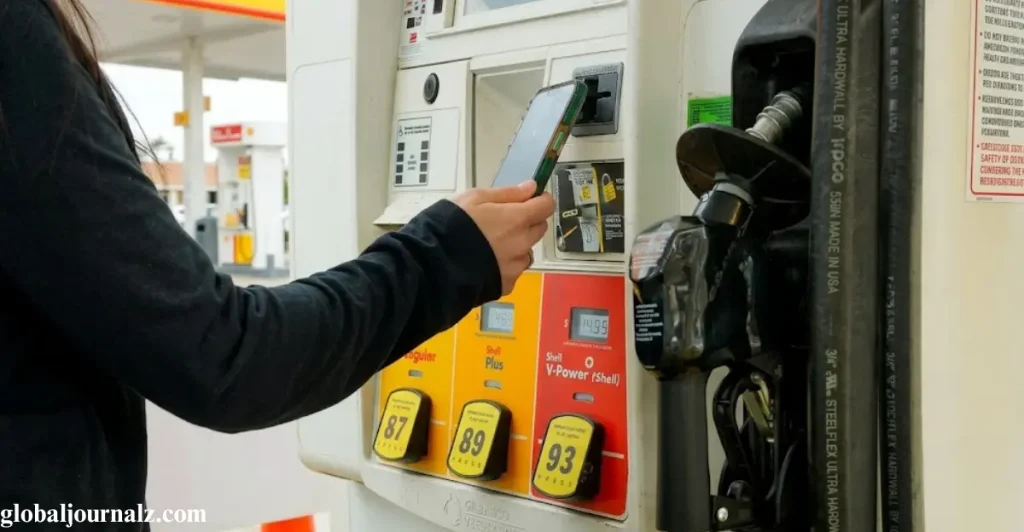
Iran conflict could influence oil prices because the Strait of Hormuz carries a significant share of global oil shipments. Any shipping disruption or shipping restrictions may delay international energy shipments and increase transportation costs. As regional tensions rise traders may react to reports of attacks by adjusting expectations across global oil markets. Market uncertainty can drive oil price changes and threaten global energy security.
Simultaneously the scale of any military escalation will shape the wider economic impact on energy supplies and international oil trade. Disruptions to oil exports or energy infrastructure could reduce crude oil supply and push up fuel prices if demand remains strong. However successful diplomatic negotiations or a diplomatic settlement could improve maritime security and restore confidence in shipping routes.
What the Trump-Iran Conflict Means for Global Security

Trump-Iran conflict involving Donald Trump and Iran has implications for global security that extend beyond the Gulf region. Continued military exchanges could increase regional instability and place pressure on neighbouring countries seeking territorial protection and regional security. The Persian Gulf and the Strait of Hormuz are vital strategic waterways for commercial shipping and energy transportation.
Beyond immediate military concerns, the nuclear dispute and broader regional disagreements could influence Middle East security and international relations. Continued diplomatic communication and nuclear negotiations may create opportunities for conflict prevention and a diplomatic settlement. Stronger regional partnerships and government cooperation could also improve shipping security and protect international shipping lanes.
Pakistan’s Role in US-Iran Negotiations

Pakistan could support US-Iran negotiations by maintaining a diplomatic channel between Washington and Tehran when public disagreements limit direct contact. Through diplomatic mediation and backchannel diplomacy the country may help both governments exchange proposals and explore possible compromises without requiring immediate formal negotiations. Pakistan’s diplomacy could ease tensions and improve regional security.
On another front government representatives could use indirect negotiations and diplomatic communication to clarify negotiation terms and discuss possible security commitments. Progress would depend on mutual concessions and a willingness to balance national security with shared political priorities. Diplomatic engagement could overcome barriers and strengthen regional cooperation.
Key Developments to Watch in the Coming Weeks
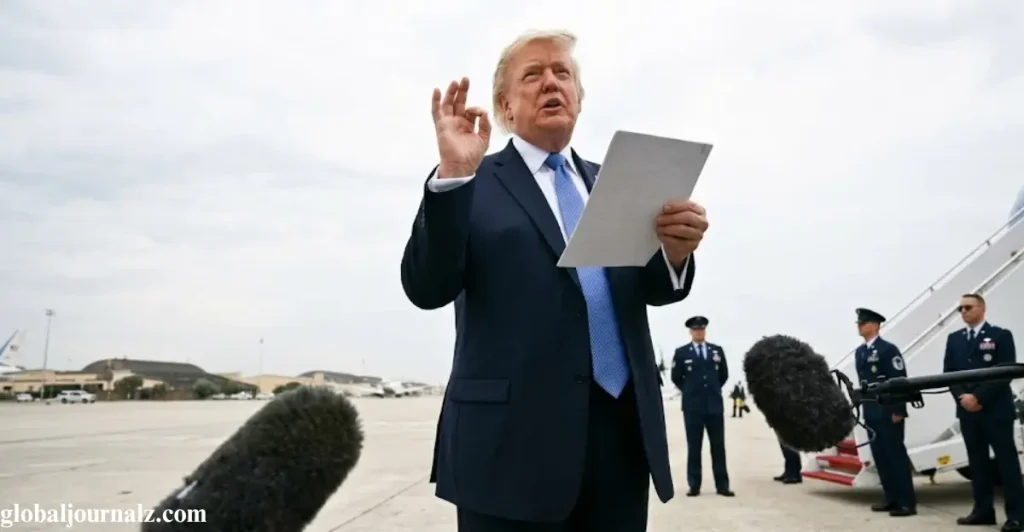
The coming weeks may bring important future developments in US-Iran relations as Washington and Tehran weigh competing strategic interests. Official statements and government announcements could reveal whether diplomatic negotiations are advancing or whether political uncertainty is deepening. Attention will also focus on the Strait of Hormuz where maritime security and international shipping remain essential to energy security.
In the meantime negotiation progress will depend on whether both governments can address the nuclear dispute and reach agreement on security commitments. Meaningful diplomatic engagement could create diplomatic opportunities for a political compromise or a broader diplomatic settlement. However retaliatory attacks and further military operations could increase regional instability and threaten energy infrastructure.
Conclusion
Achieving a lasting peace between these two nations requires addressing fundamental disagreements regarding the nuclear dispute. Meaningful diplomatic engagement offers the only viable path toward a stable political compromise or a broader settlement. However the persistent threat of retaliatory attacks and military actions continues to jeopardize any potential progress. The strategic importance of the Strait of Hormuz ensures that this conflict will directly impact international shipping and global energy security. Ultimately the decisions made by leaders in Washington and Tehran will shape the future landscape of Middle Eastern geopolitics. Monitoring official statements helps track whether diplomacy or escalation will follow.
Q1: What is the primary cause of conflict between the United States and Iran
The main source of tension involves decades of deep political disagreements regarding regional influence and national security interests. A major focal point is Iran’s nuclear program and the various economic sanctions imposed by Washington over the years. Maritime security disputes and regional rivalries continue to fuel tensions.
Q2: How does the US-Iran conflict affect global oil prices and energy markets
The ongoing tension significantly impacts energy markets because a large portion of the world’s petroleum supply travels through the Middle East. Any threat of military action near the Strait of Hormuz raises immediate fears of supply disruptions and shipping blockades. Supply fears unsettle investors and drive up global oil prices.
Q3: Can the United States and Iran reach a peaceful diplomatic settlement
Achieving a lasting peace agreement remains highly challenging but it is possible if both governments address their core security concerns. Meaningful diplomatic engagement requires mutual compromise on the nuclear dispute and a willingness to reduce provocative military actions. Despite political barriers formal communication remains open to prevent escalation.
Q4: Why is the Strait of Hormuz so important in this regional dispute
This narrow waterway serves as one of the most critical transit choke points for global energy transportation every single day. A massive percentage of total maritime oil shipments must pass through this specific channel to reach international consumers. Regional instability and retaliation threats can disrupt the global economy.
Q5: What role do neighboring countries like Pakistan play in US-Iran relations
Neighboring nations often find themselves managing the diplomatic and economic side effects of the ongoing friction nearby. Many countries in the region try to maintain balanced relationships with both Washington and Tehran to protect their own borders. They support dialogue and stability to protect trade and regional security.