 By Muhammad Bilal
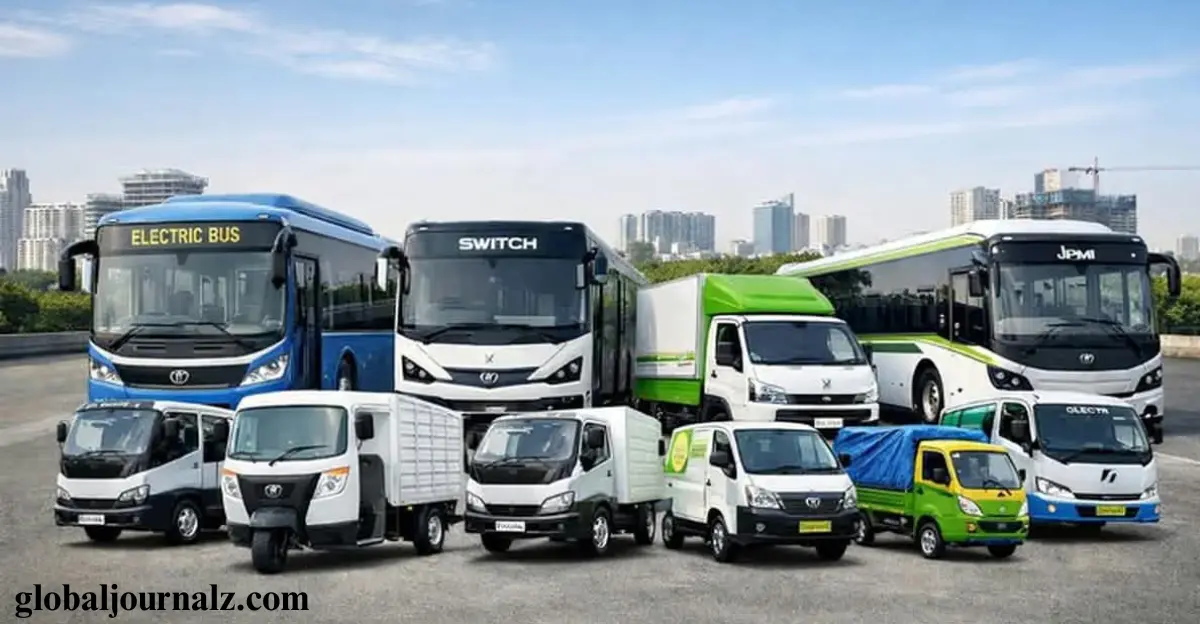
Electric trucks, buses and commercial vehicles are becoming an important part of the global shift toward cleaner transportation. Businesses and public transport operators are exploring electric vehicles to reduce fuel expenses, improve energy efficiency and lower emissions. Electric buses and delivery vans are also gaining attention as charging infrastructure and vehicle options expand.Explore the latest commercial EV trends and discover how electric vehicles are changing the future of transportation.
Table of Contents
1. Growing Demand for Electric Commercial Vehicles

Electric commercial vehicles are gaining popularity as businesses look for more efficient ways to transport goods and passengers. Delivery companies, logistics providers and public transport operators are increasingly considering electric trucks and vans for their daily operations. Their growing availability is also making electrification a more practical option for some commercial fleets.
The market has expanded significantly in recent years as manufacturers introduce more electric models for different transport needs. In 2025, global electric truck sales exceeded 400,000 units, while electric bus sales reached almost 70,000 units.These figures show that electrification is spreading beyond passenger cars into delivery services, freight transport and public mobility.
2. Electric Trucks Transforming Freight and Logistics
Electric trucks are changing the way businesses move goods between warehouses, distribution centers and retail stores. They are particularly useful for urban deliveries, regional transport and routes with predictable distances. Electric motors offer quiet operation and high energy efficiency, while regenerative braking helps recover energy during deceleration.
China is currently leading the global electric truck market, supported by domestic manufacturing and expanding charging and battery-swapping infrastructure. According to the IEA, electric truck sales in China more than doubled in 2025, with one in four trucks sold being electric. Europe and North America are also seeing growth, although adoption remains slower than in China.
3. Electric Buses Changing Public Transportation
Electric buses are becoming an important part of public transportation as cities look for ways to reduce urban air pollution and traffic noise. Unlike traditional diesel buses, battery-electric buses produce no tailpipe emissions while driving. They can operate on regular city routes and return to depots for charging between services.
Global electric bus sales reached almost 70,000 units in 2025, representing a 12% increase from the previous year. Governments and local transport authorities are supporting this transition through procurement programs, financial incentives and investment in charging facilities.
4. Benefits of Electric Commercial Vehicles
One of the main benefits of electric commercial vehicles is their potential to reduce operating expenses. Electricity can cost less than diesel or petrol per kilometer, depending on local energy prices and charging arrangements. Electric vehicles also have fewer moving parts in their drivetrains, which can reduce certain maintenance requirements.
Electric trucks and buses can also help reduce greenhouse gas emissions and improve local air quality. Their overall environmental benefits depend on how electricity is generated, battery production and vehicle use. Quieter operation can make them particularly useful in residential areas and busy city centers.
5. Challenges Facing Electric Trucks and Buses
Despite their advantages, electric commercial vehicles still face several challenges. Their upfront purchase prices are often higher than those of conventional diesel vehicles, which can create financial pressure for small businesses and fleet operators.These factors can affect how easily electric vehicles fit into existing transport operations.
Charging infrastructure and battery performance are other important considerations. Heavy trucks may require high-power charging facilities, while bus operators need reliable depot charging to maintain regular service. Companies must also consider electricity costs, vehicle range, charging time and access to technical support before investing.
6. Future of Electric Commercial Vehicles
The future of electric trucks, buses and commercial vehicles looks promising as manufacturers continue developing more efficient batteries and expanding their model ranges. The IEA projects that electric trucks could account for at least 20% of global truck sales by 2035 under current policies. This outlook suggests that electric freight transport may become increasingly common.
Further progress will depend on investment in charging networks, supportive government policies and practical solutions for long-distance transport. Businesses will also need to evaluate their routes, vehicle requirements and charging opportunities before switching their fleets. As these barriers are addressed, commercial electrification could play a larger role in the global transportation industry.
Conclusion
Electric trucks, buses and commercial vehicles are transforming how goods and passengers move around the world.Growing demand reflects the search for lower operating costs and cleaner transportation options.Electric trucks are expanding in freight and logistics, while electric buses are changing public transport systems.However, high purchase prices, charging access and vehicle range remain important challenges.Better battery technology and wider charging networks could make electric fleets more practical for businesses.Government support and investment will also influence how quickly commercial EV adoption increases.As technology develops, more companies may consider electric vehicles for their daily transportation needs.
Explore the latest electric vehicle trends and discover how commercial EVs are shaping the future of mobility.
1. Why Are Electric Commercial Vehicles Becoming Popular?
Electric commercial vehicles can help businesses reduce fuel expenses and certain maintenance costs. They also produce no tailpipe emissions while driving, making them useful for cleaner urban transport. Improvements in battery technology are increasing their practicality for commercial operations.
2. Which Country Leads Electric Truck Adoption?
China leads the global electric truck market, supported by domestic manufacturers and expanding charging infrastructure. Electric truck sales grew rapidly there in 2025. Europe and North America are also developing their markets.
3. Are Electric Buses Better for Public Transportation?
Electric buses can reduce tailpipe emissions and noise on urban routes. They are especially practical when operators have reliable depot charging and predictable schedules. Their overall benefits depend on purchase costs, electricity sources and operating requirements.
4. What Challenges Affect Electric Truck Adoption?
High upfront prices, charging infrastructure and driving range remain major challenges for electric trucks. Battery weight can also affect cargo capacity on some models. Businesses must evaluate these factors before replacing diesel vehicles.
5. Can Electric Commercial Vehicles Save Businesses Money?
Electric commercial vehicles may reduce energy and maintenance costs over time. Actual savings depend on electricity prices, vehicle purchase costs, annual mileage and charging arrangements. Businesses should compare total ownership costs before making a decision.
6. What Is the Future of Electric Commercial Vehicles?
Electric commercial vehicles are expected to become more common as batteries improve and charging networks expand. Government policies and fleet investment will influence the pace of adoption. Delivery vans and city buses may transition faster than some long-distance freight trucks.