 By Muhammad Bilal
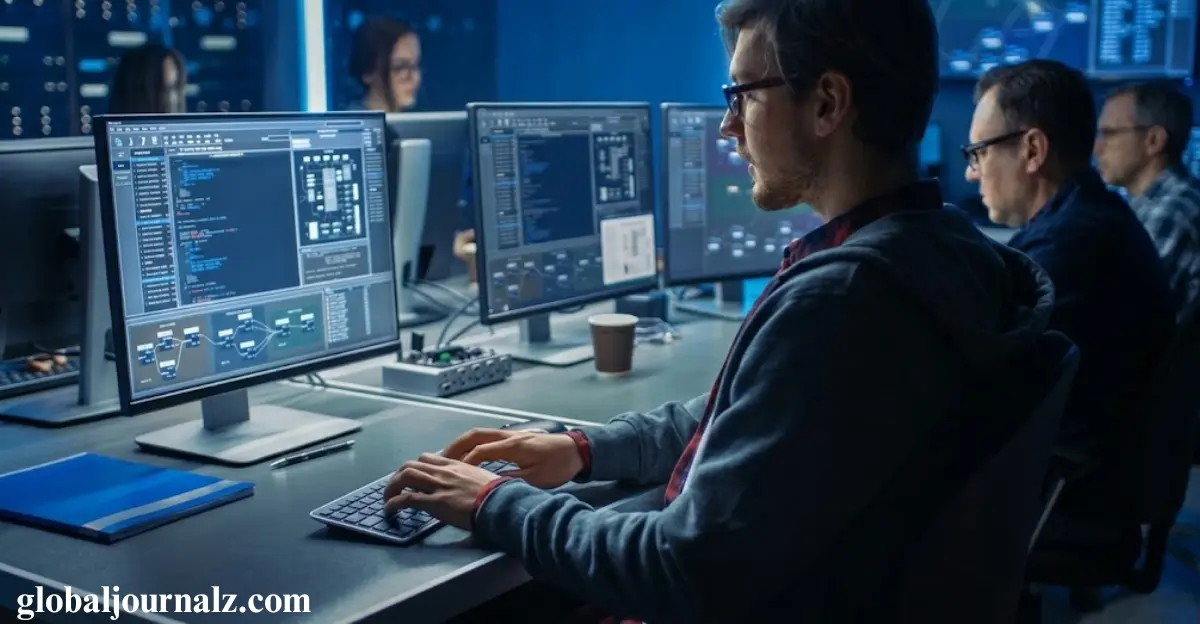
Computer technology makes everyday tasks faster, easier and more efficient. What Is Computer Technology. A Complete Beginner’s Guide explains its basic concepts and importance.This article covers computer components uses and benefits. It also explores computer technology in education, business communication and future innovations.Read this beginner friendly guide to understand computer technology and its applications.
Table of Contents
What Is a Computer and How Does It Work?
A computer is an electronic device that receives input, processes data, stores information and produces output according to specific instructions. It performs calculations, helps manage information and completes different tasks. People use computers for the internet preparing documents, communicating and solving problems in their everyday activities quickly and efficiently.
The four basic operations include input, processing, storage and output. For example, a spreadsheet processes numbers to display calculated results. The Central Processing Unit (CPU) executes instructions and manages important operations. In my understanding of computer systems these functions explain how computers convert raw data into useful information.
Main Components of a Computer: Hardware and Software

Computer hardware consists of physical parts that users can see and touch. These include the CPU storage devices, keyboard mouse monitor and printer. The CPU processes instructions and performs essential operations. RAM temporarily holds data needed for active tasks. HDDs and SSDs store files and programs for future use. These components help users manage information and perform computer tasks efficiently.
Computer software includes programs that guide hardware in performing specific tasks. System software includes Windows macOS, and Linux which manage hardware and system resources. Application software supports writing documents, browsing websites, editing videos and managing accounts. Hardware and software work together to perform computer functions and make computers useful.
Different Types and Generations of Computers

Computers come in different types according to their size, performance and purpose. Personal computers including desktops and laptops are common in homes and offices. Workstations support demanding tasks such as engineering and graphic design, while supercomputers perform complex scientific calculations. Servers provide network services and mobile computers include smartphones and tablets.
Computer technology has developed through five generations over time. The first generation used vacuum tubes while the second introduced transistors for better reliability. The third generation introduced integrated circuits to improve computer performance. The fourth generation used microprocessors making personal computers more accessible. The fifth generation focuses on artificial intelligence, machine learning and advanced robotics.
Advantages and Disadvantages of Computers

Computers offer several advantages including speed accuracy, storage capacity automation and connectivity. They process data quickly and support information storage for future use. Automation helps users complete repetitive tasks with greater efficiency while internet connectivity improves communication and information sharing. These benefits support education, business, research and everyday life.
However, computer disadvantages include cybersecurity threats, data privacy concerns, and excessive screen time, which can create user problems. Automation may also affect certain job roles, making digital skills increasingly important. Using strong passwords, installing security updates and taking regular screen breaks can reduce cyber risks. In practical computer use these simple habits help people work more safely.
Importance of Computers in Everyday Life and Different Industries

Computers play an important role in everyday life and many industries, including education, business banking and entertainment. Students use them for online learning, research, assignments and virtual classrooms. Businesses depend on computers for accounting, marketing, communication and data analysis while computer systems support patient records, appointments, diagnostic information,and medical research.
In banking, computers manage online transactions, ATMs account management and security systems. They also support video games, movie production and streaming platforms. Computers help with organizing information and faster decision-making across different fields. From an educational perspective digital literacy helps students and professionals use technology to improve productivity and information management.
Computer Technology, Security, and Future Trends

Modern computers use technologies such as the binary system, which represents data through zeros and ones. They process data into meaningful information and connect through interconnected systems and the internet. Computer security tools including antivirus software, firewalls encryption and two-factor authentication, protect devices and sensitive information. Safe digital habits help users reduce cyber risks.
The future computing landscape includes artificial intelligence, quantum computing, cloud computing, edge computing, and the Internet of Things (IoT). These technologies improve processing information, connect connected devices, and support complex tasks. Quantum technology is developing as a way to address certain problems beyond the practical capabilities of conventional computers.
Conclusion
Computer technology has become an essential part of modern life. It helps people complete tasks quickly and manage information efficiently. Understanding computer hardware and software explains how computers perform different functions. Computer technology also supports education, business healthcare and communication. Its continuous development introduces new tools and improves digital experiences. Learning its basics helps beginners use computers more confidently and effectively. Explore computer technology to understand its benefits and prepare for a technology-driven future.
What Is Computer Technology?
Computer technology refers to the use of computers to process, store, and manage information. It combines hardware and software to perform different tasks efficiently. It helps people solve problems and complete everyday activities more easily.
How Are the Main Components of Computer Technology?
The main components include hardware, software and data processing systems. Hardware consists of physical parts while software provides instructions for tasks. Together, these components allow computers to perform different functions.
Can There be Common Types of Computer Technology?
Common types include desktop computers, laptops, tablets and supercomputers. Each type is designed for specific tasks and user needs. They are used in homes, schools, offices, and scientific research.
When Is Computer Technology Used in Everyday Life?
Computer technology supports communication, education, business and entertainment. People use computers to browse the internet, prepare documents and access information. It also helps businesses manage data and improve productivity.
Where Are the Benefits of Computer Technology?
Computer technology helps people save time and complete tasks more accurately. It improves communication, information sharing and access to educational resources. It also supports innovation and creates new opportunities across different industries.