 By Muhammad Bilal
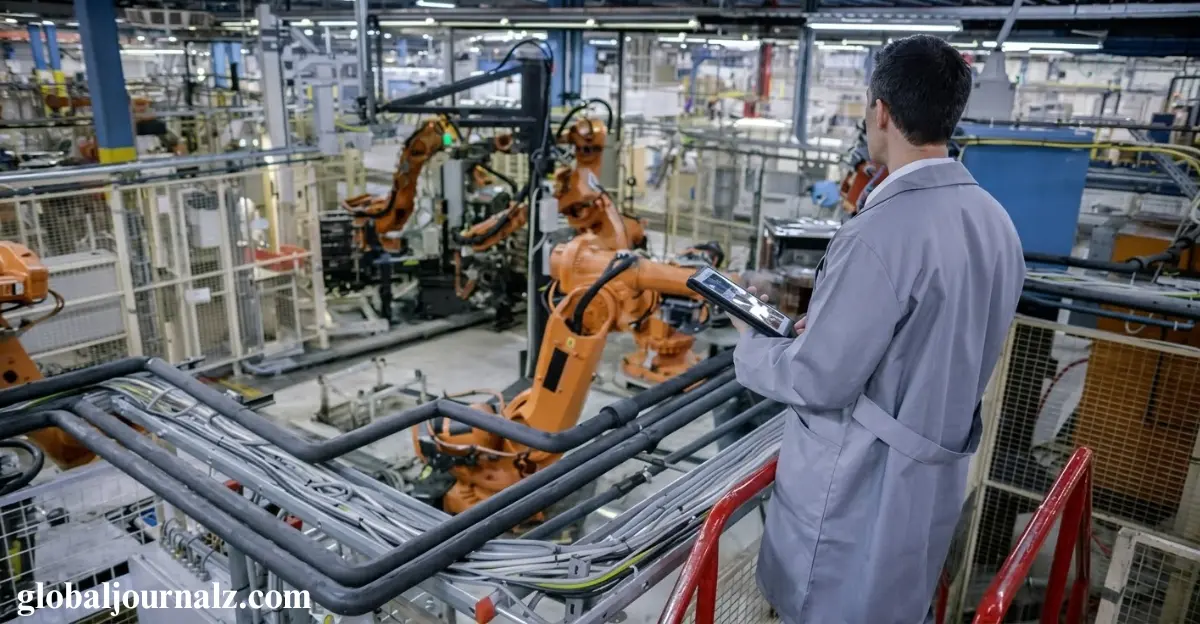
Artificial intelligence is changing how people work, complete tasks, and build their careers. How AI Is Changing Jobs and the Future of Work explores these major workplace changes. This article explains AI’s impact on jobs early-career workers AI skills and employee expectations. It also highlights leadership career development and future opportunities. Keep reading to understand how AI is shaping the modern workplace and the future of work.
Table of Contents
How AI Is Changing the Future of Work

Artificial intelligence is changing how employees complete daily tasks. AI tools can improve productivity, research, communication, and decision-making. Many organizations are adopting AI to make work faster and more efficient. This shift is creating new ways for people and technology to work together.
AI is also changing the content of many existing jobs. Employees may spend less time on repetitive tasks and more on strategic work. Digital skills and AI proficiency are becoming increasingly important for workers. Organizations must help employees adapt through continuous learning.
How AI Is Affecting Early-Career Jobs and Employees

Early-career employees are experiencing major changes because of AI automation. Some companies are reducing routine entry-level tasks through artificial intelligence. This can make starting opportunities more competitive for young professionals.However, organizations still need new talent for future growth and leadership.
Employee mobility among early-career workers has also changed recently. Fewer new employees are planning to leave their jobs than before. However, this does not necessarily mean their workplace experience has improved. Companies should focus on coaching, career development, and skill building.
Why AI Skills Are Increasing Employee Opportunities and Flight Risk

AI proficiency is becoming important for employee growth and workplace engagement. Workers who use advanced AI tools can become more productive and confident. Their technical skills may also increase their value in the labor market.This creates new career opportunities across many technology-driven industries.
Highly skilled AI employees can also become difficult to retain. They may receive better offers from companies seeking advanced AI talent. Employers should provide competitive rewards, flexibility, and development opportunities. Strong engagement strategies can help organizations retain valuable employees.
What Employees Still Value in the AI-Powered Workplace
AI is transforming work, but employee expectations remain largely consistent. Meaningful work, career growth, flexibility and supportive coworkers remain important. Employees also value recognition, fair rewards and opportunities to develop skills. Technology has changed work without completely changing these fundamental priorities.
Leadership quality is becoming increasingly important in modern workplaces. Employees may leave because of poor leadership or limited career development. Workplace flexibility remains valuable, although its importance has changed over time. A strong employee experience requires both technology and human support.
Key Leadership Priorities for the Future of Work
Organizations need effective leadership to manage AI-driven workplace changes. Managers should provide clear direction, support and development opportunities.AI training can help employees build confidence with emerging workplace technologies. Strong leadership can improve adaptation, productivity, and employee engagement.
Companies should also rethink early-career development for long-term workforce growth. Coaching, skill development, and career planning can build future-ready employees. Organizations should also create retention plans for highly skilled AI professionals. Balancing innovation with employee needs can strengthen the future of work.
Conclusion
Artificial intelligence is transforming jobs and shaping the future of work. It is helping businesses improve productivity and simplify daily tasks. However, AI also creates challenges for entry-level workers and employees. Developing AI skills and digital knowledge can open new career opportunities. Organizations must support employees through training and career development. Strong leadership and workplace flexibility remain essential for employee satisfaction. Balancing AI innovation with human skills will help build a successful future of work.
How Is Artificial Intelligence Changing Jobs?
AI automates repetitive tasks and improves workplace productivity.It helps employees complete work faster and more efficiently.It is also creating new roles and changing existing careers.
What Skills Will Employees Need in the AI-Powered Workplace?
Employees will need digital literacy and AI proficiency. Problem-solving, creativity, and communication will remain important. Continuous learning will help workers adapt to new technologies.
Can AI Create New Career Opportunities?
Yes, AI is creating opportunities in technology and automation. Businesses need professionals who can develop and manage AI tools. Learning relevant skills can help workers access emerging careers.
How Does AI Affect Entry-Level Jobs?
AI can automate routine tasks traditionally performed by beginners. This may reduce some entry-level opportunities in certain industries. Training and practical experience can help young workers adapt.
What Is the Future of Work With Artificial Intelligence?
The future of work will combine human skills with AI technology. Employees may focus more on creative and strategic responsibilities. Organizations must support training, flexibility, and career development.