 By Muhammad Bilal
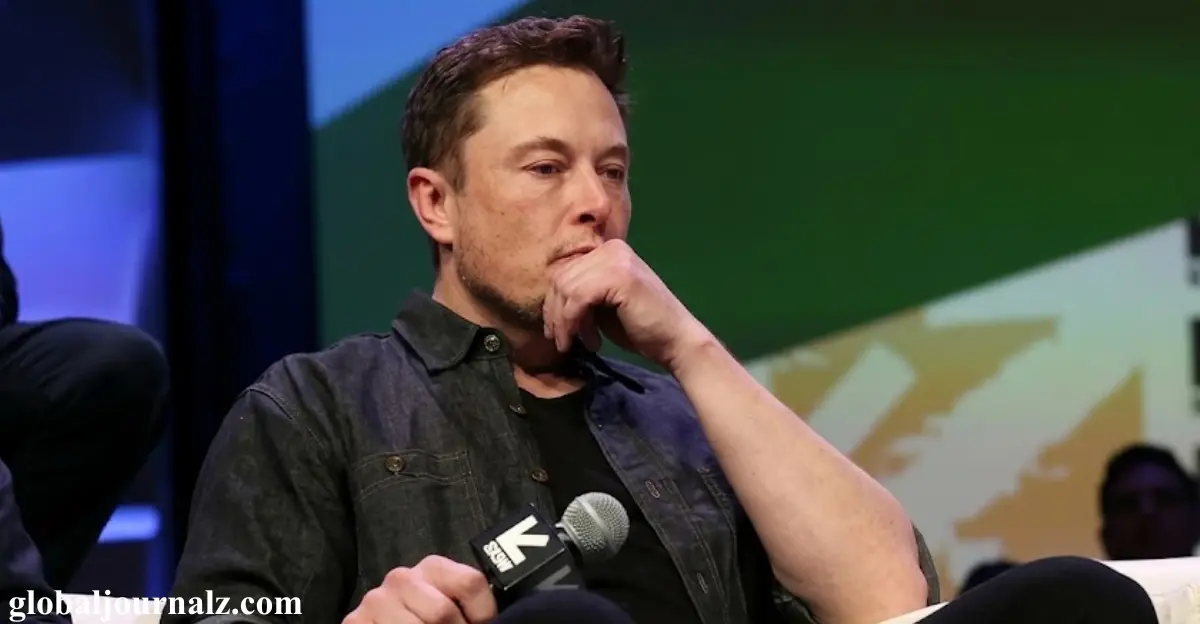
Elon Musk’s journey to success was far from easy marked by financial struggles, failed launches and business setbacks. Before building influential companies like Tesla and SpaceX he faced challenges that tested his ambitions and determination. From rocket launch failures to production crises his path was filled with risks. These setbacks became defining chapters in his entrepreneurial journey and shaped his approach to innovation. Explore Elon Musk’s biggest failures and challenges behind his rise to global prominence.
Table of Contents
1. Losing Control Of Zip2 And PayPal

Elon Musk experienced early leadership challenges during his journey with Zip2 and X.com. In 1999 Compaq acquired Zip2 for approximately $307 million giving Musk significant financial returns but ending his direct role in the company. Later X.com merged with Confinity to form PayPal creating internal disagreements over product direction and management. These developments showed how investors and boards can influence leadership decisions.
Musk became PayPal’s CEO in 2000 but was replaced by the board while he was away. Despite losing the position he remained a major shareholder when eBay acquired PayPal in 2002 for approximately $1.5 billion in stock. The experience highlighted the difference between company ownership and executive control. It also exposed the challenges of managing internal disputes while building a growing technology business.
2. Tesla’s Production Chaos

Tesla faced major manufacturing challenges as it expanded production of the Roadster and Model X. Production delays, rising costs and supplier problems created pressure on the company’s finances and delivery schedules. The Model X’s complex falcon-wing doors and advanced technology added engineering difficulties. These issues demonstrated how ambitious designs can complicate large-scale automotive manufacturing.
Manufacturing delays also affected customer expectations and Tesla’s ability to meet deadlines. The company had to manage customer deposits, additional costs and production bottlenecks while improving factory efficiency. Battery supply and engineering challenges made the process more demanding. These setbacks pushed Tesla to refine its manufacturing methods and balance innovation with practical production requirements.
3. SpaceX And The Three Explosions
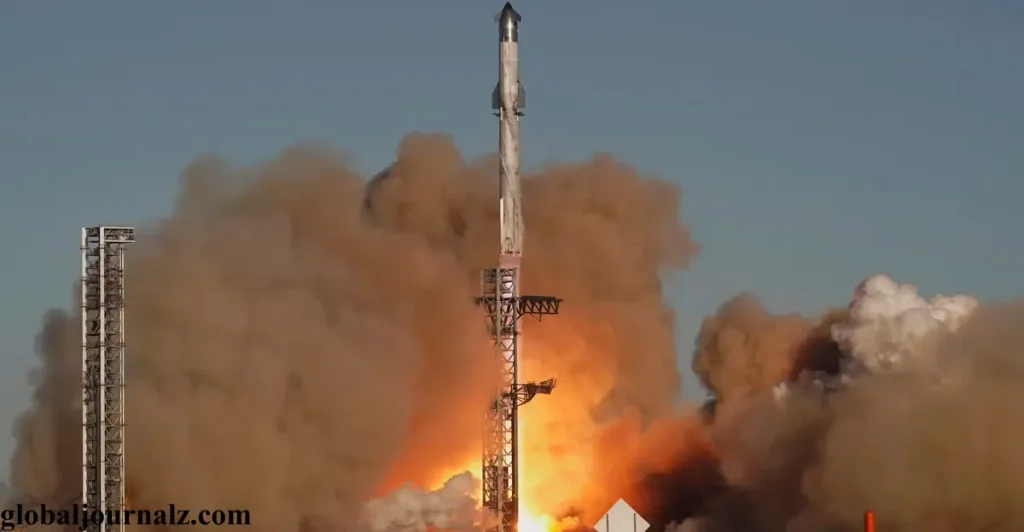
SpaceX experienced several major setbacks during its early Falcon 1 launch attempts. The first three launches between 2006 and 2008 failed to reach orbit resulting in significant financial pressure and concerns about the company’s survival. Elon Musk invested substantial personal resources while SpaceX worked to resolve technical problems. These failures tested the company’s ability to continue developing its rocket technology.
The fourth Falcon 1 launch succeeded in September 2008 and became a turning point for SpaceX. Engineers used data analysis from previous failures to identify problems and improve rocket performance. Later programs including Starship also faced technical setbacks and test-flight failures. SpaceX has continued using testing results to refine designs and develop more advanced launch systems.
4. The Dojo Supercomputer Shutdown
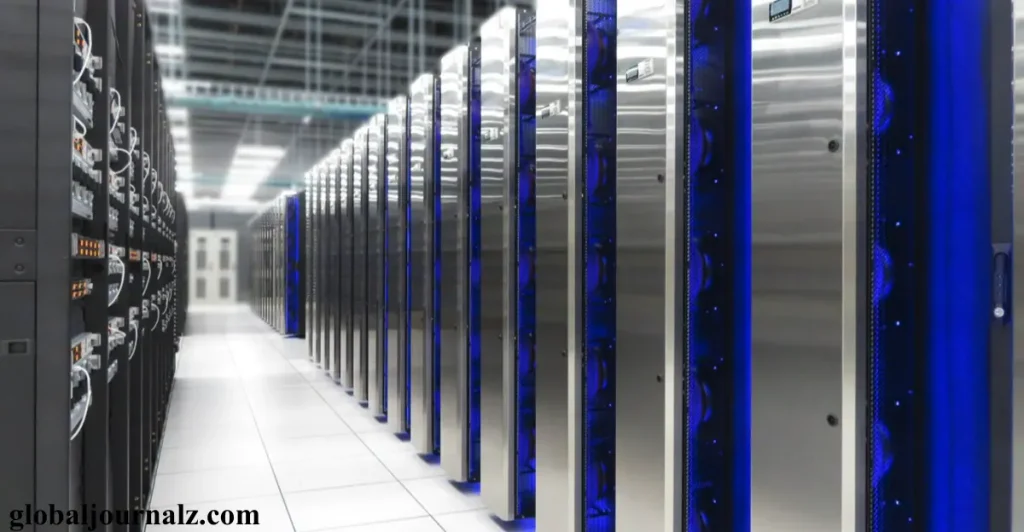
Tesla developed Dojo as an AI supercomputer project designed to process video data and train systems for autonomous driving. Its custom D1 chips were intended to provide substantial computing power for Tesla’s self-driving technology. The project required heavy investment in specialized hardware, software and engineering talent. However developing a competitive AI training system presented significant technical and financial challenges.
Tesla later shifted its computing strategy and discontinued much of the Dojo program in 2025. The change reflected the growing importance of external computing partners and established providers such as Nvidia. Reports also highlighted talent departures and questions about the project’s long-term direction. The shutdown illustrated the risks of building specialized technology when costs, timelines and strategic priorities change.
Conclusion
Elon Musk’s early business struggles show that building ambitious companies often involves uncertainty, difficult choices and costly mistakes. From setbacks at SpaceX to Tesla’s production challenges these experiences tested his leadership and business strategies. Not every decision led to success but several difficult periods became important turning points for his companies. His story also highlights the financial and personal pressures that can accompany high-risk entrepreneurship. However setbacks alone do not guarantee success; planning, adaptation and effective execution remain essential. Understanding these challenges offers a more realistic picture of the journey behind Musk’s business empire.
1. What were the biggest challenges Elon Musk faced before becoming successful?
Elon Musk faced financial pressure, business disagreements, rocket launch failures and production delays. These setbacks affected his companies and forced him to make difficult decisions while pursuing ambitious goals.
2. Did Elon Musk ever lose his leadership position in a company?
Yes, Musk was removed as CEO of PayPal in 2000 following internal leadership disagreements. He remained a major shareholder and the company’s acquisition by eBay in 2002 brought him substantial financial returns.
3. How close did SpaceX come to failing in its early years?
SpaceX experienced three consecutive Falcon 1 launch failures before its fourth launch succeeded in September 2008. The repeated setbacks placed considerable pressure on the company’s finances and its future plans.
4. Why did Tesla struggle during its early development?
Tesla faced manufacturing difficulties, rising costs and delays as it worked to develop and produce electric vehicles. The challenges made it difficult to increase production while keeping the business financially stable.