 By Muhammad Bilal
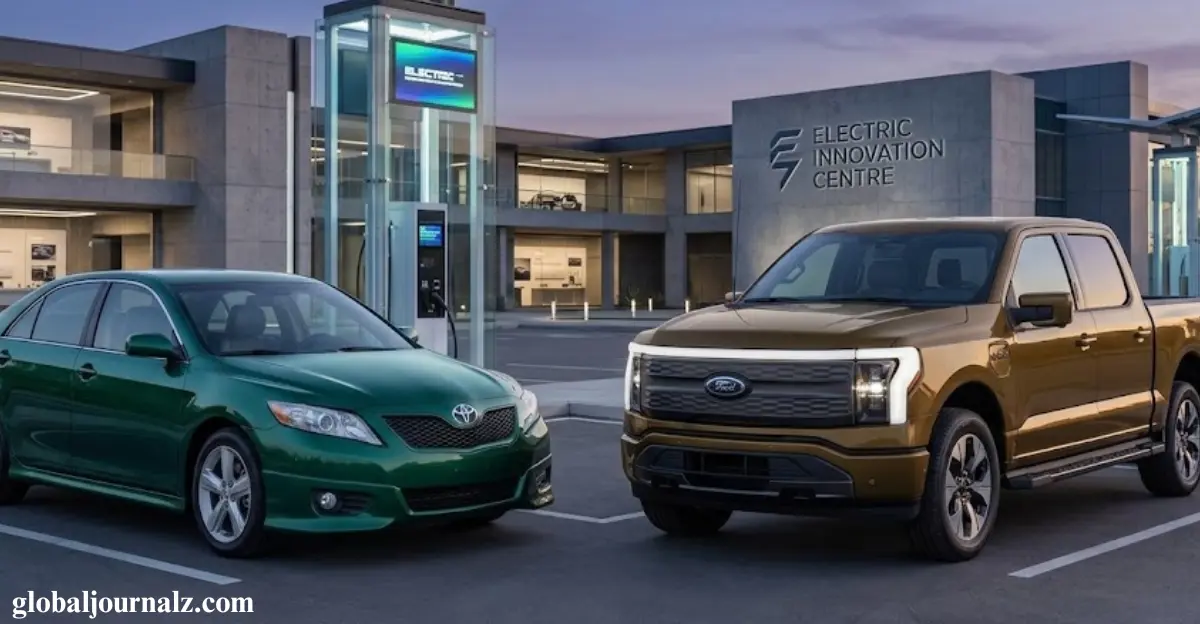
The automotive industry is undergoing a major shift as more drivers transition from gas to electric vehicles. Modern technology has made electric cars highly practical for both long family trips and daily work commutes. Leading brands are rapidly expanding their lineups to include premium sedans and versatile sport utility vehicles. This growing diversity gives consumers an incredible range of choices to fit their personal lifestyle.
Table of Contents
Electric cars vs. gas cars: Cost
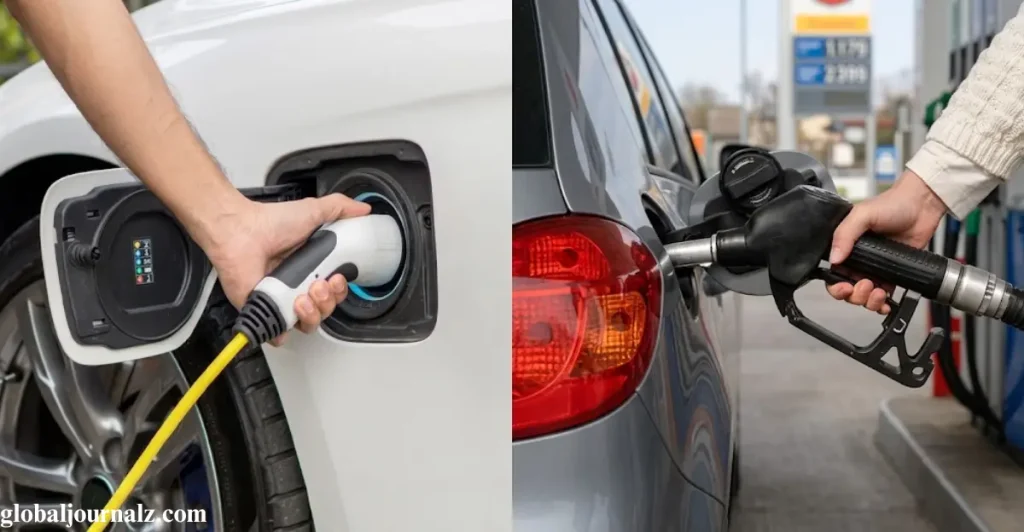
Choosing between electric vehicles and gasoline-powered vehicles involves more than the purchase price. Although electric cars may have higher upfront costs their lower maintenance costs and fuel costs can reduce the total cost of ownership. A Consumer Reports study highlights potential electric vehicle savings through lower running expenses. These benefits can improve electric car affordability over time.
Meanwhile gas cars may have a lower car purchase price but often involve higher gasoline expenses and recurring repair bills. A detailed vehicle cost analysis compares electric vehicle ownership costs with gasoline-powered counterparts to reveal possible long-term savings. Buyers should consider fuel consumption and car maintenance expenses when planning their vehicle budget.
Electric cars vs. gas cars: Fuel cost
Switching to electric cars can lower everyday fuel costs because electricity often costs less than gasoline per mile. Charging costs depend on local electricity prices and the vehicle’s energy efficiency. For many electric vehicle owners home charging offers convenient access to lower fuel costs and more predictable energy expenses. These savings make electric driving more affordable.
Additionally gas cars face changing gasoline prices that can increase annual fuel expenses and overall vehicle operating costs. A Department of Energy study discussed potential fuel savings from electric driving with some estimates suggesting $15,000 in savings over a 15-year period, depending on the vehicle and usage. Using a public charger or charging at home affects total charging costs and overall electric vehicle fuel costs.
Electric cars vs. gas cars: Maintenance costs
Unlike gas cars electric cars have fewer mechanical parts which can simplify vehicle maintenance and reduce routine servicing. With no gasoline engines or engine oil to replace electric vehicles avoid regular oil change expenses. Their regenerative braking system also helps reduce brake wear and may extend brake pad lifespan. These features can lower EV maintenance needs and support long-term savings.
Comparison: Gas-powered vehicles often require more frequent routine servicing and automotive repair costs can rise as components wear. Although electric car maintenance still includes tire care and vehicle inspection battery checks and other scheduled tasks remain important. Actual maintenance costs depend on driving habits and road conditions as well as the local climate.
Government incentives for purchasing an electric car
Buying an electric vehicle may become more affordable through government incentives and tax credits that reduce the upfront purchase price. Depending on current government policies some buyers may qualify for a $7,500 incentive or a $3,750 incentive under specific programs. These financial benefits depend on eligible vehicles and eligibility requirements. Checking EV tax credits before purchasing an electric vehicle helps shoppers understand potential savings.
However electric vehicle buyers must review buyer qualifications and tax credit eligibility before making a decision. The Edmunds guide and an electric vehicle tax credit guide can help explain available rebate programs and vehicle eligibility rules. Since government subsidies and electric car rebates may change with updated rules and regulations buyers should confirm current details before completing a car purchase.
Electric cars vs. gas cars: Emissions
Contrary to gas cars electric vehicles produce zero tailpipe emissions during daily driving which helps reduce air pollution and improve local air quality. However their environmental impact also depends on electricity generation and EV batteries. When power comes from renewable energy or carbon-neutral electricity the overall carbon footprint can fall further. This makes electric mobility an important part of sustainable transportation.
Furthermore gas-powered vehicles release greenhouse gas emissions through gasoline combustion and vehicle exhaust. The Environmental Protection Agency explains how transportation contributes to climate pollution while the American Lung Association highlights links between air pollution and public health. Cleaner power can strengthen emission reduction and support environmental sustainability.
Driving electric cars vs. gas cars
The driving experience in electric cars feels different because an electric motor delivers instant torque and smooth acceleration without a conventional multi-gear setup. Models like the Tesla Model S Plaid and Hyundai Ioniq 5 show how electric car performance can combine quick responses with quiet driving. This electric powertrain also improves driving comfort by reducing engine noise during everyday journeys.
Simultaneously gas cars rely on a conventional engine and transmission system to manage speed and power. Many electric vehicles use regenerative braking to recover braking energy and return it to the battery which supports energy efficiency. With one-pedal driving drivers can often control acceleration and deceleration through the accelerator alone. This feature makes stop-and-go traffic smoother and adds convenience to the EV driving experience.
Electric cars vs. gas cars: Convenience
Concerning everyday vehicle convenience electric cars offer home charging that lets drivers replenish the battery overnight without visiting fuel stations. Many electric vehicles now provide over 300 miles of range which supports daily driving and longer journeys. Expanding charging infrastructure across North America is improving charging accessibility and making electric car travel easier. Still travel planning matters when routes have limited public chargers.
On longer journeys DC fast-charging stations can reduce waiting time through fast-charging technology and improved charging speed. For example the Kia EV9 features 800-volt charging architecture that can support a 10% to 80% charging session in around 25 minutes under suitable conditions. Unlike gas cars which offer quick gasoline refueling EV drivers must consider charging station availability and charging duration.
Electric cars vs. gas cars: Storage
Including a traditional engine or bulky transmission many electric cars offer flexible interior space and improved legroom. Smart battery placement beneath the vehicle floor creates a flatter cabin and supports better passenger comfort. Models such as the Genesis GV60 and BMW iX demonstrate how electric vehicle design can improve cabin space and everyday storage capacity. Some models also feature a frunk for extra front storage.
Beyond the cabin the Rivian R1T offers a useful gear tunnel while the Ford F-150 Lightning provides practical truck storage for tools and travel gear. These electric vehicles use creative vehicle layouts to make room for storage compartments and flexible cargo space. Although gas cars may rely on a conventional engine compartment for mechanical parts many EV designs offer additional storage solutions.
Electric trucks vs. gas trucks: Towing
Modern electric pickup trucks deliver strong towing capacity because their electric motor torque provides immediate pulling power. Models like the Ford F-150 Lightning and Rivian R1T demonstrate impressive truck performance for everyday hauling and shorter trips. However towing heavy loads increases battery consumption and can cause a significant range reduction depending on trailer weight and road conditions.
By comparison gasoline pickup trucks offer quick gasoline refueling which can make long-distance towing more convenient in areas with limited chargers. An Edmunds test of the Ford F-150 Lightning highlighted how towing can reduce driving range by around 26% under certain conditions. Although electric trucks provide strong towing capability owners must plan charging stops and check charging infrastructure along their route.
Electric cars vs. gas cars: Variety
Today’s automotive market offers a growing vehicle selection for drivers interested in electric cars. Buyers can explore electric SUVs for family travel and electric sedans for daily commuting. Models such as the Tesla Model 3 and BMW i5 show how luxury manufacturers are expanding electric vehicle models across different price levels. This growing vehicle diversity gives shoppers more flexibility when comparing car buying options.
During this time gas cars still provide a broad range of vehicle body styles through established car manufacturers. However the expanding EV market continues to introduce new electric vehicles, including more electric truck options and mainstream electric vehicles. As automotive innovation advances manufacturer competition is creating more options and improving electric car affordability for different vehicle preferences.
Conclusion
The automotive market is evolving rapidly with electric vehicles becoming a highly practical choice for everyday drivers. While traditional gas cars still provide many body styles the expanding selection of electric trucks and affordable models is changing the industry. Increased competition among global manufacturers will continue to drive down prices and make cleaner transportation accessible to everyone. Ultimate financial benefits along with improved convenience and lower long-term maintenance costs make electric options highly attractive. Choosing an electric vehicle represents a smart, forward-looking decision that aligns perfectly with modern transportation trends.
Q1. Are electric cars cheaper to maintain than gas cars?
Electric vehicles are significantly cheaper to maintain because they have fewer moving parts that can wear out over time. They do not require regular oil changes or spark plug replacements which saves owners a lot of money annually. The brake pads also last much longer due to regenerative braking systems that slow the vehicle down naturally.
Q2. How long does it take to fully charge an electric car?
The charging time depends entirely on the type of charger you use at home or public stations. A standard home outlet can take over twenty hours while a dedicated wall box charger completes the job overnight. Public fast chargers are the quickest option because they can boost the battery to eighty percent in under thirty minutes.
Q3. Do electric car batteries last a long time before needing replacement?
Modern electric vehicle batteries are designed to endure for many years and typically cover over one hundred thousand miles. Most manufacturers offer extensive warranties that protect buyers against major battery degradation for nearly a decade. Regular daily use and proper charging habits ensure the battery remains highly efficient throughout its lifespan.
Q4. Can electric cars travel as far as traditional gas vehicles?
Many new electric models can travel over three hundred miles on a single full charge which is ideal for road trips. While some gas vehicles still offer a longer total driving range the gap is closing very rapidly every year. The growing network of highway charging stations makes long-distance travel simple and stress-free for drivers.
Q5. Are electric vehicles truly better for the environment than gas cars?
Electric vehicles produce zero tailpipe emissions which greatly reduces urban air pollution and improves overall public health. Even when accounting for electricity generation plants they generate a much smaller carbon footprint over their entire lifespan. Driving an electric model is a highly effective way for individuals to lower their personal environmental impact.
 admin