 By admin
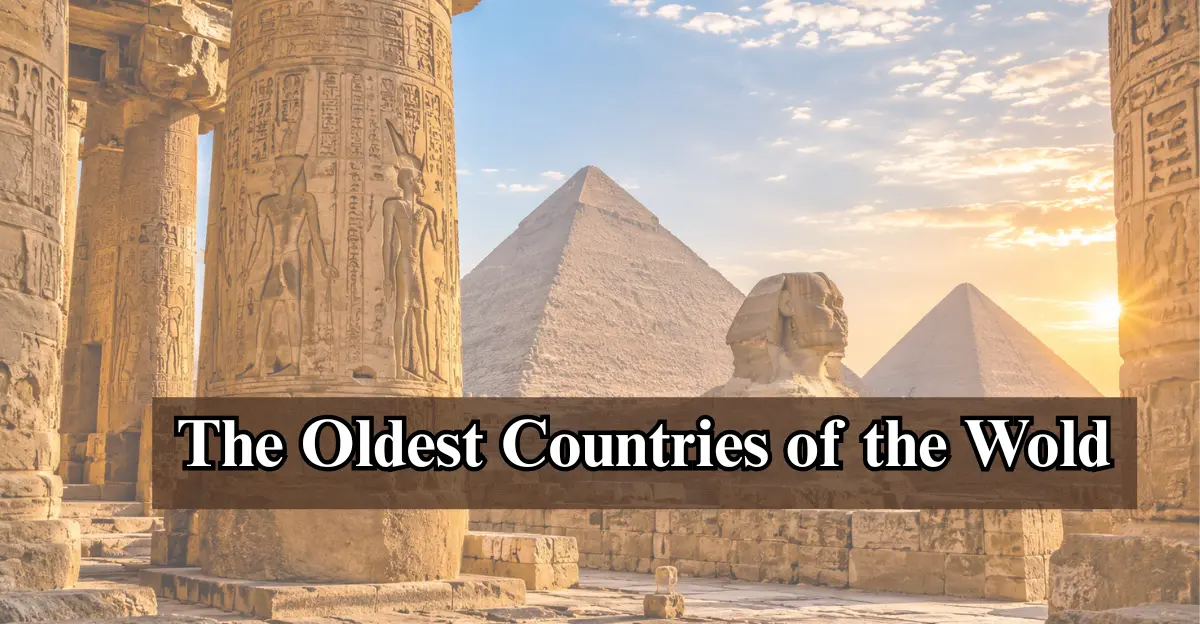
The oldest countries in the world have fascinating histories shaped by ancient civilizations cultural traditions and centuries of change. Some have maintained a continuous national identity for thousands of years while others trace their roots to early kingdoms and settlements. Exploring these countries reveals how societies developed how borders evolved and how historic traditions continue to influence modern life. Discover the remarkable stories behind some of the world’s oldest nations and their lasting contributions to history.
Table of Contents
Iran
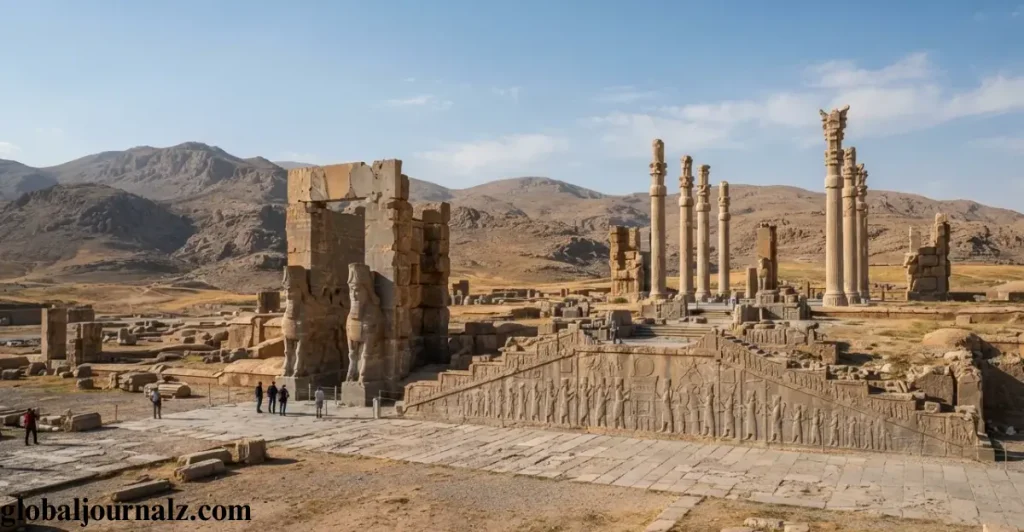
Iran is a country in the Middle East with a long history connecting Persian culture, art, science and philosophy. Its cultural influence has extended across neighbouring regions and into Central Asia, making it an important part of the history of the wider region.
The country’s heritage includes ancient cities, historical monuments, literature and traditions passed down through generations. These cultural achievements reflect the influence of many communities and ruling dynasties that shaped Iran over thousands of years.
Iran’s history reaches back to some of the oldest civilizations in the world. Its ancient past and continuing cultural traditions have helped shape its identity, while Persian language and cultural practices remain important parts of its heritage.
What Is the Origin of Iran’s Civilization?
The early history of Iran includes the Elamites, an ancient people whose civilization developed in the southwestern part of the Iranian plateau. Archaeological evidence from around 3200 BCE shows the emergence of Proto-Elamite writing and organised cultural activity in the region.
The Elamites established important centres, including Susa, and developed distinctive artistic and administrative traditions. Their civilization interacted with neighbouring societies in Mesopotamia, contributing to a complex network of cultural and political exchange in the ancient world.
Over time, the region became associated with ancient Persia and later powerful Persian empires. These developments helped establish Iran’s place among the world’s oldest civilizations, with a history shaped by successive peoples, kingdoms and cultural influences.
How Has Iran’s History Shaped Its Traditions?
Iran’s traditions reflect the influence of countless dynasties and changing political and religious eras. From ancient Persian kingdoms to later Islamic periods, each era contributed to the country’s architecture, literature, celebrations and social customs.
The establishment of the 1979 Islamic Republic marked a major political transformation in modern Iran. Although the country’s government and institutions changed, many cultural practices continued to draw on older Persian and regional traditions.
Today, Persian culture remains visible in language, poetry, music, crafts and traditional celebrations. These enduring traditions connect contemporary Iranian society with its long historical past, while also reflecting the many influences that have shaped the country over time.
Egypt
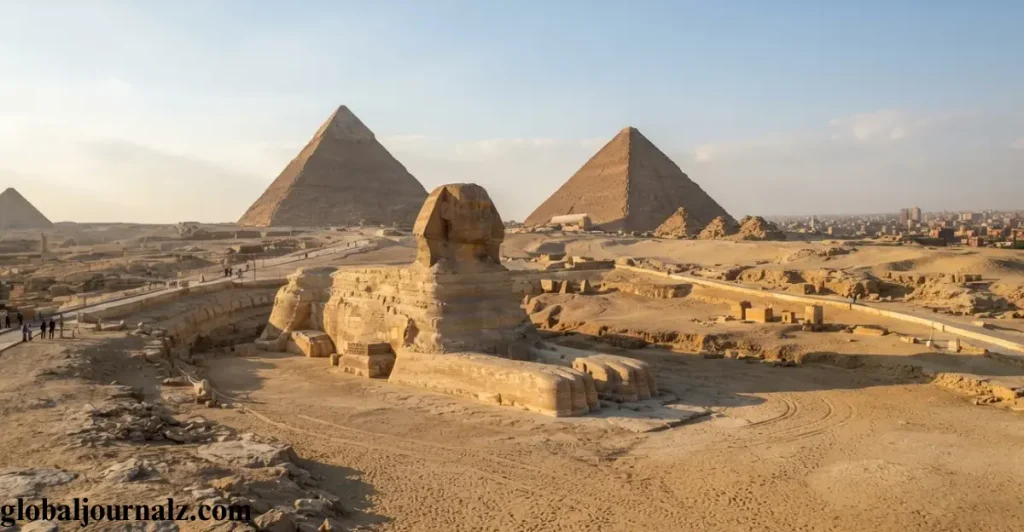
Egypt is home to one of the world’s most influential ancient civilizations, known for its achievements in architecture, writing and government. Its early history includes major developments that helped shape later societies and left a lasting cultural legacy.
One of the country’s greatest milestones was the unification of Egypt under King Menes, traditionally dated to 3100 BCE. This event is associated with the beginning of the First Dynasty and the formation of a unified Egyptian state.
Ancient Egypt also developed early writing systems and constructed monumental structures, including the pyramids. These achievements reflect the organisation, knowledge and skilled labour that supported the civilization over many centuries.
What Were Egypt’s Greatest Ancient Achievements?
The unification associated with King Menes around 3100 BCE is traditionally regarded as a turning point in Egyptian history. It marked the beginning of the First Dynasty, establishing a foundation for a centralised kingdom along the Nile.
Egyptians developed one of humanity’s earliest writing systems, using hieroglyphic symbols to record information and communicate ideas. Writing supported administration and helped preserve religious, cultural and historical knowledge across generations.
The construction of the pyramids remains among ancient Egypt’s most recognised achievements. These vast structures demonstrate the Egyptians’ architectural knowledge, planning and ability to organise large-scale building projects, leaving monuments that continue to attract worldwide interest.
Vietnam
Vietnam’s history stretches back thousands of years, with the Hong Bang Dynasty, traditionally dated to 2879 BCE, forming part of its early cultural story. Archaeological discoveries provide evidence of ancient communities and help historians understand how Vietnamese society developed.
For centuries, Vietnam experienced periods of outside influence, including a millennium under Chinese governance. Despite these challenges, communities maintained elements of their language, customs and cultural traditions, helping preserve a distinct identity.
Vietnam’s long history includes a continuing struggle for self-determination and cultural continuity. The country’s eventual return to independent rule in the 10th century CE became a defining milestone in its historical development.
When Did Vietnam Regain Its Independence?
Vietnam regained lasting independence from Chinese rule in the 10th century CE, after a long period of foreign governance. The era is often associated with the end of a millennium under Chinese governance, although the process of reclaiming independence involved several important struggles and turning points.
During this period, Vietnamese communities preserved their identity through local customs, social traditions and cultural practices. These traditions helped maintain a sense of continuity despite political control and the influence of Chinese institutions.
The victory at the Battle of Bạch Đằng in 938, led by Ngô Quyền, marked a major step toward reclaiming independence. His establishment of an independent Vietnamese state in 939 is widely regarded as a turning point in Vietnam’s history, beginning a new era of self-rule.
Armenia
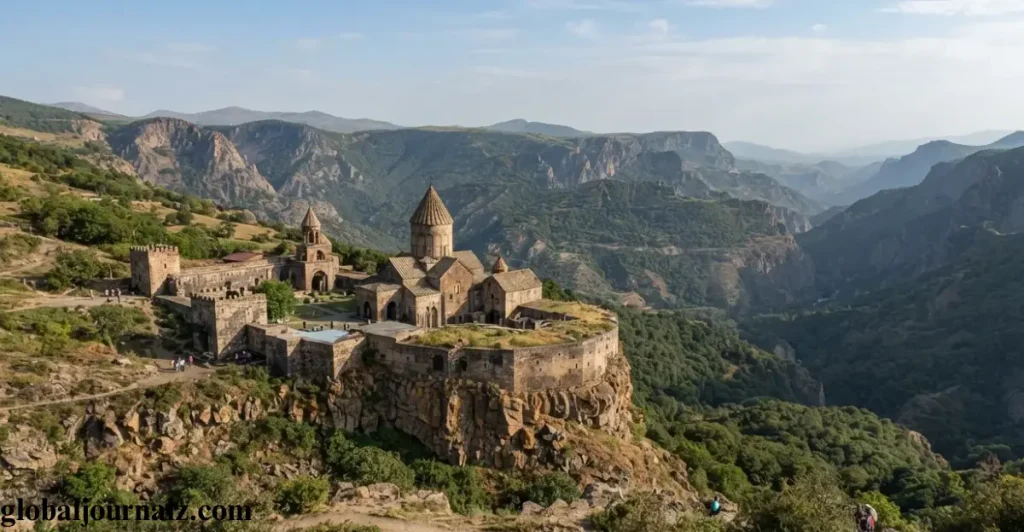
Armenia is a historic country situated at the crossroads of Europe and Asia, known for its cultural heritage, resilience and enduring faith. Its location has connected it with neighbouring civilizations and made it an important part of the region’s history.
The ancient kingdom of Urartu, which emerged around 860 BCE, represents an important chapter in Armenia’s early past. Archaeological remains and historical records reveal the development of organised communities, fortified settlements and distinctive cultural traditions.
Throughout its history, Armenia faced waves of conquest and periods of outside rule. Despite these challenges, its people preserved a strong cultural identity, while the pursuit of sovereignty and the influence of faith remained central to Armenian history.
Why Is Armenia Significant in Christian History?
Armenia is widely recognised as the first nation to adopt Christianity as its official religion, traditionally dated to 301 CE. This decision is associated with King Tiridates III and Saint Gregory the Illuminator, whose influence helped establish Christianity within the kingdom.
The adoption of Christianity became a defining moment in Armenian identity and history. The faith shaped religious traditions, cultural practices and artistic expression, while the Armenian Church developed an important role in community life.
Armenia’s early adoption of Christianity also gave it a distinctive place in the history of the religion. Its churches, monasteries and religious manuscripts reflect centuries of devotion, preserving a legacy in which Christianity remains closely connected to Armenian culture and national identity.
China
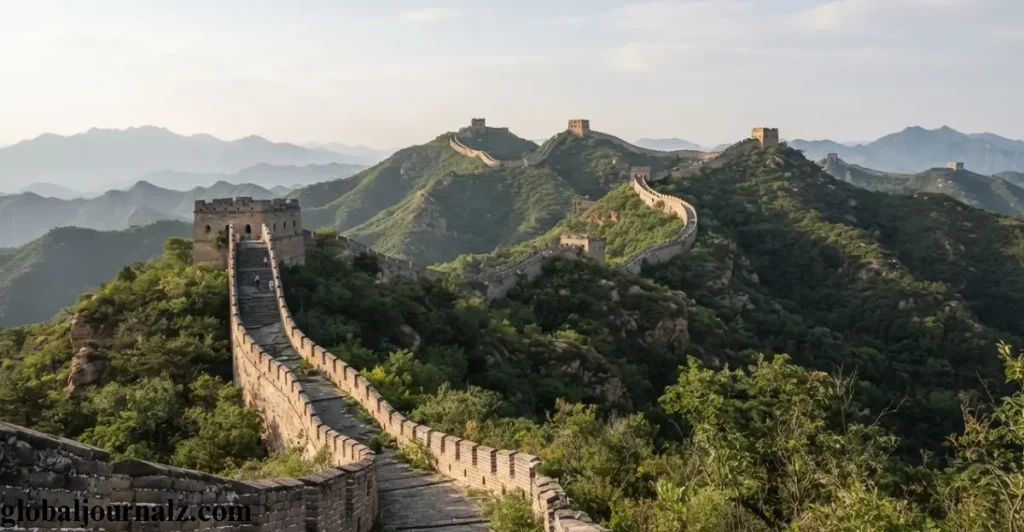
China has a long history shaped by cultural achievement, political change and millennia of transformation. Its early dynasties helped establish traditions that influenced Chinese society, while archaeological discoveries reveal the development of ancient communities.
The Xia Dynasty, traditionally dated to 2070 BCE, is often described as China’s earliest dynasty, though its historical details remain debated. The Shang Dynasty, beginning around 1600 BCE, is supported by substantial archaeological evidence, including inscriptions and bronze objects.
China’s history also includes periods of foreign rule and major political change, including the Mongol conquests and Manchu conquests. Despite these transformations, many cultural traditions continued, including the use of Chinese writing and the preservation of its distinctive linguistic legacy.
How Has China Preserved Its Ancient Writing System?
China’s writing system developed over thousands of years, with early evidence found in oracle bone inscriptions from the Shang Dynasty, around 1600 BCE. These inscriptions were carved onto animal bones and turtle shells, often to record questions and communicate with ancestors.
Over time, the writing system evolved, but many traditional characters remained recognisable across different periods. Their continued use helped connect written records from ancient China with later generations, even as pronunciation and everyday language changed.
The modern script reflects centuries of development, including changes in character forms and writing practices. This continuity has helped preserve China’s linguistic legacy, allowing written Chinese to remain connected to its ancient origins and endure unbroken through millennia.
India
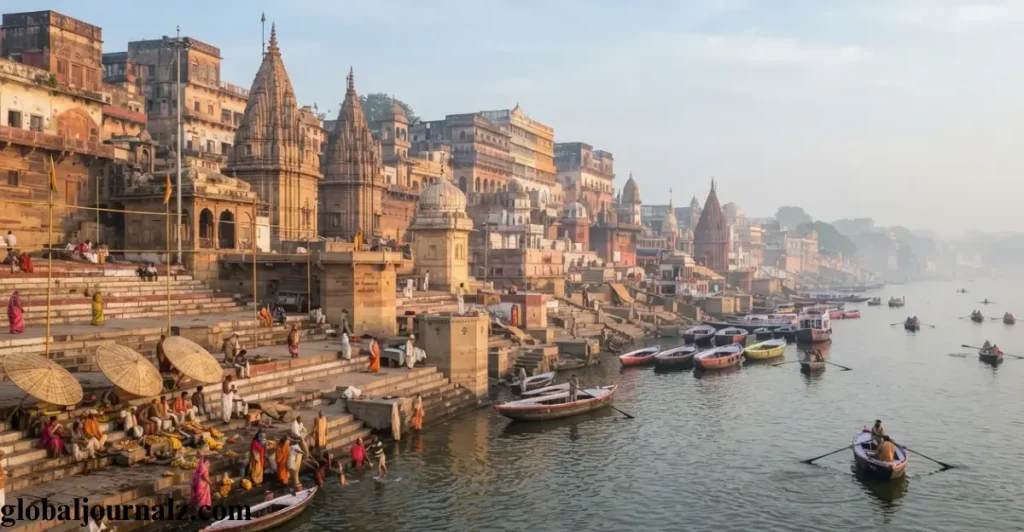
India is one of the earliest cradles of civilization, with a history shaped by ancient communities, powerful kingdoms and vast empires. Its diverse cultural traditions developed over thousands of years, creating a rich living heritage that continues to influence society today.
The Indus Valley Civilization, which emerged around 3300 BCE, was among the region’s earliest major urban societies. Its cities, planned streets, drainage systems and trade networks demonstrate impressive urban achievements and a high level of organisation.
Later, the Vedic Period, beginning around 1500 BCE, contributed significantly to India’s languages, religious traditions and social customs. Together, these early civilizations helped establish enduring cultural roots that shaped the region’s historical development.
Which Ancient Civilizations Shaped India’s Heritage?
The Indus Valley Civilization, dating from around 3300 BCE, was a major foundation of early South Asian history. Its urban centres, including Harappa and Mohenjo-daro, featured organised streets, water systems and specialised craft production, reflecting advanced urban achievements.
The Vedic Period, beginning around 1500 BCE, introduced and developed traditions preserved in the Vedas. These texts and the cultural practices associated with them influenced religious thought, language and social life across the region, contributing to India’s diverse historical identity.
Over time, numerous kingdoms and empires added new influences through trade, migration, political change and cultural exchange. Their contributions helped shape India’s cultural roots and established traditions that continue as part of its living heritage.
Georgia
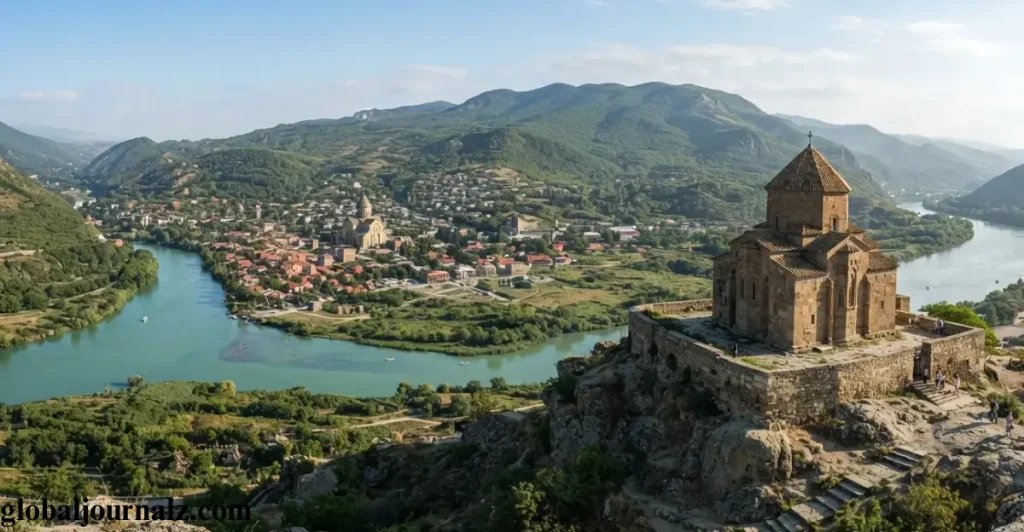
Georgia is a country at the crossroads of Europe and Asia, known for its distinctive language, historic architecture and enduring traditions. Its location has connected it with neighbouring regions while allowing it to develop a strong and recognisable cultural identity.
The country’s history includes the ancient kingdoms of Kartli and Colchis, which contributed to the development of Georgian society. Their legacy is reflected in archaeological sites, historical monuments and traditions that remain important to the country’s heritage.
Georgia’s unique alphabet and literary traditions are central to its cultural history. Over centuries of political change, including the formation of a unified monarchy in 1008 CE, Georgian communities maintained a distinct language and cultural identity.
What Makes Georgia’s Cultural Identity Unique?
Georgia’s unique alphabet is one of its most distinctive cultural features. The Georgian writing system developed over many centuries and remains closely connected to the country’s language, literature and national identity.
The Georgian language belongs to the Kartvelian language family, which is distinct from major language families such as Indo-European and Turkic. This linguistic heritage has helped preserve a strong sense of cultural continuity across generations.
Georgia’s identity also reflects its history between Europe and Asia and the influence of early kingdoms such as Kartli and Colchis. The establishment of a unified monarchy in 1008 CE marked an important stage in its political development, while its language and traditions continued to distinguish Georgian culture.
Ethiopia
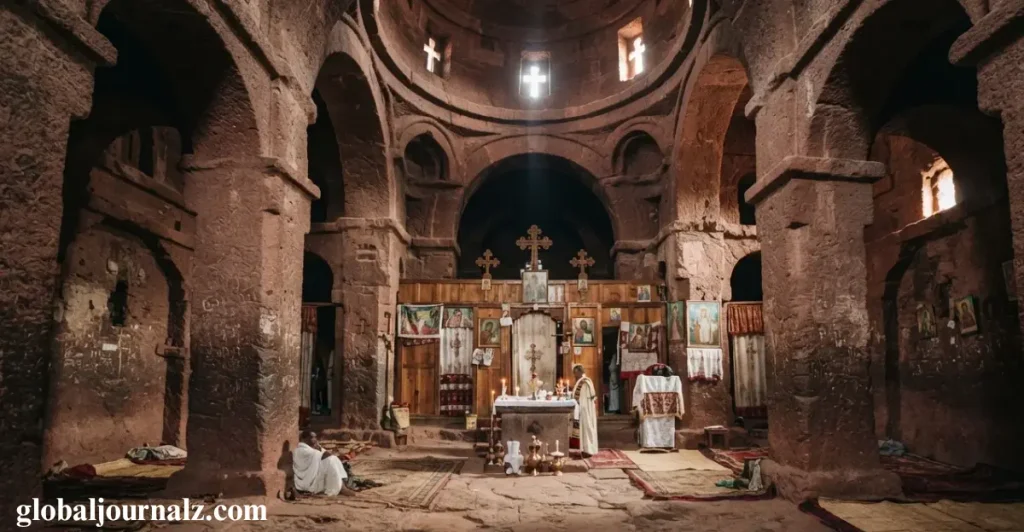
Ethiopia, located on the African continent, is known for its long history and distinctive cultural heritage. Its past includes ancient kingdoms, powerful empires and traditions that have contributed to an unbroken lineage of civilization in the region.
The Kingdom of D’mt, traditionally dated to around 980 BCE, was among the early states that developed in what is now northern Ethiopia and Eritrea. Later, the Aksumite Empire became a major regional power, known for its trade networks, monumental architecture and influence across the Red Sea.
Over centuries, Ethiopia experienced changing forms of government, including periods of Abyssinian rule and imperial leadership. Despite outside pressures and political change, the country maintained a strong historical identity and became widely associated with its commitment to sovereignty.
How Did Ethiopia Preserve Its Independence?
Ethiopia’s early kingdoms, including the Kingdom of D’mt and the Aksumite Empire, helped establish traditions of statehood and regional influence. These foundations contributed to a long history of political organisation and cultural continuity.
During periods of Abyssinian rule, Ethiopian leaders worked to protect the country’s independence amid competition and pressure from foreign powers. Ethiopia’s resistance to European colonization became especially significant during the late 19th century, when its forces defeated Italy at the Battle of Adwa in 1896.
Although Italy later occupied Ethiopia from 1936 to 1941, the country restored its independence and continued to defend its sovereignty. Ethiopia’s history of resistance and recovery has helped shape its reputation as a nation that has remained proudly independent.
Greece

Ancient Greece played a major role in shaping Western civilization, influencing politics, philosophy, art and public life. Its ideas and cultural achievements spread beyond the region and continued to shape societies long after the ancient Greek world changed.
Around 800 BCE, Greece developed into a collection of independent city-states, each with its own government and customs. These communities, including Athens and Sparta, created different approaches to leadership, citizenship and social organisation.
Ancient Greek society became known for its revolutionary firsts, from new political ideas to influential cultural traditions. Its legacy includes democratic thought, philosophical inquiry and the Olympic Games, which remain important symbols of Greek heritage.
What Were Ancient Greece’s Major Contributions?
The development of separate city-states around 800 BCE encouraged different forms of political organisation and public participation. In Athens, citizens developed practices that contributed to democracy’s foundations, although participation was limited and excluded many people in ancient society.
Greek thinkers advanced philosophical inquiry by exploring questions about knowledge, ethics, nature and government. Their debates and writings influenced later intellectual traditions, becoming a lasting part of Western civilization and shaping the study of philosophy for generations.
Ancient Greece also established cultural traditions that reached far beyond its borders. The Olympic Games brought competitors together through athletic contests and religious celebration, while Greek achievements in literature, theatre, architecture and mathematics became influential examples of cultural innovation.
Japan
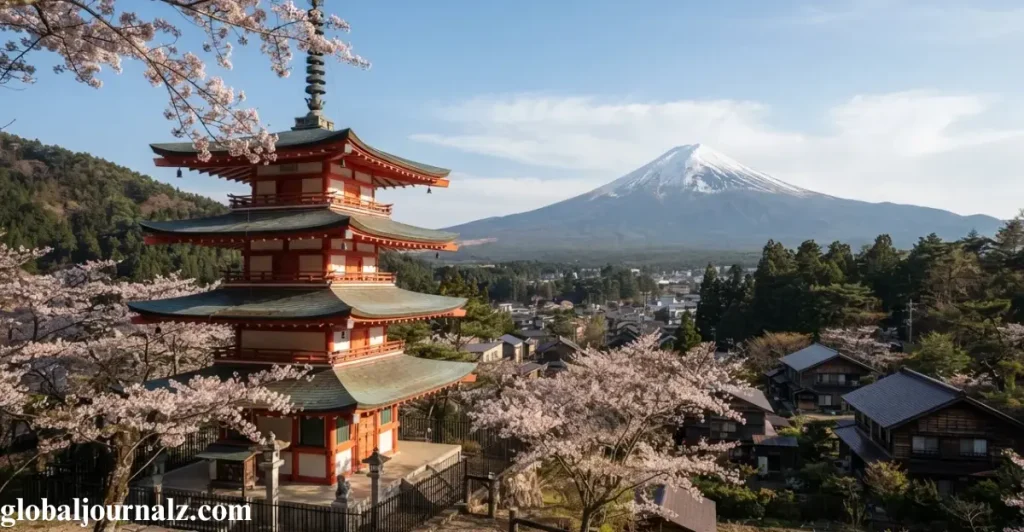
Japan’s cultural history reflects a long relationship between its island communities, natural environment and neighbouring societies. Its heritage includes ancient traditions, distinctive artistic practices and a historical identity shaped by both continuity and change.
The Jomon period is known for archaeological discoveries that reveal early settlement, pottery and community life in the Japanese archipelago. These findings provide important evidence of the region’s early cultural development and the traditions that preceded later political structures.
Japan’s cultural legacy also developed through Buddhist influence, Shinto traditions and the history of its imperial line. Together, these elements have shaped religious practices, ceremonies and ideas about the country’s past, while remaining important parts of Japanese identity.
What Shaped Japan’s Cultural Legacy?
The Jomon period has contributed greatly to understanding Japan’s early communities. Archaeological discoveries, including distinctive pottery and settlement remains, reveal how people lived and developed cultural practices long before the formation of a centralised state.
Over time, centuries of Buddhist influence introduced new religious ideas, artistic forms and architectural traditions. Buddhism interacted with ancient Shinto traditions, creating a distinctive religious landscape in which different beliefs and practices often existed alongside one another.
Japan’s imperial line is traditionally traced to 660 BCE, the legendary founding date associated with Emperor Jimmu. Although this date belongs to traditional history rather than established archaeological chronology, the imperial tradition has played a lasting role in Japan’s cultural identity and historical memory.
San Marino
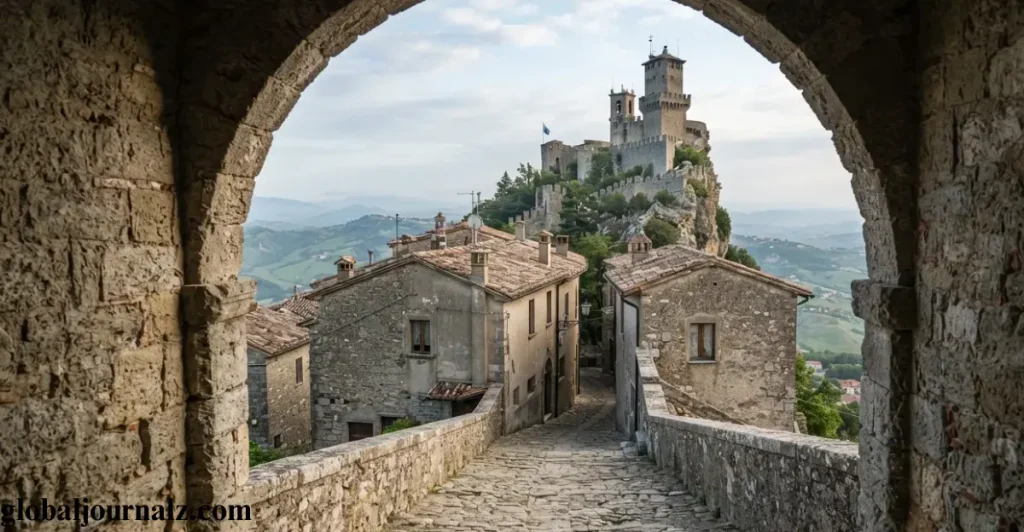
San Marino is one of the world’s smallest countries, known for its compact territory and remarkable political history. Despite its size, this micro-nation has maintained a distinct identity and a long tradition of self-government.
According to tradition, San Marino was founded in 301 CE by Saint Marinus. Its historic institutions and commitment to sovereignty have helped establish its reputation as one of the oldest continuous republics in the world.
For over 1,700 years, San Marino has preserved its independence through changing political circumstances across Europe. Its history makes it a distinctive example of a small state maintaining its identity and institutions over many centuries.
Why Is San Marino Considered the Oldest Continuous Republic?
San Marino is widely described as Earth’s oldest continuous republic, with its traditional founding date of 301 CE marking the beginning of its long republican history. The country’s institutions developed over centuries, preserving a political identity rooted in self-government.
Its location within the Italian Peninsula exposed San Marino to the major political changes that shaped the surrounding region. Despite these pressures, the republic continued to maintain its sovereignty and distinct governing traditions.
The claim of continuity reflects San Marino’s enduring republican institutions and its survival as an independent state for over 1,700 years. While its founding story is based partly on tradition, San Marino remains an exceptional example of long-lasting republican government.
France
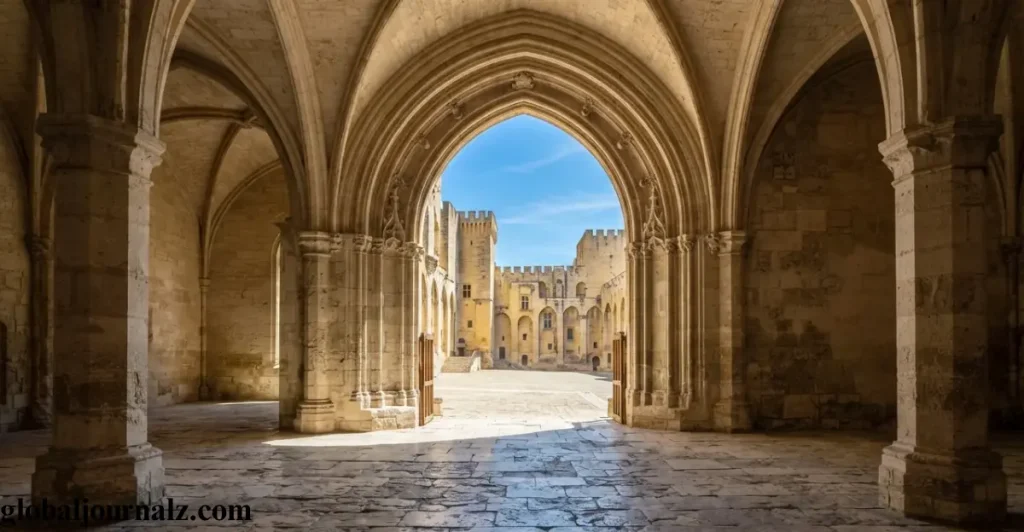
France has left a lasting global imprint through its contributions to art, cuisine and fashion. Its language, cultural traditions and creative industries have helped establish the country as a major cultural force in the modern world.
The roots of modern France extend back to the 5th-century Frankish Kingdom, which emerged after the decline of Roman authority in Western Europe. Frankish rulers gradually built a powerful political centre that influenced the region’s future development.
A major turning point came with the Treaty of Verdun in 843, which divided the Carolingian Empire among the grandsons of Charlemagne. This agreement helped shape the political landscape of Western European civilization and contributed to the historical development of France.
How Did France Shape Western European Civilization?
The 5th-century Frankish Kingdom played a central role in the formation of medieval Western Europe. Under Frankish rulers, territories were united through military campaigns, political alliances and Christian institutions, creating foundations for later European kingdoms.
The Treaty of Verdun, signed in 843, was a pivotal moment in the division of the Carolingian Empire. The territories created by the agreement influenced the development of France and its neighbouring states, although their borders and political structures changed repeatedly over time.
France later became an influential centre of European political thought, literature, art and architecture. Its cultural and intellectual contributions helped shape Western European civilization, while French language and traditions spread through diplomacy, education and international cultural exchange.
Bulgaria
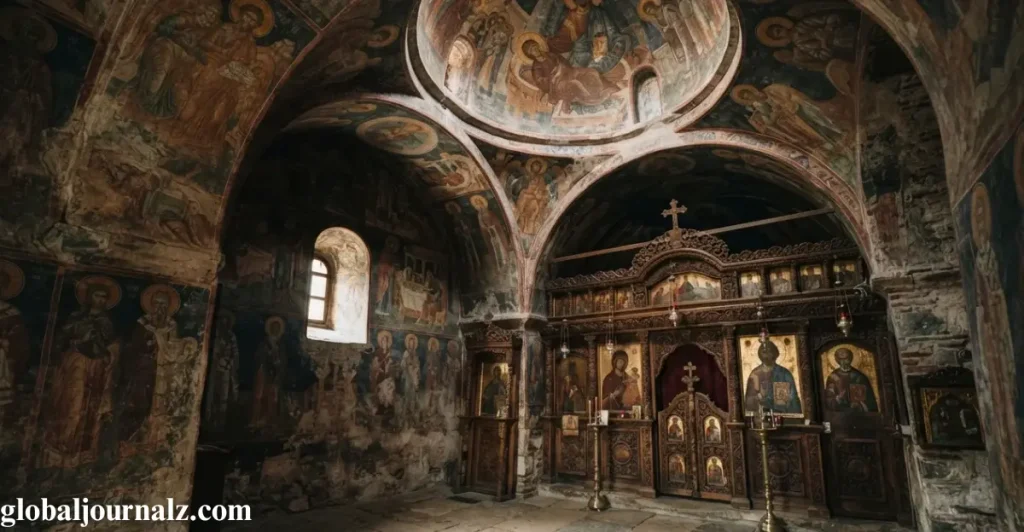
Bulgaria is one of Europe’s oldest countries, with a history shaped by ancient civilizations, kingdoms and cultural achievements. Its location in southeastern Europe connected it with different peoples and traditions, leaving a rich archaeological and historical record.
The country’s history includes the Thracian civilization, whose communities flourished in the region from the fifth millennium BC onward. Their burial sites, metalwork and other archaeological treasures reveal a sophisticated culture that influenced the region’s ancient past.
Bulgaria is also closely associated with the development and spread of the Cyrillic alphabet. The country’s historical identity is linked to the establishment of the Bulgarian state in 681 CE, while its name and cultural traditions have endured through many periods of change.
What Is Bulgaria Known For Historically?
Bulgaria is known for its role in the development and spread of the Cyrillic alphabet, which was developed by disciples of Saints Cyril and Methodius and further developed in the medieval Bulgarian state. The alphabet became a major part of Slavic literary and religious culture.
The establishment of the Bulgarian state in 681 CE is a key milestone in the country’s history. This date is commonly associated with the recognition of Bulgaria as a political entity in the region, laying the foundations for its long-standing national identity.
Bulgaria’s ancient heritage also includes the Thracian civilization, whose archaeological remains date back to the fifth millennium BC. These discoveries, alongside the country’s medieval history and enduring original name, contribute to Bulgaria’s reputation as one of Europe’s historically significant countries.
Nepal
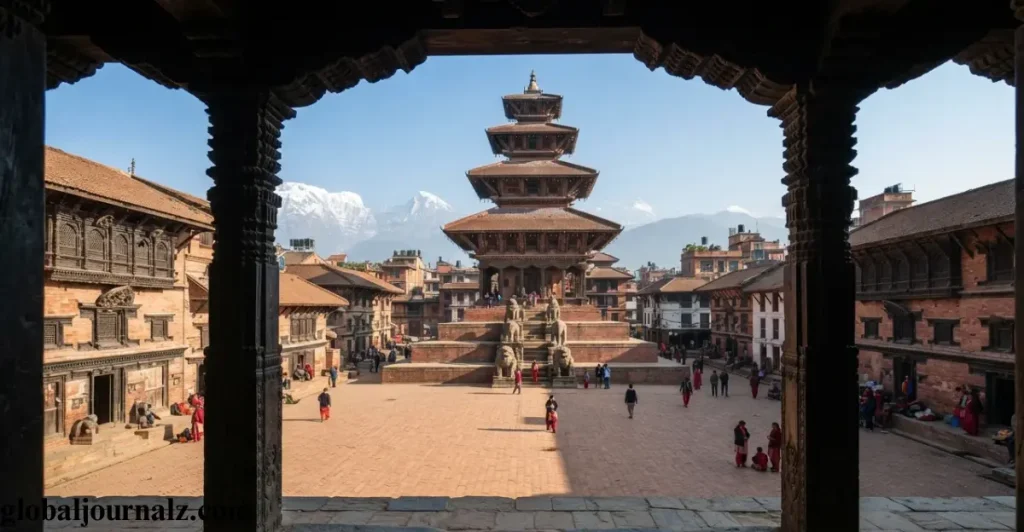
Nepal is a country in the Himalayas, known for its mountain landscapes, cultural diversity and distinctive national symbols. Its distinctive triangular flag is unlike the rectangular flags used by most countries and reflects a long tradition of national identity.
Nepal’s history includes the Kirati rule, traditionally associated with the 7th century BCE, followed by later periods such as the Lichhavi era. These historical periods contributed to the development of Nepal’s political institutions, art and cultural traditions.
The country also holds an important place in Buddhist heritage because Lumbini, located in present-day Nepal, is recognised as the Buddha’s birthplace. Its religious sites and historical traditions continue to connect Nepal with Buddhist communities around the world.
What Makes Nepal’s Heritage Distinctive?
Nepal’s location in the Himalayas has shaped its cultural and historical identity, connecting communities across mountain valleys and trade routes. Its distinctive triangular flag is a recognisable national symbol, reflecting a tradition that sets Nepal apart from most other countries.
The history of Kirati rule, traditionally dated to the 7th century BCE, forms part of Nepal’s early historical narrative. The later Lichhavi era is particularly significant for its inscriptions, art and architecture, providing evidence of political and cultural development in the Kathmandu Valley.
Nepal’s Buddhist heritage is closely tied to Lumbini, the Buddha’s birthplace and an important pilgrimage destination. Alongside Hindu traditions and diverse local cultures, this heritage has helped shape Nepal’s religious landscape and its enduring significance in South Asian history.
Portugal
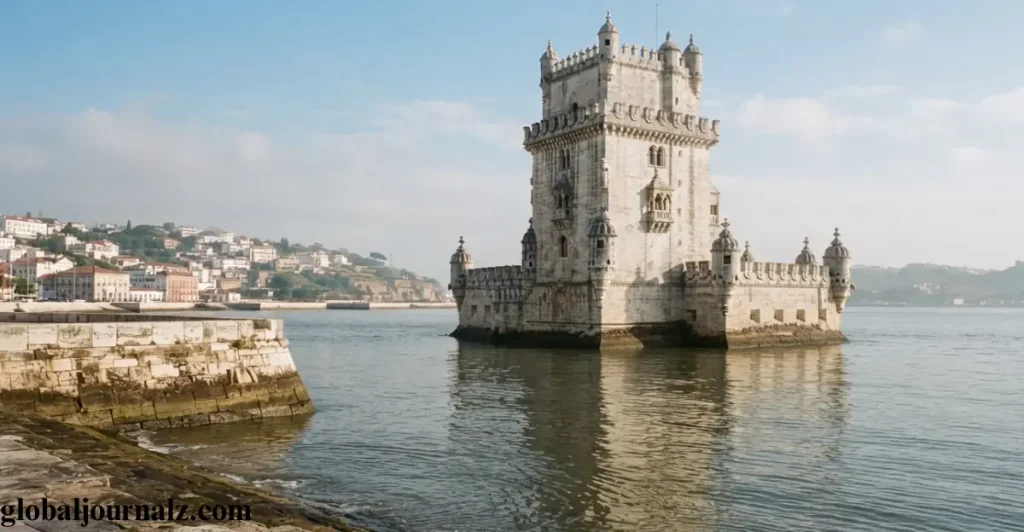
Portugal is a country in southwestern Europe with a long history of political continuity. Its identity developed through the formation of a kingdom that gradually established its territory and institutions. The country’s historic stability is closely associated with its enduring boundaries.
The kingdom of Portugal dates back to 1139 CE, a milestone in the development of its independent political identity. Over time, Portugal consolidated its territory and became known for maintaining a remarkably consistent outline. Its history is often linked with the idea of an early European state with defined borders.
Portugal’s territorial continuity makes it distinctive in European history. While borders and governance can change in detail over centuries, Portugal is widely recognized for retaining much of the same territorial shape. This long-standing stability is central to its reputation as Europe’s oldest nation-state with defined borders.
How Long Has Portugal Maintained Its Borders?
Portugal has maintained largely the same borders since the 1200s, making its territorial history unusually continuous. Its boundaries took shape during the medieval period as the kingdom consolidated its rule. This stability helped distinguish Portugal from many other European states whose borders shifted repeatedly.
The country’s political origins date back to 1139 CE, while its borders became more firmly established in the centuries that followed. Portugal’s enduring territorial outline is one reason it is often described as Europe’s oldest nation-state with defined borders. The description refers to its long continuity as a state, rather than an absence of all historical change.
Although the phrase same borders since the 1200s captures Portugal’s exceptional continuity, it is best understood as a broad historical description. Small adjustments and changes in administration do not erase the larger pattern of territorial stability. Portugal’s medieval kingdom laid the foundations for a country whose defined borders have remained remarkably consistent.
Conclusion
The oldest countries in the world represent centuries of human history, cultural development, and remarkable achievements. From ancient civilizations to long-standing political traditions, each nation has a unique story that has shaped its identity. Some countries preserve historical customs, monuments, and languages, while others have experienced significant changes in their governments and borders. Their histories help us understand how modern societies evolved and how the past continues to influence the present. Although rankings vary depending on how a country’s age is measured, these nations remain important links to our shared human heritage.
FAQs
What is the oldest country in the world?
Egypt, Iran, China, and other nations are often considered among the world’s oldest countries because of their ancient civilizations and historical continuity. The answer depends on whether age is measured by early civilization, state formation, or modern independence.
Which country has the oldest continuous civilization?
China and Egypt are frequently recognized for their exceptionally long civilizational histories. Both have ancient cultural traditions that continue to influence their modern identities.
Is Egypt the oldest country in the world?
Egypt is one of the oldest civilizations, with a unified ancient kingdom dating to around 3100 BCE. However, its modern political identity developed through many different historical periods, so calling it the oldest country depends on the definition used.
Which European country is considered the oldest?
San Marino is often described as the world’s oldest surviving republic, traditionally founded in 301 CE. Portugal is also frequently recognized for maintaining some of Europe’s oldest established borders.
How do historians determine the age of a country?
Historians consider several factors, including the beginning of organized government, political independence, territorial continuity, and the development of a shared national identity. Different criteria can produce different rankings of the oldest countries.
 Muhammad Bilal