 By Muhammad Bilal

The year 2026 marks a transformative era for the global music industry driven by rapid technological evolution and shifting listener preferences. As artificial intelligence cements its role as a core creative partner independent artists continue to break barriers and dominate mainstream charts. Meanwhile nostalgia heavily influences modern sounds seamlessly bridging the gap between classic trends and modern production styles.
Table of Contents
Artificial intelligence becomes a creative partner
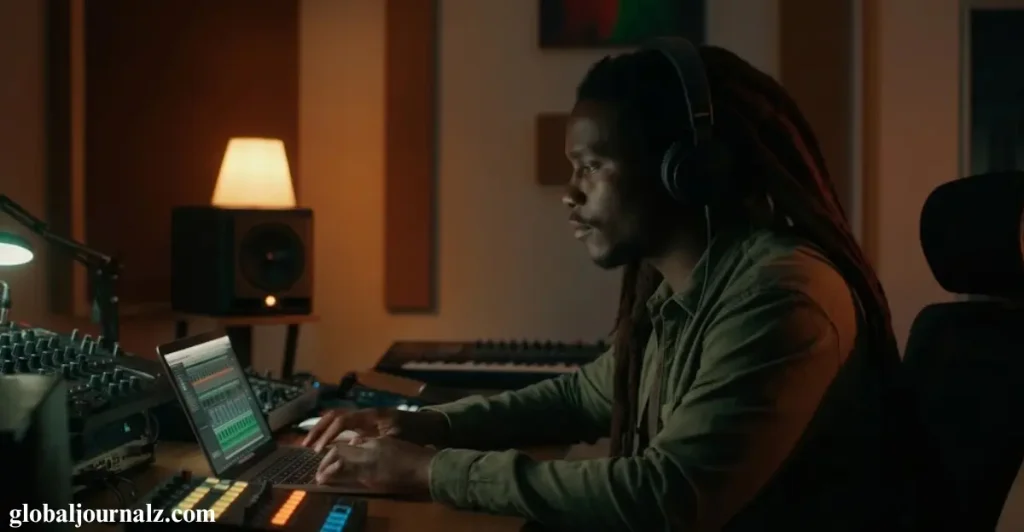
Modern artificial intelligence is helping artists explore songwriting and music production with fresh ideas and new sounds. Through music recommendation algorithms and AI-assisted songwriting musicians can improve their creative process and artistic expression. Affordable AI-powered tools make music production more accessible for independent musicians seeking professional results.
Meanwhile AI music production supports mixing and mastering through automated mastering and smarter audio mixing. Modern music software improves music arrangement and sound design while enabling sound experimentation and artist collaboration. These production tools strengthen production efficiency and music accessibility through technology-driven creativity. However AI ethics remain vital as AI-assisted music creation evolves.
Independent artists continue to dominate
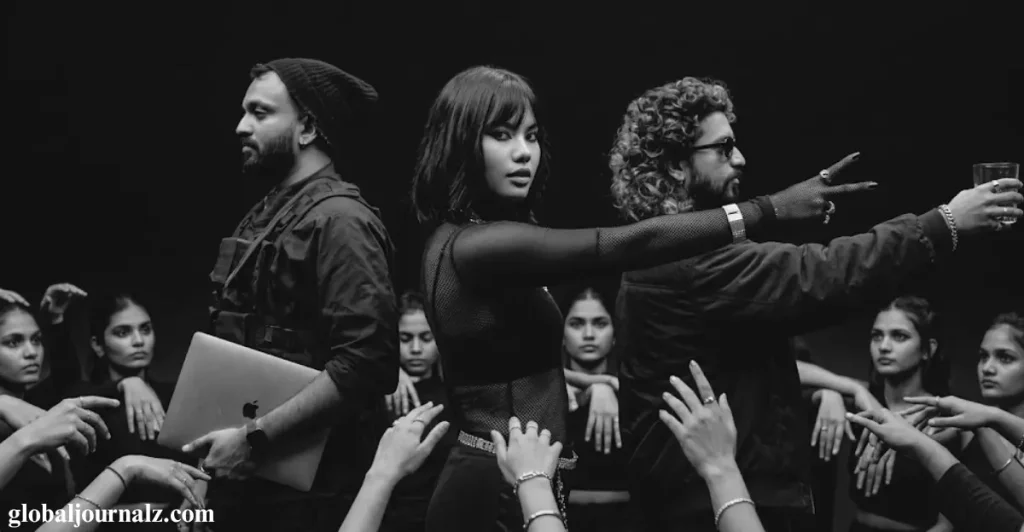
Today independent artists are reshaping the traditional music industry by building careers without major label backing. Through social media and streaming platforms musicians gain direct audience access and strengthen fan communities around their work. This DIY approach gives creators greater artist control and music ownership while supporting independent music careers.
At the same time music marketing and direct-to-fan marketing create new music revenue streams through direct music sales and streaming revenue. Strong artist branding and fan engagement improve audience growth while music monetization supports long-term career sustainability. The changing music business model offers fresh business opportunities for self-managed musicians and independent creators.
Genre boundaries are disappearing
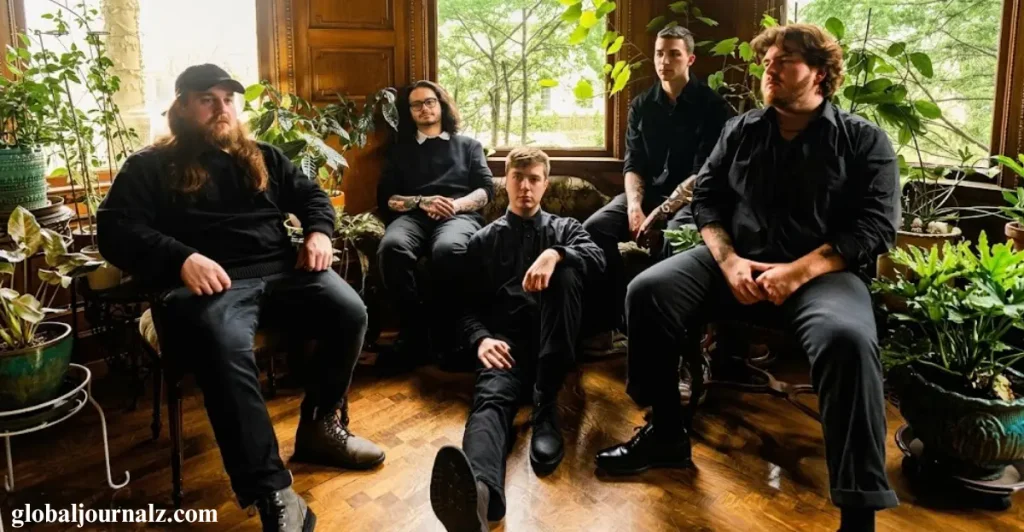
As 2026 music trends evolve genre-blending is allowing artists to combine pop with hip-hop and electronic music while adding rock or country music influences. This genre fusion creates fresh sounds and unique sounds that challenge traditional genre labels. Through music discovery on streaming playlists listeners encounter diverse musical styles and explore musical diversity beyond familiar favorites.
Additionally jazz and world music bring cultural influences into contemporary music through cross-cultural music and musical fusion. With sound experimentation and creative collaboration musicians develop innovative sounds that reflect their musical identity and artistic expression. The changing music landscape supports genre experimentation and genre evolution as music production becomes more open to unconventional ideas.
Fans want deeper connections with artists

Modern music fans want more than songs from their favourite artists as 2026 music trends highlight the value of deeper connections and direct interaction. Through behind-the-scenes content and exclusive digital experiences musicians can strengthen fan engagement and build genuine relationships with dedicated fans. These digital communities help create stronger artist-fan relationships and lasting audience loyalty.
In addition artist authenticity and direct communication can improve audience trust and support long-term audience growth. Fan subscriptions and membership services give artists new ways to earn artist support while developing a loyal fanbase. This shift in digital fan engagement supports artist development and music career growth through community-driven music and lasting relationships.
Nostalgia continues to influence music

Nostalgia remains a strong force in 2026 music trends as modern artists revisit 1980s music and 1990s music to inspire fresh contemporary releases. The return of early 2000s music brings pop-punk revivals and dance music throwbacks into modern playlists. With retro synthesiser sounds and synthesiser-driven pop gaining attention musicians combine familiar melodies with modern production techniques to give vintage sounds a fresh identity.
Rather than copying older styles artists use creative music production to blend classic pop sounds with modern sound design and evolving contemporary music styles. This musical experimentation creates nostalgic soundscapes through updated sounds and new music arrangements. These music trends of 2026 show how popular music history can inspire music innovation and shape the future of modern music.
Live experiences become more immersive

Contemporary live experiences are transforming through immersive concerts and music festivals that offer more than traditional performances. Artists now use advanced lighting and unique stage designs alongside augmented reality to create memorable experiences for audiences. These immersive visual elements and interactive technology help build a powerful concert atmosphere while making live music feel more personal.
Beyond impressive visuals live performance technology is changing audience interaction through interactive stage elements and digital stage effects. Modern festival production combines visual storytelling with artist performances to encourage audience participation and stronger fan engagement. While music streaming at home offers convenience in-person concerts deliver shared concert memories and deeper audience connection.
Sustainability becomes a priority
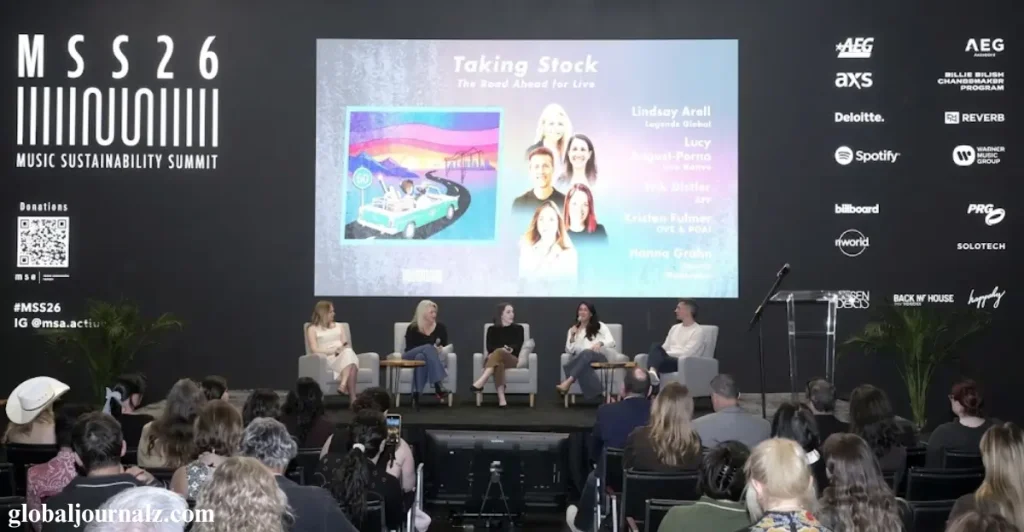
Growing environmental concerns are pushing the music industry toward sustainability as artists and promoters rethink how music events affect the planet. Through waste reduction and renewable energy festivals are adopting sustainable practices that lower their carbon footprint. These 2026 music trends are making green festivals and sustainable concerts an increasingly important part of live music culture.
Alongside this greener touring strategies and energy-efficient lighting can help reduce carbon emissions across live entertainment. Recycling programs and eco-friendly packaging are improving green event management while clean energy supports more sustainable festival operations. As eco-conscious artists and music fans demand change green technology is encouraging responsible music production and low-carbon touring.
Streaming evolves beyond playlists
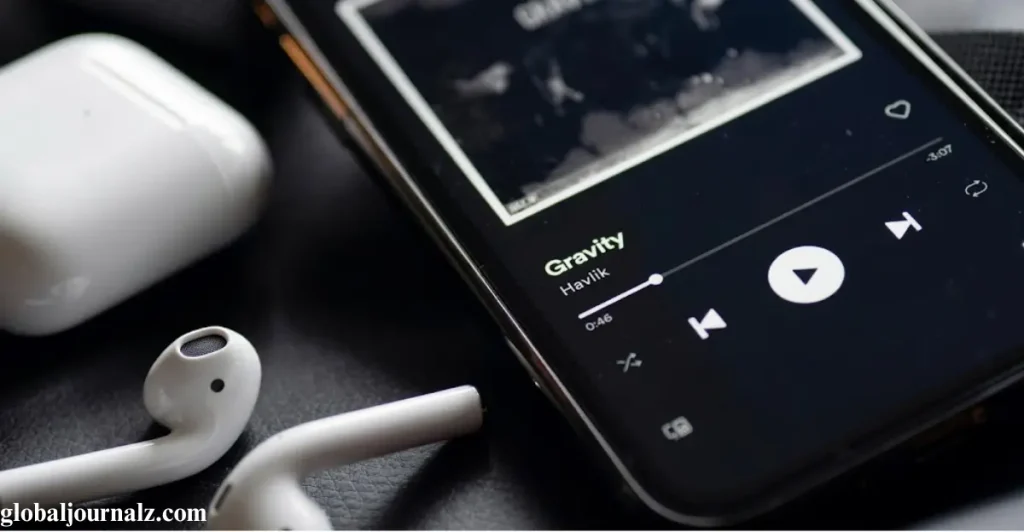
Innovative streaming platforms are moving beyond traditional playlists by offering personalised experiences that match individual listener tastes. With smarter recommendations and enhanced discovery features music fans can explore new artists and songs through tailored music recommendations. This shift is shaping 2026 music trends by changing how listeners experience digital music platforms.
Extending past familiar curated playlists new music discovery tools and curated communities help listeners connect through shared interests. Growing platform competition encourages streaming services to improve user experience with better music search tools and more relevant personalised suggestions. These digital music experiences support listener engagement while expanding access to diverse music libraries.
Global sounds reach wider audiences

The globalisation of music is helping regional artists reach wider audiences through global streaming platforms and digital music platforms. A hit song recorded in multiple languages can gain worldwide attention and create new opportunities for independent artists. These 2026 music trends reflect a more connected music industry where music discovery crosses borders and introduces listeners to diverse musical styles.
Similarly music streaming and worldwide music distribution are expanding international music markets and supporting cross-cultural music. Through digital distribution and international music promotion musicians can share creative expression with global audiences while encouraging cultural exchange. This growing music diversity strengthens global music communities and gives independent musicians more international career opportunities.
Conclusion
The music industry is experiencing an unprecedented wave of globalization and technological integration. The rise of digital distribution platforms and international streaming services has effectively eliminated geographical borders allowing diverse musical styles to reach global audiences instantly. This interconnected landscape empowers independent musicians by giving them the tools and visibility needed to build sustainable international careers. Furthermore cross-cultural exchanges are enriching global communities fostering deeper mutual understanding through shared creative expression. These trends will shape a more diverse and collaborative future for music.
Q1. What are the biggest music trends of 2026?
The biggest trends include artificial intelligence becoming a core creative partner for artists and independent creators continuing to dominate the charts. Nostalgia also heavily influences modern sounds while live music experiences are becoming much more immersive for fans worldwide. This combination of tech and emotion is redefining the entire landscape.
Q2. How is artificial intelligence being used in music creation?
Artificial intelligence is now acting as a collaborative tool that helps musicians generate innovative sounds and lyrics. It streamlines the production process and allows artists to experiment with new creative styles much faster than before. This lets creators focus more on their artistic vision.
Q3. Why are independent artists dominating the music industry now?
Independent artists are thriving because digital streaming platforms and social media give them direct access to global audiences. They no longer rely on traditional record labels to distribute their music or fund their marketing campaigns. This shift gives them complete artistic and financial freedom.
Q4. How does nostalgia influence modern music production?
Nostalgia influences modern music by blending classic sounds from past decades with futuristic production techniques. This trend creates a familiar yet fresh experience that appeals to both older generations and younger listeners. Sampling older tracks has become a staple of modern hits.
Q5. What makes modern live music experiences more immersive?
Live music experiences are more immersive due to advanced technologies like virtual reality and interactive stage setups. These innovations allow fans to connect with performances on a deeper emotional level whether in person or online. Concerts are changing from passive viewing into interactive adventures.