 By Muhammad Bilal

North Korea’s alleged involvement in the 2026 Binance cyberattack has raised serious concerns about cryptocurrency security and the growing threat of state-sponsored hacking. The suspected operation has drawn attention to how stolen digital assets can help fund illegal activities, bypass international sanctions and generate revenue for an isolated economy. But Understanding the reasons behind the attack reveals the financial motives, cybercrime strategies and wider security risks affecting the global cryptocurrency industry.
Table of Contents
North Korean Hackers Linked to Binance $6.3bn Cyberattack

The Binance $6.3bn (£4.7bn) hack has become one of the largest cryptocurrency thefts ever reported, raising serious concerns about digital asset security. The attack targeted Binance, the world’s largest cryptocurrency exchange, with approximately $6.36 billion reportedly moved from its wallets across multiple blockchains.
Blockchain analytics firms TRM Labs and Chainalysis have linked the incident to TraderTraitor, a North Korean state-backed hacking group. TRM Labs said it had a high-confidence identification, based on blockchain transactions and intelligence connecting the activity to previous cyber operations.
The cybercrime investigation has drawn international attention because of the scale and speed of the stolen digital assets transfer. Most of the reported funds were moved in approximately 20 minutes, demonstrating how quickly attackers can exploit weaknesses in cryptocurrency systems and move assets across different blockchain networks.
Lazarus Group and North Korea’s Cybercrime Operations

The Lazarus Group is widely associated with North Korea’s state-sponsored hacking activities, while TraderTraitor is identified as a specialised hacking unit linked to the broader network. These groups have been connected to major cryptocurrency thefts and other cyber operations targeting organisations around the world.
North Korea’s alleged involvement in digital theft has raised questions about the role of the North Korean government, its intelligence structures and the country’s wider cyberwarfare strategy. Researchers believe that stolen virtual assets can provide financial resources to a country facing international restrictions and limited access to global financial markets.
Under the leadership of Kim Jong Un, North Korea has continued developing its cyber capabilities as part of its broader security and intelligence operations. Although ordinary citizens face restricted internet access, specialised teams are believed to operate internationally, including through networks outside Pyongyang, creating significant international security concerns.
North Korea’s Previous Sony Pictures Hack

The 2014 cyberattack on Sony Pictures remains one of the most widely discussed examples of suspected North Korean cyber activity. Hackers breached the Hollywood studio’s systems and released confidential company information, exposing thousands of emails and sensitive communications involving senior executives.
The incident attracted international attention because it was connected to The Interview, a comedy film featuring a fictional assassination plot against Kim Jong Un. The film’s controversial storyline became a major source of tension, with investigators linking the attack to suspected North Korean hackers and possible political retaliation.
The leaked material included executive emails, internal discussions and private business information, creating serious problems for studio executives and the wider entertainment industry. The incident also demonstrated how a politically motivated cyberattack could damage a major company, disrupt operations and expose weaknesses in entertainment industry cybersecurity.
FBI Investigation and the Bybit Cryptocurrency Theft
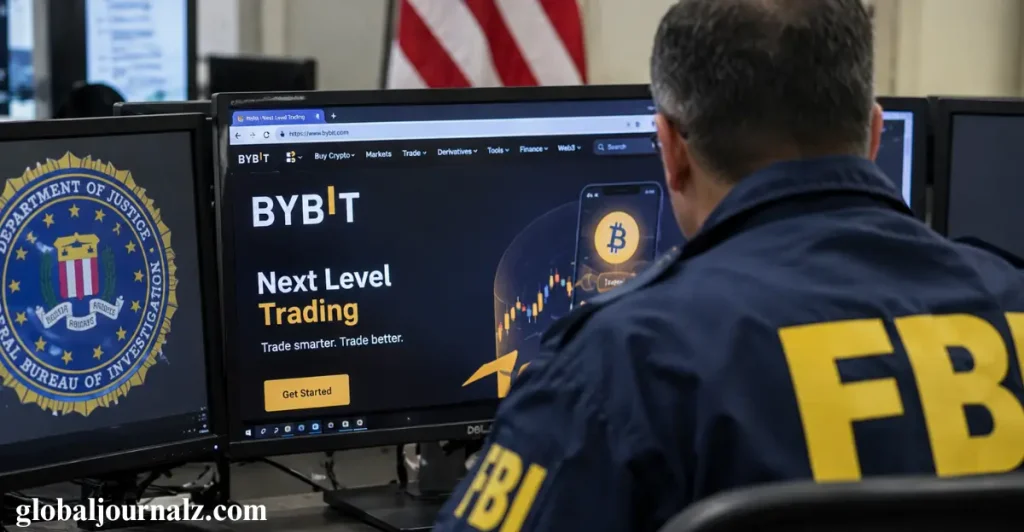
The Federal Bureau of Investigation (FBI) has previously linked North Korean hackers to major cryptocurrency thefts, including the $1.5bn Bybit exchange theft in 2025. Investigators attributed that incident to TraderTraitor, strengthening concerns about the group’s ability to target major digital asset platforms.
Following the Bybit incident, investigators examined how the attackers accessed systems, transferred stolen cryptocurrency and attempted to conceal the movement of funds. The investigation highlighted the importance of tracking digital asset transfers, identifying suspicious wallets and monitoring transactions connected to organised cybercrime networks.
North Korean-linked hacking groups have reportedly used complex money laundering methods to convert stolen cryptocurrency into other digital assets and eventually hard currency. These activities make international cooperation essential, as cryptocurrency investigations often involve several exchanges, blockchain networks and financial intermediaries operating across different countries.
North Korea’s Hacker Recruitment and Cyberwarfare Network
North Korea’s cyber capabilities are believed to rely on a structured system for identifying and training talented students. North Korean universities reportedly play an important role in developing technical skills, with promising students selected for specialised programmes connected to national intelligence and cyber operations.
Researchers have described a network of organised hacking groups operating beyond North Korea’s borders, including through overseas technology and cyber operations in China. These international connections can provide access to digital infrastructure, financial networks and potential targets while making it more difficult for investigators to identify those responsible.
The recruitment and development of skilled hackers support a broader strategy involving international cyberwarfare, intelligence gathering and financial gain. Cryptocurrency theft networks have become an important concern because stolen funds can be transferred rapidly, making detection and recovery difficult for governments, exchanges and cybersecurity organisations.
Binance Hot Wallet Exploit and Previous Crypto Theft
A Binance hot wallet is an internet-connected cryptocurrency wallet used to support exchange operations and process transactions. Because these wallets remain connected to online systems, they allow faster access to digital assets but also require strong security controls to prevent unauthorised activity.
Investigators are examining how attackers may have exploited systems responsible for transaction approval and special authorisation. Reports indicate that compromised access allowed the attackers to initiate unauthorised withdrawals and direct funds towards attacker-controlled addresses, although the precise technical details remain part of the investigation.
The incident has renewed attention on previous major crypto thefts, including the $620m cryptocurrency theft in 2022 and the importance of stronger digital asset security. Monitoring blockchain transactions, limiting wallet permissions and improving approval procedures are essential measures for reducing the risks of another large-scale crypto heist involving suspected North Korean agents.
Binance Hot Wallet Signing System Breach
TRM Labs identified a possible connection between the suspected cryptocurrency theft and the Binance hot wallet signing system. The analysis suggested that an attacker may have gained access to the system responsible for authorising transactions. This raised concerns about the security of digital asset infrastructure and the mechanisms exchanges use to approve cryptocurrency withdrawals.
The suspected cyberattack has drawn attention to how unauthorised access to a wallet signing system could create opportunities for cryptocurrency theft. Hot wallets are connected to systems that facilitate transactions, making their security particularly important for exchanges handling large amounts of digital assets. A weakness in signing procedures could potentially expose funds to unauthorised withdrawals.
The incident has renewed discussions about blockchain security, wallet authentication, and digital asset protection. Although blockchain transactions can be tracked, preventing unauthorised transfers requires strong internal security controls. The investigation into the possible Binance breach may help establish how the attacker accessed the system and whether weaknesses in the wallet signing process contributed to the suspected cryptocurrency theft.
TRM Labs Analysis of the Suspected Binance Cyberattack
TRM Labs plays an important role in analysing blockchain transactions and identifying patterns associated with suspicious cryptocurrency movements. Its assessment of the Binance incident focused on the possibility that an attacker gained access to the exchange’s hot wallet signing infrastructure. Such analysis can help investigators understand how funds moved and identify potential connections between suspicious transactions.
The suspected attack highlights the importance of examining transaction approvals, wallet activity, and access to sensitive signing systems. When attackers gain control over critical security components, they may attempt to authorise transfers that appear legitimate within the transaction process. Investigators therefore need to examine both blockchain records and the internal systems used to approve withdrawals.
Blockchain intelligence can also support the wider cryptocurrency security investigation by helping exchanges identify potentially stolen assets. However, tracing suspicious transactions does not automatically establish how an attacker entered a system or who was responsible. Further technical analysis and cooperation between security specialists and exchange investigators remain important for determining the full circumstances of the incident.
Binance Investigation and Additional Security Breaches
The Binance investigation has examined the possible role of a compromised engineer’s laptop and whether the incident involved a wider cyberattack. Investigators have also considered the possibility of additional points of breach, raising questions about whether the suspected attack was limited to one device or involved other parts of the exchange’s infrastructure.
Richard Teng, Binance’s co-CEO, has been associated with the company’s response to questions about the security incident. The exchange has faced BBC queries concerning the suspected attack, possible links between security breaches, and the measures being taken to investigate the incident. These questions reflect wider interest in how Binance identified the problem and responded to potential unauthorised access.
A subsequent investigation is important for understanding the timeline of the attack, the systems potentially affected, and the security measures introduced after its discovery. Examining possible attack links can help determine whether the compromised engineer’s laptop was the main entry point or whether other vulnerabilities were involved. Binance’s official response and further technical findings will be central to clarifying the incident.
Compromised Engineer’s Laptop and Internal Security Risks
The possible involvement of a compromised engineer’s laptop has highlighted the cybersecurity risks associated with employee devices. Engineers working within major cryptocurrency exchanges may have access to sensitive systems, technical information, or operational tools. If an attacker compromises a device with privileged access, the consequences could extend beyond an individual employee’s account.
This possibility raises concerns about internal access controls, employee authentication, and endpoint security. Cryptocurrency companies need to protect workstations against malicious software, phishing attempts, stolen credentials, and unauthorised remote access. Limiting permissions and monitoring unusual activity can help reduce the opportunities available to attackers seeking access to critical infrastructure.
The investigation must establish whether the laptop was directly connected to the suspected Binance hot wallet breach or formed part of a wider attack. Identifying the initial entry point is essential for understanding the potential security failure. It can also help Binance and other exchanges strengthen employee device protection and prevent similar incidents involving sensitive wallet signing systems.
Recovery of Stolen Cryptocurrency Assets
The recovery of stolen funds has become a major part of the Binance security response. A Binance spokesperson announced on Friday that approximately 80% of the stolen assets had been secured. The development indicated progress in tracking and protecting cryptocurrency connected to the suspected incident, although some funds remained unaccounted for.
The remaining assets have kept attention focused on cryptocurrency recovery, frozen funds, and the investigation into suspicious transactions. Recovering stolen digital assets can involve monitoring blockchain activity, identifying wallets associated with the theft, and coordinating with other cryptocurrency platforms. These efforts may help prevent attackers from moving or converting funds that investigators have identified.
Although securing 80% of the assets represents significant progress according to the spokesperson’s announcement, the remaining unaccounted funds continue to present challenges. Investigators must establish where those assets moved and whether they can be recovered. The final financial impact will depend on the outcome of the ongoing investigation and the amount of cryptocurrency that can ultimately be secured.
Frozen Funds and Digital Asset Tracking
Frozen funds can play an important role in limiting the movement of cryptocurrency associated with suspected criminal activity. When digital assets are identified on platforms that have the ability to restrict them, cooperation may help prevent further transfers. This can give investigators additional time to examine transaction histories and establish possible connections between wallets.
Digital asset tracking relies on analysing blockchain records, transaction addresses, and patterns of cryptocurrency movement. Security specialists can use this information to follow funds between wallets and identify transactions that may be connected to a suspected theft. However, tracing assets across different networks and services can become complicated when attackers attempt to conceal their movements.
The recovery process also requires cooperation among cryptocurrency exchanges, blockchain intelligence firms, and relevant authorities. Securing funds does not always mean that they can immediately be returned to affected parties, as further verification and investigation may be necessary. Binance’s recovery efforts therefore remain connected to the wider challenge of protecting digital assets against sophisticated cybercrime operations.
North Korean Hackers and Record-Breaking Crypto Heist
The suspected involvement of North Korean hackers has brought renewed attention to state-backed cybercrime and major cryptocurrency thefts. North Korean-linked threat actors have been associated with sophisticated attacks targeting digital asset platforms, financial services, and blockchain infrastructure. These operations have raised international cybersecurity concerns because of their technical complexity and potential financial consequences.
The incident has also drawn comparisons with a record-making heist involving a cryptocurrency exchange. Powerful cybercriminal groups and suspected state-backed attackers may use advanced hacking capabilities to exploit weaknesses in digital systems. Their methods can involve compromised devices, stolen credentials, malicious software, and carefully planned access to sensitive operational infrastructure.
Attributing a cyberattack to a particular group requires technical evidence, intelligence assessments, and careful investigation. Although suspected North Korean involvement has become an important area of discussion, investigators must establish the available evidence before reaching firm conclusions. The wider concern is that sophisticated cybercrime operations can target major exchanges and create serious challenges for international financial security.
Advanced Hacking Capabilities and Cryptocurrency Exchange Attacks
Modern cryptocurrency exchange attacks can involve sophisticated methods designed to bypass security controls and gain access to valuable digital assets. Attackers may investigate employee systems, identify weaknesses in authentication procedures, or target the infrastructure responsible for approving cryptocurrency transactions. These techniques make exchange security a continuing challenge for companies operating large digital asset platforms.
Powerful cybercriminal groups may combine social engineering, malicious software, and technical vulnerabilities to compromise sensitive systems. Once access is obtained, attackers may attempt to move funds quickly before security teams identify suspicious activity. This makes rapid detection, transaction monitoring, and effective incident response essential components of cryptocurrency protection.
The suspected Binance incident demonstrates why exchanges must continuously evaluate their security arrangements. Advanced hacking capabilities can create risks for hot wallets, internal networks, and transaction approval processes. Strengthening access controls, protecting employee devices, and monitoring unusual wallet activity can help reduce exposure to cyberattacks targeting digital asset infrastructure.
Artificial Intelligence and the Evolution of Cybercrime
Artificial intelligence is changing the cybersecurity landscape by providing new capabilities for analysing information, automating tasks, and identifying patterns. However, these developments also create concerns about how threat actors may use AI-powered tools to support malicious activities. The growing availability of advanced technology has made discussions about AI-powered cybercrime increasingly relevant to financial institutions and cryptocurrency exchanges.
AI-powered cybercrime could involve automated phishing campaigns, more convincing fraudulent communications, and tools that help attackers examine potential vulnerabilities. Automation may allow malicious actors to perform certain activities more quickly and at greater scale. These possibilities create additional challenges for cybersecurity teams responsible for protecting sensitive accounts, employee devices, and financial infrastructure.
The use of artificial intelligence in cybercrime remains an evolving concern, and it should not be assumed that AI was involved in the suspected Binance incident without supporting evidence. Nevertheless, the development of advanced cyber tools highlights the need for stronger digital protection. Exchanges must continue improving threat detection, security monitoring, and employee awareness to address changing cybercrime techniques.
AI-Powered Attacks and Cryptocurrency Security Challenges
AI-powered attacks may create new challenges for cryptocurrency companies because automated tools can support activities such as information gathering, phishing, and the identification of potential security weaknesses. As technology develops, attackers may find additional ways to use automation to target employees, digital wallets, and systems involved in cryptocurrency transactions.
For exchanges, the challenge involves identifying unusual behaviour before it develops into a major security incident. Cybersecurity automation can also support defenders by helping teams monitor network activity, detect suspicious login attempts, and identify abnormal transaction patterns. Combining advanced security technology with human investigation can improve the ability to respond to emerging digital threats.
The future of cryptocurrency security will depend on how effectively companies adapt to evolving cybercrime techniques. Exchanges must protect hot wallets, secure internal signing systems, and maintain strict controls over access to digital assets. As artificial intelligence becomes more widely used, the relationship between automated threats and advanced cybersecurity protection will remain an important issue for the global cryptocurrency industry.
Global Cryptocurrency Security and Exchange Protection
The suspected Binance breach has renewed attention on the security standards followed by major cryptocurrency exchanges. Platforms handling substantial amounts of digital assets must protect wallet infrastructure, transaction approval systems, employee accounts, and customer information. A security failure in one area can potentially create risks across multiple services and operational processes.
Global cryptocurrency security also depends on cooperation between exchanges, blockchain intelligence companies, and cybersecurity specialists. Sharing information about suspicious wallet addresses and emerging attack methods can help platforms identify threats more quickly. Industry cooperation is particularly important when stolen assets move across different exchanges or blockchain networks.
The incident offers a wider reminder that digital asset protection requires continuous investment in technology, employee security, and incident response. Binance’s investigation and reported recovery of 80% of the stolen assets provide important developments in the ongoing case. Further findings may help clarify the suspected attack method and contribute to stronger security practices across the cryptocurrency industry.
Conclusion
The suspected North Korean attack on Binance highlights the growing threat of state-sponsored cybercrime in the cryptocurrency industry. Stealing digital assets can provide North Korea with another way to generate revenue, avoid international sanctions, and potentially support its military programs. The incident also raises important questions about the security measures used by major cryptocurrency exchanges. As investigations continue, stronger cybersecurity systems and international cooperation will be essential to preventing similar attacks. Protecting digital assets requires constant vigilance as cybercriminals develop increasingly sophisticated techniques.
1. Why did North Korea target Binance in 2026?
North Korea allegedly targeted Binance to steal valuable cryptocurrency and generate funds outside traditional financial systems. Such cyberattacks are believed to help the country bypass international sanctions and obtain foreign currency.
2. Which North Korean hacking group was linked to the Binance attack?
The suspected attack was linked to TraderTraitor, a hacking group associated with North Korean cyber operations. The group has previously been connected to major cryptocurrency thefts and attacks against digital asset platforms.
3. How much cryptocurrency was affected in the Binance hack?
The reported incident involved approximately $6.3 billion in cryptocurrency assets. Investigators have examined the movement of funds across multiple blockchain networks to understand the scale of the suspected theft.
4. How does North Korea benefit from cryptocurrency theft?
Stolen cryptocurrency can provide access to funds that are difficult to trace through traditional banking systems. Investigators and international authorities have linked North Korean crypto thefts to sanctions evasion and the financing of government programs.
5. How can cryptocurrency exchanges prevent North Korean cyberattacks?
Exchanges can strengthen security through multi-factor authentication, strict access controls, continuous transaction monitoring, and regular security audits. Cooperation with blockchain investigators also helps identify suspicious transfers and freeze stolen assets when possible.