 By Muhammad Bilal

The Russia-Ukraine war remains a major international conflict, affecting security, the economy, and humanitarian conditions. Since Russia’s invasion of Ukraine in February 2022 the war has caused widespread destruction and increased tensions between world powers. Its effects continue to influence global markets and food prices. Military attacks and diplomatic efforts remain central to the conflict’s future. Read on to understand the latest developments and their global impact.
Table of Contents
1. Latest Developments in the Russia-Ukraine War

The Russia-Ukraine war continues to involve intense military operations, missile strikes and drone attacks on important infrastructure. On October 20, 2026, reports described new Russian aerial attacks that killed civilians and caused power outages across several Ukrainian regions. These developments have increased concerns about civilian safety and the stability of essential services.
Meanwhile Ukrainian President Volodymyr Zelenskyy is meeting American and European officials in Norway to discuss military assistance and diplomatic options. Ukraine is seeking stronger air defenses and continued international cooperation as the conflict continues. These discussions highlight the importance of military support and diplomacy in shaping the next stage of the war.
2. Peace Negotiations and International Relations

Diplomatic efforts remain an important part of the international response to the war but reaching a lasting peace agreement remains difficult. Russia and Ukraine continue to disagree over occupied territories, security guarantees and the conditions needed to end hostilities. These unresolved issues have made negotiations complicated and increased uncertainty about the conflict’s future.
On October 20, 2026, discussions involving Zelenskyy, American envoy Steve Witkoff and European representatives focused on security and diplomatic engagement. However tensions between Washington and Kyiv have raised concerns about the consistency of American support. Progress toward peace will depend on meaningful negotiations, credible commitments and arrangements that reduce the risk of renewed fighting
3. Humanitarian Crisis and Civilian Impact
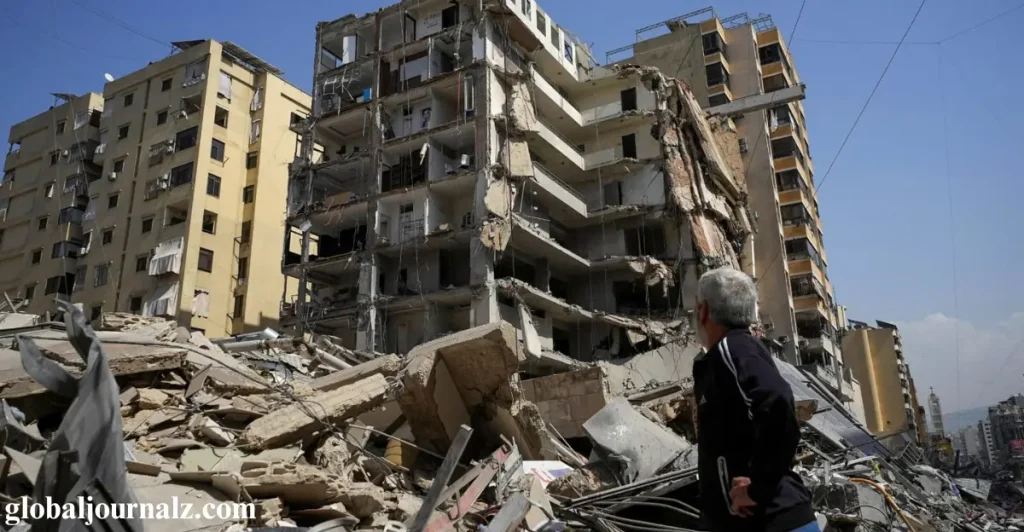
The war has created a serious humanitarian crisis, with civilians facing displacement, injuries, damaged homes and limited access to essential services. Families living near frontline areas remain particularly vulnerable to shelling and attacks. Damage to electricity, heating, healthcare and water systems also makes daily life increasingly difficult for affected communities.
According to the United Nations’ 2026 humanitarian plan, approximately 10.8 million people in Ukraine are expected to need humanitarian assistance during the year. International organizations are working to provide food, medical care, shelter and financial support to vulnerable families. Continued funding and safe humanitarian access are essential to helping displaced people and communities affected by the conflict.
4. Economic Impact on Global Markets

The Russia-Ukraine war continues to create uncertainty in international markets by disrupting trade, damaging infrastructure, and increasing government spending. Businesses may face higher transportation costs, supply-chain delays and difficulties planning future investments. These pressures can affect economic growth and contribute to price instability in different regions.
Ukraine has also suffered extensive economic damage, particularly to housing, transport, energy and industrial facilities. A February 2026 assessment by the World Bank, the European Union, the United Nations and the Ukrainian government estimated that recovery and reconstruction would require approximately $588 billion over ten years. Rebuilding the country will require substantial investment, international assistance and long-term economic cooperation.
5. Effects on Global Energy and Food Security
Russia and Ukraine are important participants in global energy and agricultural markets, making the conflict significant for international food and fuel supplies. Attacks on energy infrastructure, trade restrictions, and transportation disruptions can increase uncertainty in oil, gas, and agricultural markets. Changes in these markets may affect production costs, transportation expenses, and household budgets.
Ukraine’s agricultural exports, including grain and vegetable oils are important to many international buyers. When exports face delays or shipping becomes more expensive, countries that depend on imported food can experience additional economic pressure. These challenges highlight the importance of reliable shipping routes, diversified suppliers and international cooperation to protect global food and energy security.
6. Impact on European Security and Global Politics
The conflict has significantly influenced European security policies and defense planning. European governments have increased their focus on military readiness, air defense, intelligence sharing and cooperation with international partners. The war has also strengthened discussions about the protection of critical infrastructure and the security of neighboring countries.
Beyond Europe the conflict has affected relations between major powers and increased disagreements over sanctions, military assistance and diplomatic priorities. Changes in international support can influence Ukraine’s ability to defend its territory and affect wider geopolitical relationships. The war demonstrates how a regional conflict can reshape global alliances, defense strategies and international political decisions.
7. What Could Happen Next?
The future of the Russia-Ukraine war remains uncertain because military operations, diplomatic decisions and international policies continue to evolve. If fighting intensifies civilian suffering and infrastructure damage could increase, creating additional challenges for Ukraine and its international partners. Continued uncertainty may also affect investment energy markets and regional security.
However sustained diplomatic engagement could create opportunities for a ceasefire and eventual peace agreement. Any lasting settlement would need to address security concerns, territorial disagreements, civilian protection and the reconstruction of damaged communities. Although progress may be difficult, international cooperation and credible negotiations could help reduce violence and establish conditions for long-term stability.
Conclusion
The Russia-Ukraine war continues to affect global security and humanitarian efforts. Recent attacks and diplomatic discussions highlight the challenges of ending the conflict. Its effects extend beyond Eastern Europe, influencing energy markets, food supplies and international trade. Rebuilding Ukraine and supporting displaced civilians will require long-term cooperation. A lasting peace depends on serious negotiations and effective security measures. The conflict also continues to shape relations between major world powers. Understanding these developments helps explain the conflict’s global importance.
What are the latest developments in the Russia-Ukraine war?
As of October 20, 2026, Russian missile and drone attacks continue to affect Ukrainian communities and infrastructure. Ukrainian leaders are also holding discussions with American and European officials about military support and diplomatic options.
How does the Russia-Ukraine war affect the global economy?
The conflict creates uncertainty in international trade, energy markets, and investment. Higher transportation costs, damaged infrastructure, and disrupted supply chains can also affect businesses and consumers.
Why is the Russia-Ukraine war important for Europe?
The war has increased European security concerns and encouraged greater attention to defense spending, military readiness, and cooperation among regional partners.
How has the conflict affected global food security?
Disruptions to agricultural exports and shipping routes can increase food prices and create supply challenges for countries that depend on imported grain and vegetable oils.
Is a peaceful solution to the Russia-Ukraine war possible?
A peaceful solution remains possible but major disagreements over territory, security guarantees and political conditions make negotiations challenging. A lasting agreement would require meaningful diplomacy and credible commitments from the parties involved.