 By Muhammad Bilal

The ancient Egyptian civilization is remembered for its magnificent pyramids and mysterious world of pharaohs. Built along the Nile River, this remarkable society developed a rich culture with unique beliefs and traditions that shaped its history for thousands of years. From hieroglyphics to impressive temples, ancient Egypt left behind discoveries that continue to fascinate historians. Explore the world of ancient Egypt and discover the secrets of one of history’s greatest civilizations.
Table of Contents
The Natural World of Egypt

The natural world of Egypt was shaped by the powerful Nile River and the vast deserts surrounding it. The river provided fertile land and supported agriculture while its annual floods brought renewal to nearby communities. Beyond the river valley, extreme heat and shifting sands made survival difficult. These natural conditions also influenced Egyptian beliefs and connected the environment with their gods and religious traditions.
Animals and Their Religious Significance
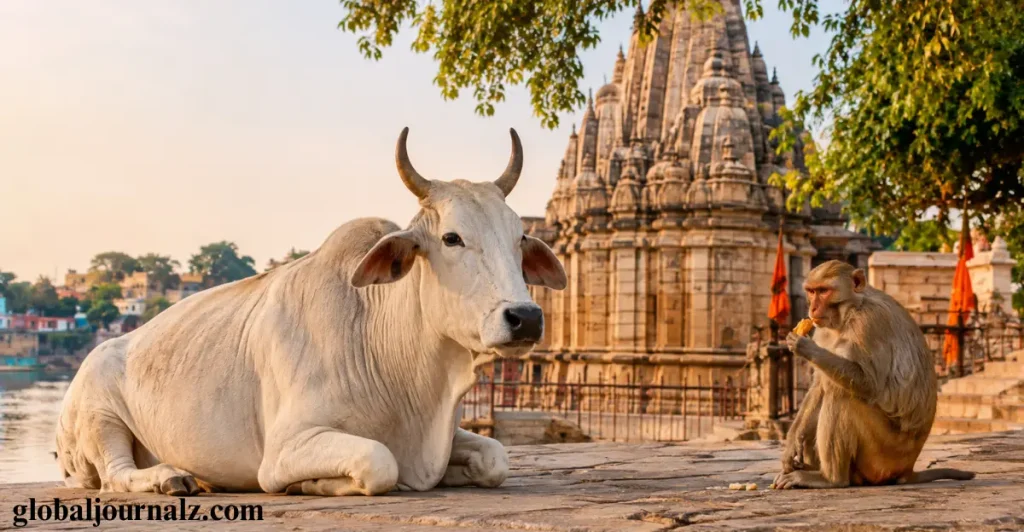
Animals played an important role in ancient Egyptian culture and appeared throughout its religious imagery. Gods were often represented with human bodies and animal heads to express their divine qualities. Creatures such as falcons, ibises, and crocodiles became closely associated with particular deities. Animals were respected because Egyptians believed they could represent earthly forms of divine powers.
Wildlife Along the Nile River

The Nile River supported a wide variety of wildlife and provided an important source of food for Egyptian communities. Fish appeared frequently in tomb paintings and fishing scenes because they represented the abundance of the river. However dangerous creatures such as crocodiles and hippopotamuses also lived in its waters. Egyptians used protective spells and magical practices to guard themselves against these threats.
Desert Animals and Sacred Creatures
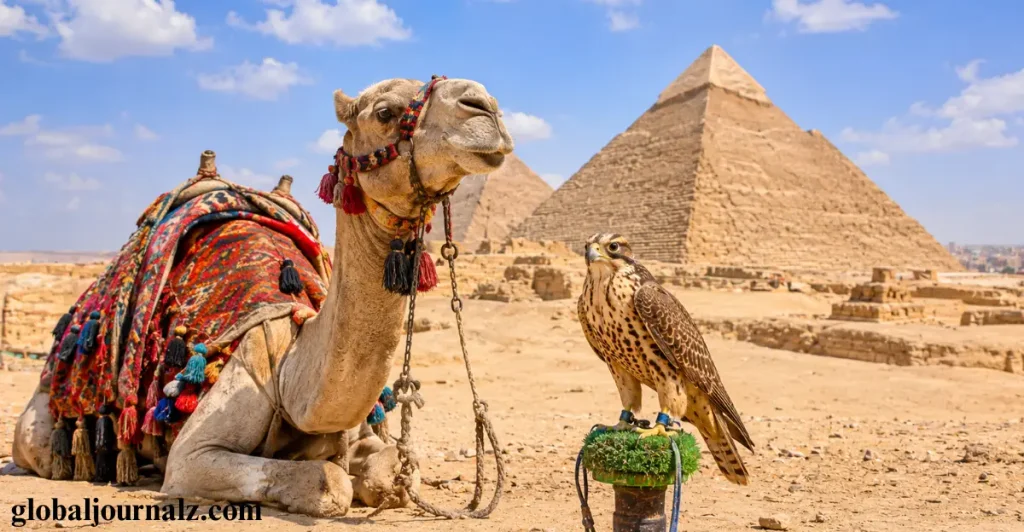
Egypt’s deserts were home to powerful animals such as lions leopards jackals cobras and scorpions. These creatures became important symbols in Egyptian religion because their strength and behavior were connected with different gods. The scarab beetle represented renewal while the sacred ibis became associated with divine knowledge. Such connections shaped religious art and the symbolic language of ancient Egypt.
Domesticated Animals and Daily Life
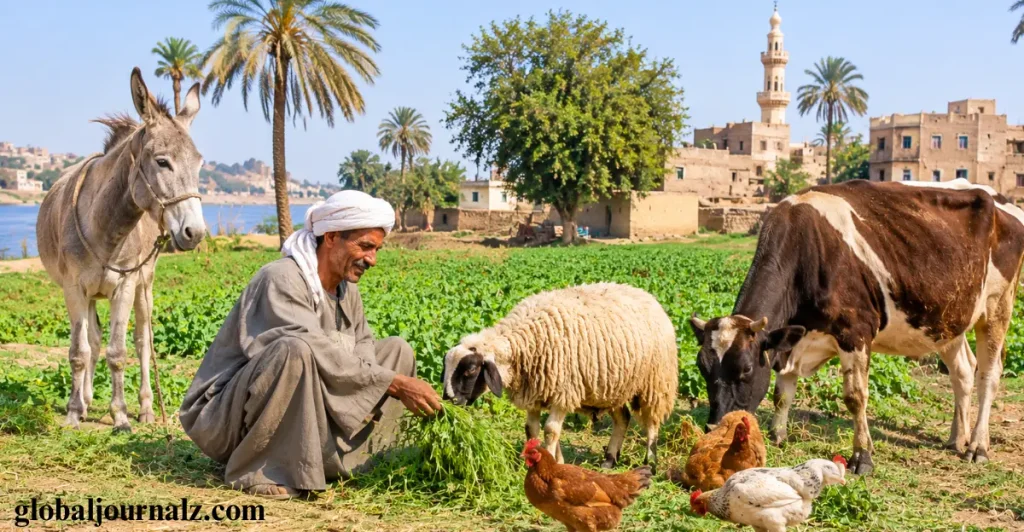
Domesticated animals were essential to agriculture and everyday life in ancient Egypt. Cattle were particularly valuable while donkeys and rams also supported farming and other activities. Tomb paintings and wooden models show herdsmen feeding animals and caring for their cattle. These scenes provide valuable evidence of animal husbandry and the importance of livestock in Egyptian society.
Animals and Royal Power
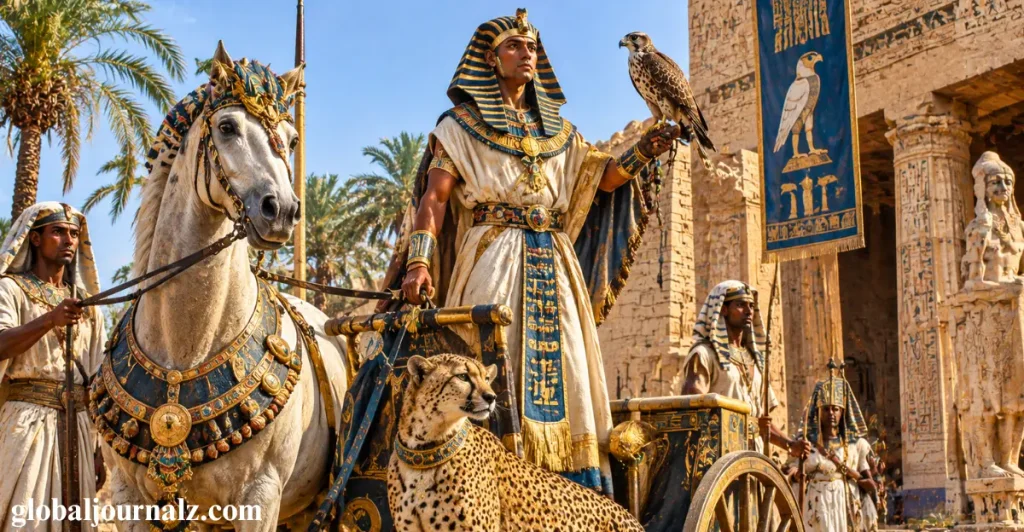
Animals also represented authority and strength in ancient Egyptian kingship. The wild bull became a symbol of royal power while lions represented the king’s ability to defeat enemies. Early rulers were sometimes associated with powerful animals in ceremonial artwork. This relationship became especially visible in the Great Sphinx of Giza which combines a lion’s body with the head of a king.
Historical Setting of Ancient Egypt

The historical setting of ancient Egypt developed across thousands of years through periods of political unity and instability. Early traditions continued through different dynasties while new cultural influences gradually became part of Egyptian society. Major periods included the Predynastic Period, Early Dynastic Period Old Kingdom Middle Kingdom and New Kingdom. Later Egypt experienced the Late Period followed by Ptolemaic and Roman rule.
Social Organization and the Pharaoh
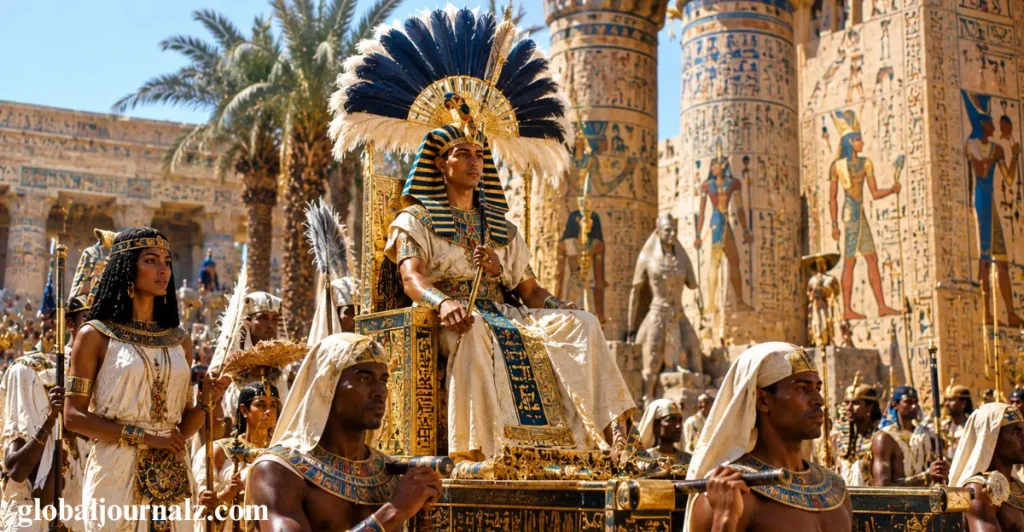
Ancient Egyptian society followed a hierarchical structure led by the pharaoh who held both political and religious authority. Egyptians viewed the king as the earthly manifestation of Horus and believed he was responsible for maintaining order throughout the kingdom. Government officials managed administration and supervised different areas of public life. This system helped organize resources and maintain the authority of the Egyptian state.
Agriculture and the Egyptian Economy
Agriculture formed the foundation of the ancient Egyptian economy and depended heavily on the fertile land surrounding the Nile. Farmers produced crops that were collected and distributed through central storehouses. Most workers received wages in grain rather than modern currency. Farming skills and traditional occupations were commonly passed from parents to children through practical training.
Ancient Egyptian Art and Its Purpose
Ancient Egyptian art followed established traditions that reflected religious beliefs and political stability. Artists created statues and paintings for temples and tombs rather than simply for decoration. Consistent artistic styles represented the Egyptian concept of ma’at which emphasized balance and proper order. These traditions helped preserve a recognizable artistic identity across different historical periods.
Consistency and Balance in Egyptian Art
Balance and consistency were central features of Egyptian art. Artists used a structured canon of proportions to maintain accurate body measurements in their figures. They also applied hierarchical scale to show important people at larger sizes than others. These artistic conventions created a clear visual order that reflected the religious and social values of ancient Egypt.
Creative Details in Egyptian Artwork
Although much Egyptian artwork followed strict traditions it also included impressive natural details. Sculptors carefully represented human muscles and facial features while painters captured animals and everyday activities. The paintings in Nebamun’s tomb show hunting scenes and lively entertainment along the Nile. The wooden portrait of Queen Tiye also demonstrates the skill of Egyptian artists in creating expressive representations.
Metalworking Traditions in Ancient Egypt
Ancient Egyptian artisans developed advanced metalworking traditions and produced finely crafted objects for royal and religious purposes. Their skills included shaping metals and creating detailed jewelry with precious stones. The tomb paintings of workshops provide evidence of how craftsmen organized their work. Jewelry from the Middle Kingdom demonstrates remarkable precision through its detailed designs and carefully placed inlays.
Conclusion
Ancient Egypt remains one of the most remarkable civilizations in human history because of its lasting cultural and historical achievements. Its connection with the Nile River shaped agriculture and everyday life while animals influenced religious beliefs and royal symbols. The pharaohs maintained a powerful social structure that guided the kingdom through different historical periods. Egyptian artists and craftsmen developed impressive techniques in sculpture and metalworking that reflected their creativity and skills. From the Great Sphinx to beautifully crafted jewelry, their achievements continue to reveal the depth of this ancient society.
1. What made ancient Egypt one of the greatest civilizations?
Ancient Egypt developed a rich culture supported by the Nile River and organized government. Its pyramids and temples reflected advanced architectural skills. Religious traditions and artistic achievements also shaped its lasting legacy.
2. How did the Nile River influence Egyptian life?
The Nile River provided water and fertile soil for agriculture. Its annual floods helped farmers grow crops and support nearby communities. It also supplied fish and supported different forms of wildlife.
3. Why were animals important in ancient Egyptian religion?
Animals were closely connected with Egyptian gods and religious beliefs. Many deities appeared with human bodies and animal heads to represent divine qualities. Creatures such as falcons and ibises became important religious symbols.
4. Which role did the pharaoh play in Egyptian society?
The pharaoh held the highest political and religious authority in ancient Egypt. Egyptians viewed the king as the earthly manifestation of Horus. Government officials helped manage administration and maintain the kingdom.
5. What were the main features of ancient Egyptian art?
Ancient Egyptian art followed traditions based on balance and consistent proportions. Artists created statues and paintings for temples and tombs. Their work also included detailed representations of animals and everyday activities.