 By Muhammad Bilal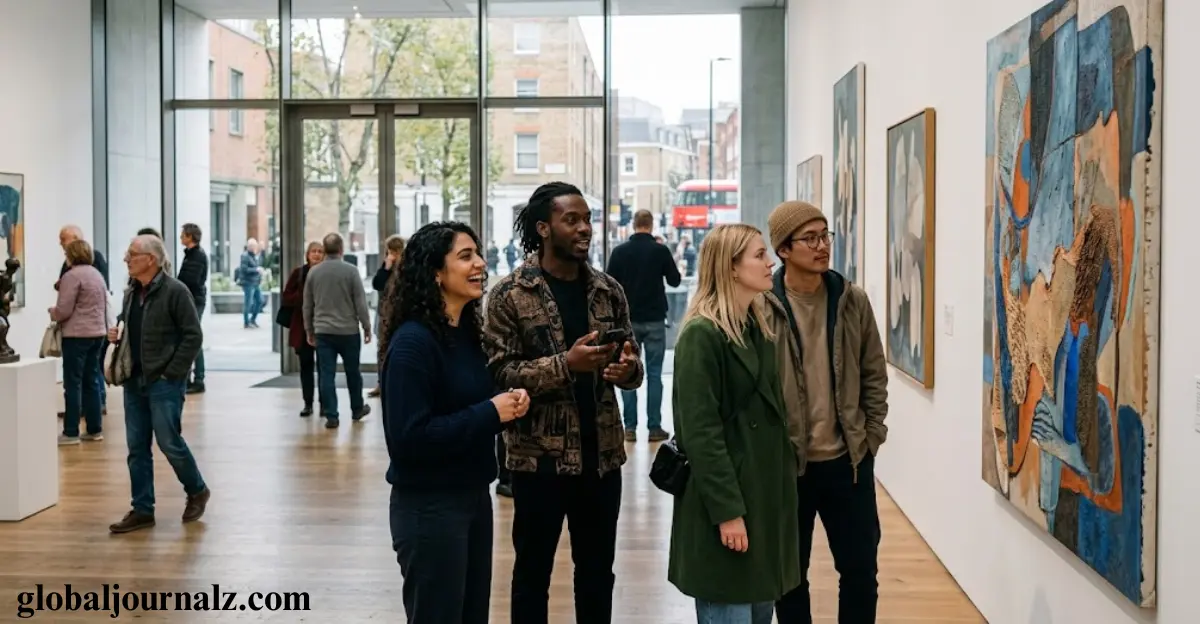
Art and culture shape how people see the world, express identity and connect with communities across generations. From paintings and literature to music, traditions, language and digital creativity, they reflect the values and experiences that define modern society. As cultures continue to interact and change, art offers a powerful way to understand different perspectives and social ideas. Explore the meaning of art and culture today and discover how they continue to influence modern life.
Table of Contents
Why Do Art and Culture Matter in Modern Society?
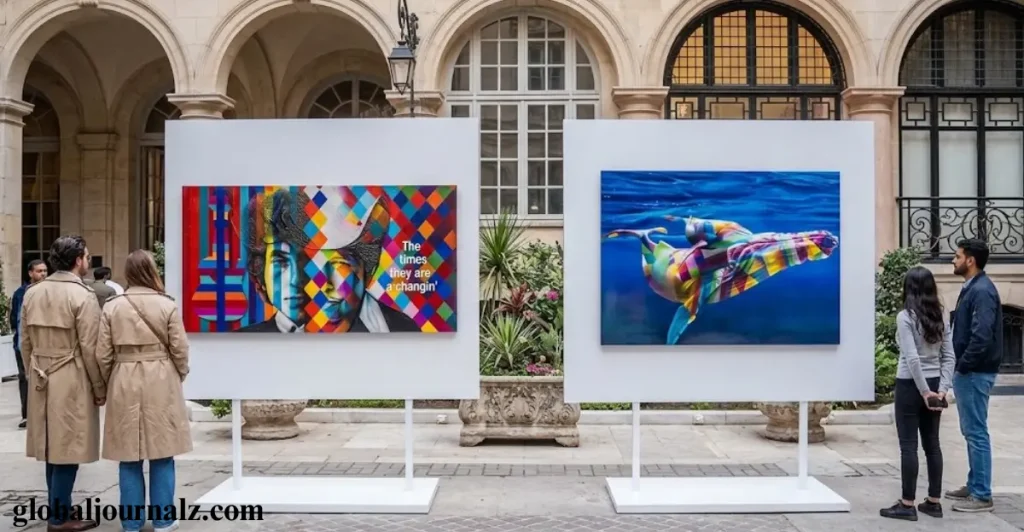
Modern society depends on art and culture to give people new ways to communicate, think and understand the world around them. They encourage creativity and self-expression while helping people from different backgrounds share their experiences and build stronger connections through music, visual art, traditions and digital media.
Beyond entertainment, art and culture can influence how society develops by encouraging innovation and challenging social norms. They create space for fresh ideas and different viewpoints while helping people stay connected to their cultural identity in a rapidly changing world.
How Has the Definition of Art Evolved Over Time?
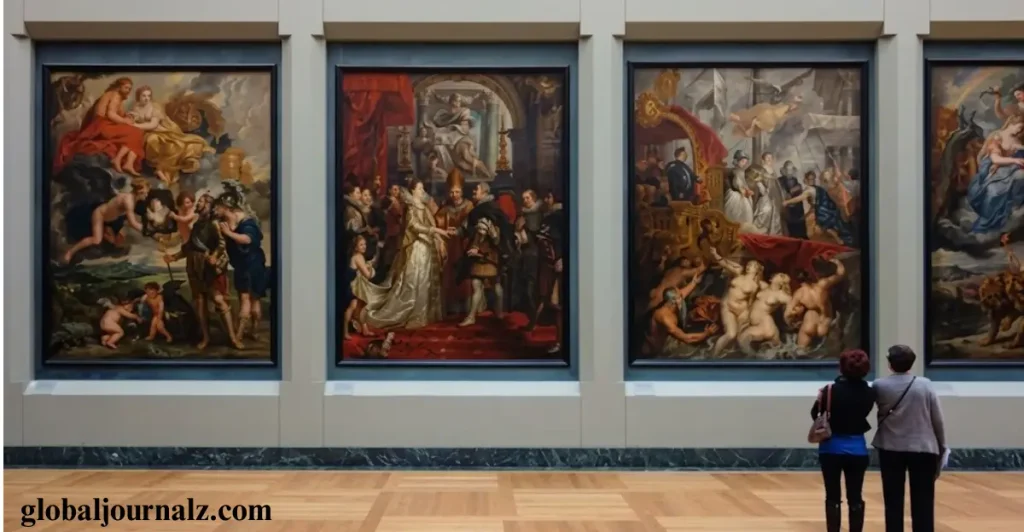
Art has changed with each era as people discovered new ways to express ideas and reflect societal values. Early cave paintings focused on symbols and storytelling, while Renaissance masterpieces introduced greater detail and human emotion. Today, art extends beyond traditional mediums to include digital art, conceptual art and performance art.
Modern artistic expression is also more accessible than ever as galleries and museums now share space with social media and digital platforms. This wider reach allows artists from different backgrounds to present new ideas and explore diverse forms of creativity.
In What Ways Has Culture Shaped Artistic Movements?
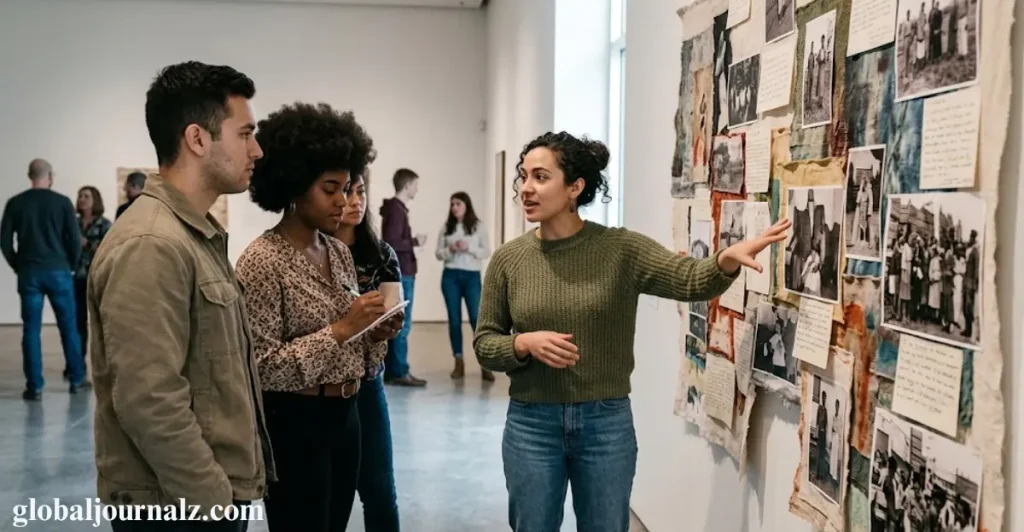
Cultural traditions and changing social values have strongly influenced artistic movements throughout history. The Harlem Renaissance celebrated African-American culture through jazz, poetry and visual arts, while street art often reflects urban life and social challenges. These influences allow artists to turn shared experiences into creative forms that speak to wider communities.
As societies change, artistic styles also develop to reflect new beliefs and cultural experiences. Traditions can shape the subjects, colors, symbols and methods artists use, while social changes can encourage fresh forms of expression. This connection between culture and art keeps artistic movements relevant to the communities they represent.
What Role Does Technology Play in Art and Culture Today?
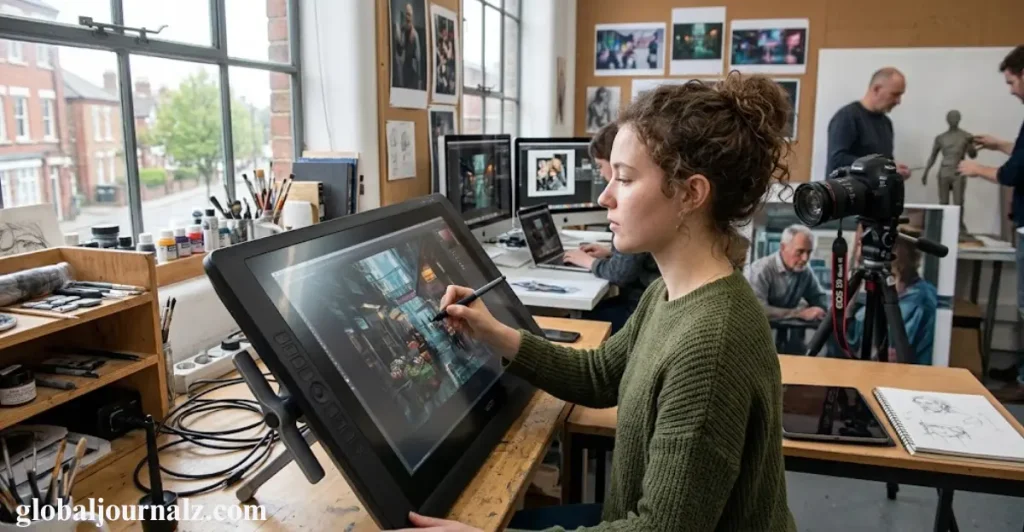
Technology has transformed how art and culture are created, shared and experienced in modern life. Digital tools such as 3D modeling and augmented reality give artists new ways to experiment, while social media allows creative work to reach audiences across the world. These tools have also made artistic content easier to discover outside traditional galleries and museums.
Digital platforms have also changed how people experience cultural performances and creative work. Streaming services can bring music performances and cultural events to audiences in different locations, while technology helps artists preserve regional heritage in new formats. This combination of tradition and innovation allows art and culture to remain connected to modern audiences.
How Can Communities Preserve Their Cultural Identity?
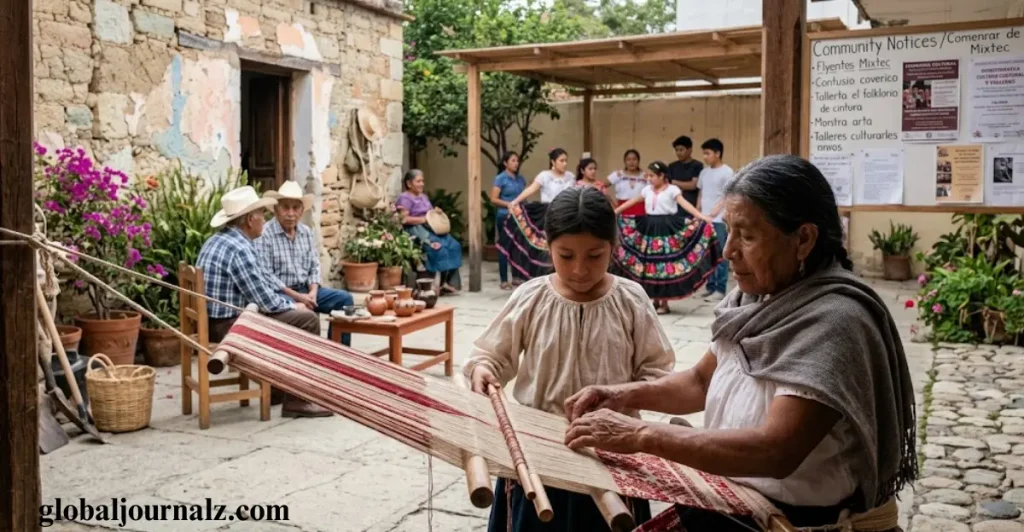
Communities can preserve their cultural identity by keeping traditions active through local festivals, museums, workshops and educational programs. These efforts help younger generations learn about their heritage while allowing cultural practices to adapt naturally as society changes. Community events can also bring people together and keep traditional art, music, food and customs visible in everyday life.
Education plays an important role in passing cultural knowledge from one generation to another. Schools, local organizations and families can introduce young people to traditional practices, while museums and community spaces provide places to experience them directly. This balance between preserving traditions and accepting contemporary influences helps culture remain meaningful in a changing world.
Why Is Modern Art Embracing Inclusivity?
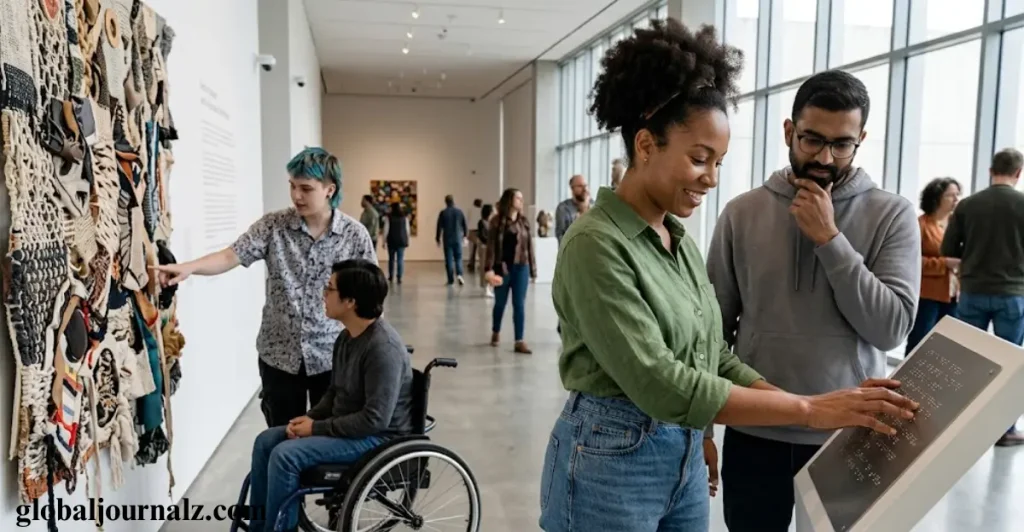
Modern art is becoming more inclusive because artists are bringing a wider range of voices, experiences and identities into creative spaces. Contemporary work often explores social justice, environmental sustainability, and identity while questioning traditional ideas about who can create art and whose stories deserve attention. This wider representation makes art more connected to the diverse society it reflects.
Inclusivity also allows underrepresented voices to use art as a form of advocacy and public expression. Through paintings, installations, performances and digital works, artists can highlight important social issues and encourage audiences to think about problems from different perspectives. By challenging traditional norms, modern art creates more space for dialogue, awareness and meaningful social change.
How Can Individuals Engage with Art and Culture?
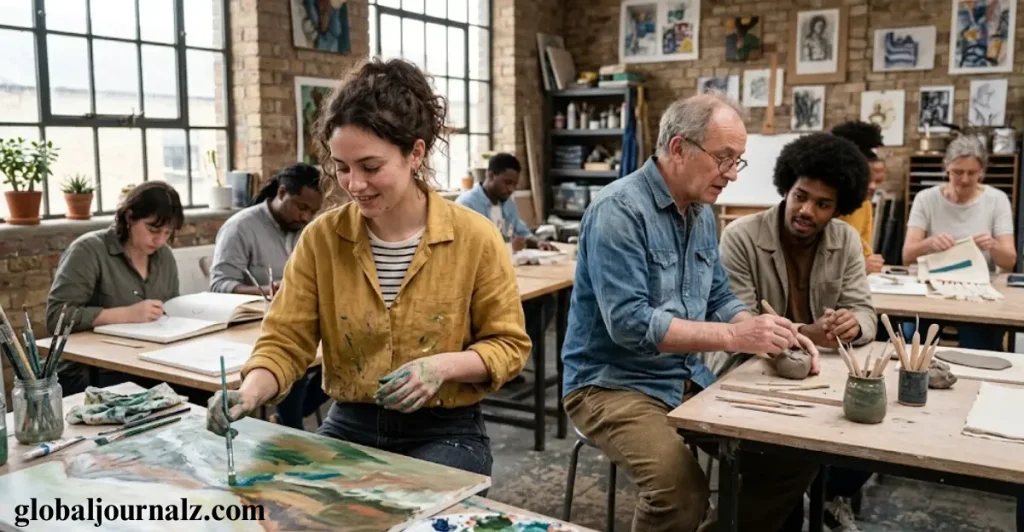
People can connect with art and culture in simple ways that fit into everyday life and personal interests. Visiting local art exhibits in galleries and museums offers a chance to explore different styles, while participating in community events such as festivals, workshops and performances creates a closer connection with local traditions.
Another way to become more involved is to support artists by purchasing their work, attending shows or contributing to creative projects. People can also learn a new skill through painting, music, or dance classes and use digital platforms to explore virtual exhibitions and online courses that bring global art and culture closer to home.
Conclusion
Art and culture remain an important part of modern life because they shape how people express ideas and understand the world. They connect communities by preserving traditions while also making space for new perspectives and creative forms. From traditional paintings and cultural festivals to digital art and online exhibitions, their influence continues to grow. Technology has also made artistic and cultural experiences more accessible to people across different places and backgrounds. At the same time, communities and individuals play an important role in keeping cultural identity alive and supporting creative expression. As society changes, art and culture continue to reflect those changes while encouraging creativity, connection and understanding.
1. How does art influence modern society?
Art influences modern society by shaping ideas about identity, creativity and social change. It gives people a way to express emotions and discuss important issues. It also helps communities understand different perspectives.
2. Why is culture important for personal identity?
Culture helps people understand their background, values and traditions. Language, food, music and customs can create a strong sense of belonging. These cultural connections often shape how people see themselves and others.
3. How is technology changing the art world?
Technology is giving artists new ways to create and share their work with global audiences. Digital art, virtual exhibitions and augmented reality are making creative experiences more accessible. Social media also allows artists to connect directly with viewers.
4. Why are cultural traditions still relevant today?
Cultural traditions keep important stories, values and practices connected to future generations. They can also adapt to modern lifestyles without losing their original meaning. This allows communities to protect their identity while embracing change.
5. How can people experience art and culture today?
People can explore art and culture through museums, festivals, performances and community events. Digital platforms also provide access to online exhibitions, courses and cultural content from around the world. Even learning a creative skill can offer a deeper connection with artistic expression.