 By Muhammad Bilal
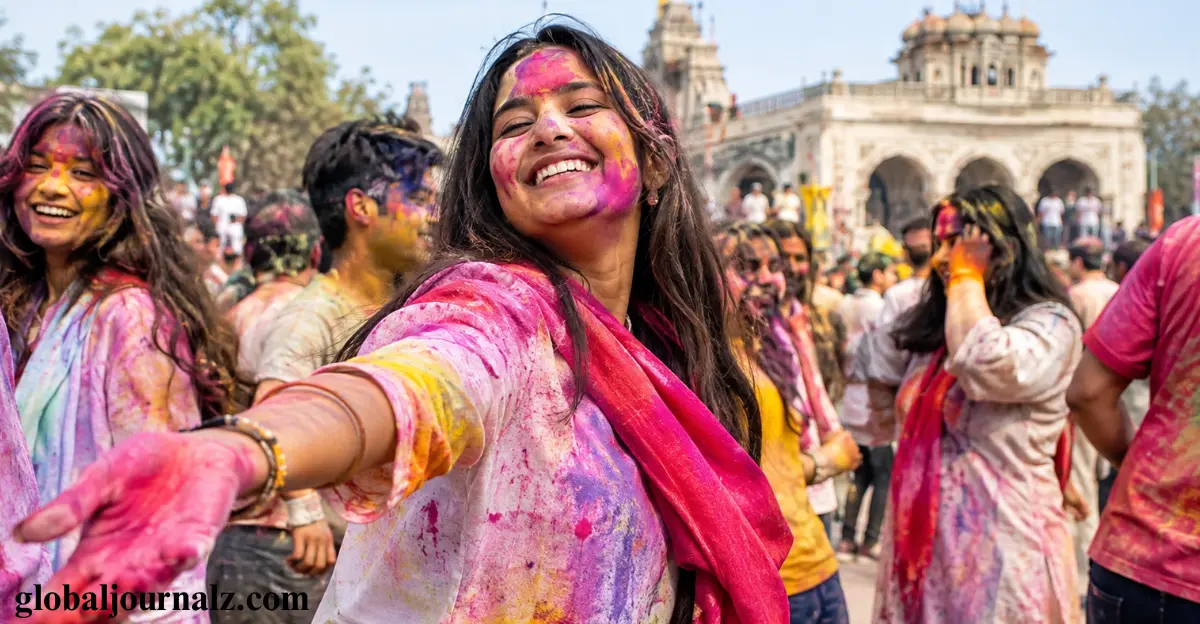
Festivals around the world offer a glimpse into the traditions and cultural identity of different countries. From Brazil’s famous Carnival to India’s colourful Holi and Germany’s Oktoberfest, each celebration has its own history and atmosphere. Some bring communities together through music and dance while others preserve religious customs and centuries-old traditions. Explore the top festivals around the world and discover the celebrations that make each destination unique.
Table of Contents
Día de los Muertos, Mexico

Mexico celebrates Día de los Muertos from October 31 to November 2 as families honour relatives who have passed away. Colourful ofrendas decorated with marigolds candles pumpkins and sugar skulls welcome the spirits of loved ones. In places like Oaxaca costumed parades bring the streets to life while families gather at cemeteries for food music and storytelling. The celebration offers a meaningful look at Mexican traditions and the connection between family and remembrance.
Songkran Festival, Thailand

Every April, Songkran Festival welcomes the Buddhist New Year with lively celebrations across Thailand. Traditional temple rituals include washing Buddha images with water as a symbol of cleansing and fresh beginnings. Across cities such as Chiang Mai, these customs have inspired energetic water fights where locals and visitors take part with buckets and water pistols. The festival combines religious traditions with street celebrations and brings communities together during the country’s hot season.
Semana Santa, Guatemala
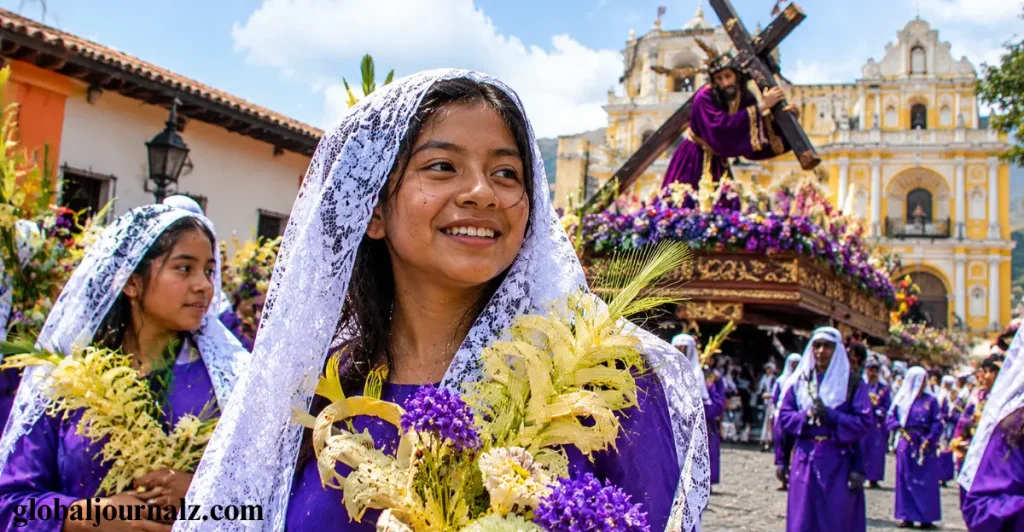
During Semana Santa, Guatemala transforms its historic streets into colourful scenes of religious devotion and artistic expression. The celebrations begin on Palm Sunday and continue through Easter with grand processions featuring enormous religious statues and elaborately dressed participants. In Antigua, residents create beautiful alfombras using flowers and brightly coloured sawdust before volunteer cucuruchos carry heavy floats across them. These temporary carpets make Holy Week a remarkable display of faith and local craftsmanship.
Obon Festival, Japan
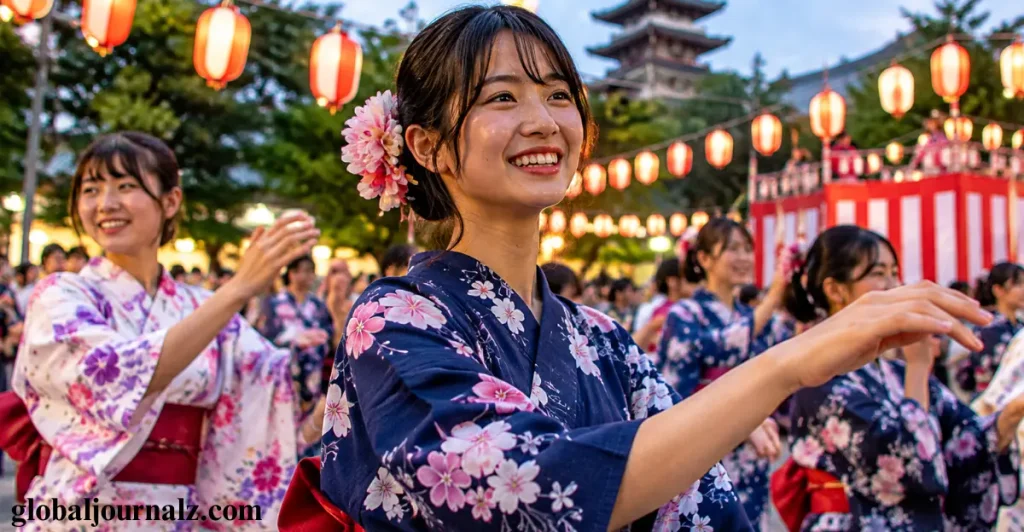
For centuries, Obon Festival has given Japanese families an opportunity to honour their ancestors through traditional ceremonies and community gatherings. Usually held in August, the celebration features Bon Odori folk dances and glowing bonfires while families visit cemeteries and make offerings at temples and home altars. In Kyoto, hillside fires create impressive Japanese character shapes as paper lanterns float along rivers to guide ancestral spirits.
Hermanus Whale Festival, South Africa

Along the coastline of Hermanus in South Africa, the Hermanus Whale Festival celebrates marine life and the region’s famous whale-watching opportunities. Held around September, the event coincides with the arrival of migratory southern right whales and humpback whales in Walker Bay. Visitors can enjoy street parades and live music alongside interactive marine conservation exhibits and local craft stalls. The town’s famous whale crier also adds a distinctive tradition by using a dried kelp horn to alert people when whales appear near the shore.
Tsechu, Bhutan
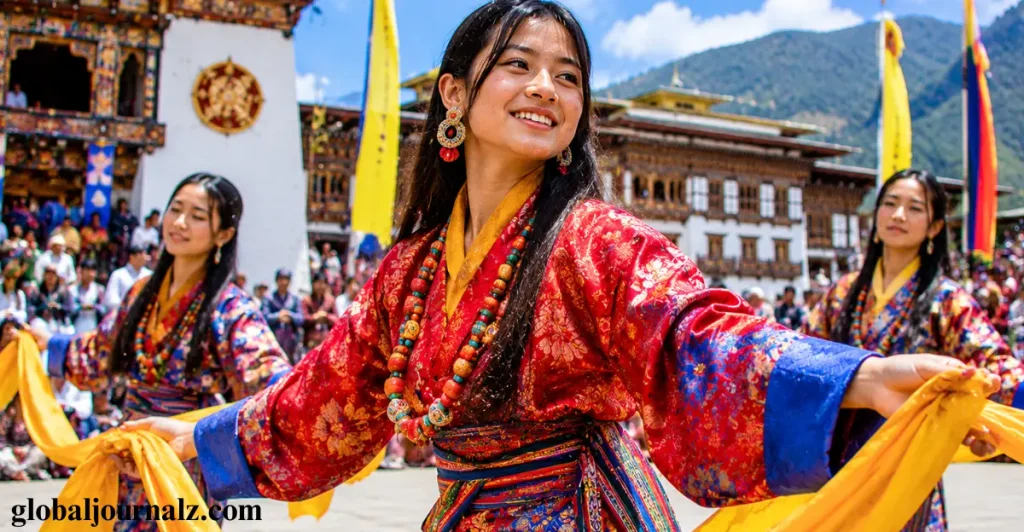
Across Bhutan, Tsechu festivals bring communities together through colourful Buddhist celebrations held on the tenth day of lunar months. Their main attraction is cham dances, in which monks and performers wear elaborate costumes and masks to present moral stories and events from the lives of Buddhist saints. Major celebrations take place in Paro and Thimphu at historic dzongs while smaller villages host their own traditional gatherings. These festivals offer visitors a closer look at Bhutanese culture and the country’s deep connection with Buddhist heritage.
Conclusion
Festivals around the world show how different cultures celebrate life through traditions and shared experiences. From Mexico’s Day of the Dead to Thailand’s Songkran, every event offers something unique to discover. These celebrations preserve centuries-old customs while bringing families and communities closer together. They also allow travellers to explore local heritage beyond famous landmarks and tourist attractions. Colourful parades and traditional dances make these events memorable for visitors from around the world. Experiencing these festivals creates a deeper appreciation for the history and identity of different countries. Which of these incredible celebrations would you love to experience first.
1. Which festivals attract the most visitors worldwide?
Some of the world’s most famous festivals include Brazil’s Carnival and India’s Diwali. Other popular events include Oktoberfest in Germany and Día de los Muertos in Mexico. Each attracts visitors with its unique traditions and cultural celebrations.
2. How do festivals help preserve cultural traditions?
Festivals keep traditional customs and religious practices alive across generations. They bring families and communities together through shared celebrations. Visitors also gain a better understanding of local history and cultural heritage.
3. When can travellers enjoy the biggest festivals around the world?
Major festivals take place throughout the year depending on local traditions and cultural calendars. Some are celebrated during spring while others happen in summer or winter. Checking event dates in advance helps travellers plan their trips.