 By Muhammad Bilal
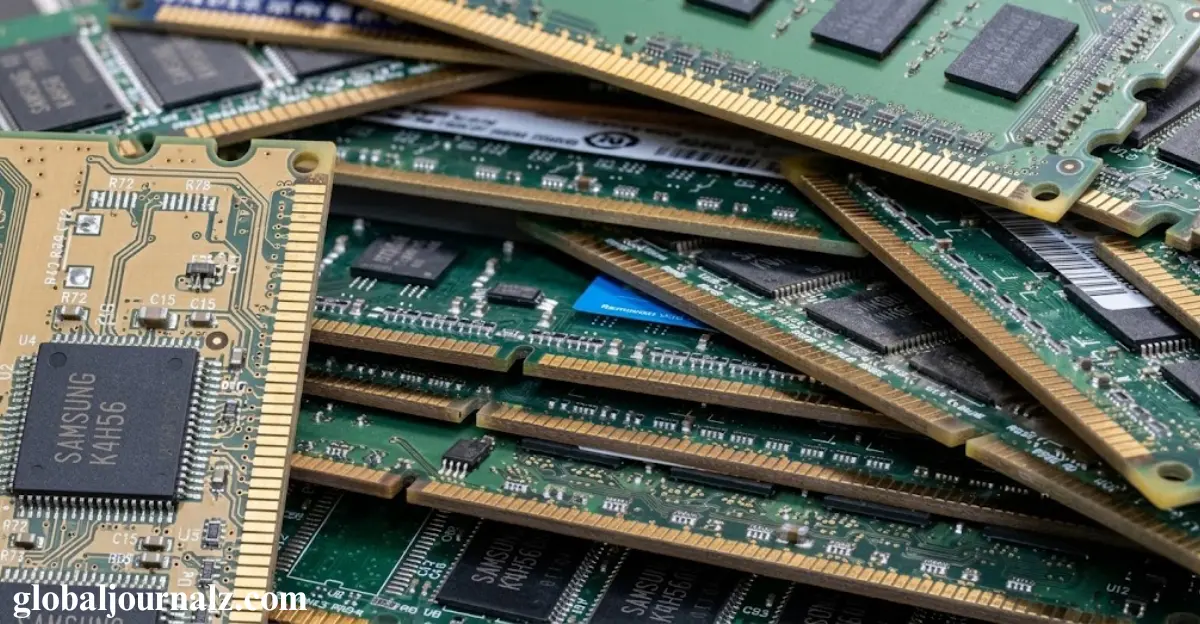
AI Memory Chips and Semiconductor Demand are growing with advances in artificial intelligence.These chips help AI systems process and manage data efficiently.This article explores AI memory technology, semiconductor demand and High-Bandwidth Memory (HBM).It also covers manufacturing costs, supply challenges and future market trends.Explore how AI memory chips are shaping the future of semiconductor technology.
Table of Contents
The Role of AI Memory Chips in Modern Technology

AI memory chips play an essential role in processing and managing the large amounts of data used by artificial intelligence systems. These chips store information that processors need during AI training and inference. As AI models become more complex, efficient memory technology is increasingly important for maintaining computing performance and reducing delays.
Modern AI systems require fast communication between processors and memory.Memory chips help GPUs access model parameters and training data.They also support AI accelerators in processing complex workloads.Higher memory bandwidth and capacity improve computing performance.These technologies are essential for data centers and cloud computing.
Rising Semiconductor Demand Driven by Artificial Intelligence

The expansion of artificial intelligence is increasing demand for semiconductors across the technology industry. AI data centers require GPUs, processors, memory chips and networking components to train and operate advanced models. This growing need is encouraging semiconductor manufacturers to expand production and invest in more advanced chip technologies.
Generative AI, cloud services and machine learning applications are important drivers of this demand. Technology companies need powerful computing systems to process large datasets and deliver AI services to users. However, rising demand can also put pressure on manufacturing capacity, component availability and prices, particularly when specialized chips require complex production processes.
High-Bandwidth Memory (HBM) and Advanced Chip Technology
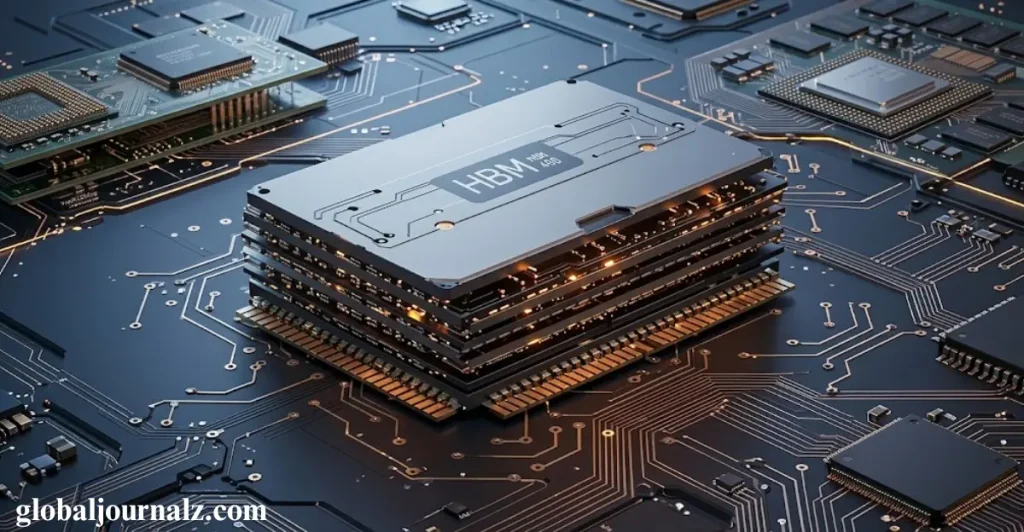
High-Bandwidth Memory (HBM) transfers large amounts of data quickly.It is an advanced memory technology used in AI computing.HBM supports systems that rely on powerful GPUs and accelerators.Its high bandwidth helps processors access data more efficiently.It improves performance in demanding computing environments.This technology supports advanced AI applications and high-performance computing.
Advanced semiconductor packaging also helps connect memory with processors more efficiently. These technologies are important for training large AI models, running generative AI applications and supporting high-performance computing. As AI workloads grow, demand for advanced memory solutions may increase, while manufacturers continue working to improve performance production efficiency and energy use.
Memory Chip Supply, Manufacturing Costs and Industry Challenges
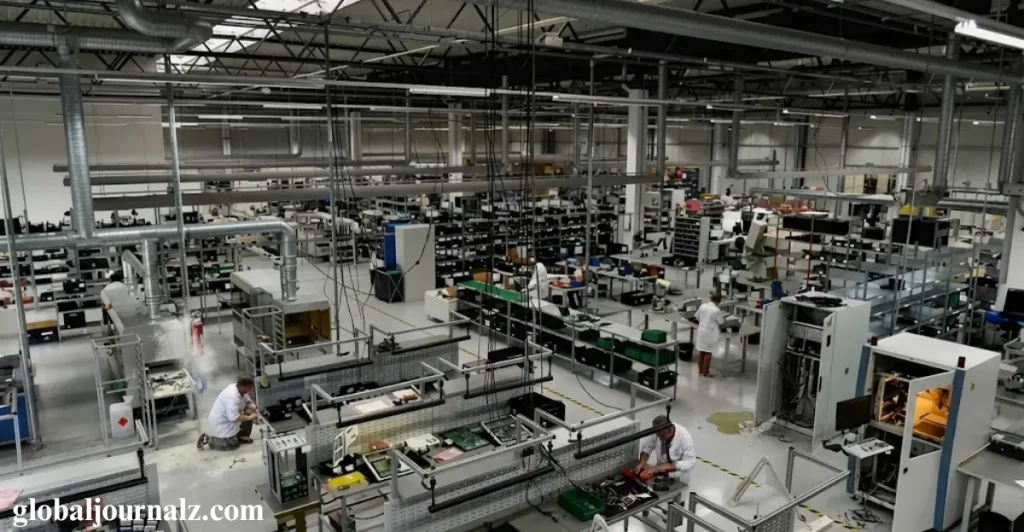
The semiconductor industry faces challenges as demand for AI memory chips increases.Producing advanced memory requires specialized equipment and technology.Manufacturing also involves complex processes and significant investment.Companies must manage production capacity to meet customer needs.They also need to maintain product quality and reliability.
Supply constraints can affect the availability of advanced memory products.They can also influence semiconductor prices and market demand.Building new manufacturing facilities requires significant time and investment.Producing high-performance chips also demands specialized technical expertise.Companies must balance growing AI demand with supply chain risks.
The Future of AI Memory Chips and the Semiconductor Market

The future of AI memory chips will be closely connected to advances in artificial intelligence, cloud computing and data center infrastructure. As AI models process more information, demand for memory capacity, bandwidth and energy efficiency may continue to grow. Semiconductor manufacturers are likely to focus on developing advanced memory products that support increasingly demanding computing workloads.
Innovation in HBM, chip packaging and memory architecture could help improve the performance of future AI systems. However, market growth will also depend on manufacturing capacity, investment costs and customer demand. Companies that improve chip performance while managing production challenges may be better positioned to compete in the evolving semiconductor market.
Conclusion
AI memory chips have become an important part of the semiconductor industry as artificial intelligence continues to expand. They help processors access the information needed to train AI models, run applications and manage demanding computing workloads.High-Bandwidth Memory and advanced chip packaging are improving data transfer and supporting modern AI infrastructure. However manufacturers face challenges involving production costs, supply availability and complex manufacturing requirements. Continued investment in semiconductor technology may help address these challenges and improve memory performance. As demand for AI computing grows, memory chips are likely to remain essential to the development of data centers, cloud services and advanced AI applications.
1. What Are AI Memory Chips?
AI memory chips store and provide data that processors need to perform artificial intelligence tasks. They support AI model training, inference and data processing. Their speed and capacity can influence overall computing performance.
2. Why Is Artificial Intelligence Increasing Semiconductor Demand?
AI systems require powerful processors, memory chips and networking components to operate efficiently. The growth of generative AI and cloud computing is increasing demand for these technologies.
3. Which Role Does High-Bandwidth Memory Play in AI?
High-Bandwidth Memory (HBM) enables rapid data transfer between memory and computing processors. It is particularly valuable for GPUs and AI accelerators that handle demanding workloads.
4. What Challenges Affect AI Memory Chip Production?
Manufacturers face high production costs, complex manufacturing processes and limited capacity for advanced chips. Supply chain difficulties can also affect availability and prices. Expanding production requires specialized equipment, investment and technical expertise.
5. Where Is the AI Memory Chip Industry Heading?
The AI memory chip industry is likely to focus on greater bandwidth, improved efficiency and advanced packaging technologies. Growing AI workloads may increase demand for specialized memory products.