 By Muhammad Bilal

Robotaxis and driverless cars are transforming the future of everyday transportation.These vehicles use AI cameras, LiDAR and sensors to navigate roads without human drivers.This article explores their working technology safety challenges and real-world testing.It also covers transportation benefits regulations operating costs and future adoption.Discover whether robotaxis are truly ready for everyday roads.
Table of Contents
What Are Robotaxis and How Do Driverless Cars Work?

Robotaxis are self-driving vehicles designed to transport passengers without a human driver controlling the journey. They use artificial intelligence (AI), cameras, sensors, and computer systems to navigate roads. Passengers can request rides through mobile applications. These vehicles aim to make everyday transportation more convenient and accessible.
Driverless cars process information from their surroundings to make driving decisions. Their onboard computers recognize traffic signals, pedestrians, road signs and nearby vehicles. The system controls steering, acceleration and braking according to road conditions. Most robotaxis currently operate in selected areas with specific driving conditions.
AI, Sensors, LiDAR, and Cameras in Autonomous Vehicles
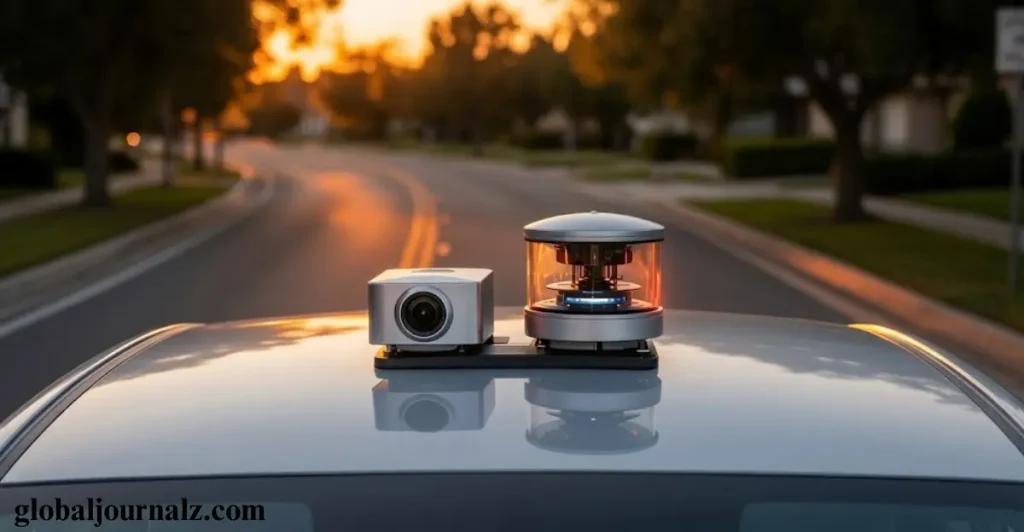
Artificial intelligence helps autonomous vehicles understand their surroundings and make driving decisions. AI algorithms analyze information collected through cameras, LiDAR,and radar systems. These technologies recognize traffic lights, road signs and moving vehicles. Machine learning also helps predict possible movements of nearby road users.
LiDAR uses laser pulses to measure distances and create a 3D view of surroundings.Cameras capture road details while radar detects nearby objects and their speed.These technologies work together through sensor fusion to improve road awareness.
The vehicle’s computer uses this data to detect obstacles and plan safe movements.
Safety Challenges and Real-World Testing of Robotaxis

Safety is one of the biggest challenges facing robotaxis on everyday roads. Heavy traffic, unexpected pedestrian road construction and poor weather can create difficult situations. Autonomous systems must recognize these conditions and respond appropriately. Even advanced driving software can struggle with unusual or unpredictable road events.
Companies conduct testing in simulated environments and real-world traffic conditions. Engineers examine obstacle detection, emergency responses, and navigation accuracy. Vehicles are also tested in darkness, rain and crowded intersections. Continuous software improvements and safety monitoring help make autonomous driving systems more reliable.
Benefits of Robotaxis for Everyday Transportation

Robotaxis could make everyday transportation easier by allowing passengers to book rides through mobile applications. They may provide additional mobility for older adults and people with disabilities. Passengers would not need to drive or search for parking spaces. Electric robotaxis could also reduce tailpipe emissions compared with petrol-powered taxis.
AI-based traffic analysis helps robotaxis plan routes and avoid unnecessary delays.Autonomous vehicles study road conditions to select suitable travel routes.Robotaxi fleets may also provide transportation services for longer periods.However, their benefits depend on operating costs, maintenance, and vehicle reliability.
The Future of Driverless Cars: Regulations, Costs, and Public Adoption
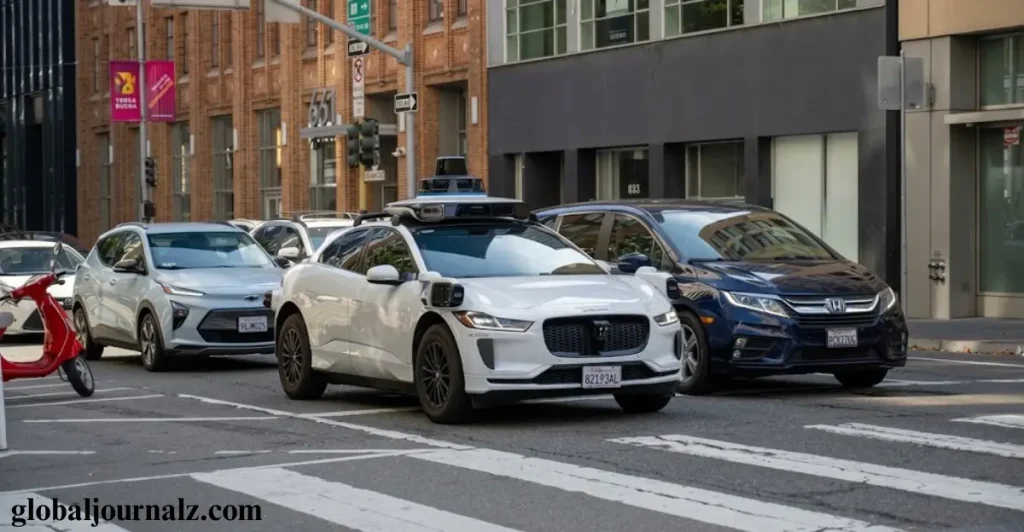
The future of driverless cars depends on technological development, government regulations, and public confidence. Governments need clear safety standards for vehicle testing, insurance, passenger protection and accident responsibility. Manufacturers must also demonstrate that their autonomous systems can handle different road conditions.
Sensors, AI computers, software and maintenance can increase robotaxi costs.
Technological improvements may help reduce expenses through better manufacturing.
Public acceptance depends on passenger safety and service reliability.However, fully autonomous driving in all road conditions remains a long-term challenge.
Conclusion
Robotaxis and driverless cars represent an important development in modern transportation. Advanced AI, LiDAR, cameras, and sensors help these vehicles navigate roads independently. They offer potential benefits such as convenient travel, improved mobility, and reduced emissions. However, safety concerns, unpredictable road conditions, and operating costs remain major challenges. Government regulations and real-world testing are essential for improving autonomous driving systems.As technology develops, robotaxis may become a more common part of everyday transportation. Their long-term success will depend on safety, reliability, affordability, and public trust.
What is a robotaxi?
A robotaxi is a self-driving vehicle designed to transport passengers without a human driver.It uses AI, cameras, LiDAR, and sensors to navigate roads.Passengers can usually book rides through a mobile application.
How do driverless cars recognize obstacles?
Driverless cars use cameras, radar, and LiDAR to detect nearby objects.AI software analyzes the collected information to recognize obstacles and traffic conditions.This helps vehicles make safer driving decisions.
Are robotaxis safe for everyday transportation?
Robotaxis use advanced technology to identify hazards and respond to changing road conditions.However, unexpected situations, bad weather, and complex traffic can create challenges.Continuous testing and safety improvements remain important.
What are the main benefits of robotaxis?
Robotaxis can provide convenient transportation without requiring passengers to drive.They may improve mobility and reduce parking difficulties in busy cities.Electric robotaxis can also help reduce tailpipe emissions.
Which is the future of driverless cars?
Driverless cars may become more common as autonomous technology continues to improve.Better safety standards and public trust will support their adoption.However, widespread use will depend on overcoming existing technical and regulatory challenges.