 By Muhammad Bilal
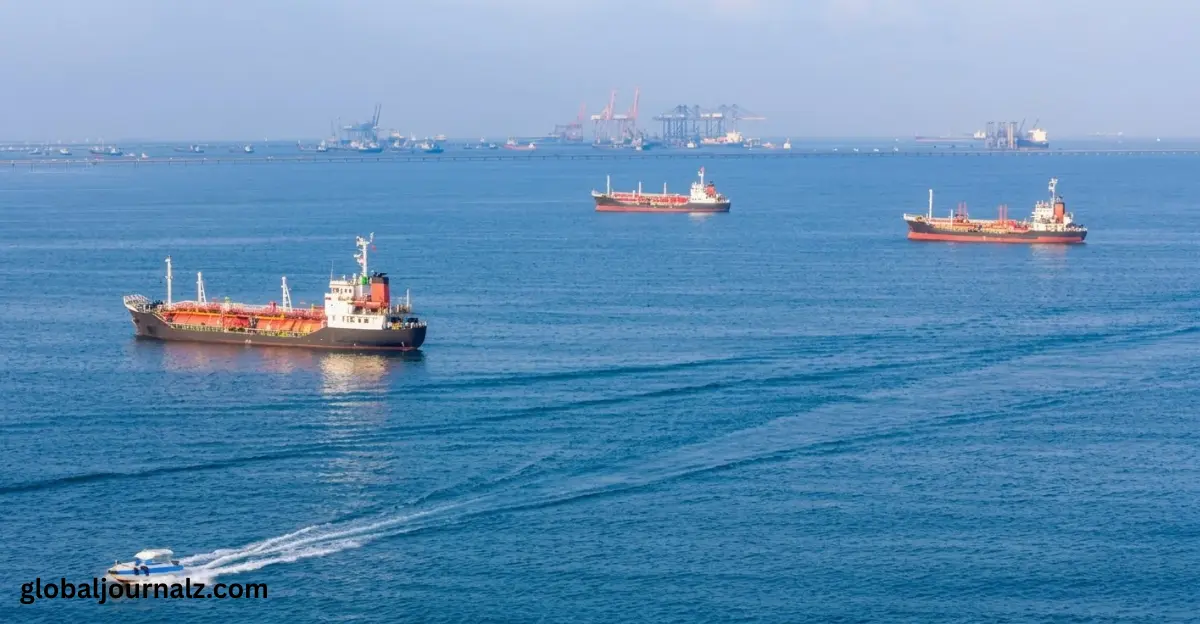
Global petroleum fluctuations hit consumers unevenly because diverse governmental policies significantly alter domestic retail markets. This article evaluates how national energy priorities alongside tax structures determine local fuel pricing across advanced economies. Readers will discover the mechanics of wholesale refining costs and the impact of geopolitical conflicts on shipping routes.
Table of Contents
How Government Policies and Global Shocks Shape Retail Fuel Prices
Download our comprehensive market report today to explore how international supply disruptions and national tax strategies impact energy costs
1. Three different approaches across advanced economies
Advanced economies respond to rising fuel prices through different policies shaped by taxation and national energy priorities. Some governments reduce fuel duties to limit pressure on consumers while others provide targeted assistance to vulnerable households. These approaches influence retail fuel costs and determine how quickly global oil price changes affect domestic markets.
Government strategies also depend on public finances and long-term energy security needs. Broad subsidies can reduce immediate expenses but increase pressure on national budgets and public spending. Targeted support offers meaningful relief to affected households while allowing market prices to reflect changing supply conditions and encouraging more sustainable energy consumption over time.
2. From international fuel markets to the pump
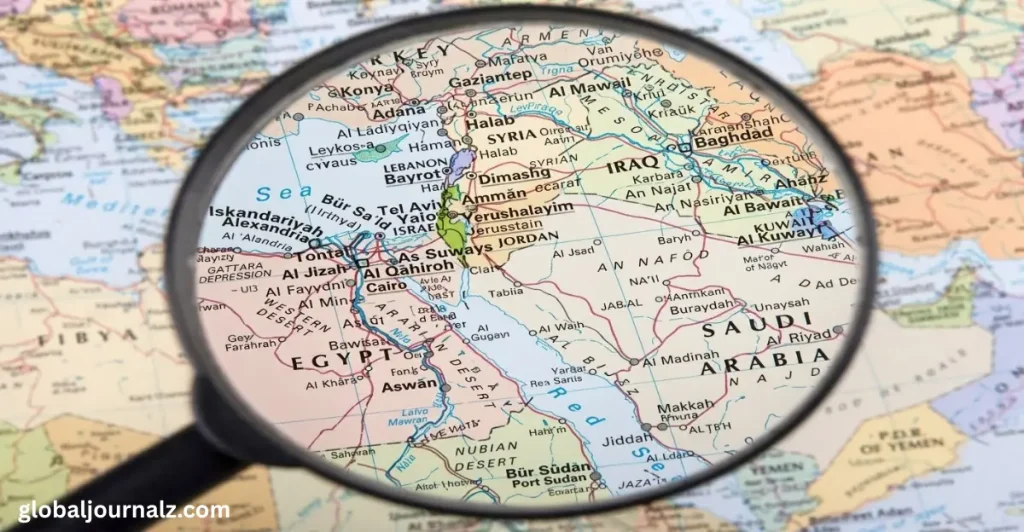
Changes in crude oil prices influence wholesale fuel markets through refining costs and the value of gasoline and diesel. The crack spread measures the difference between crude oil costs and refined product prices. Supply disruptions across the Middle East can increase petroleum prices and raise transportation expenses. These pressures create uncertainty across international energy markets and affect domestic fuel costs.
Movement from wholesale costs to retail pump prices depends on national taxes and government policies. Fuel excise duties and value-added tax influence how international price changes reach consumers. Some governments introduce subsidies and price controls to ease household pressure. These measures can protect consumers from sudden increases while creating fiscal costs and influencing domestic fuel markets.
3. After the war in the Middle East began fuel prices at the pump surged in some countries and barely moved in others
The war outbreak on 28 February intensified concerns about global crude oil prices and the Strait of Hormuz. Disruptions to crude oil supplies and attacks on oil infrastructure threatened shipping routes and increased uncertainty across international markets. Before the conflict pre-war oil prices stood near USD 70 per barrel while some physical crude prices approached USD 150 per barrel.
Retail fuel prices varied because domestic policies shaped how international costs reached consumers. Some governments introduced fuel subsidies and tax adjustments while others allowed prices to reflect global changes. These measures influenced gasoline and diesel prices while easing household pressure. Differences in taxes and oil import dependence explain why pump prices surged in some economies but barely changed elsewhere.
Conclusion
Industrialized countries navigate global oil price shocks through distinct policy measures tailored to their specific fiscal situations. Some governments implement broad subsidies or reduce excise duties to protect household budgets from immediate financial strains. Other nations prefer targeted assistance programs for vulnerable groups while allowing market prices to adjust naturally. These regulatory choices directly dictate how rapidly international wholesale variations translate into retail pump pricing. Strategic energy adaptation planning ultimately remains essential to build resilient national frameworks and minimize unexpected economic costs.
How do government tax systems influence retail pump prices when global oil values rise?
National excise duties along with value-added tax serve as significant components of local fuel pricing structures. These static charges determine the exact speed and magnitude at which international marketplace changes reach everyday consumers.
Why do broad energy subsidies create significant pressure on national budgets over time?
Artificially lowering gasoline expenses requires substantial public spending that can quickly drain municipal financial reserves. While these measures offer immediate relief to citizens they create long-term fiscal burdens and alter domestic markets.
Which specific financial metric determines the difference between raw crude costs and refined petroleum products?
The crack spread serves as the standard industry measurement for calculating refining profitability from gasoline and diesel production. This variance directly reflects shifting supply conditions alongside global infrastructure capabilities within international energy networks.
In what ways did the Middle East conflict impact international shipping routes and crude pricing?
The sudden outbreak of war threatened vital waterways like the Strait of Hormuz through direct attacks on oil infrastructure. This instability drove physical crude values toward peak levels while generating widespread supply anxieties throughout the globe.