 By Muhammad Bilal

Tesla has revolutionized the automotive industry by turning electric cars into a global symbol of innovation and modern transportation. From a bold startup to a major force in the electric vehicle market the company has challenged traditional automakers and changed consumer expectations. Its commitment to advanced technology, battery development and sustainable mobility has fueled its remarkable growth. Explore Tesla’s journey to discover the key milestones that shaped its rise to success.
Table of Contents
The Genesis: Tesla History from 2003 to the Roadster Launch

Tesla was founded in California in 2003 by Martin Eberhard and Marc Tarpenning to transform the electric vehicle industry. Elon Musk joined in 2004 as a major investor while JB Straubel contributed to battery and engineering development. The founders aimed to prove that EVs could deliver both performance and efficiency. Earlier projects like GM’s EV1 and NuvoMedia’s technology experience formed part of the broader innovation landscape.
Tesla relied on external funding and advanced batteries to develop its first electric sports car. Musk’s PayPal success supported his investment capacity while Daimler later provided important financial backing. In 2008 Tesla launched the Roadster using a Lotus-based platform and lithium-ion battery technology. The company’s 2010 IPO then helped raise capital for future production and expansion.
The Model S and Model X: Defining the Premium EV Space

The Tesla Model S reshaped the luxury EV market after its launch in 2012. This electric sedan combined long driving range with high performance and a modern touchscreen interior. Its spacious design included a front trunk known as the frunk. Strong safety results and recognition from organizations such as the NHTSA helped build consumer confidence.
Tesla introduced the Model X in 2015 to expand its lineup into the premium SUV segment. Its distinctive falcon-wing doors and advanced technology helped it compete with brands such as BMW, Audi and Mercedes-Benz. Both vehicles demonstrated how batteries could support practical luxury EVs without sacrificing performance. Their software features and driver-assistance automation also strengthened Tesla’s technology-focused image.
Model 3 Production Hell: Near-Bankruptcy and Scaling Up

Tesla launched the Model 3 in 2017 to make electric cars more accessible with Musk targeting a starting price of $35,000. However the Fremont factory faced serious production bottlenecks as demand increased. Battery manufacturing challenges in Nevada added further pressure to the company’s operations. Excessive reliance on robots and automation made the manufacturing process more complicated than expected.
During this difficult period Tesla faced financial pressure and concerns about possible bankruptcy. The company’s GA4 production line used a large tent structure to help increase Model 3 output. Tesla adjusted its approach by simplifying manufacturing processes and balancing automation with human labor. These changes helped the company move toward its target of 5,000 vehicles weekly and improve its path to profits.
Global Expansion: Gigafactories in Shanghai, Berlin and Texas
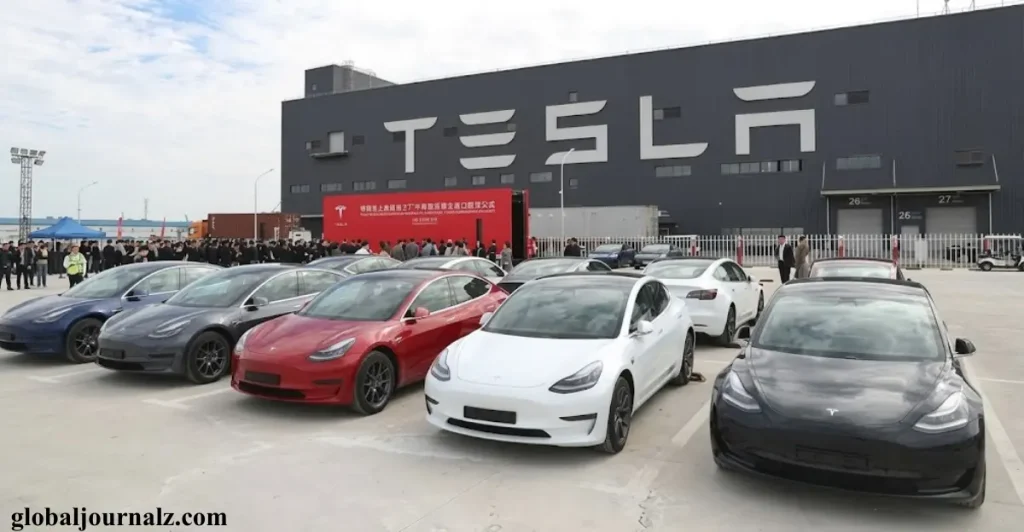
Tesla expanded its manufacturing network to increase production and serve international markets more efficiently. The Shanghai Gigafactory in China began production in 2019 and became a major hub for vehicle manufacturing and exports. In 2022 Tesla opened factories near Berlin in Germany and Austin in Texas. These Gigafactories supported the company’s global expansion and growing Model Y production.
Advanced manufacturing methods helped Tesla improve factory efficiency and increase output. The Giga Press technology enabled the production of large aluminum components with fewer separate parts. Automation also helped streamline assembly across Tesla’s manufacturing facilities. Local production reduced some shipping challenges although tariffs, supply chains and regional regulations continued to influence expansion plans.
Financial Milestones: Delivery Growth and Revenue Growth Analysis
Tesla’s financial growth reflects its transition from an electric vehicle startup into a major global automaker. The Roadster arrived in 2008 followed by the Model S in 2012 and Model X in 2015. The Model 3 expanded Tesla’s reach in 2018 while the Model Y later became a key driver of deliveries. These vehicles helped increase revenue and strengthen the company’s position in the automotive market.
Tesla achieved full-year profitability in 2020 and joined the S&P 500 that same year. By 2021 investor enthusiasm had pushed its market capitalization above $1 trillion. In 2023 the Model 3 and Model Y accounted for most deliveries while the Cybertruck entered initial production. Tesla’s long-term financial performance continues to depend on production efficiency, delivery growth, revenue and sustained profitability.
Step-by-Step: Key Milestones in Tesla History
Explore Tesla’s journey from its early beginnings to becoming a major name in electric vehicles and discover the milestones that shaped its remarkable history.
- Company Founding (2003): Tesla was founded in California by Martin Eberhard and Marc Tarpenning to accelerate the development of electric vehicles (EVs). Elon Musk joined in 2004 with major funding and a vision for innovation.
- Roadster Launch (2008): Tesla introduced the Roadster, its first production electric sports car. It demonstrated that EVs could offer impressive performance and helped establish the company’s reputation.
- IPO and NASDAQ Listing (2010): Tesla went public under the stock ticker TSLA on the NASDAQ exchange. The IPO provided funding to support vehicle development and future expansion.
- Model S Introduction (2012): Tesla launched the Model S a luxury electric sedan featuring advanced technology and long driving range. It strengthened Tesla’s position in the premium EV market.
- Model 3 Launch (2017): Tesla began producing the Model 3 to reach a wider customer base. The vehicle became central to the company’s efforts to scale production and make EVs more accessible.
- Shanghai Gigafactory (2019): Tesla expanded into China with its Shanghai manufacturing facility. The factory increased production capacity and supported deliveries in China and international markets.
- S&P 500 Inclusion (2020): Tesla joined the S&P 500 index after achieving full-year profitability. This milestone increased its visibility among investors and highlighted its financial growth.
- Model Y Growth (2023): The Model Y became a major driver of Tesla’s global deliveries. Its popularity supported the company’s expansion and strengthened its position in the electric vehicle industry.
Conclusion
Tesla’s transformation into an electric car giant highlights the power of long-term vision, bold decisions and continuous development. Over the years the company has expanded its vehicle lineup, improved battery technology and strengthened its position in the global automotive market. Its success has also encouraged traditional automakers to invest more heavily in electric mobility. Despite facing competition and changing market conditions Tesla remains an influential player in the industry. Its journey demonstrates how a company can challenge established practices and create new opportunities through innovation. As the automotive world continues to evolve Tesla’s future will depend on its ability to compete and deliver reliable technology.
1. How did Tesla begin its journey in the automotive industry?
Tesla was founded in 2003 by Martin Eberhard and Marc Tarpenning with Elon Musk joining as an early investor and chairman in 2004. The company aimed to prove that electric cars could be innovative, appealing and practical.
2. What made Tesla different from traditional car manufacturers?
Tesla focused on electric power, software, battery technology and modern vehicle design. Its approach helped change public perceptions of electric cars and encouraged established automakers to expand their electric vehicle offerings.
3. Which Tesla vehicle first brought the company major attention?
The Tesla Roadster introduced in 2008 gained attention by demonstrating that an electric sports car could offer impressive performance. It helped establish Tesla as a serious competitor in the emerging electric vehicle market.
4. How did the Model S contribute to Tesla’s growth?
Launched in 2012 the Model S helped Tesla reach a wider audience with its long driving range, advanced features and premium design. It strengthened the company’s reputation and showed that electric cars could compete in the luxury segment.
5. Why was the launch of the Model 3 a major milestone?
The Model 3 was designed to make electric vehicles accessible to a broader group of consumers. Its growing popularity helped Tesla increase production and expand its presence in the mainstream automotive market.
6. How has Tesla influenced the global electric vehicle industry?
Tesla has encouraged greater investment in electric vehicles, charging infrastructure and battery development. Its market presence has also pushed traditional automakers to improve their electric car technology and introduce more competitive models.
7. What challenges has Tesla faced while expanding its business?
Tesla has faced production difficulties, strong competition, changing consumer demand and pressure to maintain quality. Managing these challenges has been important to its efforts to sustain growth and remain competitive worldwide.