 By Muhammad Bilal
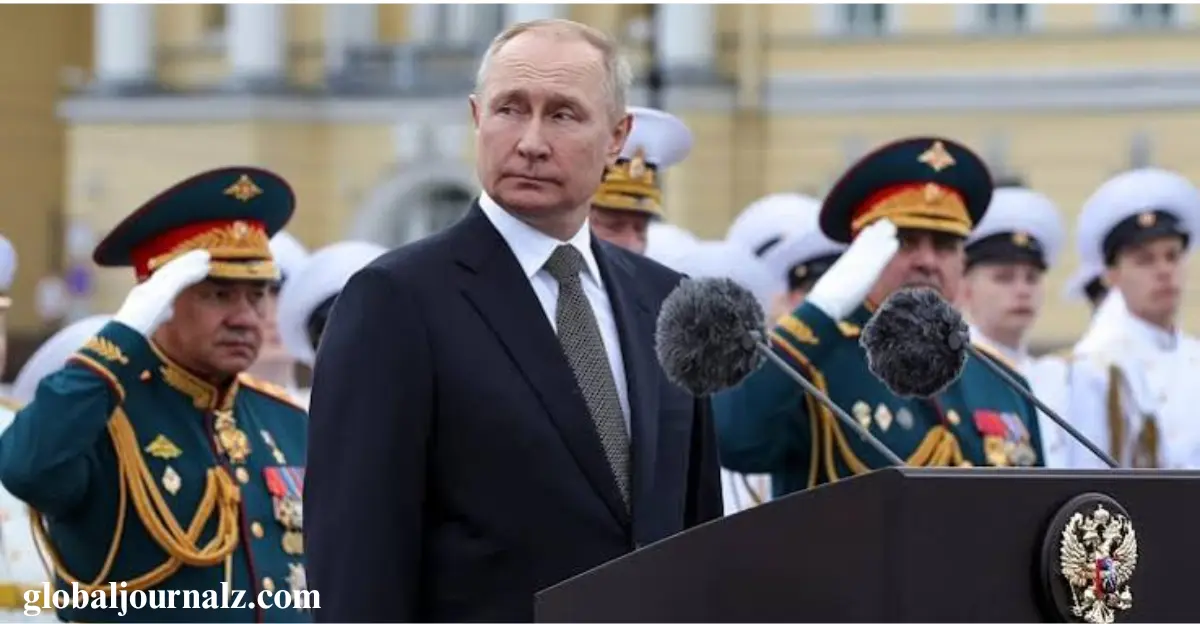
The Ukraine war continues to shape global security as Russia intensifies military operations and Ukraine strengthens its defences. Recent developments highlight missile strikes, drone warfare and ongoing diplomatic efforts to end the conflict. Territorial disputes and security concerns remain major obstacles to lasting peace. These events could influence international relations and regional stability. Read on for the latest Russia developments and what they mean for Ukraine’s future.
Table of Contents
1. Russia Launches Fresh Missile Attacks on Ukraine

Russia continues to launch missile and drone attacks across Ukraine, raising serious concerns about civilian safety and infrastructure damage. Residential buildings, energy facilities and transport networks remain vulnerable as the conflict continues. These strikes put additional pressure on emergency services and local authorities. The ongoing attacks also increase humanitarian concerns in affected regions.
Ukrainian emergency services are working to assist affected communities and assess the damage caused by Russian strikes. Residents in targeted areas face uncertainty as they deal with damaged homes and disrupted essential services. Protecting civilians remains a major challenge for Ukrainian authorities. These developments highlight the continuing human cost of the war.
2. Ukraine Expands Drone Operations Against Russia

Ukraine continues to use long-range drones to target Russian military positions and strategic infrastructure. Russian authorities have also reported intercepting Ukrainian drones aimed at different regions. These operations demonstrate the growing importance of aerial defence in the conflict. Both countries are adapting their military strategies as drone technology advances.
Drone warfare has become a significant feature of the Russia-Ukraine war. Unmanned aerial vehicles allow both sides to reach distant targets without deploying conventional aircraft for every mission. However, these operations also create risks for infrastructure and nearby communities. The increasing use of drones is likely to influence future military planning.
3. Russia and Ukraine Consider Renewed Peace Talks

Diplomatic efforts remain important as international leaders search for ways to reduce fighting between Russia and Ukraine. Negotiations face major challenges because both countries maintain different positions on territorial control and future security arrangements. International pressure may encourage further discussions. However, meaningful progress will depend on the willingness of both sides to negotiate.
Ukraine wants reliable security guarantees to protect its sovereignty and prevent another invasion. Russia continues to pursue its strategic demands, making a lasting peace agreement difficult to achieve. Territorial disagreements remain among the most sensitive issues in potential negotiations. Without progress on these concerns, diplomatic efforts may struggle to deliver a permanent settlement.
4. Energy Infrastructure and Civilian Safety Remain Major Concerns
Attacks on energy facilities have increased concerns about electricity and heating supplies in Ukraine. As winter approaches, damage to essential infrastructure could create additional difficulties for families and vulnerable communities. Repairs may become more challenging if strikes continue. Reliable energy supplies remain essential for homes, hospitals, and other public services.
Ukraine has also targeted strategic facilities inside Russia as part of its military campaign. These operations can place additional pressure on Russian infrastructure and economic activity. At the same time, attacks on critical facilities increase security concerns for nearby populations. Protecting essential services will remain important for both countries throughout the conflict.
5. What the Latest Russia Developments Mean for the War
The latest developments demonstrate that military operations and diplomatic efforts are continuing simultaneously. However, disagreements over territory, security guarantees and political demands remain major obstacles to ending the conflict. Continued fighting could further damage infrastructure and increase civilian suffering. The international community remains concerned about the war’s wider security implications.
International diplomacy could create opportunities for negotiations if both sides demonstrate a willingness to compromise. Any lasting agreement would need to address security concerns and establish a practical path toward peace. Until meaningful progress becomes possible further military escalation remains a risk. The future of the Ukraine war will depend on battlefield developments and diplomatic decisions.
Conclusion
The Ukraine war remains a major international concern as Russia and Ukraine continue their military operations. Missile strikes and drone attacks are increasing pressure on both countries and threatening civilian safety. Peace negotiations remain challenging because of territorial disputes and security disagreements. Energy infrastructure and economic stability are also important concerns as the conflict continues. International diplomatic efforts may create opportunities to reduce tensions and support future negotiations. However, a lasting peace agreement will require meaningful progress from both sides. Following reliable news sources such as Reuters can help readers stay informed about the latest Russia developments.
1. What Is the Latest Situation in the Ukraine War?
The conflict continues to involve military strikes, drone operations, and international diplomatic efforts. Territorial disputes remain a major obstacle to achieving lasting peace.
2. Why Is Russia Continuing Its War Against Ukraine?
Russia’s military campaign is linked to broader strategic, territorial, and security objectives. Ukraine continues to defend its sovereignty and internationally recognized territory.
3. How Is Drone Warfare Changing the Russia-Ukraine Conflict?
Drones allow both countries to conduct surveillance and attack targets at greater distances. Their growing use is changing battlefield strategies and increasing pressure on air defence systems.