 By Muhammad Bilal
A small business often starts with a simple idea, but turning that idea into a profitable venture takes clear decisions from the beginning. You need to choose the right business idea, understand your target market, create a solid business plan and prepare your finances before opening your doors. Legal registration, pricing, branding, marketing and daily operations also shape how well your business can grow. The good news is that breaking the process into practical steps makes starting a small business far more manageable. Follow these 10 steps to turn your idea into a business built for long-term growth.
Key Factors
- Choose a Profitable Business Idea: Focus on a product or service that solves a real problem and has clear customer demand.
- Research Your Target Market: Understand your ideal customers, competitors, pricing, and current market trends before launching.
- Create a Strong Business Plan: Outline your goals, startup costs, revenue model, marketing approach, and growth strategy
- Manage Your Finances: Set a realistic budget, separate business and personal money, and plan for ongoing expenses.
- Build and Promote Your Brand: Create a professional identity, establish an online presence and use effective marketing to attract customers.
Table of Contents
What is a small business?

Small businesses are independently operated companies that work with a smaller team than large corporations. In the United States, the U.S. Small Business Administration (SBA) uses employee numbers and industry standards to determine business size. Many businesses have fewer than five employees according to the U.S. Census Bureau.
- Individually owned and managed
- Fewer employees and resources
- Focused on a specific market
- Closer customer relationships
- Flexible and adaptable operations
The number of employees is not the only factor that defines a small business. Sales volume, the number of locations and the company’s position in its industry can also matter. These factors provide a broader way to understand whether a business falls within the small-business category.
The SBA generally considers a company small when it is for-profit, independently owned and operated, not dominant in its field, and based in the United States or a U.S. territory. Businesses that meet these requirements may access SBA resources and local assistance. These programs can provide useful support for starting and growing a company.
How much does it cost to start a small business?

Starting a small business can require very little money or a substantial investment depending on the business idea. A skilled professional such as a bookkeeper may start with basic tools and limited funds. Businesses that need researchers, scientists, or engineers can require much larger startup costs.
The source of funding is another important part of the planning process. Some owners choose to self-fund while others keep their team lean and follow a strict budget. An investor may also provide capital in exchange for a stake in the business.
Before launching a business, it is important to compare expected costs with realistic profit predictions. This can help determine how much money is needed and where it should be spent. A clear financial plan also makes it easier to prepare for unexpected expenses during the first year.
Factors that influence cost

The cost of starting a business can vary greatly between a sole proprietor working from home and a Silicon Valley startup supported by venture capital funds. Business size, location, staffing and equipment can all change the amount of money required. Even a business with $1,000 available still needs a practical budget.
Workspace decisions can also create major differences in spending. Using part of a garage for a desk may require very little investment, while remodeling a warehouse can involve construction, design and equipment costs. The type of workspace should match the actual needs of the business.
Unexpected expenses should also be included when planning startup costs. Repairs, technology changes, permits and additional supplies can increase spending after launch. Setting aside some funds for these situations can make the first year easier to manage.
What kinds of costs to expect

Rent may include a security deposit, utilities and the first month’s payment, while improvement costs cover changes needed to make a workplace suitable. Businesses selling products may also need enough inventory to meet customer demand.
Other expenses can come from professional services and supplies. Accountants, lawyers and consultants may charge for their work, while computers, printers, paper, and other operating materials can add to the total. Payroll taxes and health insurance can also increase the cost of hiring employees.
Businesses should also budget for marketing and miscellaneous expenses. Marketing can include advertising, business cards and other promotional materials. Miscellaneous costs may cover licences, permits, legal fees, technology, accounting software, insurance, repairs, maintenance and membership dues.
How to start a small business in 10 steps

Start your small business with confidence by following these 10 practical steps, from shaping your idea to building a strong foundation for growth.
1. Do your research

Before launching a business, start with basic market research to understand whether people actually need your product or service. Talk to potential customers such as neighbours, friends, or local buyers and ask what they would pay. This gives you a clearer view of real demand before you invest money.
Next, study your competitors and compare their products, prices, services, and customer feedback. Look at both local and global markets to identify gaps that your business could fill. Surveys can also help reveal whether customers see your idea as a genuine need or simply a want.
Good research helps reduce guesswork and gives you a stronger starting point. It can show where demand exists and what customers expect from similar businesses. Reviewing these details before launch can also help you avoid spending money on an idea with limited market potential.
2. Write a business plan

A business plan turns your business idea into a practical strategy by explaining your vision, objectives, products or services, financial goals and the steps needed to achieve them. Start by defining your mission and vision so the direction of the business remains clear. Then identify your ideal customer and decide how the business will make money.
- Define your business goals
- Identify your target customers
- Research your competitors
- Estimate startup costs
- Plan your marketing strategy
A strong plan should connect your goals with realistic financial expectations and daily operations. It should explain what you will offer, who you will serve and how you will reach those customers. A business plan template can make it easier to organise these ideas and spot gaps before moving forward.
Writing the plan also gives you a chance to test whether the numbers actually make sense. Clear goals can help you track progress while a realistic strategy keeps your decisions focused. It can also provide useful direction when the business begins to grow or faces unexpected challenges.
3. Choose a business name

Choosing the right business name can shape how customers recognise and remember your brand. The name should be simple, relevant and easy to pronounce while fitting the products or services you plan to offer. A strong name can also make your marketing and online presence easier to build.
Professional naming companies can help develop brand ideas, but their services may be expensive. If that option does not fit your budget, online AI-powered business name generators can provide quick ideas. You can also use platforms such as Fiverr to find people who offer brainstorm business name services.
Before choosing a final name, check that it is suitable for your business and not confusingly similar to an existing brand. Consider how it looks on a website, social media profile, packaging, or business card. Taking time at this stage can help you create a name that supports your brand for the long term.
4. Decide on your location
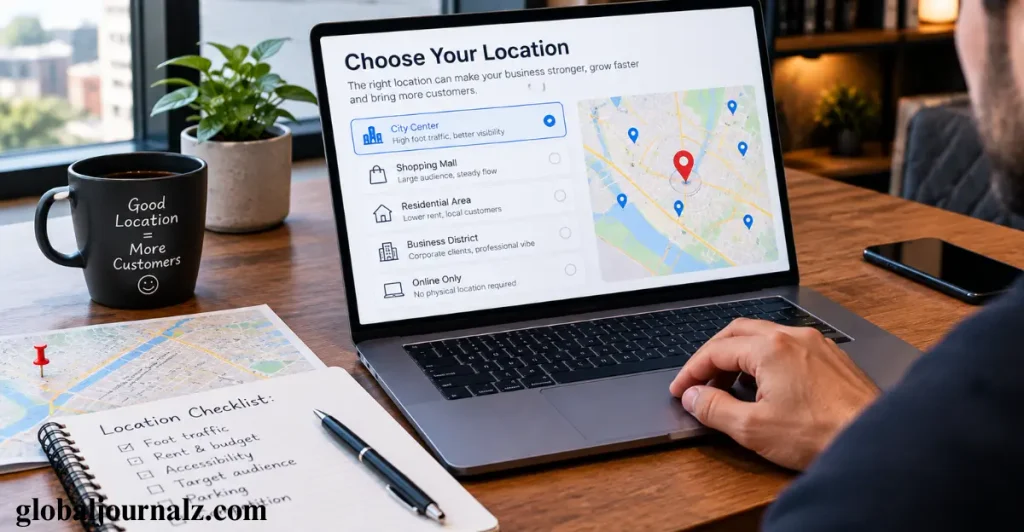
Your location can affect the cost and practical requirements of running a business. Start by checking local taxes, zoning laws and regulations that apply to your type of operation. These rules can vary between areas and may influence where you can legally and profitably operate.
Compare different states or areas by looking at business fees, operating costs and available tax benefits. A location with lower expenses may offer an advantage, while another area could provide better access to customers or suppliers. The right choice depends on your business model and target market.
Think beyond the cost of rent when comparing locations. Consider customer access, local competition, workforce availability, transportation and future expansion. A well-planned strategic move can reduce expenses and create better opportunities before the business officially opens.
5. Get your finances in order

Before launching, organise your finances so you know exactly how much money the business needs to start and operate. Separate business funds from personal money and create a clear record of expected income and expenses. This makes it easier to monitor cash flow and control unnecessary spending.
Calculate your initial costs along with regular expenses such as equipment, supplies, rent, payroll, insurance, and marketing. Keep some funds available for unexpected costs because early business expenses can change quickly. A realistic financial plan also helps you understand how long your available capital may last.
Consider how you will fund the business and what financial obligations each option creates. You may use personal savings, business financing, or outside investment depending on your circumstances. Keeping accurate records from the beginning can make budgeting easier and give you a clearer picture of the business’s financial position.
6. Take care of the legal stuff

Before opening your business, make sure it is properly registered in the state where it was formed. Check whether you need a local licence or permit and understand your responsibilities for state income tax and unemployment tax. These steps help keep the business compliant from the beginning.
You should also apply for an EIN from the IRS if your business needs one. Check your state filing office or online database to make sure your chosen business name is available. Some business structures may also require a doing business as (DBA) name.
A business bank account can help keep business finances separate from personal spending. It also makes record-keeping easier and can support cleaner tax preparation. Taking care of these legal details early can prevent avoidable problems later.
7. Develop a marketing plan

Once your business name is ready you can develop a marketing strategy that fits your audience and goals. Build an online presence with a useful website and active social media channels. Your website should clearly explain what you offer and make it easy for customers to take action.
Platforms such as X, Instagram, LinkedIn and TikTok can help businesses connect with customers and understand their needs. Use social monitoring to keep track of customer conversations and social selling to build relationships that can lead to sales. Keep your approach consistent across the channels where your target audience spends time.
Your marketing can also include advertising campaigns, public relations, loyalty programmes, networking events, cold calling, road shows and out-of-home advertising. A well-managed loyalty programme can encourage repeat purchases and turn satisfied customers into brand advocates.
Using AI for marketing your SMB
AI can make marketing more efficient by helping with content creation, email campaigns, advertising and idea generation. It can support improved marketing by helping businesses create content, optimise campaigns and improve ad targeting. This allows small teams to manage more marketing work without adding unnecessary complexity.
AI can also improve productivity by automating repetitive tasks that take time away from creative and strategic work. Cost-effective solutions can reduce the need for extra manual effort, while cloud-based tools can limit spending on hardware and software.
Another useful area is personalised customer service through AI chatbots and virtual assistants. They can provide support around the clock and respond quickly to common enquiries. Tools such as Agentforce can also help businesses manage customer questions and provide more personalised interactions.
8. Set up your CRM software

A CRM system helps a small business store and manage important customer information in one organised place. It can include contact information, accounts, leads and sales opportunities. Having a single source of truth makes it easier to understand customer relationships and track business activity.
CRM software can also connect marketing, sales and customer service activities. Instead of keeping information across different spreadsheets or tools, a business can manage important customer details in one system. A solution such as Starter Suite can help businesses manage these activities as they grow.
AI assistants can further improve the customer experience by handling routine tasks throughout the day. An AI agent can answer customer queries, analyse surveys, support marketing campaigns and provide personalised recommendations.
9. Launch your product or service

Once the planning and preparation are complete, it is time to launch your product or service. A business can launch in person or online depending on its customers and operating model. An ecommerce store can provide a digital storefront where customers can browse, select and purchase products or services.
An online store can reach customers beyond the local market and remain available throughout the day. It can offer different products payment options and secure checkout features that make purchasing easier. A smooth shopping experience can also help build customer trust and satisfaction.
Before opening the store, make sure you understand the basics of e-commerce and prepare the customer journey carefully. Your launch should also be promoted through social media and other suitable channels. A launch event can create attention while online announcements can help introduce the business to a wider audience.
10. Keep your customers happy

Keeping customers satisfied is an important part of running a successful small business. CRM software can help track customer interactions and make support more personalised. When customer information is organised properly, it becomes easier to respond to questions and provide consistent service.
- Provide excellent customer service
- Listen to customer feedback
- Resolve complaints quickly
- Offer consistent product quality
- Build long-term customer relationships
Customer experience can have a major effect on how people view a company. Many customers consider the experience a company provides to be just as important as its products or services. Businesses that listen to feedback and respond to customer needs can build stronger relationships over time.
A positive experience can encourage customers to return and recommend the business to others. Regular follow-ups, clear communication and timely support can make customers feel valued. Focusing on service alongside the product can help build trust and encourage long-term customer loyalty.
What do you need to start a small business?

Starting a small business begins with more than having a good idea. You need a clear business plan that turns your idea into practical steps and gives you a direction to follow. Before getting started, define your goals, decide which methods will help you reach them, choose measurements for tracking progress, and identify possible obstacles that could slow you down.
- A clear business idea. Make sure there is real demand for your product or service.
- A solid business plan. Set your goals, budget, target customers, and growth plans.
- Enough startup money. Cover your initial setup costs and regular business expenses.
- Proper legal registration. Complete the required licenses, permits, and registrations.
- A good marketing plan. Promote your business through online and local channels.
Your goals should explain what you want to accomplish and how they connect with your overall vision. The methods should outline the actions needed to move from planning to execution. Clear measurements make it easier to see whether each objective has been achieved, while identifying obstacles early gives you time to prepare for potential problems.
Once your plan is clear and you feel confident about the direction of your business, you can move toward establishing it properly. This means turning your research and ideas into real business decisions rather than relying on assumptions. A well-organised plan gives you a stronger starting point and helps keep the business focused as you move forward.
Conclusion
Starting a small business becomes much easier when the process is broken into clear and practical steps. A strong business idea should be supported by proper market research and a realistic business plan. Managing finances carefully can help control startup costs and prepare the business for unexpected expenses. Taking care of legal requirements and building a clear brand also creates a stronger foundation. Effective marketing and CRM tools can help attract customers and manage relationships as the business grows. Launching the right product or service with a focus on customer needs can create lasting value. With consistent planning and smart decisions, a small business can build steady growth and move toward long-term success.
1. How much money do I need to start a small business?
The amount depends on your business type, location and startup needs. Some businesses can begin with a small budget from home, while others need money for equipment, inventory, staff, or a physical location.
2. What is the easiest small business to start?
Service-based businesses are often easier to start because they may require less inventory and equipment. Freelancing, consulting, cleaning services and online services can be started with relatively low upfront costs.
3. Can I start a small business with no money?
Starting with no money is difficult but possible for some service-based or online businesses. You can begin with skills you already have and reinvest early earnings into tools, marketing and other business expenses.
4. Do I need a business plan to start a small business?
A business plan is not always legally required, but it can make starting a business much easier. It helps you define your goals, target customers, startup costs, marketing strategy and plans for growth.
5. How do I know if my small business idea will work?
Start by researching your target market and talking to potential customers. Check competitors, pricing and demand to see whether your product or service solves a real problem people are willing to pay for.