 By Muhammad Bilal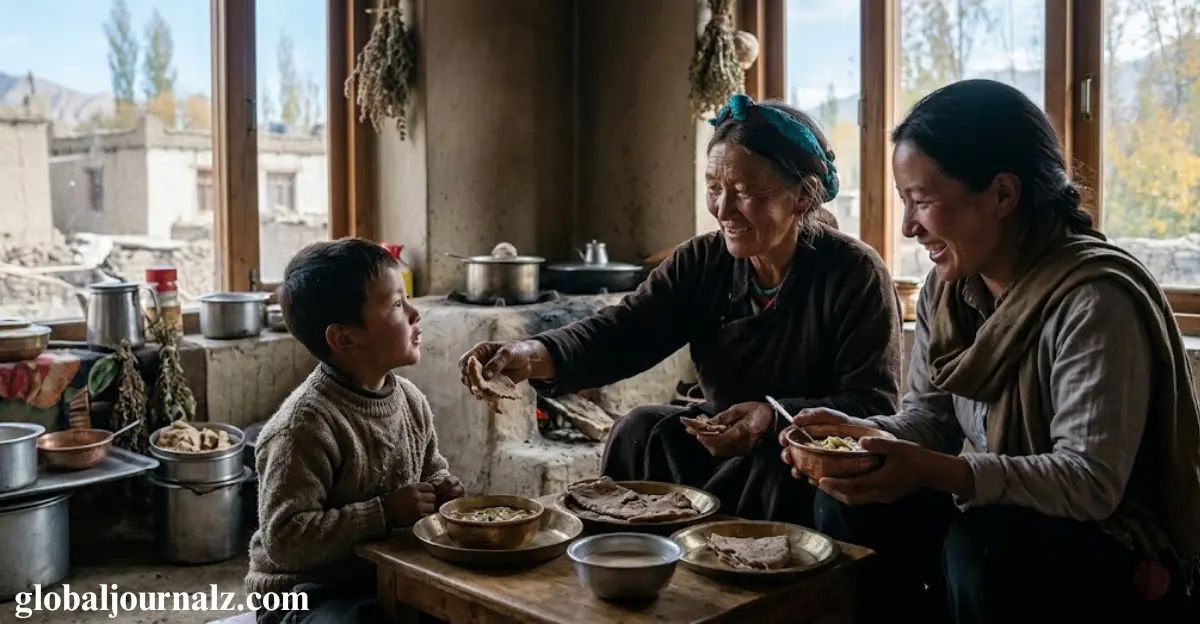
Food can carry a family’s history, a community’s traditions and a strong sense of belonging through the meals people prepare and share. Cuisine, food customs, and cultural identity are closely connected as recipes and dining practices move from one generation to the next. Traditional dishes also reveal how communities preserve their heritage while adapting to changing times. Explore how food keeps culture alive and shapes the way people connect with their roots.
Table of Contents
Intangible Cultural Heritage
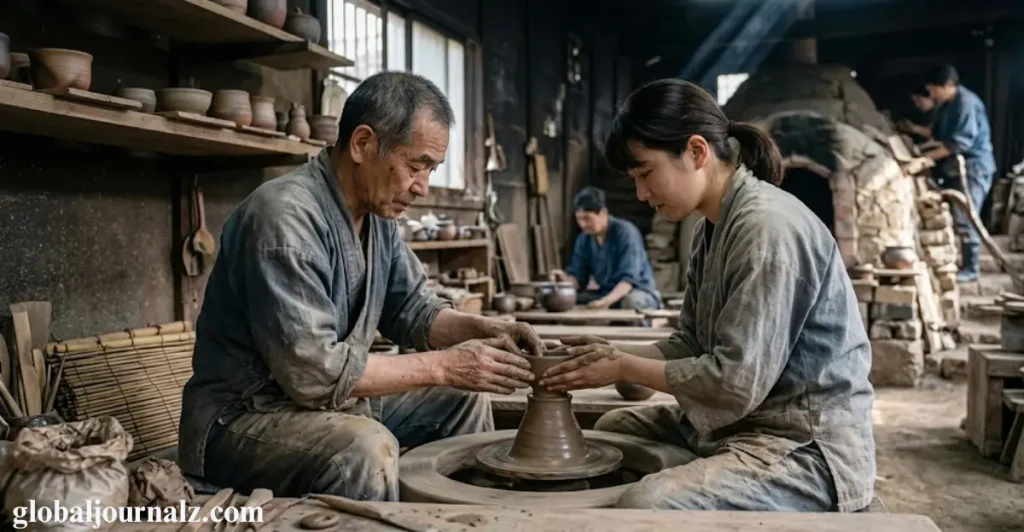
Food is an important part of intangible cultural heritage because traditional recipes and cooking practices carry stories from one generation to another. The UNESCO Intangible Cultural Heritage list recognizes food traditions such as Al-Mansaf, Harissa, Palov culture and Arabic coffee as valuable cultural practices.
These traditions show how food-related customs can reflect the beliefs and values of a community. Traditional meals and preparation methods help people maintain a connection with their history while keeping important cultural practices alive through family and community life.
Food heritage also preserves the unique character of different communities and their ways of celebrating together. From Ukrainian borscht cooking to traditional tea processing techniques in China, these practices demonstrate how cultural heritage can remain meaningful in everyday life.
Traditional Food and Local Cuisine
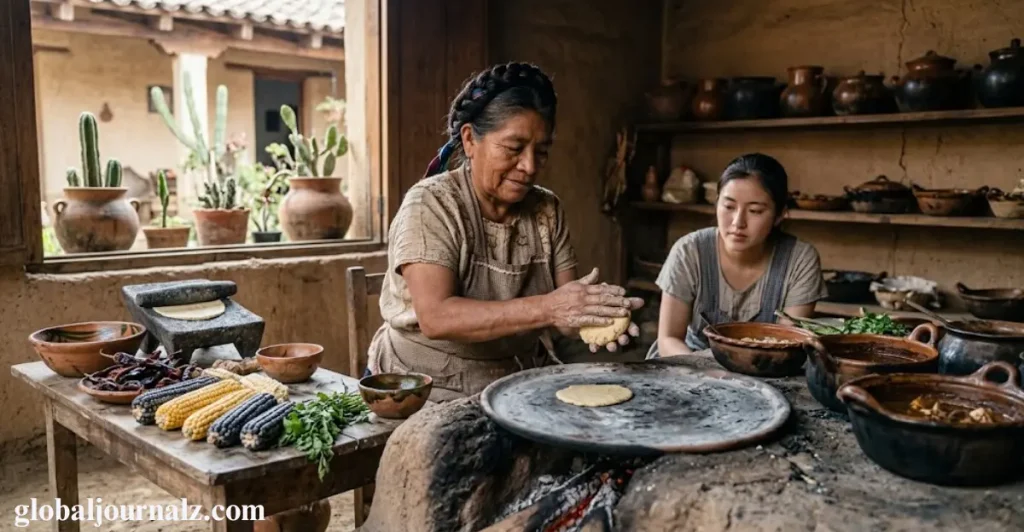
Traditional food plays a major role in cultural identity, carrying the flavors, customs and stories that connect people with their roots. In Italy, dishes like pasta and pizza are closely linked with family, community, and tradition, while Japanese cuisine connects food and cultural identity through carefully prepared dishes such as sushi, tempura, and ramen.
A country’s national dish can also represent its history and shared identity, with foods such as sushi in Japan, paella in Spain pizza in Italy and hamburgers in the United States becoming widely recognized symbols. These foods can have regional variations while still reflecting historic and cultural roots, showing how preparation methods and dining customs help preserve traditions.
Food also creates a natural connection between cultures especially when communities share their recipes and eating traditions with others. In the US, immigrant communities have helped shape local cuisine through pizza, tacos, sushi and Cajun and Creole cuisines, creating a diverse cultural melting pot where different food traditions continue to influence everyday life.
Dining Etiquette and Sharing Meals
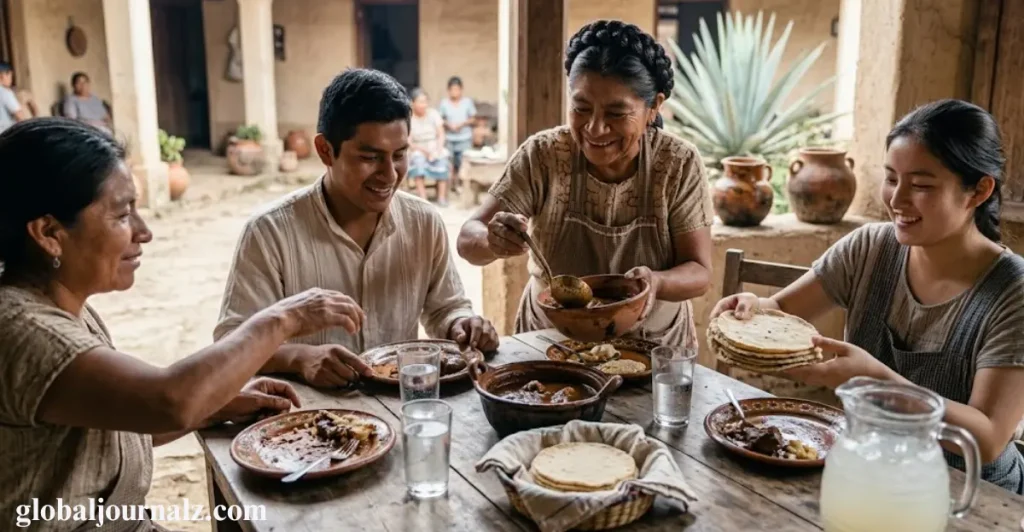
Dining etiquette shows how food brings people together during weddings, birthdays, holidays and other gatherings. Sharing traditional meals creates a sense of community while family recipes passed from one generation to another help keep cultural practices alive.
Cultural foods are also connected with traditional eating habits and can support a healthy lifestyle. Traditional foods often use fresh ingredients such as fruits, vegetables, whole grains, lean proteins and healthy fats, while traditional cooking methods can preserve their nutritional value.
Teaching these customs to younger generations helps keep food traditions active within families and communities. Schools, cultural organizations, restaurants and local markets can support this process by sharing traditional recipes, cooking methods and dining practices.
Honoring Cultural Foods and Heritage Through Food Bank Services
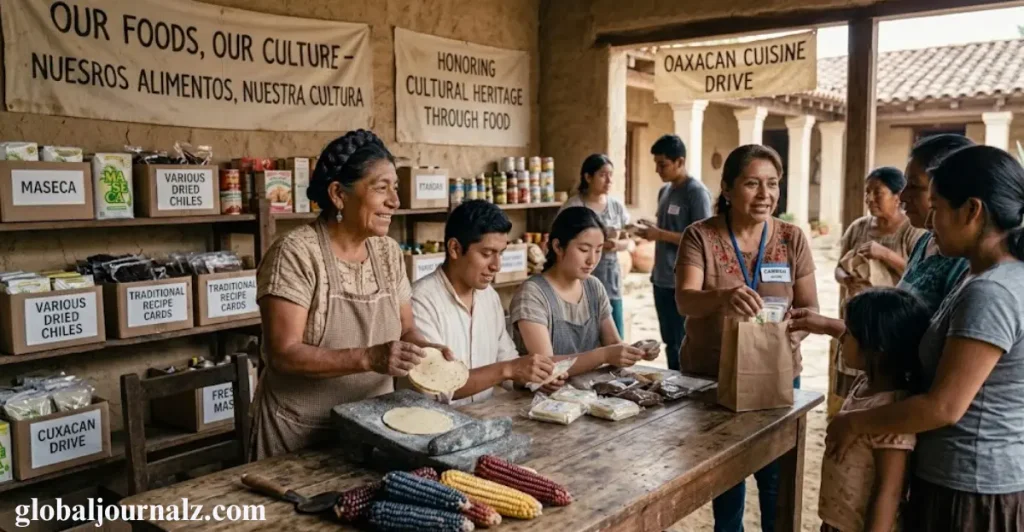
Food banks can support communities by offering culturally significant food alongside basic nutrition. Access to traditional foods and customs allows people to stay connected with their cultural identity while making food assistance more inclusive and respectful of different backgrounds.
Providing familiar ingredients and dishes can give people greater choice and comfort while also supporting food heritage. Food banks can source fresh foods and work with community partners to offer recipes and nutrition resources that represent different global cuisines and cultural traditions.
Food assistance becomes more meaningful when people can find foods connected to their culture and identity. Offering these choices can strengthen community belonging and help preserve cultural traditions through everyday meals.
Conclusion
Food is much more than something people eat because it carries the traditions, values and memories of different communities. From traditional recipes to local dishes, cuisine helps people stay connected to their cultural roots and identity. Shared meals and dining customs bring families and communities closer while passing traditions to younger generations. Cultural foods can also create understanding between communities by introducing people to different flavors and ways of life. Food banks have an important role in making culturally familiar foods available to diverse communities. When these traditions are respected and shared, they help protect cultural heritage and strengthen a sense of belonging. In this way, food connects the past with everyday life and keeps culture alive for future generations.
1. Why is food important to cultural identity?
Food reflects the traditions, history, and values of a community. Traditional recipes and cooking methods help people stay connected to their roots. Sharing these foods also keeps cultural practices alive.
2. How do traditional meals preserve heritage?
Traditional meals preserve heritage by passing recipes, ingredients, and cooking customs between generations. They often bring families together during everyday meals and celebrations. This keeps important cultural traditions part of daily life.
3. What role does food play in connecting cultures?
Food introduces people to different traditions, flavors, and ways of life. Sharing meals can encourage understanding and appreciation between communities. It also allows different cuisines to influence and enrich one another.