 By Muhammad Bilal
History reveals how societies became what they are, from ancient civilizations and migration to wars, traditions and major social changes that shaped generations. Exploring the past helps connect cultural identity with language, beliefs, customs, art and the values passed down over time. It also shows how different communities developed distinct ways of life while influencing one another across regions and eras. Discover how history deepens cultural understanding and brings the stories behind today’s diverse societies into clearer focus.
Table of Contents
The intimate connection of history and culture

Past events leave a lasting mark on culture by shaping traditions and social norms. The values and behavior of one generation are often learned by the next. This creates a natural link between historical experiences and the way people live today.
Over time communities carry their beliefs values and behaviors forward while adapting to new circumstances. Events such as migration conflict and social change can reshape cultural practices. At the same time culture can influence how people respond to events that later become part of history.
Looking at the past also reveals how culture develops within a society. Stories traditions customs and shared experiences preserve important parts of earlier life. As these are passed down they continue to shape identity and influence future generations.
Examples of this link
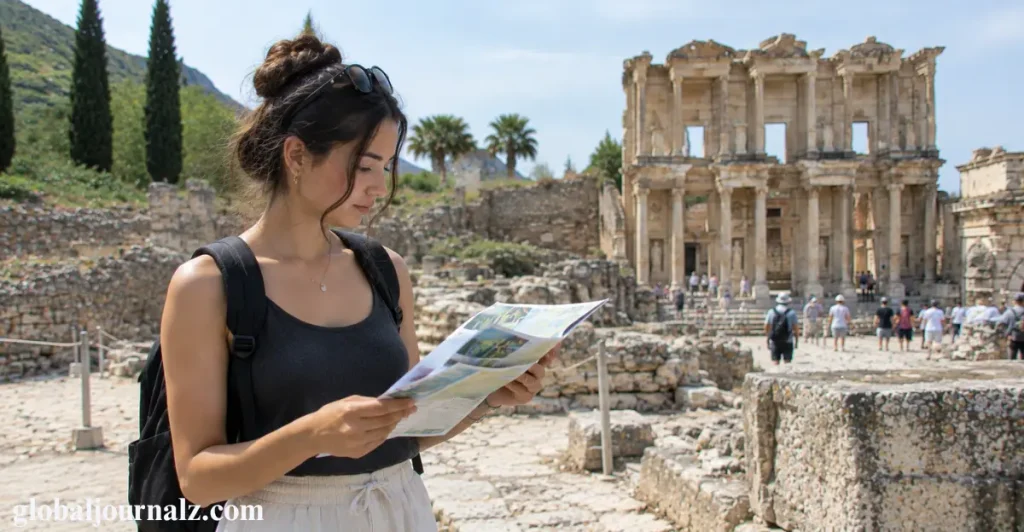
Around the world many cultural traditions reflect important parts of history. Food language clothing and festivals can preserve memories of migration trade conflict and social change. These examples show how historical experiences become part of everyday cultural life.
In different societies culture has developed through events that changed communities and their way of living. Political changes and migration often introduced new customs while older traditions continued across generations. Understanding these historical influences makes cultural practices easier to understand.
From national celebrations to family customs the connection between history and culture appears in many forms. Architecture art religion and language can all carry traces of earlier generations. Looking at these details helps explain how communities formed and preserved their identity.
Cambodia

The Khmer Rouge period from 1975 to 1979 caused the deaths of around 2–3 million Cambodians through famine, persecution, torture, and genocide. Losing such a large part of the population created deep social trauma. This history continues to influence Cambodian society and cultural attitudes.
Years of violence also affected trust between people and changed social relationships. Fear of informers and executioners became part of the collective memory and influenced how communities interacted. Such experiences can shape values norms and behaviors for generations.
The impact of this period shows how historical trauma becomes part of culture. Memories of loss and fear can influence family relationships and attitudes toward trust and authority. Cambodia demonstrates how a major historical event can leave lasting cultural effects.
The United States

The United States developed a strongly future-oriented culture partly through its history of immigration and settlement. Many immigrants left their families and familiar communities behind while seeking new opportunities. This encouraged greater attention toward future possibilities rather than historical roots.
Migration also helped establish cultural values centered on independence and personal opportunity. Families could become separated by long distances as people moved for work or education. These patterns continue to influence modern American culture and family relationships.
This historical background helps explain why mobility remains common in American society. People may live far from parents and extended relatives while maintaining independent lives. The country’s immigration history therefore remains closely connected to its future-focused cultural outlook.
Russia
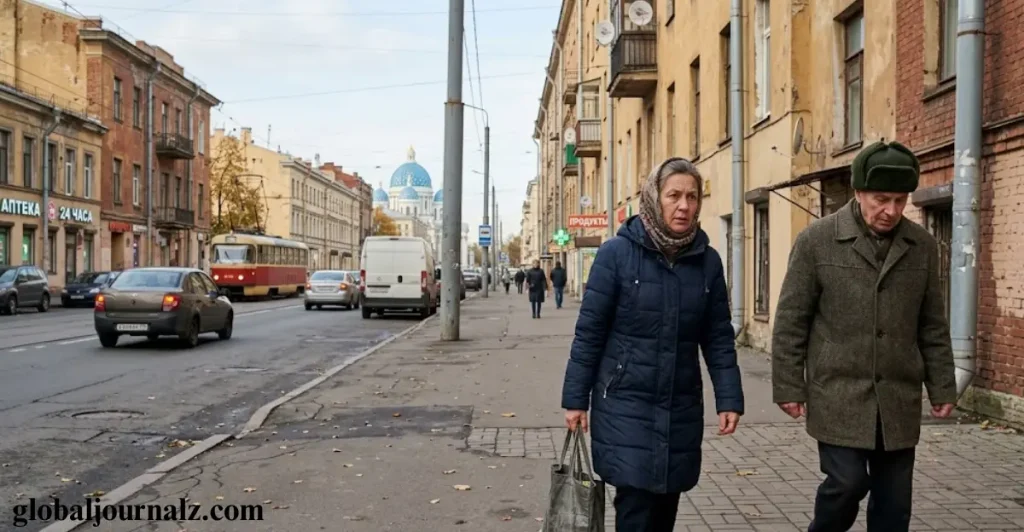
Under Soviet rule people often faced risks when others became aware of their private lives or possessions. This encouraged families to keep their homes and personal activities separate from wider social circles. Over time these conditions influenced everyday social behavior.
Private gatherings could become more closely associated with family because of concerns about unwanted attention. Birthday celebrations were therefore often treated as family occasions rather than events shared widely with friends. This illustrates how political conditions can influence ordinary cultural traditions.
The effects of that history can remain visible even after the original political system has disappeared. Social habits formed during periods of fear and uncertainty may continue across generations. Russia shows how past experiences can shape cultural practices in everyday life.
Israel & Palestine

The relationship between Israel and Palestine cannot be understood without examining the region’s long and complex history. Earlier political changes, conflicts, migration, and competing historical claims have shaped the identities and beliefs of both communities. These experiences continue to influence how people understand their land and cultural identity today.
Historical memories also play an important role in the values and perspectives found on both sides. Different communities preserve stories about displacement, conflict, belonging, and national identity. These memories can shape culture and influence how later generations view present events.
Understanding this background provides important context for the ongoing conflict and its social impact. Without knowledge of the region’s historical development it becomes difficult to understand the beliefs and perspectives that influence both societies. The example clearly shows how history shapes culture over time.
China
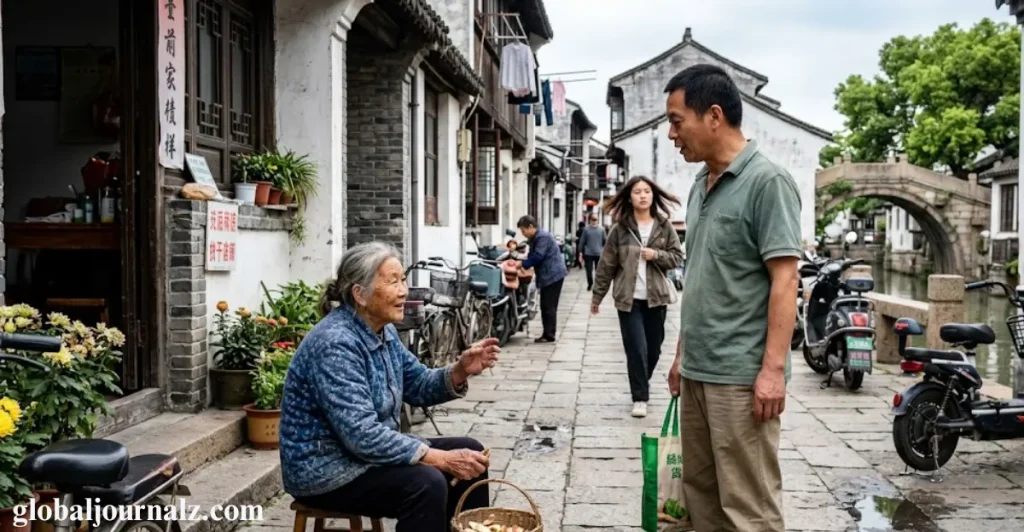
For centuries China developed major achievements in science, technology, art, and culture while other parts of the world were experiencing different historical periods. Later conflicts and foreign intervention weakened Chinese power and contributed to the Century of Humiliation. These experiences became an important part of China’s collective historical memory.
The Opium Wars and Japanese invasion deepened feelings of national vulnerability and loss. Memories of these events continue to influence Chinese ideas about sovereignty and national strength. Historical experiences therefore remain closely connected to modern Chinese culture and national identity.
Today the idea of restoring China’s former strength is reflected in discussions about national development and the Great Rejuvenation of the Chinese people. This outlook draws heavily on memories of earlier achievements and periods of decline. The example shows how history can influence nationalism and cultural values across generations.
More

History has shaped cultures across many other regions through colonisation conflict political change and social upheaval. Indigenous communities in the Americas experienced major changes under European expansion while apartheid transformed social life in South Africa. These events continue to influence identity and collective memory.
Other examples include the effects of Soviet and Taliban rule in Afghanistan and the lasting impact of Saddam Hussein’s violence against Kurdish communities. The Iranian Revolution also reshaped Iranian society while the division of Korea continues to influence life in both North and South Korea. Each case demonstrates a different connection between history and culture.
The continuing effects of major events can also be seen in Ukraine and other societies affected by war and political transformation. Historical experiences influence language traditions national identity social values and attitudes toward other communities. Examining these connections makes it easier to understand how people and cultures develop over time.
Tips for understanding history
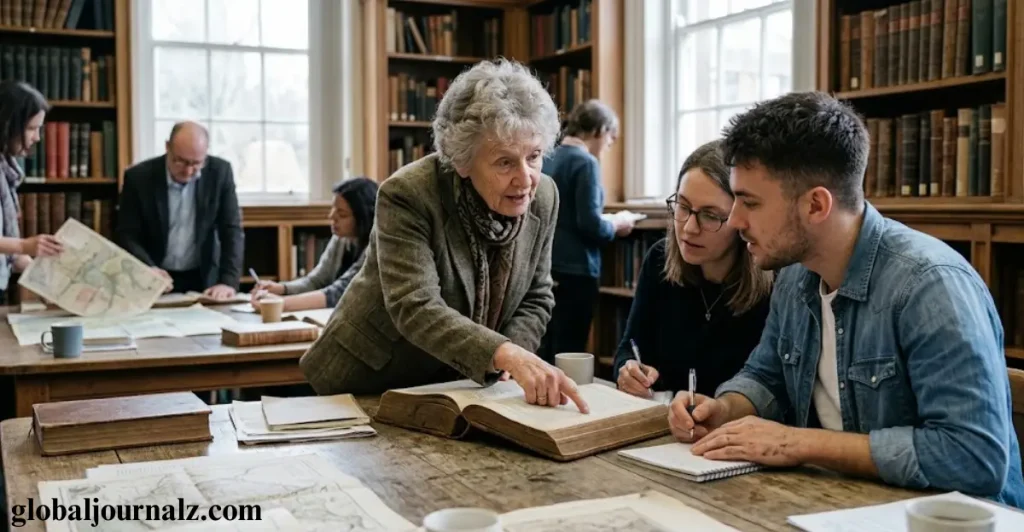
Explore these practical tips to understand history more clearly, connect important events, and see how the past shaped the world today.
Understand popular histories
Most people learn history through stories shared by families schools communities and media rather than through original historical sources. These popular accounts can shape beliefs values and behaviors even when some details are inaccurate. What people accept as true can become an important part of their culture and influence how they respond to society.
In North Korea for example beliefs surrounding the Kim dynasty have been reinforced through education and official narratives. The factual accuracy of these claims does not change their cultural influence because people act according to what they believe. This shows how popular versions of history can affect loyalty identity and everyday behavior.
Similar patterns can appear when people believe a ruler received authority from God or that a national event has a particular meaning. Such beliefs may influence political attitudes social expectations and relationships with authority. Understanding these widely accepted historical narratives is therefore important when examining a society’s culture.
Understand actual history
Beyond popular beliefs there is also the actual history of events that occurred whether people know about them or accept them as true. Facts from the past can continue affecting institutions communities and cultural patterns even when those events have been hidden or misunderstood. Historical reality can therefore shape society without becoming part of public knowledge.
A government might conceal political violence for decades while maintaining the image of a respected ruler. People could genuinely believe the leader is good while the consequences of those actions still influence institutions and social relationships. This demonstrates that history can affect culture through both known and unknown experiences.
Examining factual records alongside popular narratives creates a fuller understanding of cultural development. Public beliefs explain what people think happened while documented history helps reveal what actually occurred. Considering both perspectives provides stronger context for understanding present values traditions and social behavior.
Ask locals to tell their history
Local people can provide valuable insight into history because their understanding often reflects what they learned from family education and their wider community. Their version may differ from academic accounts or narratives taught elsewhere. Those differences themselves can reveal important features of a society’s culture.
Listening to local perspectives can show which events communities remember most strongly and how those events are connected to present beliefs. Stories about national history or relationships with other countries may reveal attitudes that are difficult to understand through textbooks alone. This makes local narratives useful for exploring cultural identity.
Learning about a host country’s past can also create a deeper understanding of language customs and social attitudes. Exploring major historical narratives and then discussing specific events with local people can reveal how history shapes culture. These conversations provide context for understanding both what people believe and why those beliefs matter.
Ask what events have the greatest influence on the culture today
Historical events can have different levels of importance for each society. Asking local people which events shaped their culture avoids outside assumptions and may reveal connections that happened recently or centuries ago.
The period people choose can also reflect whether their society is more past-oriented or future-oriented. A future-focused country such as the United States may emphasize more recent history while Japan may connect its identity with a much longer past.
Allowing locals to decide where their historical story begins provides valuable cultural insight. Their choice can reveal which events shaped their values beliefs and traditions and what parts of the past remain important in everyday life.
Ask about country-country relationships
The relationship between two countries can reveal how history influences cultural attitudes. Local accounts may differ from the version taught in another country and those differences can show how historical narratives shape beliefs values and norms.
Looking beyond one international relationship can provide a wider picture of cultural development. Asking which countries have had the greatest influence can uncover the effects of conflict trade migration and political change on modern culture.
These conversations can also explain how a society views other nations today. Historical relationships often remain part of collective memory and can influence national identity. Understanding those connections makes cultural attitudes easier to interpret.
Understand as many narratives as accessible
A balanced view of history requires attention to different narratives. Local textbooks foreign scholars minority communities government sources and political dissenters may present different versions of the same events and each can reveal something about cultural memory.
School history books are especially useful for understanding what younger generations are taught about their past. Local sources may highlight experiences that official accounts overlook while foreign writers can provide another perspective on important events.
Comparing these accounts helps reveal both what happened and what people believe happened. These differences can influence culture for generations and show how historical memory develops within different communities and social groups.
Read ex-pat narratives
Accounts from expats can provide another perspective on a country’s culture and history. Their biographies may describe local customs social expectations and relationships that shaped their experiences. Comparing these stories with local accounts can reveal important differences.
The lives of well-known expatriates can also show how outsiders adapted to their host society. Their successes mistakes and difficulties may reveal cultural practices that are not immediately obvious to visitors. These experiences can add useful context to historical understanding.
Comparing expatriate narratives with local perspectives can highlight how the same society is viewed from different positions. Such differences can reveal important social values beliefs and behaviors while showing how history influences everyday cultural life.
Conclusion
History provides the context needed to understand how cultures develop, change and preserve their identity. Past events influence traditions, beliefs, social values, language and relationships between communities. Historical memories can also shape how people understand conflict, migration, political change and national identity. Exploring local stories and different historical narratives helps reveal perspectives that may be missed in official accounts. Comparing popular beliefs with documented history creates a clearer view of how the past continues to affect society. From Cambodia and China to the United States and other regions, history remains closely connected to cultural life. Understanding these connections makes it easier to appreciate the diversity and complexity of cultures around the world.
How does history shape culture?
History influences traditions, beliefs, language, social values and everyday behaviors. Past events become part of collective memory and can affect how communities understand themselves. These influences are often passed from one generation to the next.
What role do historical events play in cultural identity?
Major events can shape how people understand their community and national identity. Migration, conflict, political change and social movements can leave lasting cultural effects. Over time these experiences become connected with traditions, values and shared memories.
Can historical trauma affect culture?
Historical trauma can influence trust, family relationships and social behavior for generations. Experiences of violence or persecution may become part of a community’s collective memory. Cambodia shows how difficult historical experiences can continue to affect cultural attitudes.
Why are different historical narratives important?
Different narratives can show how the same event is understood by different communities. Local sources, school textbooks, foreign writers and minority groups may offer different perspectives. Comparing these accounts creates a broader understanding of cultural memory.
How can local people help in understanding history?
Local people often share historical knowledge shaped by family, education and community traditions. Their perspectives can highlight events that may receive less attention in outside accounts. These stories also help explain the connection between history, customs and social attitudes.
How does migration influence culture?
Migration can introduce new languages, customs, traditions and social practices into communities. It can also change family relationships and create cultural connections between different regions. The history of immigration in the United States is one example of this influence.