 By admin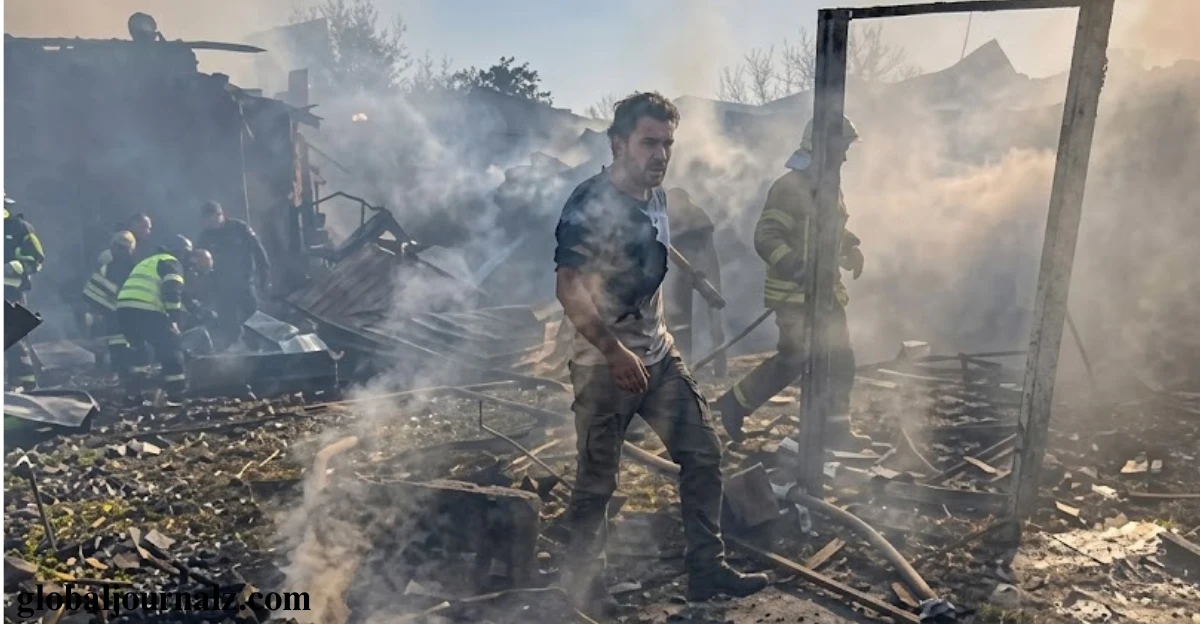
Russia has reportedly struck six Ukrainian energy sites since U.S. President Donald Trump announced a ceasefire, according to Ukrainian President Volodymyr Zelensky. The reported attacks have raised fresh concerns about the protection of Ukraine’s energy infrastructure and the prospects for reducing hostilities. Energy facilities remain critical to electricity supplies and essential services, particularly as communities face the ongoing effects of the war. Zelensky’s statement has also renewed questions about the ceasefire’s effectiveness and whether diplomatic efforts can prevent further attacks.
Table of Contents
Russia’s Strikes on Ukrainian Energy Facilities and Energy Ceasefire
Russia has struck six Ukrainian energy facilities following an announcement by US President Donald Trump about an energy ceasefire between Russia and Ukraine. The reported Russian strikes have raised concerns about whether an immediate truce can protect essential services during the ongoing conflict. Despite the Sunday announcement, attacks affecting energy infrastructure and other facilities have continued to threaten electricity supplies and increase the risk of widespread blackouts.
The impact has been particularly concerning in Izyum, where reports describe destroyed power grids and significant damage to local infrastructure. According to Ukrinform, attacks have also affected western Ukraine, including railway infrastructure and energy equipment. This damage can complicate repairs and interrupt the movement of essential supplies. Continued overnight attacks have added pressure on repair teams working to restore damaged infrastructure and maintain reliable electricity supplies.
The reported damage has increased the risk of electricity rationing and further power cuts across affected areas. Communities in Kharkiv, Donetsk and Zaporizhzhia remain exposed to the consequences of Russian attacks on the Ukrainian energy network. Energy facilities are essential for households, hospitals, businesses and public services, particularly as Ukraine prepares for colder weather. The developments have therefore raised questions about the effectiveness of a ceasefire and the protection of critical infrastructure.
Trump’s Energy Ceasefire Announcement
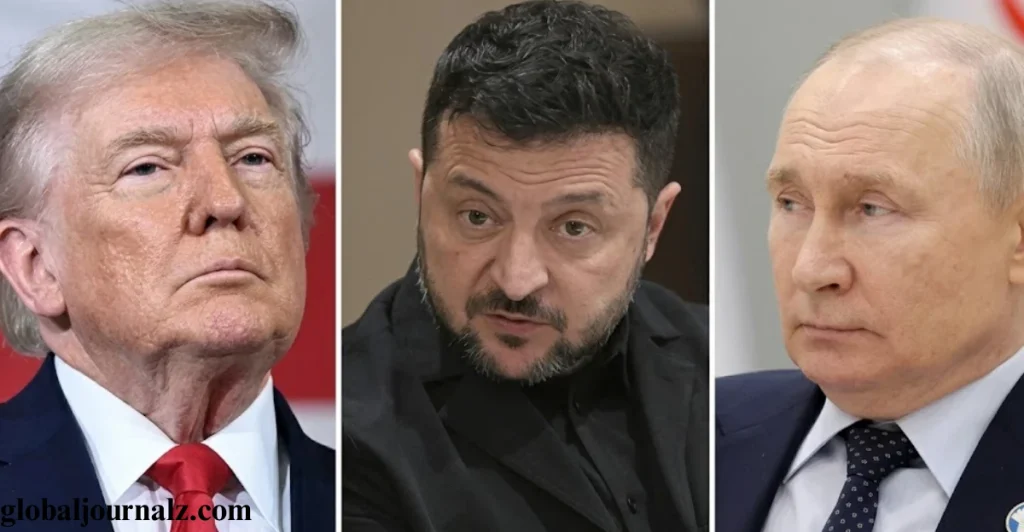
Donald Trump announced an energy ceasefire on Sunday, describing the proposed truce as effective immediately. The announcement presented a potential ceasefire agreement between Russia and Ukraine, with the aim of limiting attacks on energy infrastructure. However, Volodymyr Zelensky reportedly said the announcement was news to him, raising questions about whether both sides had agreed to the same terms and whether a workable arrangement was already in place.
Trump’s statement portrayed the proposal as a major step toward ending the war and highlighted the importance of American involvement in diplomatic efforts. The announcement nevertheless depends on Russian compliance, clear commitments from both sides and effective monitoring of attacks on power plants and other essential facilities. A public ceasefire claim does not necessarily establish that a formal agreement has been accepted or that military operations have stopped.
The proposal also comes amid broader political and economic pressures, including the US midterm elections, global conflicts and rising fuel prices. Discussions about Russian diesel imports and the US energy market add another dimension to the diplomatic situation. Any genuine truce would require practical arrangements for ceasefire implementation, continued communication and credible peace efforts. The position of Russia’s Foreign Minister Sergei Lavrov may also influence the diplomatic debate over whether Ukraine receives a meaningful respite from military operations.
Zelensky’s Response and Civilian Impact
Volodymyr Zelensky has highlighted the human consequences of attacks on energy facilities, with reports stating that 33 people were injured. Speaking to Fox News, he described the continued Russian attacks as evidence of Moscow’s actions despite the proposed ceasefire. Damage affecting gas stations, electricity infrastructure and other essential facilities has increased concerns about civilian safety. Zelensky’s criticism frames the strikes as Putin’s answer to President Trump following the announcement of a possible truce.
At the Warsaw Security Forum, Zelensky reportedly said there were no signals from Russia indicating a genuine commitment to ending the war. Damage to power equipment has forced Ukraine to manage electricity rationing, with further power cuts affecting communities in Kharkiv, Donetsk and Zaporizhzhia. The state-owned grid operator Ukrenergo has faced the challenge of maintaining electricity supplies while dealing with damaged and overloaded equipment that can trigger additional outages.
The continuing blackouts, including those reported in Izyum, demonstrate how attacks on energy systems can affect everyday life. Electricity disruptions threaten heating, communications, healthcare and other services that civilians rely on. Zelensky’s response emphasises the importance of Ukrainian defence, resistance to Russian aggression and stronger protection for energy security. Ensuring public safety requires reliable electricity supplies and meaningful steps to prevent further attacks on infrastructure serving civilian communities.
Russia-Ukraine Energy Infrastructure Conflict
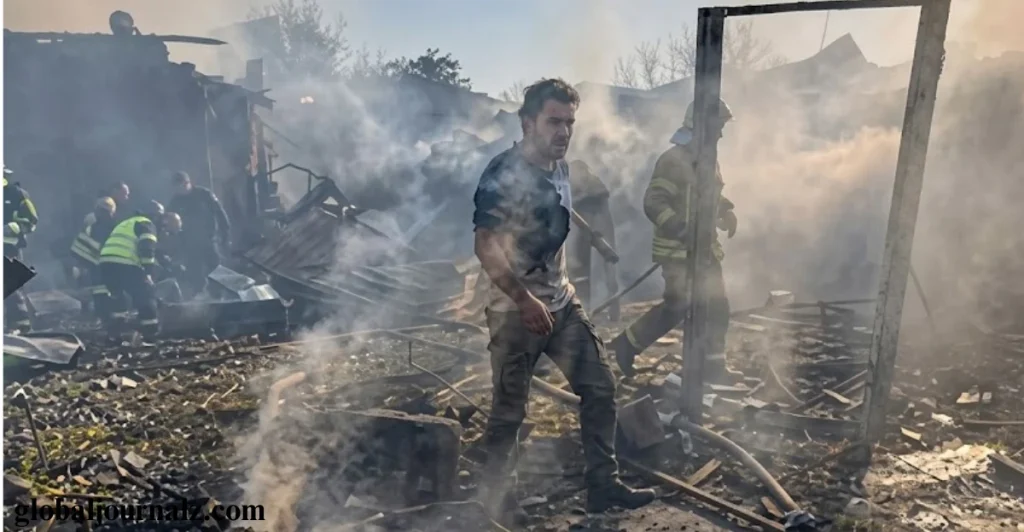
Russia and Ukraine have continued exchanging strikes against energy infrastructure, disrupting supplies and increasing pressure on both countries’ energy systems. Moscow has described certain facilities as legitimate targets, while Ukraine has argued that attacks on Russian energy assets can reduce the resources available to sustain the invasion. The dispute includes Ukrainian attacks on Russian territory, particularly oil and gas facilities, as both sides pursue military objectives and prepare for the winter period.
Figures attributed to BBC Verify indicate a significant increase in reported attacks on Russian-controlled energy facilities. The supplied figures state that there were 273 strikes in 2026, compared with 124 strikes in 2025, representing more than double the earlier total. Data associated with the Armed Conflict Location and Event Data project (Acled), a global conflict monitor, also indicates 2.4 times as many reported Russian attacks on Ukraine’s energy network in the referenced comparison. These figures underline the scale of the reported escalation, although the periods and definitions used for each comparison matter when interpreting the totals.
The growing number of attacks has intensified concerns about Ukraine’s energy network and the potential for further disruption during next winter. Damage to generation facilities, substations and distribution systems can reduce the availability of electricity even after direct attacks have ended. Continued fighting therefore threatens energy supply disruption at a time when reliable heating and power are essential. The conflict over energy infrastructure remains closely connected to military strategy, economic pressure and the prospects for negotiations.
Russian Diesel Deal and US Sanctions
Donald Trump has also faced scrutiny over Russian diesel and the possibility of US imports from Russia to increase supply in the global market. The proposal has been discussed amid concerns about fuel prices, energy imports and the effect of restrictions on Russian oil infrastructure. Reports of temporarily suspended US sanctions and potential exemptions for Russian diesel exports have raised questions about how Washington intends to balance domestic energy needs with its response to the war.
For Vladimir Putin, renewed energy trade could create opportunities to generate revenue through Russian refineries and additional diesel supply. However, Volodymyr Zelensky has criticised arrangements that could benefit Moscow, describing the deal as a gift to Putin. The debate highlights the relationship between energy trade, the global energy market and the financial resources available to Russia. For American consumers, the central question is whether additional supplies could ease fuel price pressure without creating wider strategic costs.
The US Treasury and its approach to sanctions relief remain central to the discussion. Any change could affect Russia’s ability to supply diesel, its access to energy markets and the economic consequences of the war. The relationship between a proposed energy ceasefire and the Russian diesel deal has also raised questions about whether trade decisions support diplomatic progress or weaken pressure on Moscow. At the same time, Ukrainian attacks on Russian oil facilities and the resulting effects on Russian revenue remain part of the wider debate over war financing.
International Reactions and Ceasefire Prospects
Sergei Lavrov, Russia’s Foreign Minister, has been associated with the argument that a ceasefire could provide Russia with a period of respite. The reported position that Ukraine does not deserve respite has intensified concerns about the prospects for a balanced agreement. Volodymyr Zelensky and Donald Trump face different expectations over how a truce should be negotiated and enforced, while the United States, Russia and Ukraine remain central to the diplomatic process.
The reported energy ceasefire faces questions over Russian non-compliance allegations, the protection of Ukrainian power plants and the need for credible diplomatic negotiations. Ukraine’s international partners are likely to remain important to ongoing peace efforts, particularly if sustained attacks continue to damage essential infrastructure. Evidence reviewed by BBC Verify and other conflict monitoring efforts can help assess the scale and timing of Ukrainian and Russian strikes, although independent monitoring does not itself guarantee compliance with a ceasefire.
A lasting arrangement would need to distinguish between military objectives and attacks that leave civilians without essential energy supplies. Protecting civilian energy supplies is particularly important for winter energy security, when interruptions to heating and electricity can have serious consequences. Governments must also consider how sanctions policy and the Russian diesel deal affect incentives for cooperation. Ultimately, the ceasefire credibility of any agreement will depend on observable compliance, effective monitoring and meaningful progress towards ending the war.
Conclusion
The reported strikes on six Ukrainian energy sites have raised further concerns about the impact of continued hostilities on Ukraine’s critical infrastructure, despite President Donald Trump’s announcement of a ceasefire. Volodymyr Zelensky’s statement highlights the challenges of protecting essential facilities and achieving a meaningful reduction in attacks. Damage to energy infrastructure can disrupt electricity supplies and place additional pressure on communities already affected by the war. The situation also raises questions about the implementation of the ceasefire and the prospects for renewed diplomatic efforts.
FAQs
What did Zelensky say about the attacks on Ukrainian energy sites?
Volodymyr Zelensky said that six Ukrainian energy sites had been hit by Russia since Donald Trump announced a ceasefire, raising concerns about continued attacks on critical infrastructure.
Why are Ukrainian energy sites important?
Energy facilities provide electricity and support essential services, including heating, hospitals, businesses, and water systems. Damage to these sites can disrupt daily life and affect communities across Ukraine.
What ceasefire did Donald Trump announce?
The specific terms, timing, and scope of the ceasefire should be confirmed through reliable reporting on the announcement. These details are important for understanding which attacks or military actions the agreement was intended to address.
How could the reported strikes affect Ukraine’s electricity supply?
Damage to power plants, substations, or other energy infrastructure can interrupt electricity generation and distribution. The actual impact depends on the facilities affected, the extent of the damage, and how quickly repairs can be completed.
Do the reported attacks mean the ceasefire has failed?
The reported strikes raise questions about the ceasefire’s effectiveness, but a definitive assessment depends on the agreement’s terms, verified incident details, and whether the reported attacks fall within its scope. Independent reporting and further statements from the parties involved can help clarify the situation.
 Muhammad Bilal