 By admin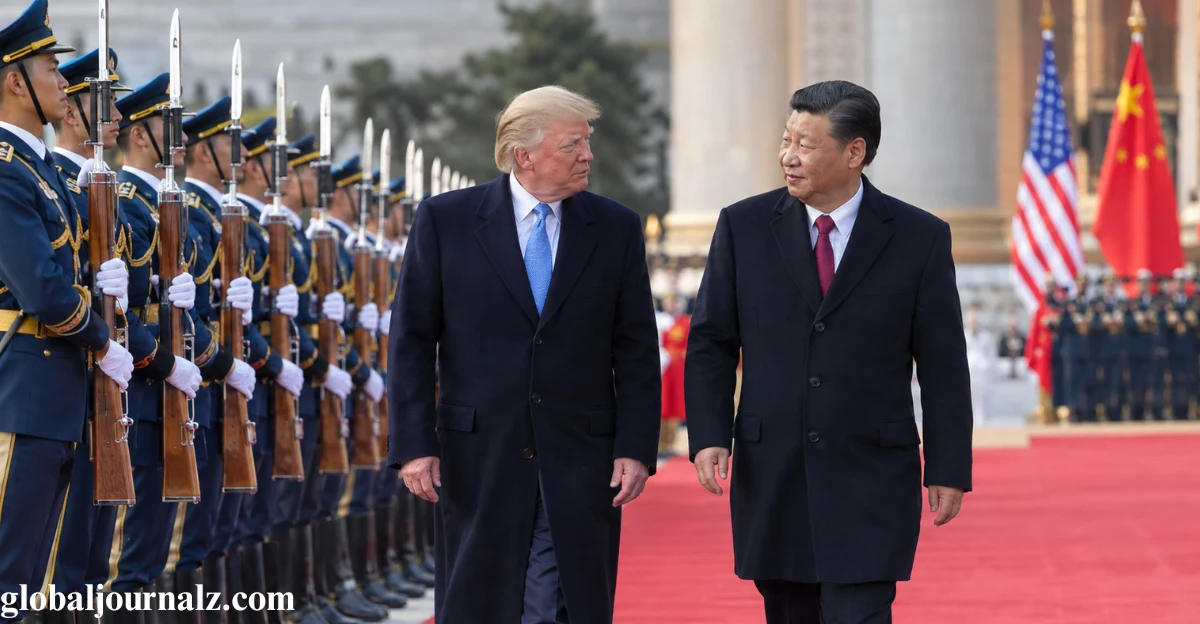
Trump-Xi summit brings Washington and Beijing together at a moment when trade, Taiwan and strategic competition remain major points of tension. The meeting is expected to feature elaborate diplomatic ceremony and carefully staged moments between Donald Trump and Xi Jinping. Yet behind the pageantry, the two sides still face difficult issues that could limit what the summit actually delivers. See what the meeting could mean for the future of U.S.-China relations.
Table of Contents
Key Issues at the Trump-Xi Summit
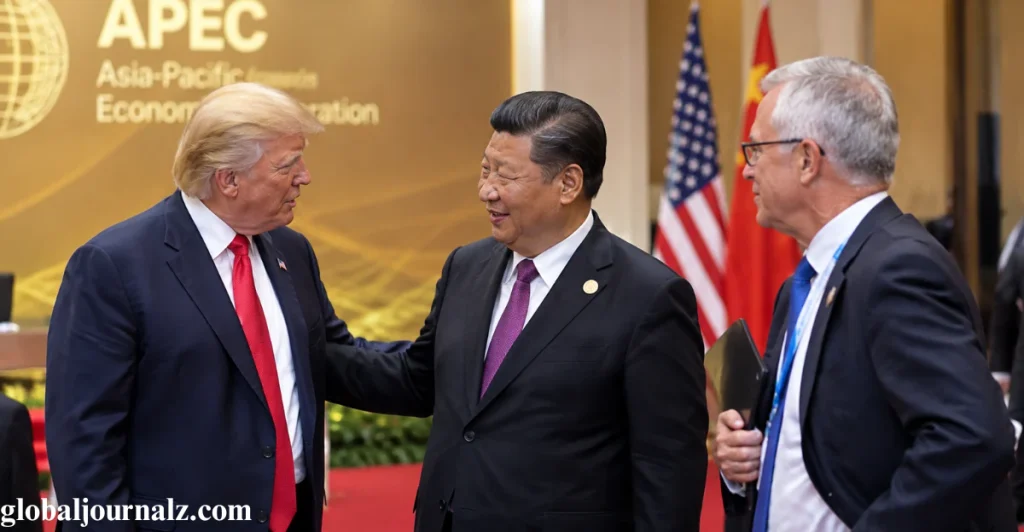
The Trump-Xi summit will focus on the balance between diplomacy and growing strategic competition between Donald Trump and Xi Jinping. Major issues include trade, rare earth export controls, tariffs, artificial intelligence and technology restrictions. The Busan deal has eased some tensions, but significant disagreements remain between Washington and Beijing.
Beyond the ceremony, Beijing wants to maintain Trump’s de-escalatory approach, while Washington continues addressing concerns over Chinese technology and economic pressure. Taiwan, supply chains, drones, robots and AI models add further complications to the talks. These issues will shape how much practical progress the summit can deliver.
Trade and Tariff Talks
Trade stability will be a major focus as Donald Trump and Xi Jinping meet amid ongoing disputes over tariffs, rare earths and economic competition. Both sides have reasons to protect their economic interests while avoiding measures that could further disrupt trade between the world’s two largest economies.
The talks also come after Trump’s visit to China in May and alongside the 81st UNGA in New York, where leaders from more than 120 countries have gathered. Artificial intelligence, Iran sanctions, and wider geopolitical tensions could also influence the direction of the trade discussions.
Future of US-China Relations
The next phase of US-China relations will be shaped by how Washington and Beijing handle growing economic and strategic competition. Donald Trump and Xi Jinping face difficult issues involving trade, tariffs, rare earths, technology and security. Their summit provides an opportunity to keep communication open while addressing these ongoing tensions.
Beyond the meeting itself, both countries will continue navigating disagreements over artificial intelligence, Taiwan and broader geopolitical influence. The outcome will depend not only on what the two leaders discuss but also on how their governments follow through afterward. These issues will remain central to the relationship in the months ahead.
Conclusion
The Trump-Xi summit brings together two leaders facing major disagreements over trade, technology and security. The formal ceremony may create a positive diplomatic atmosphere, but difficult issues remain beneath the surface. Tariffs, rare earths, artificial intelligence and Taiwan will continue to shape the wider relationship. Both Washington and Beijing also have strong economic interests in keeping tensions from escalating further. The talks could help maintain communication even where immediate agreements remain limited. What matters next will be how both governments respond to the issues discussed during the meeting. The summit therefore offers an important test of whether diplomacy can manage the growing U.S.-China rivalry.
FAQs
What could Trump and Xi discuss during the summit?
The talks are expected to cover trade, tariffs, rare earths, artificial intelligence and technology restrictions. Taiwan and wider security concerns may also feature. These issues remain central to the U.S.-China relationship.
How might the summit affect global trade?
Any progress on tariffs or rare earth supplies could influence trade between the world’s two largest economies. Both countries have strong economic interests in avoiding further disruption. The wider impact will depend on agreements reached and their implementation.
Why does this meeting matter for both countries?
The summit gives Donald Trump and Xi Jinping an opportunity to address major disagreements through direct communication. Their discussions could help manage tensions over trade, technology and security. Future actions by both governments will determine what follows.
 Muhammad Bilal
[…] reported Pentagon decision involving Nidal Hasan centres on a firing squad of soldiers and a proposed public […]