 By Muhammad Bilal

The global cost-of-living crisis is severely impacting families across the world, pushing vulnerable populations into deep financial distress. Driven by rising inflation, economic instability, and regional conflicts, the soaring cost of everyday essentials makes basic survival increasingly difficult. The IRC provides emergency aid and livelihood support to families in need. This article examines the crisis causes and relief efforts across affected countries.
Table of Contents
What has caused the cost of living crisis?
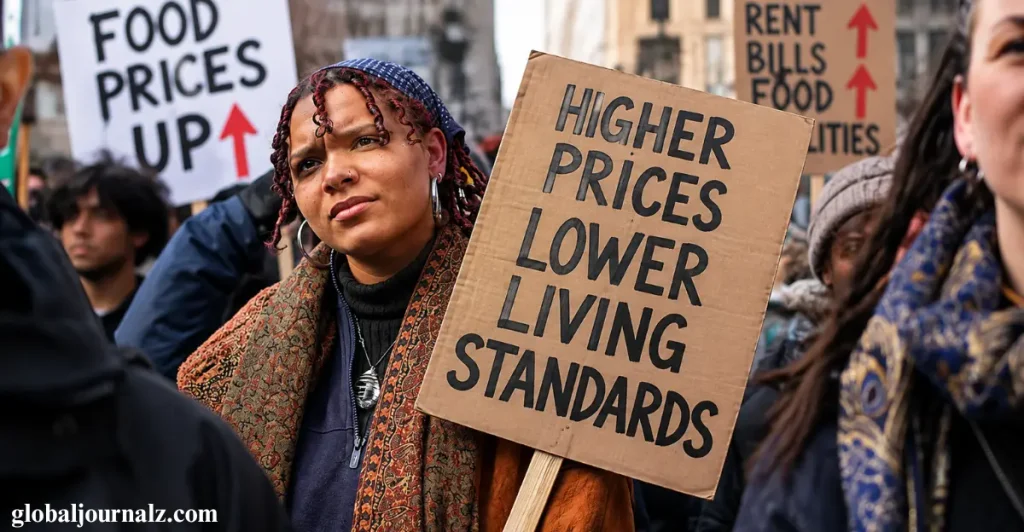
The cost of living crisis has intensified due to domestic factors and global factors that disrupted the global economy. The COVID-19 pandemic slowed production before economic recovery increased demand. Later, the war in Ukraine and the wider Ukraine conflict affected Russian oil exports and natural gas supplies. These supply disruptions reduced energy availability and increased energy competition across global energy markets.
Such an energy crisis contributed to inflation and growing economic pressure. Reports of a 96% gas price increase and a 54% electricity price increase illustrate the scale of increases in some European markets. Higher oil prices and electricity prices pushed up domestic gas prices and household expenses. For European households and Europeans these changes increased living expenses and intensified financial hardship.
Diminished energy supply and energy shortages placed pressure on the energy market, while reduced oil availability and reduced gas availability affected fuel prices and heating costs. The post-pandemic recovery faced economic instability and global economic challenges as energy demand competed for limited energy resources. Rising consumer costs and utility bills strained household budgets and affordability.
How is the cost-of-living crisis affecting people around the world?
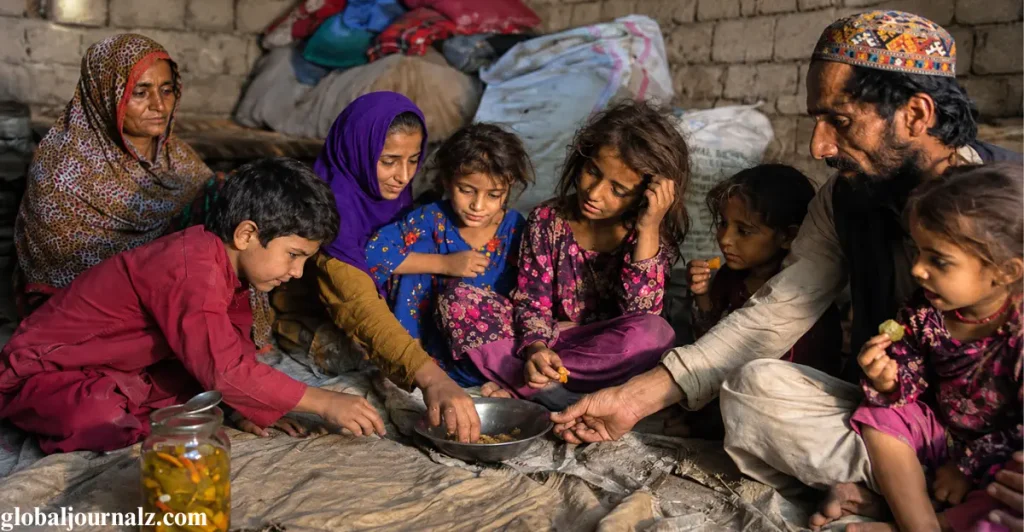
Across countries around the world, the cost-of-living crisis has increased household expenses and created financial hardship for millions of families. Rising costs of living have made everyday needs harder to afford as global inflation pushes up consumer prices. Many households now face financial difficulties while managing limited household budgets. These increases have worsened economic instability worldwide.
Meanwhile global financial pressure has affected national economies and weakened consumer spending in many regions. Higher living costs have created affordability challenges as the cost of essential goods continues to rise. Families are experiencing increasing expenses that add to financial strain and deepen economic uncertainty. In some affected countries, these pressures have contributed to economic decline and increased the risk of an economic downturn.
As price surges spread across markets, the international economic crisis has placed pressure on family finances and daily expenses. Reduced purchasing power makes necessities harder to afford and threatens living standards. These cost-of-living pressures increase financial insecurity as severe inflation and economic disruption affect global household costs. Rising expenses deepen financial pressure and national economic challenges.
Cost-of-living crisis in Afghanistan
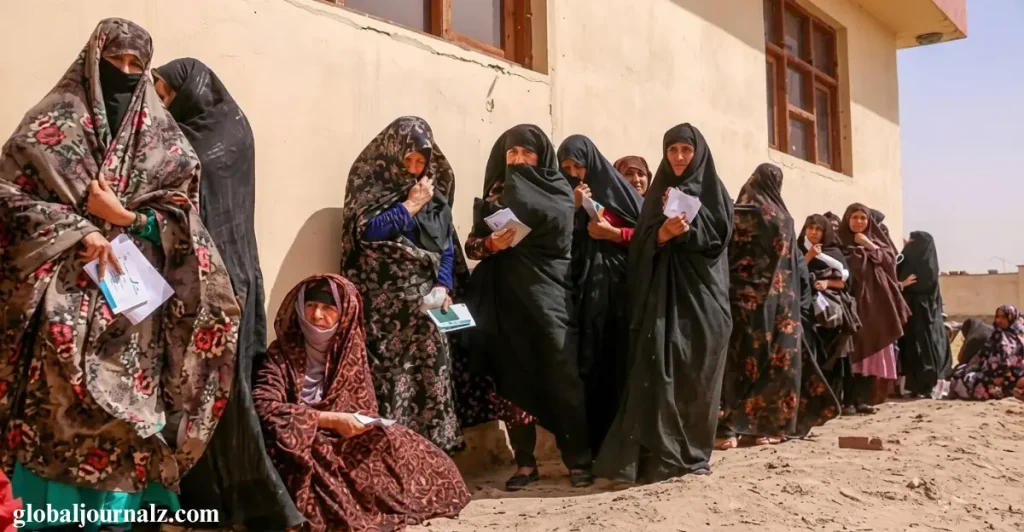
Afghanistan’s cost-of-living crisis worsened after the shift in power in August 2021 when the Taliban took control. Financial isolation from the international financial system disrupted the national economy, while economic policies and foreign aid cuts intensified the humanitarian crisis. The resulting economic collapse contributed to a 40% loss of GDP and weakened opportunities for economic recovery.
In many Afghan families, 97% of the population faced severe hardship, according to estimates reported during the crisis. Growing food insecurity and food shortages made necessities difficult to afford and pushed families below the poverty line. Reduced purchasing power increased household expenses and limited access to essential goods. The affordability crisis left vulnerable households struggling with hunger and sometimes only a meal a day.
Additionally, healthcare access declined as reduced funding strained the healthcare system and limited critical health services. Around 12 million people needed support, while mobile health team services helped reach remote villages in Khost in southeastern Afghanistan. Years of the war in Afghanistan created lasting conflict-related hardship across rural communities. Humanitarian aid remains vital as living standards decline.
Cost-of-living crisis in Lebanon
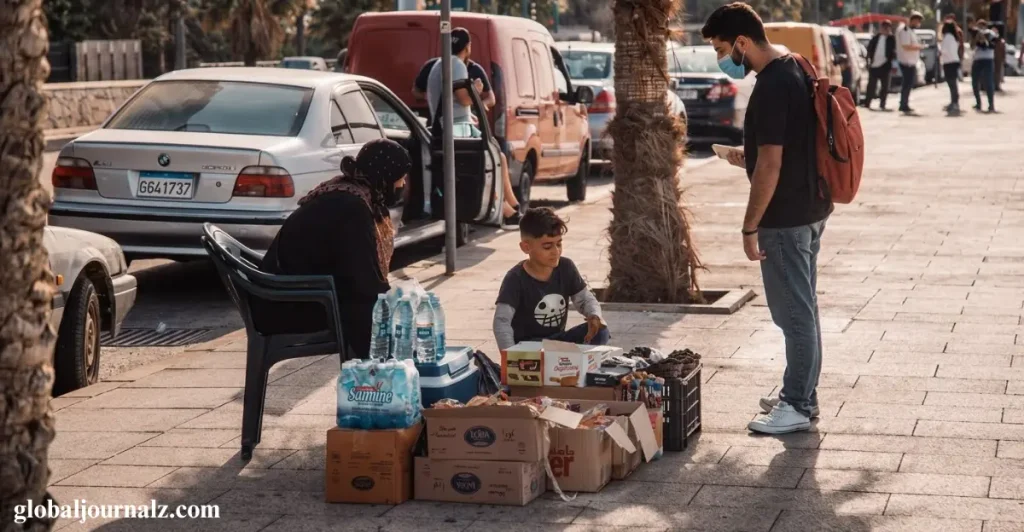
Lebanon’s cost-of-living crisis intensified during the economic turmoil that began in late 2019 and led to a severe economic collapse. The national economy suffered a sharp GDP decline as gross domestic product fell from $55 billion in 2018 to $20.5 billion in 2021. A deep banking crisis and financial restrictions limited access to money and personal savings. Economic instability raised household costs and strained budgets.
Furthermore, currency depreciation caused the Lebanese pound to lose around 95% of its value, while inflation at 161% reflected the severity of the crisis during the reported period. Rising prices for imported goods increased pressure on household budgets as fuel prices and medicine costs climbed. Falling wages weakened purchasing power and reduced consumer spending. The black market and fuel shortages further limited access to essential supplies.
Among vulnerable communities, 1.5 million Syrian refugees faced additional hardship alongside the Lebanese population. Three-quarters of the population experienced widespread hardship while 88% of refugees faced severe poverty, according to reported estimates. Limited financial assistance increased humanitarian needs and threatened access to necessities. An IRC grant helped Baraa start a new business in North Lebanon.
Cost-of-living crisis in Pakistan
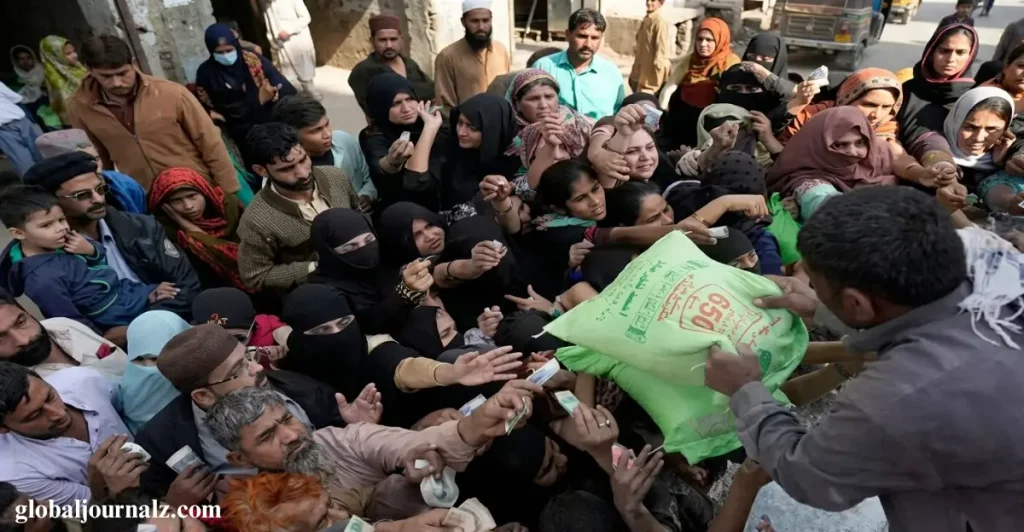
Pakistan’s cost-of-living crisis has worsened due to decades-high inflation and domestic currency depreciation. Low foreign reserves have increased economic instability while rising living costs put pressure on the national economy. Recent flooding in Pakistan caused around $10 billion in damages and left one-third of the country underwater. This climate-induced disaster damaged infrastructure and destroyed crops across farming regions.
The floods weakened the agricultural industry and reduced crop yields while disrupting food availability and increasing food insecurity. Damage to 3.6 million acres of crops and the deaths of 1.1 million livestock threatened rural livelihoods. Alongside the conflict in Ukraine and a reported wheat deficit, the crisis contributed to rising food prices and greater pressure on household budgets.
Moreover, displaced families in Mirpur Khas and other parts of Sindh faced urgent needs for food and shelter. Women and girls including pregnant women and lactating women, struggled with limited hygiene supplies and sanitation access. An IRC needs assessment highlighted the importance of humanitarian assistance and emergency relief. Continued international aid can support disaster relief and restore food security.
Cost-of-living crisis in Somalia
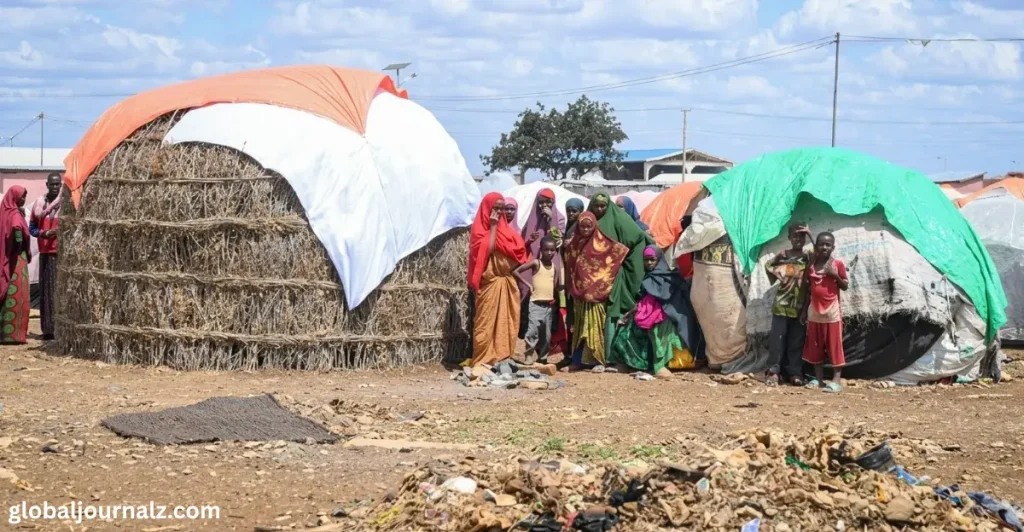
Somalia’s cost-of-living crisis has worsened due to economic shocks and the economic fallout from the Ukraine war. Disrupted Ukrainian grain exports and grain shipments through the Black Sea affected international trade and essential supplies. With 92% of grain imports from Ukraine reported during the crisis, food supply disruption increased pressure on necessities. Meanwhile, extreme drought and climate-induced disasters deepened the humanitarian crisis.
The Somali Shilling faced currency depreciation, which weakened purchasing power and made necessary goods increasingly expensive. A failed rain season and the fifth consecutive failed rain season damaged crop yields and caused agricultural losses. Herders struggled with livestock survival as animal deaths increased under tough conditions. Hawo Hashi Mohamud faced severe drought.
Consequently, rising food prices and 17.5% food inflation in the summer of 2022 worsened food insecurity among Somali people. Reports noted a 160% increase in famine conditions alongside child malnutrition among children under five. Drought-related displacement and disrupted supply chains increased household expenses and financial hardship. Humanitarian assistance and improved food distribution can support vulnerable communities.
What is the IRC doing to help?
The International Rescue Committee (IRC) provides humanitarian assistance and emergency relief to families facing rising expenses. Its cash assistance helps people afford necessities and manage household expenses. This direct assistance allows families to meet their individual needs and improve economic wellbeing during crises. It also helps protect family welfare when income is limited.
IRC also offers education and training programmes to build employment skills and support job training. These initiatives expand employment opportunities and encourage income generation. Through livelihood support and women’s economic empowerment, families can work toward financial independence and sustainable livelihoods. Such programmes can also strengthen financial resilience and self-reliance.
Alongside this, humanitarian programmes support crisis-affected families and vulnerable communities. A family needs assessment helps guide efficient aid delivery and provide essential support. Continued international aid and emergency funding can strengthen financial security and improve living conditions for families in need. This support can also help reduce poverty and promote long-term stability.
Conclusion
Addressing the global cost-of-living crisis requires a unified and sustained humanitarian approach to support vulnerable, crisis-affected communities. While immediate relief like financial aid and emergency resources can stabilize families in urgent need, long-term stability hinges on robust structural support. Comprehensive education and training programs are essential to equip individuals with the necessary employment skills to foster financial resilience and self-reliance. Women’s empowerment and local livelihoods help families achieve financial independence. Continued international aid and local development are vital to reducing poverty and ensuring lasting stability.
1. What makes life more expensive for families around the world?
Rising inflation and energy prices increase the cost of everyday essentials. Economic instability and supply chain disruptions have made food and fuel harder to afford. These rising expenses put pressure on family budgets.
2. How does the crisis affect people in developing countries?
Many families struggle to afford food and access healthcare. Low incomes and rising prices increase poverty and food insecurity. Economic hardship makes daily life more difficult for vulnerable communities.
3. What support is available for families facing financial hardship?
The International Rescue Committee (IRC) provides cash assistance and emergency relief to vulnerable families. Its programmes also include job training and livelihood support. These services help people meet basic needs and improve financial stability.