 By Muhammad Bilal
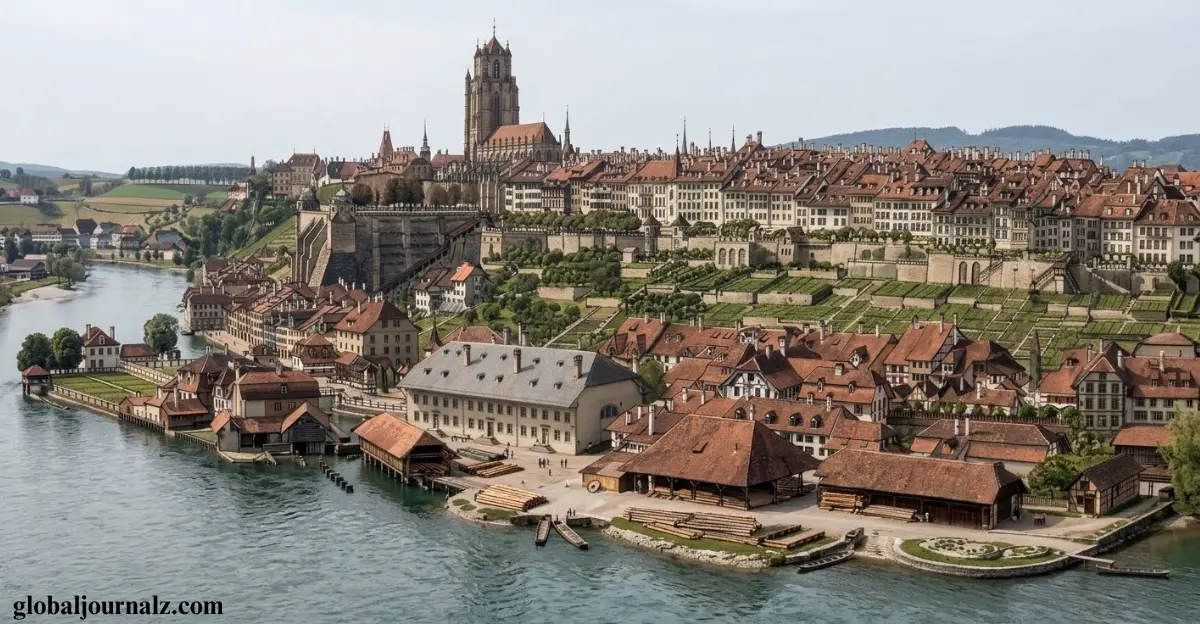
Rapid urbanization across Asia and Africa forces expanding metropolitan populations to face severe environmental hazards as global temperatures rise. This article examines how climate change threatens municipal infrastructure and human health through intense heat waves and prolonged humidity. Readers will learn why implementing green roofs alongside improved drainage systems helps build climate-resilient settlements.
Table of Contents
Protect Our Cities and Public Health From Climate Risks
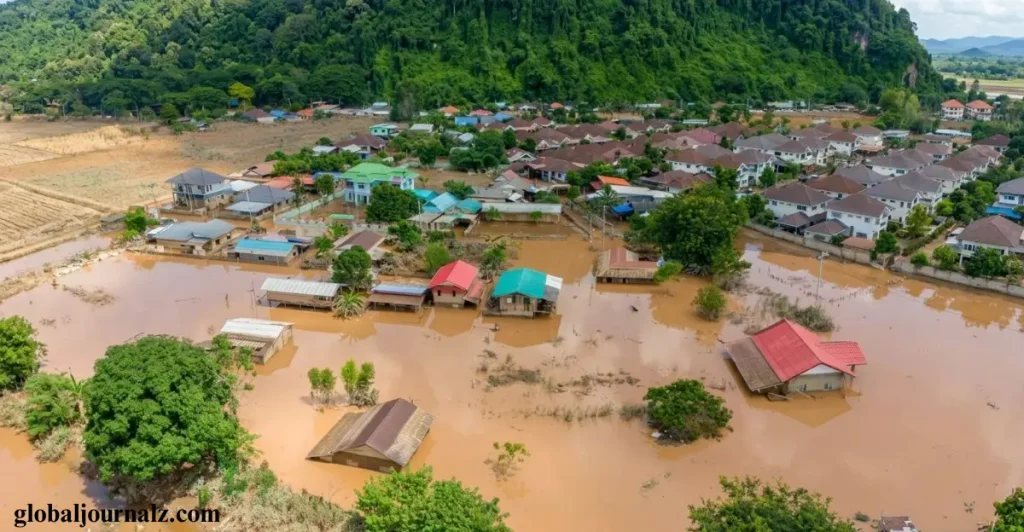
Join our global initiative today to invest in green infrastructure and protect vulnerable communities so we can build cooler and healthier cities for future generations.
How can we adapt and live in healthier and climate-resilient cities and settlements?
IPCC scientists explain how expanding urban populations face growing climate risks as urbanization transforms communities across Asia and Africa. By 2050, an additional 2.5 billion people may live in urban areas, with nearly 90% of population growth occurring in these regions. Effective city planning and climate adaptation require practical measures that protect residents while supporting development.
Reliable infrastructure and healthy housing protect people during environmental change. Green roofs and urban parks support biodiversity while reducing heat exposure. Renewable energy and sustainable transport reduce emissions and improve air quality. Better drainage systems and flood protection strengthen climate resilience while supporting safer urban living.
How does climate change affect the urban economy?
Climate change pressures the urban economy through extreme weather events that disrupt transport and essential services. Flooding can damage buildings and roads while affecting railways and airports. Higher temperatures accelerate road deterioration and increase maintenance needs. These economic consequences reduce household and business incomes while straining municipal budgets.
Regional conditions influence how rising temperatures affect household spending and city operations. Colder regions may save on heating during mild winters, while warmer areas face higher air-conditioning demand and cooling costs. Electricity outages and damaged water systems interrupt business and increase repair costs. Effective urban planning and climate adaptation support infrastructure resilience while reducing recovery expenses.
How does climate change affect the health of city dwellers?
Rising global average temperatures expose city dwellers to greater health risks through frequent heat waves and intense humidity. The World Health Organization warns that excessive heat threatens elderly people and young children as well as outdoor workers. Poor air quality increases asthma and allergy problems. Changing weather patterns may expand infectious diseases and lengthen transmission seasons.
Growing urbanization can intensify the heat island effect and worsen uncomfortable living conditions. Reliable heat wave forecasting and timely public warnings help communities prepare for dangerous temperatures. Strong emergency medical services and accessible cooling centres provide relief during extreme heat. Better climate adaptation and public awareness can protect mental health and strengthen services for vulnerable residents.
Why are cities called heat islands?
Cities are known as heat islands because dense buildings and paved streets create environmental hot spots that remain warmer than nearby rural areas during summer. During daylight hours building materials absorb solar energy and store heat within walls and roofs. After sunset these surfaces release warmth gradually which slows nighttime cooling and keeps the surface air several degrees hotter than the surrounding territory.
The urban heat island effect grows when vehicle exhaust and industrial emissions add heat-trapping pollutants to the atmosphere. Limited vegetation reduces natural cooling across the built environment. This temperature contrast intensifies summer discomfort and increases heat exposure for residents. Understanding urban climate helps planners improve green spaces and choose surfaces that absorb less energy while supporting healthier neighbourhoods.
Conclusion
Rising global temperatures present major challenges for municipal economies and public health frameworks across expanding urban environments. Dense building materials store immense solar energy during the day. This slows down vital nighttime cooling processes significantly. This phenomenon combines with vehicle exhaust emissions to worsen the intense heat island effect across modern metropolitan territories. Implementing green infrastructure like parks and sustainable transport networks can reduce harmful pollution while improving overall air quality. Strategic climate adaptation planning ultimately remains essential to build resilient communities and minimize long-term recovery costs.
How does rapid urbanization affect local temperatures in modern metropolitan areas?
Paved streets and dense concrete structures absorb solar radiation throughout the day and gradually release warmth back into the atmosphere after sunset. This trapped energy creates environmental hot spots that remain significantly warmer than surrounding rural territories during summer months.
Why do extreme weather events place heavy financial pressure on urban economies?
Flooding from intense rainfall damages crucial roadways and building structures while severely disrupting railways or local airport operations. These unexpected transit delays cause significant financial losses for individual businesses and require expensive infrastructure repairs from municipal budgets.
Which specific demographic groups face the greatest risks during severe heat waves?
The World Health Organization warns that excessive temperature spikes heavily threaten elderly individuals and young children who have difficulty regulating body heat. Outdoor workers also face severe exposure risks while performing daily job duties under dangerous conditions.
Can green infrastructure improvements help reduce harmful temperature contrasts in cities?
Expanding public parks and installing green roofs introduces natural vegetation that provides essential cooling across the entire built environment. These strategic choices encourage biodiversity while directly reducing household cooling expenses and lowering dangerous heat exposure.