 By Muhammad Bilal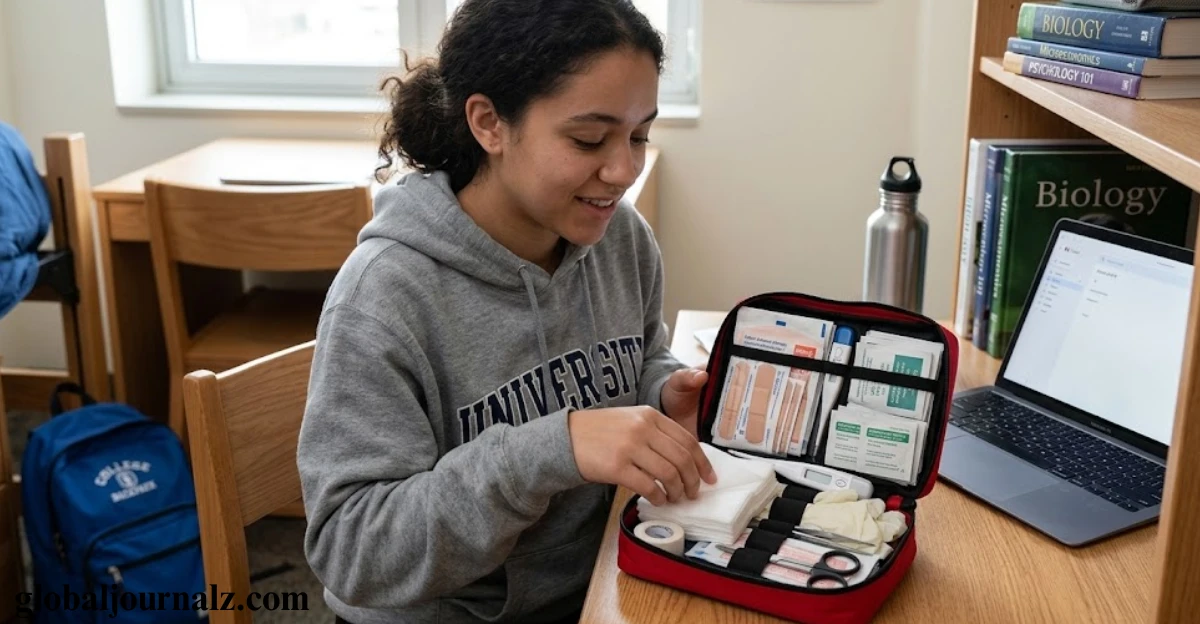
A first aid kit can become one of the most useful things a college student keeps in their room or backpack when minor health problems strike at the worst time. From small cuts and headaches to blisters and everyday aches, having basic supplies nearby can make dealing with these situations much easier. A practical college first aid kit should focus on essential items that are easy to store and useful for common student needs. Build a simple kit with these must-have essentials before your next campus emergency.
Key Facts
- A college first aid kit should cover common minor injuries and everyday health needs.
- Adhesive bandages are essential for small cuts, scrapes and blisters.
- Pain relievers can help students manage occasional headaches and minor aches.
- Antiseptic wipes or wound-cleaning supplies are useful for keeping minor injuries clean.
- A basic first aid kit should be compact, easy to access and regularly restocked.
Table of Contents
Your ticket through triage
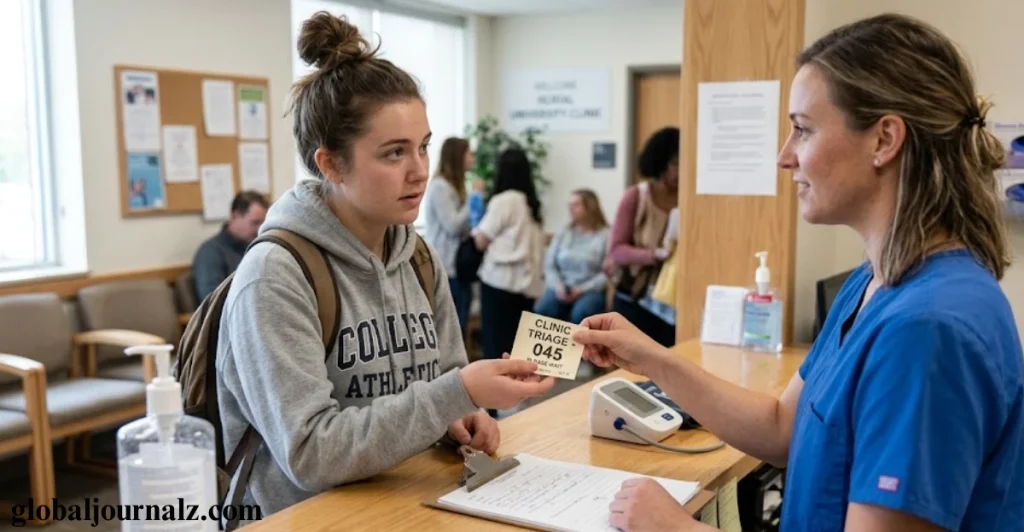
Start with an accurate digital thermometer so you can give a triage nurse a precise reading when the campus health center is busy. Sharing a temp of 102.7 degrees gives the healthcare team a clearer picture than simply saying you felt feverish. This simple reading can help them understand the severity of your symptoms and determine how urgently you should be seen.
A pulse oximeter is also worth keeping in your kit if you develop a cough or shortness of breath because it can show your blood oxygen levels. Having these specific data points ready gives the healthcare team useful information instead of relying only on general descriptions of how you feel.
Supersize your pain/fever medication
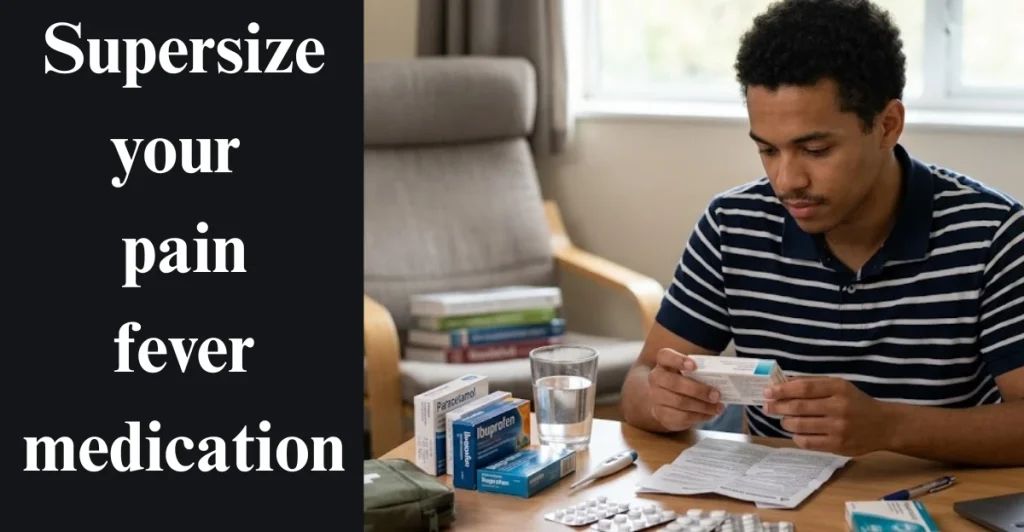
Pain relievers are useful in a college first aid kit, especially ibuprofen such as Advil or Motrin for pain, fevers, swelling and menstrual cramps. Acetaminophen such as Tylenol can help with headaches, sore throats and fever while being easier on the stomach. Aspirin products such as Bayer or Excedrin should be used carefully.
Keep a full-size bottle of ibuprofen with a smaller acetaminophen supply for common needs. Hangover headaches and symptoms from a stomach virus may also require rehydration rather than medication alone. Single-serving electrolyte powder packets can provide a convenient option when extra fluids and electrolytes are needed.
How do you spell relief?

College life can bring caffeine, stress, chocolate, pizza, alcohol and nicotine, which may contribute to occasional heartburn. A simple antacid such as TUMS or a generic alternative can provide quick relief and is easy to keep in a first aid kit. The chewy bites or gummies can also be more convenient than traditional tablets.
If heartburn becomes frequent enough to require long-acting acid-blocking pills, it is worth speaking with a doctor to find the underlying cause. For occasional symptoms, a basic antacid may be enough, while persistent discomfort needs proper medical attention rather than repeated self-treatment.
Seconds matter: Include naloxone

Drug overdose and accidental poisoning are serious concerns for college students because counterfeit study pills may contain fentanyl while appearing similar to Adderall or Xanax. Pills such as OxyContin or Percocet can also be involved in accidental exposure. Since fentanyl can cause breathing to stop within minutes, keeping naloxone spray such as Narcan OTC nearby can provide an important emergency response.
A naloxone spray should be available where it can be reached quickly during an emergency. The spray contains one dose so it should never be tested before use. If an unconscious roommate may be experiencing an overdose, administer naloxone as directed, then call 911 and stay with the person until help arrives.
Cold symptoms? Skip the combo pills

Using separate medicines for individual cold symptoms can help prevent accidentally doubling up on ingredients and reduce the risk of unwanted drug interactions. Many combination cold products contain acetaminophen for pain and fever along with phenylephrine as a decongestant and dextromethorphan as a cough suppressant.
Phenylephrine is no longer considered effective as an oral decongestant by the FDA, although it remains in some combination products. Pseudoephedrine found in original Sudafed is kept behind the counter without requiring a prescription and may be a better option for congestion.
Itchy bites or seasonal allergies?
Nothing disrupts sleep or studying quite like itchy bug bites or the sneezing and runny nose caused by seasonal allergies. Instead of diphenhydramine (Benadryl), a nonsedating antihistamine such as fexofenadine (Allegra), loratadine (Claritin) or cetirizine (Zyrtec) can provide allergy relief with less drowsiness.
These second-generation antihistamines offer similar effectiveness with fewer unwanted side effects and lower potential for misuse. A hydrocortisone cream can add relief for itchy bites, while over-the-counter nasal steroid sprays are useful for seasonal allergies even though they do not provide immediate relief.
Nasal decongestant superpower: Stopping nosebleeds
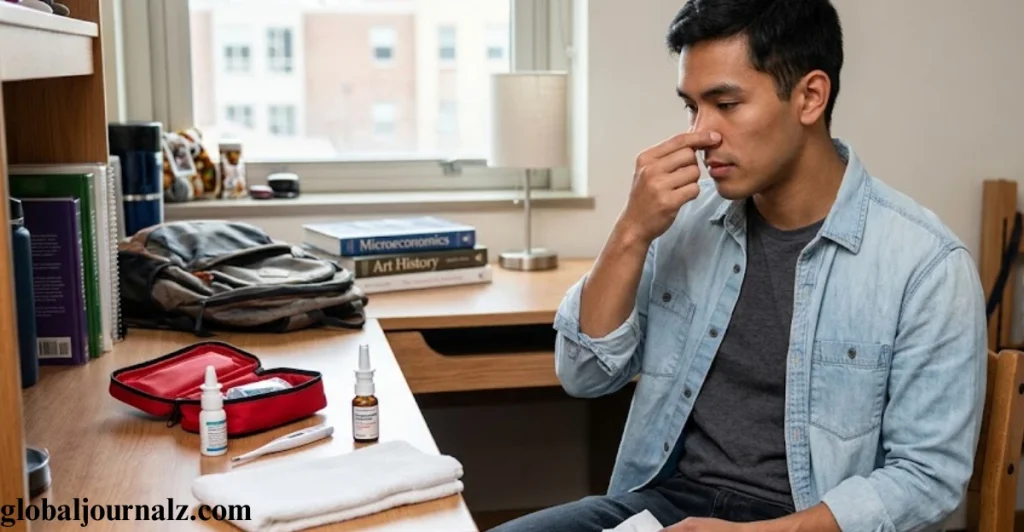
A nasal decongestant spray can be a useful addition to a college first aid kit when a sudden nosebleed occurs. Although these sprays can cause physical dependence and rebound congestion when used for more than three days, oxymetazoline hydrochloride spray such as Afrin is commonly used as an initial treatment for an uncomplicated nosebleed.
If bleeding continues after firmly pinching the lower soft part of your nose for 10 minutes, spraying Afrin into the bleeding nostril and maintaining pressure for another 10 minutes may help stop it. This approach is intended for uncomplicated nosebleeds in otherwise healthy young adults, while nosebleeds following trauma require medical evaluation.
Skip the triple antibiotic ointment
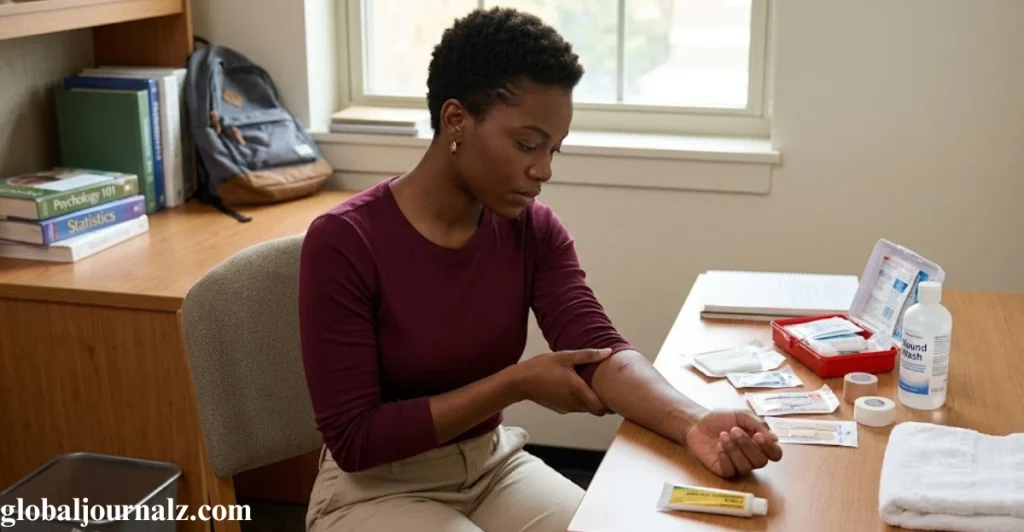
Doctors often prefer petroleum jelly over triple antibiotic ointment for routine scrapes and cuts because it can protect cleaned wounds without contributing to antibiotic resistance. Around 3% to 6% of people may also develop a skin allergy to neomycin, a common ingredient in antibiotic ointments, making Vaseline a practical first aid option.
For a college first aid kit, pack a tube of petroleum jelly and use it after flushing scrapes and cuts thoroughly with copious amounts of clean water. Once the area is clean, apply the jelly and cover the wound to keep it protected while it heals.
Your eyes will thank you
College students can accidentally sleep in their contacts after late-night studying or partying, which may leave a dried-out lens stuck to the eye. Trying to pull it off forcefully can cause a painful corneal abrasion, so keeping sterile saline eye drops in a first aid kit can help loosen the lens safely.
Flood the stuck lens with the solution, then use a gentle “butterfly blink” by blinking softly and quickly several times. If the contact does not come out easily or you develop pain or a change in vision, stop trying and seek immediate medical help rather than risking further injury.
Remember the C in RICE
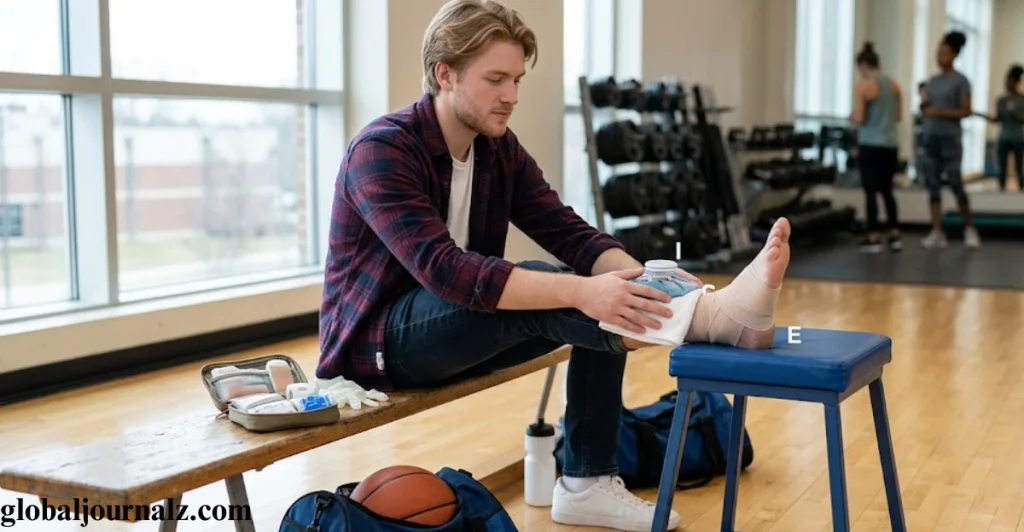
For sprains and strains, remember Rest, Ice, Compression and Elevation as the basic RICE approach. Anti-inflammatory medications such as ibuprofen may also help when appropriate and not contraindicated. A compression wrap, also called an ACE wrap, is often missing from college first aid kits.
When using an ACE wrap, begin below the injury and work upward while overlapping each layer. Keep the pressure firm enough to provide support but never so tight that fingers or toes become numb or painful. Checking circulation regularly can help prevent the wrap from causing additional discomfort.
Sexually active? Plan ahead

Not every college student is sexually active, but having essential supplies available can make an unexpected situation easier to handle. Consider keeping condoms in your first aid kit along with emergency contraception such as Plan B so they are available when needed.
Planning ahead is especially useful when a friend or roommate needs these supplies and cannot easily get them right away. Keeping them in a private and accessible part of your kit can provide a practical option without having to search for them at the last minute.
Conclusion
A well-prepared college first aid kit can make everyday health problems much easier to handle. From bandages, pain relievers and antiseptic supplies to allergy and wound-care essentials, each item has a practical purpose. Keeping tools like a digital thermometer, pulse oximeter and ACE wrap nearby can also help when quick action matters. Students should choose supplies based on common needs and keep everything organized in an easy-to-reach place. It is also important to check expiration dates and replace items as they are used. Adding essentials such as naloxone, condoms and emergency contraception can provide extra support when unexpected situations arise. With a simple, regularly stocked kit, students can stay better prepared for minor injuries and common health needs on campus.
1. What should every college student have in a first aid kit?
A basic college first aid kit should include adhesive bandages, pain relievers, antiseptic supplies, a digital thermometer, an ACE wrap, allergy medication and wound-care essentials. Items should be easy to access and regularly restocked.
2. Is naloxone important for a college first aid kit?
Yes, naloxone can be an important emergency item because accidental drug overdoses can happen on or around college campuses. Keeping Narcan accessible can allow someone to respond quickly while emergency medical help is on the way.
3. What medicine is useful for common college health problems?
Common options include ibuprofen, acetaminophen, antihistamines and antacids for occasional headaches, aches, allergies and heartburn. Students should follow the product directions and avoid medicines that are not appropriate for them.
4. How often should a college first aid kit be checked?
Check the kit regularly to replace used supplies and remove expired medicines or products. Keeping the first aid kit organized and fully stocked ensures important items are available when a minor injury or unexpected health problem occurs.
 admin
admin