 By Muhammad Bilal
Michael Owen’s admission that he does not tell his children he loves them has sparked a wider conversation about how parents express affection and what children need emotionally. The former England striker has spoken openly about his reserved approach to family life, raising questions about whether verbal expressions of love are essential or if care can be communicated in other ways. Explore why saying “I love you” can matter and how different forms of parental support may affect children.
Key facts
- Michael Owen has admitted that he does not often tell his four children that he loves them, choosing to show his feelings through his actions.
- The former England striker has described his parenting approach as “tough love,” with less focus on verbal praise.
- Owen’s comments have sparked discussion about how openly parents should express love, affection and emotional support.
- His reserved approach reflects the parenting style he experienced growing up and the influence of his own father.
- The debate highlights how children can experience parental love through words, time, encouragement, care and everyday actions.
Table of Contents
Actions, words, or both?

Words can help children understand that they are loved, but daily actions often make that feeling much stronger. Being present, listening carefully and offering support can help a child feel safe, valued and emotionally secure. These small moments can show children that their parents genuinely care about their feelings and needs.
- Words can help children clearly understand that they are loved, cared for and accepted. Hearing affection from parents can make children feel more secure in their relationship with them.
- Actions can communicate love through everyday support such as listening, being present and helping when children need guidance or comfort.
- Words and actions are most effective when they support each other. Loving words become more meaningful when children also experience consistent care and attention.
- Feeling safe, valued and emotionally secure can help children develop confidence and trust. Regular affection can also make it easier for them to express their feelings.
- Being present during important moments can give loving words greater meaning. Children are more likely to feel genuinely supported when a parent’s behaviour matches what they say.
Experts suggest that words and actions should work together rather than compete with each other. Words communicate the message while actions provide the evidence that makes affection feel genuine and consistently communicated. When children regularly hear loving words and experience supportive behaviour, they are more likely to develop a strong sense of trust.
For many children, love feels strongest when what parents say matches what they do. Saying “I love you” is important, but showing up for school events, listening during difficult moments and celebrating their achievements gives those words greater meaning. This combination can help children feel supported and cared for even as they grow older.
Gender, generations and culture

Parenting styles can be shaped by culture, gender, family background and different generations. Some fathers grow up believing that their main responsibility is to provide for their children rather than openly express emotions. This can make saying “I love you” feel uncomfortable even when their care is genuine.
Experts suggest that fathers can offer much more than financial support. Their emotional capacity, willingness to have conversations and simple presence can help children feel supported and understood. Ideas about what men should or should not do can also influence how openly they show affection at home.
A parent’s approach to affection often comes from their own childhood and family experiences. Someone who was rarely told they were loved may find it harder to express those feelings with their own children. Over time, changing these patterns can help create a more open and emotionally supportive family environment.
What happens when parents rarely say “I love you”?

When parents rarely say “I love you”, children may sometimes develop low self-worth and wonder whether they are truly lovable or need to earn love through achievement. As they grow older, this can also contribute to trust and intimacy issues because emotional vulnerability may feel unfamiliar.
However, a lack of verbal affection does not always mean a lack of love. Many parents express comfort in actions by preparing favorite meals, creating stability or helping with everyday needs. Children may understand these forms of care differently as they mature and recognize that their parents were showing love through practical support rather than spoken words.
Even small expressions of affection can make emotional connection feel more natural and help children understand that they are valued without having to earn that love. Consistent reassurance can also create a home environment where children feel comfortable sharing their emotions and seeking support when they need it.
Do children need verbal reassurance?
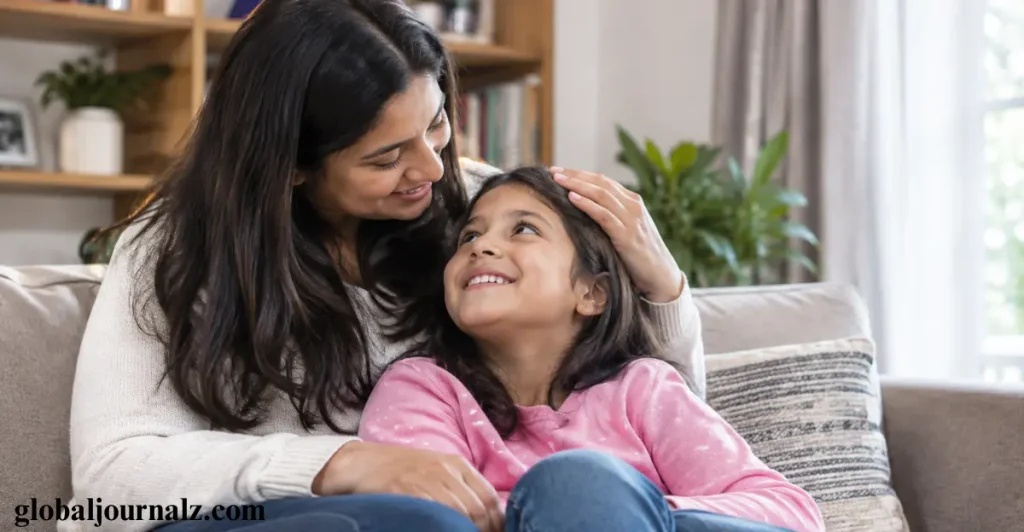
Children benefit from hearing verbal reassurance because clear words can help them understand that they are loved, accepted and supported. Simple phrases such as “I love you” can strengthen their emotional security and remind them that their worth does not depend on good behaviour or achievement.
- Verbal reassurance helps children understand that they are loved, accepted and supported by their parents.
- Simple words of affection can strengthen a child’s emotional security and make them feel safe when facing difficult situations.
- Regular reassurance can encourage children to share their feelings and ask for help without fearing rejection or judgment.
- Combining loving words with caring actions makes affection clearer and helps children trust that the message is genuine.
- Consistent reassurance can help children feel valued without believing that love depends on their behaviour, success or achievements.
Regular reassurance can also make it easier for children to express their feelings and ask for help when they are struggling. When parents combine warm words with caring actions, children receive both the message of love and the confidence that those words are genuine.
The amount of reassurance each child needs can differ depending on their age, personality and family environment. What matters most is creating a home where affection feels natural and children know they can receive support without having to earn it.
Conclusion
Michael Owen’s comments show that parents can express love in different ways. Saying “I love you” can give children clear emotional reassurance and help them feel valued. At the same time, caring actions such as listening, supporting and being present can communicate love just as meaningfully. Parenting styles are often influenced by culture, family experiences and previous generations. What matters most is that children consistently feel cared for, supported and emotionally secure. Combining affectionate words with genuine actions can make that message even stronger. There is no single way to show love, but children benefit when they can clearly recognize it in both words and behaviour.
1. Is it important for parents to say “I love you” to their children?
Yes. Saying “I love you” can provide emotional reassurance and help children feel valued and secure. However, loving actions and consistent support are also important ways to communicate affection.
2. Can children feel loved if their parents rarely say “I love you”?
Yes. Children can recognize love through actions, such as spending time together, providing support, and being present during important moments. The way love is expressed can vary between families.
3. What can happen when parents do not show affection openly?
Some children may struggle with self-worth, emotional expression or trust as they grow older. However, the impact depends on the child’s experiences and whether love is communicated through other caring behaviours.
4. Why do some fathers find it difficult to say “I love you”?
Family background, culture, gender expectations and previous generations can influence how fathers express emotions. Some men may have grown up in homes where love was shown through responsibility and actions rather than words.
5. Should parents use both words and actions to show love?
Using both can make affection easier for children to understand. Verbal reassurance communicates love clearly, while caring actions show that the message is genuine and supported by everyday behaviour.
 admin
admin