 By Muhammad Bilal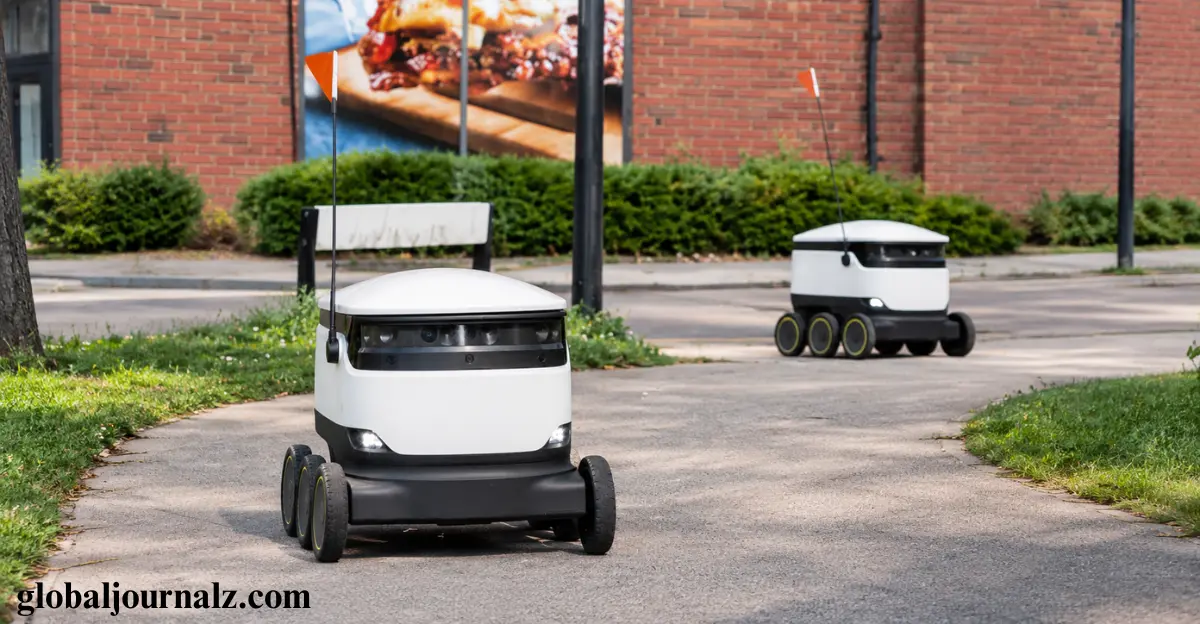
Delivery robots are changing last-mile delivery by making deliveries faster and more efficient, but their growing presence on sidewalks has also raised concerns about pedestrian safety, accessibility and shared public spaces. As cities embrace automation, residents and officials continue to debate whether the convenience of robotic deliveries outweighs their impact on everyday life. Keep reading to discover why delivery robots are facing growing backlash and what it means for the future of urban transportation.
Key Facts
- Delivery robots are designed to improve last-mile delivery by transporting food, groceries, and small packages with minimal human involvement.
- Their increasing use on sidewalks has raised concerns about pedestrian safety, accessibility, and congestion in busy public areas.
- People with disabilities, older adults, and parents with strollers have reported that delivery robots can sometimes block or narrow walking paths.
- Many cities are reviewing or updating regulations to balance automation with public safety and the fair use of shared spaces.
- The debate over delivery robots highlights the challenge of combining technological innovation with the everyday needs of local communities.
Table of Contents
Why Are Delivery Robots Causing Backlash?
Delivery robots are becoming a problem for some people because they take up space on busy sidewalks. Pedestrians may have to move around them or step aside when the path gets crowded. This has raised concerns about safety and how easily people can share public spaces with robots.
People are also unhappy because there are not always clear rules for how these machines should operate. Some residents worry about robots stopping in the wrong place or getting in the way of pedestrians. These concerns have pushed some cities to consider tighter regulation and better safety measures.
There is also concern about the effect on delivery workers as more companies use delivery robots. Supporters say they can make deliveries faster and reduce traffic. Critics worry that growing use of robots could reduce jobs while making sidewalks less comfortable for people.
What Problems Are People Facing With Delivery Robots?
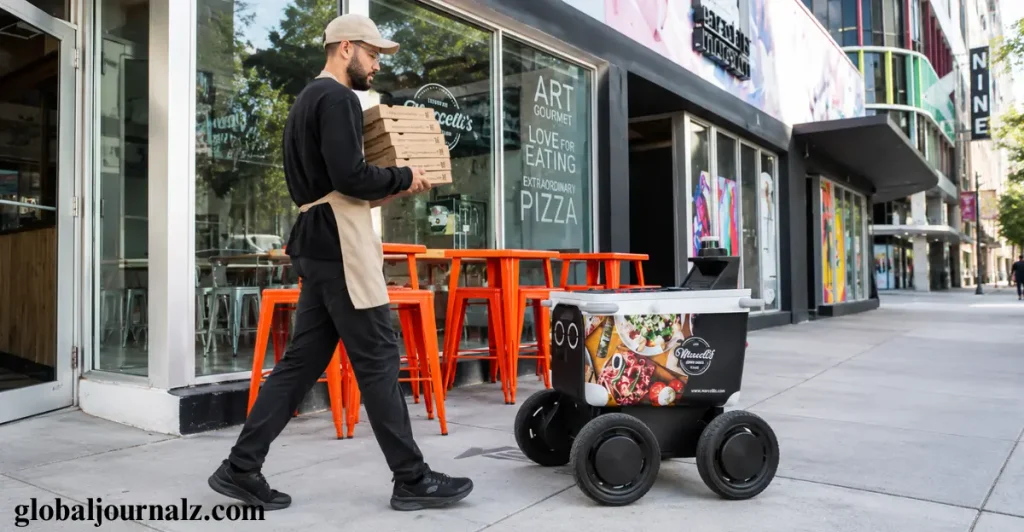
Delivery robots can make food deliveries easier, but they are also creating problems for people using busy sidewalks. Some pedestrians find themselves moving aside when robots approach and others worry about safety when the machines stop or move unexpectedly. This can be especially difficult on narrow paths where there is little room to pass comfortably.
Another concern is how these machines deal with everyday situations on the street. A robot may face people, animals, vehicles, or other obstacles and this can sometimes cause delays or block the path. Problems with navigation, accessibility, and unclear rules have made some residents question whether delivery robots are ready for crowded public spaces.
Automation could reduce the need for some delivery workers while businesses may become more dependent on technology. People therefore want companies and local authorities to make sure these machines improve delivery services without creating new problems for workers or pedestrians.
Are Delivery Robots Really the Future of Deliveries?
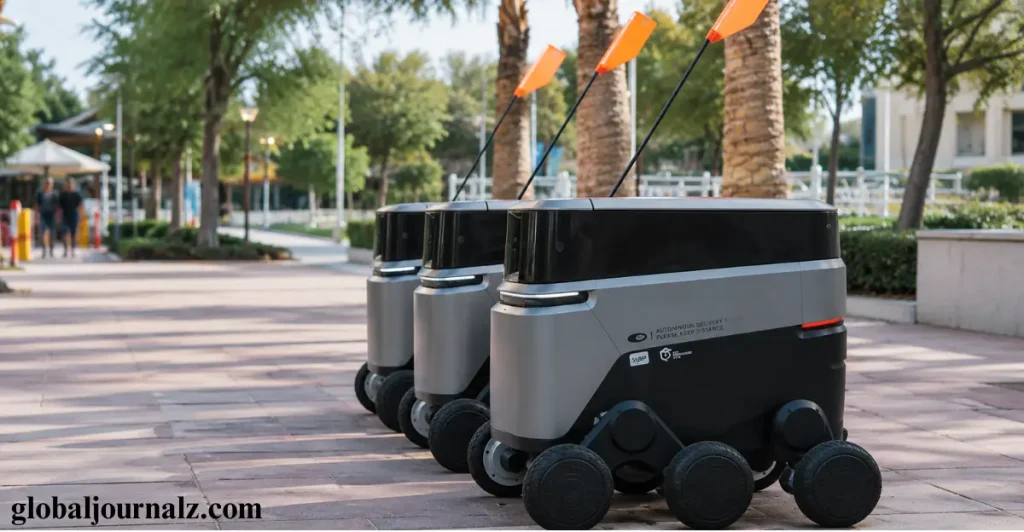
Delivery robots have strong potential to become an important part of last-mile delivery as businesses look for faster and more affordable ways to serve customers. Their ability to work for long periods without fatigue can help restaurants and retailers manage local orders more efficiently.
- Delivery robots improve last-mile delivery by making local food, grocery, and package deliveries faster and more efficient.
- They help reduce operating costs because they can complete short-distance deliveries with minimal human involvement.
- Robots work best for short routes in neighborhoods, campuses, and other controlled environments where navigation is easier.
- Challenges such as public safety, regulations and sidewalk accessibility must be addressed before widespread adoption.
- The future will likely combine delivery robots and human couriers, creating a balanced and flexible delivery system rather than replacing people completely.
Still, the future is unlikely to depend on robots alone. Autonomous delivery works best for short routes and controlled areas, while busy sidewalks, regulations and public acceptance remain important challenges.
The technology is already moving beyond small trials, with major growth expected in the coming years. As navigation improves and operating costs fall, delivery robots could become a normal option alongside human couriers and other automated delivery methods.
Coclusion
Delivery robots are reshaping last-mile delivery by offering faster and more efficient services, but their growing presence has also sparked concerns about safety, accessibility, and the use of public spaces. While the technology brings clear benefits for businesses and consumers, it must work alongside the needs of pedestrians and local communities. Better regulations, smarter navigation systems, and responsible deployment will be essential as adoption increases. The future of delivery robots depends not only on innovation but also on public trust and practical solutions. With the right balance, robots can support urban deliveries without disrupting everyday life. As cities continue to evolve, finding that balance will determine whether delivery robots become a lasting part of modern transportation.
Are delivery robots safe for pedestrians?
Delivery robots are generally built with sensors and cameras to avoid obstacles and travel safely. However, they can still create challenges on crowded sidewalks or narrow paths. Clear regulations and better navigation systems can help improve pedestrian safety.
Do delivery robots replace human delivery workers?
Delivery robots can handle some short-distance deliveries, but they are not expected to replace all human couriers. Many deliveries still require people for complex routes and customer interactions. In most cases, robots are used to support existing delivery services.
Will delivery robots become more common in the future?
Yes, many experts believe delivery robots will become more common as technology continues to improve. Businesses are investing in autonomous delivery to reduce costs and increase efficiency. Their long-term success will depend on public acceptance, safety, and effective regulations.