 By Muhammad Bilal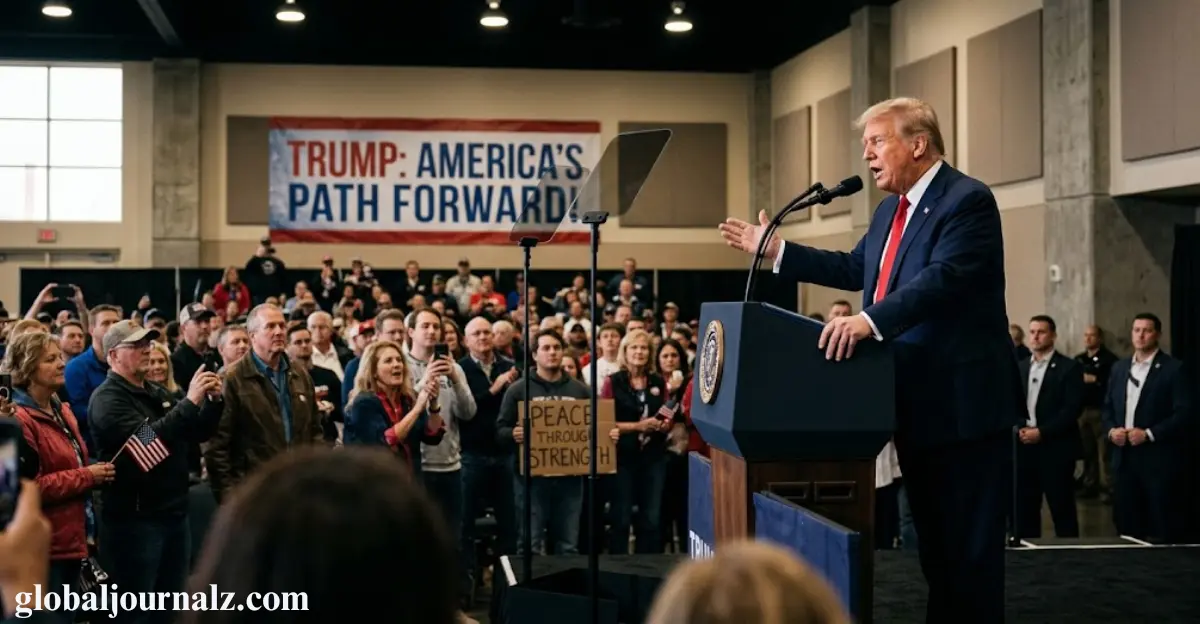
Six months into the Iran war, Donald Trump faces a far more complicated record than the quick victory he initially promised. U.S. and Israeli strikes have heavily damaged Iran’s nuclear and military capabilities and weakened its missile arsenal, but Tehran’s leadership has survived and key war objectives remain unresolved. The conflict has also become a costly standoff involving sanctions, military pressure and the strategic Strait of Hormuz. Explore Trump’s Iran strategy, its biggest gains and the challenges still standing in his way.
Table of Contents
Trump’s Biggest Achievements in the Iran War So Far
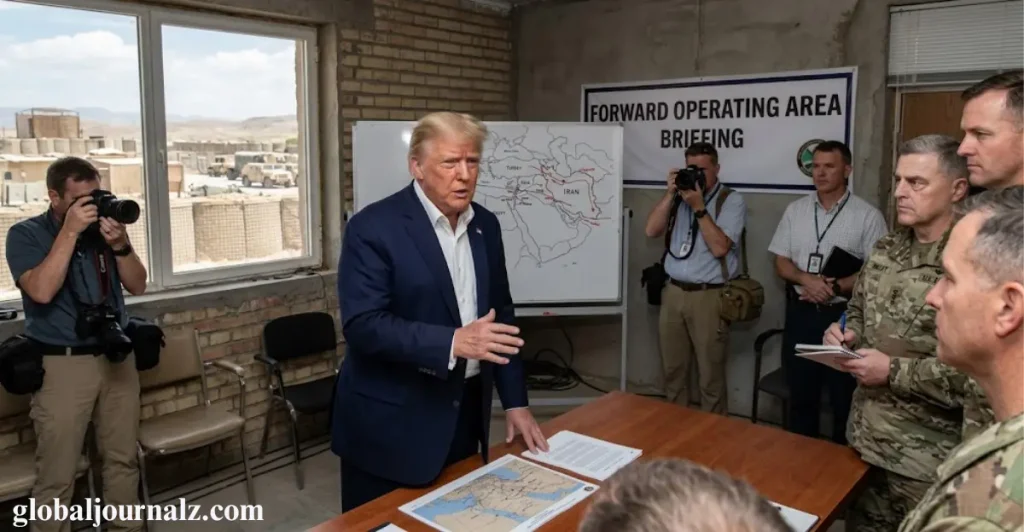
Since the conflict began, Donald Trump’s Iran war policy has focused heavily on weakening Tehran’s nuclear capabilities and missile supplies. U.S. and Israeli strikes have caused extensive damage to key military and nuclear sites, limiting Iran’s ability to rebuild some of its strategic capabilities. Still, Tehran retains enough capacity to retaliate and keep pressure on its opponents.
Beyond Iran’s military infrastructure, the campaign has sought to weaken its terrorist proxies and reduce its regional influence. Control of the Strait of Hormuz has also become a crucial issue, as disruptions there can threaten energy markets and international shipping. Meanwhile, Washington has increased economic sanctions to add further pressure on the Iranian regime.
Military damage alone, however, has not delivered a decisive political outcome. Iran’s leadership has survived, resistance has continued, and the possibility of another escalation remains high. Trump therefore faces the harder challenge of converting battlefield gains into a sustainable agreement and long-term regional security.
The Real Impact of Trump’s Iran War Policy on the Middle East
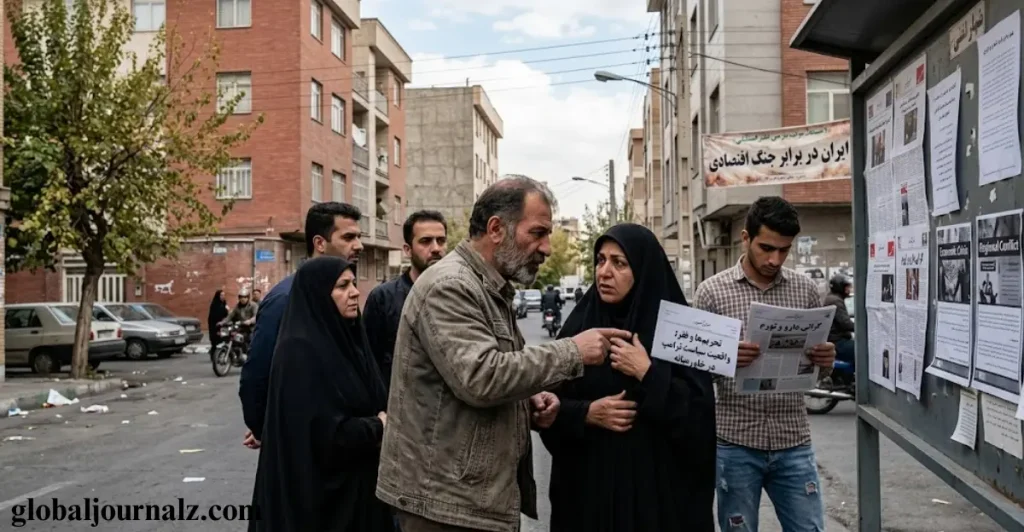
Across the Middle East, Trump’s Iran war policy has created a much more uncertain security landscape. Tehran has continued to respond to attacks while maintaining pressure on regional targets and important shipping routes. Gulf nations now face greater concerns over their security, energy infrastructure and exposure to a wider conflict.
At the political level, Washington and Israel may not share the same vision for regime change in Tehran. Both sides want to contain Iran’s nuclear capabilities, yet their preferred endgame could differ significantly. That tension could become more important if military operations eventually shift toward negotiations.
For the wider region, the economic and security consequences may prove lasting. Prolonged fighting could disrupt trade, push energy prices higher, and encourage additional groups to join the confrontation. The ultimate test for Trump will be whether his strategy can contain these consequences instead of allowing the Iran conflict to develop into a much broader Middle East war.
How Trump’s Iran Strategy Has Reshaped US Foreign Policy
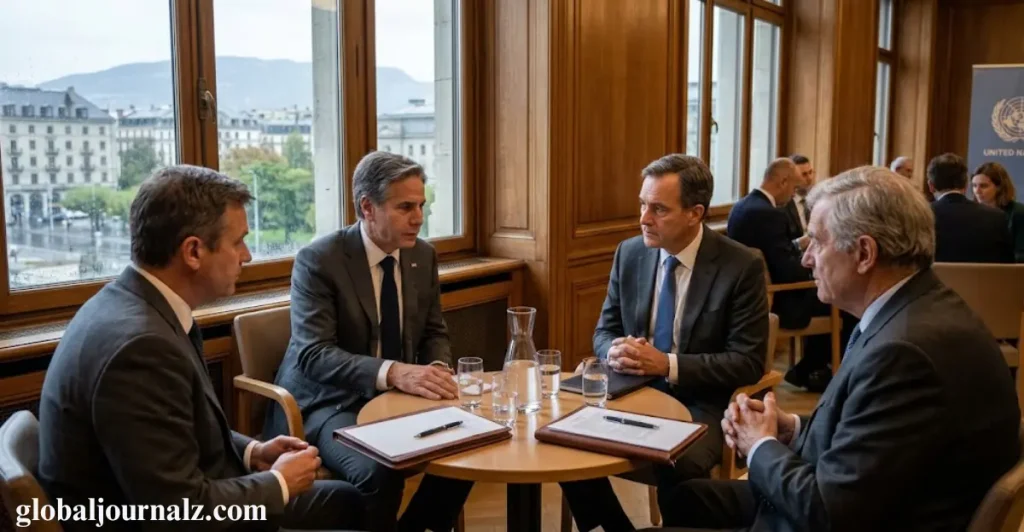
Trump’s Iran strategy has shifted U.S. foreign policy toward a combination of military pressure, economic sanctions, and limited diplomacy. The February 2026 attacks demonstrated Washington’s willingness to directly target Iran’s nuclear program and military infrastructure. The later ceasefire efforts, however, showed that military action alone could not settle the conflict.
The administration has also brought maximum-pressure sanctions back to the center of its approach toward Tehran. Economic restrictions are being used alongside military threats to weaken Iran’s financial position and limit its ability to maintain regional influence. At the same time, disputes over the Strait of Hormuz, sanctions relief, and nuclear activities continue to complicate U.S. policy.
This strategy represents a broader change in how Washington approaches major security challenges. Instead of depending mainly on prolonged negotiations, Trump is combining economic isolation with the threat of renewed military action. That approach gives the United States additional leverage, but it also increases the difficulty of reaching a stable and lasting agreement with Iran.
Iran War Outcomes and Trump’s Biggest Challenges
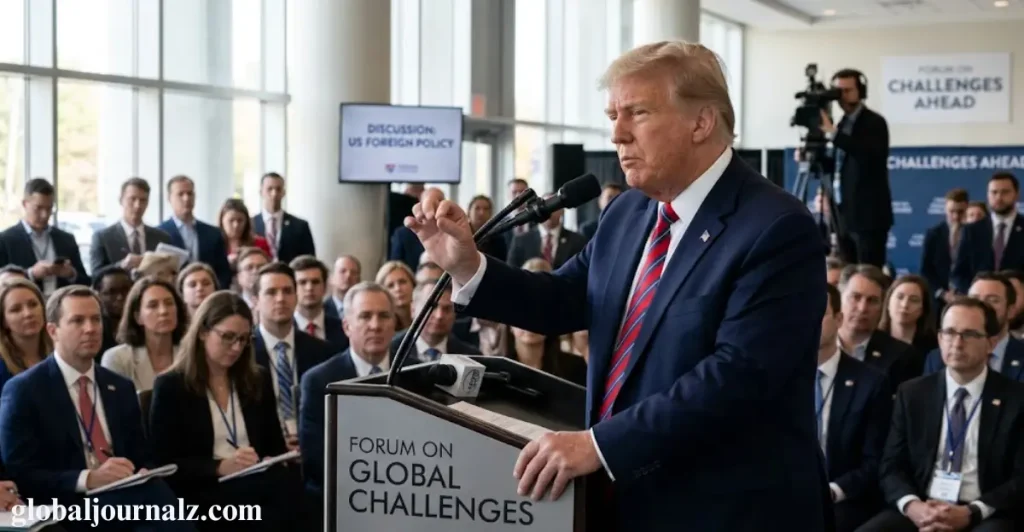
The Iran war has produced major damage to the country’s military and nuclear infrastructure, but it has not delivered the decisive outcome Trump originally sought. Iran has remained capable of retaliation, while tensions around the Strait of Hormuz continue to create wider regional and economic risks.
Iran War Outcomes and Trump’s Biggest Challenges
- Iran’s Nuclear Program Remains a Major Concern: Military strikes damaged key facilities, but completely eliminating Iran’s nuclear capabilities remains difficult.
- The Strait of Hormuz Creates Global Risks: Any prolonged disruption could affect oil supplies, shipping routes and energy prices worldwide.
- A Durable Ceasefire Remains Uncertain: The Pakistan-mediated ceasefire and June MOU reduced fighting, but alleged violations continue to threaten stability.
- Maximum-Pressure Sanctions Face a Tough Test: Trump’s renewed economic pressure aims to weaken Tehran, but Iran may respond by expanding regional resistance.
- Avoiding a Wider Middle East War: Trump must balance military pressure with diplomacy to prevent the conflict from spreading to more countries and armed groups.
One of Trump’s biggest challenges is turning battlefield pressure into a durable political settlement. The Pakistan-mediated ceasefire and June MOU reduced large-scale fighting, but disagreements over Iran’s nuclear program, sanctions relief and alleged ceasefire violations remain unresolved.
Washington must now balance deterrence with diplomacy while avoiding a wider regional escalation. Operation Economic Outcast adds another layer of pressure by targeting Iran’s revenue streams and countries that continue working with Tehran. How effectively Trump manages these economic military and diplomatic pressures will shape the next stage of the Iran conflict
Conclusion
Six months into the Iran war, Trump’s record shows major military gains but no clear final victory. U.S. and Israeli strikes have seriously damaged Iran’s nuclear and military infrastructure, yet Tehran remains capable of resistance and retaliation. The Strait of Hormuz, sanctions and Iran’s nuclear ambitions continue to create major challenges for Washington. Trump must now decide whether continued military pressure or renewed diplomacy can produce better results. A wider regional conflict could make the situation even more difficult for the United States and its allies. The economic impact of prolonged fighting could also increase pressure on countries far beyond the Middle East. For now, Trump’s biggest challenge is turning military achievements into a stable and lasting outcome.
1. What has Trump accomplished in the Iran war so far?
Trump’s biggest gains include major damage to Iran’s nuclear program, missile capabilities, and military infrastructure. However, Iran’s leadership and ability to retaliate remain significant challenges.
2. Did Trump destroy Iran’s nuclear program?
U.S. and Israeli strikes have severely damaged important Iranian nuclear facilities, but the program has not been completely eliminated. Concerns remain over Iran’s nuclear materials, facilities, and future ambitions.
3. Why is the Strait of Hormuz important in the Iran war?
The Strait of Hormuz is a crucial global energy route, so disruption can affect oil supplies, shipping, and energy prices. Its security has therefore become one of the biggest concerns of the conflict.
4. What are Trump’s biggest challenges after six months?
Trump still faces unresolved issues involving Iran’s nuclear ambitions, sanctions, regional resistance, and a lasting ceasefire. Preventing the conflict from developing into a wider Middle East war is another major challenge.
5. Will Trump continue using maximum-pressure sanctions on Iran?
The administration has renewed maximum-pressure sanctions to restrict Tehran’s revenue and economic connections. The strategy is intended to increase pressure on Iran while giving Washington greater leverage in future negotiations.
 admin
admin