 By Muhammad Bilal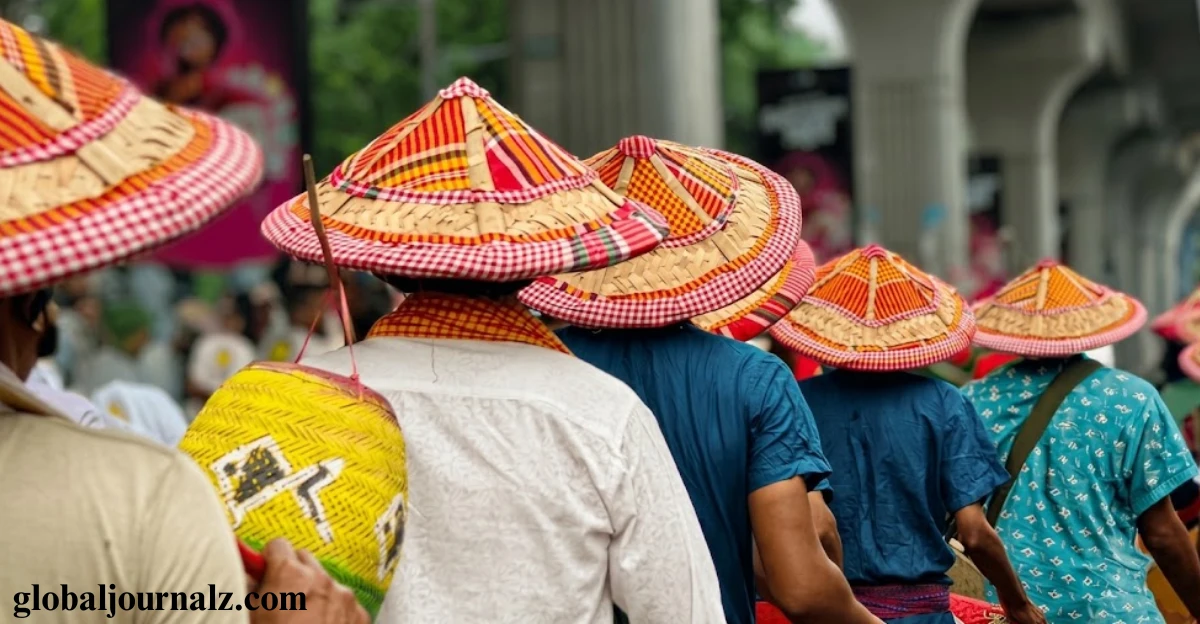
Culture influences everyday life in ways that often go unnoticed, from how people communicate and build relationships to how they approach responsibility at work. Values, beliefs, traditions, language and social norms shape attitudes toward leadership, teamwork time, decision-making and professional relationships. The same workplace can feel very different to people from different cultural backgrounds because expectations and communication styles are not always the same. Explore how culture shapes the way we live, work, connect and understand the world around us.
Table of Contents
Cultural factors that shape society
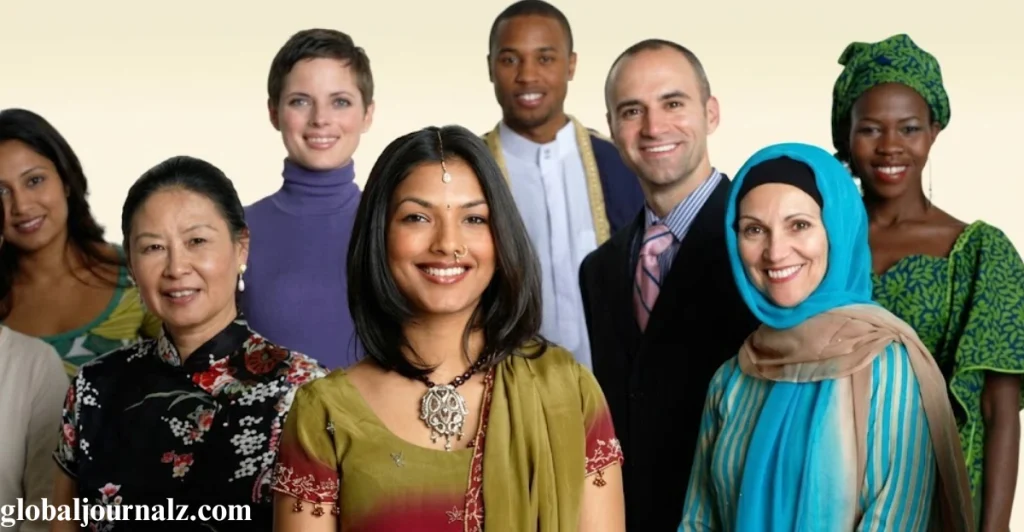
Cultural factors play an important role in shaping how people see themselves and understand the society around them. Individualism encourages people to value personal freedom and independence while focusing on their own goals and needs. Collectivism places greater importance on group unity and shared responsibility, where the needs of the community are often given more attention.
A society’s attitude toward uncertainty and ambiguity can also influence how people behave in everyday situations. Economic opportunities and experiences of war or conflict may lead people to value security and predictable conditions. In more stable environments, people may feel comfortable with flexibility and become more willing to accept change and new ideas.
Culture further affects power distribution and a society’s long-term or short-term orientation. These cultural values can shape personalities, behaviors, and decisions in both personal and professional settings. They also influence how people work with colleagues and communicate with customers from different cultural backgrounds.
What cultural diversity brings to the workplace

Cultural diversity in the workplace brings together employees who may have different experiences and ways of thinking. Different perspectives on a problem can help teams consider a wider range of ideas and possible solutions. This variety can make everyday discussions more useful and productive.
More diverse companies can attract skilled talent while improving customer and employee satisfaction. A mix of backgrounds also supports increased creativity and innovation because employees may approach familiar tasks in new ways. These differences can help businesses adapt to changing needs.
When people feel respected for their background and ideas, they are more likely to contribute to the team. Diverse groups can achieve faster problem-solving by combining different viewpoints and skills. A supportive environment may also lead to higher employee retention because employees feel valued at work.
Cultural awareness and competence at work

Cultural awareness helps employees understand why colleagues may communicate or behave differently in professional situations. Clear company values can guide employees when they face cultural differences and support a workplace built around diversity and inclusion. This creates a stronger foundation for respectful teamwork.
Developing cultural competence allows people to interact more effectively with colleagues and customers from different cultures. Employees can become more aware of their own cultural worldview while staying open-minded about other cultural practices. Diversity training can further improve understanding and reduce workplace misunderstandings.
Strong leadership can make cultural inclusion part of everyday workplace behavior. Managers who respect different backgrounds can encourage employees to share their ideas without hesitation. Over time, this approach can build better communication and help multicultural teams work together with greater trust.
Conclusion
Culture has a strong influence on how people live and work every day. It shapes the way people communicate and make decisions while also affecting their relationships with others. Understanding cultural differences can make teamwork easier and reduce misunderstandings in diverse environments. It also helps employees feel respected and valued for who they are. Cultural awareness can bring different ideas together and create stronger connections between people. When workplaces respect different backgrounds, they can become more supportive and productive. Embracing cultural diversity helps people learn from one another and build better communities and workplaces.
1. What role does culture play in everyday life?
Culture shapes many of the habits and values people follow each day. It influences how they communicate and interact with others. It also affects traditions and personal choices. These patterns become a natural part of daily life.
2. Why does culture matter in the workplace?
Culture can influence teamwork and the way employees communicate. It may also shape attitudes toward leadership and decision-making. Different cultural backgrounds can bring different workplace expectations. Understanding these differences can make cooperation easier.
3. How can cultural diversity benefit a company?
Cultural diversity brings different experiences and ideas into a team. It can encourage creativity and help employees find new ways to solve problems. Diverse teams may also understand a wider range of customers. A respectful environment helps people contribute with confidence.
4. What can employees do to improve cultural awareness?
Employees can start by learning about different cultural values and communication styles. Listening carefully can help prevent misunderstandings. Respecting different perspectives also creates stronger professional relationships. Over time, this can support better teamwork and inclusion.