 By Muhammad Bilal
Culture shapes how people live and understand the world around them. It reflects the language and beliefs that influence a community’s identity and daily life. Customs and traditions connect people with their heritage and help pass shared values from one generation to another. It also influences art food music social practices and everyday behavior across different communities. Explore what culture means and discover how it shapes human life.
Table of Contents
Cultural Psychology Vs. Cross-Cultural Psychology

Cross-cultural psychology looks at people from different cultural backgrounds and compares how they think, feel and behave. It studies behavior thought processes emotional processes and experiences to see how culture can shape the way people understand and respond to the world around them.
It also considers values, beliefs and social norms that influence everyday behavior and emotions. For example one culture may encourage people to express feelings openly, while another may expect people to stay more reserved in social situations.
While cultural psychology focuses on the relationship between people and their own culture, cross-cultural psychology looks more closely at similarities and differences between cultures. This helps researchers recognize shared psychological processes while understanding important cultural variations.
Acculturation: An Important Topic in Cross-Cultural Psychology

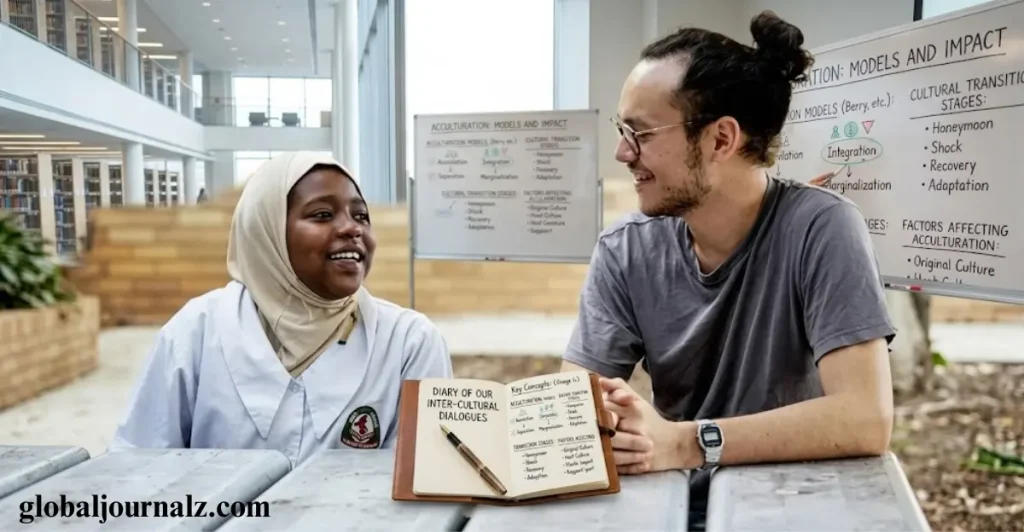
Acculturation is the process of adapting to a new culture while keeping parts of one’s native culture. It often happens when immigrants move to a different society and learn its social norms, values, customs, rules and expectations.
In cross-cultural psychology, acculturation explains how people respond to cultural change. Integration combines both cultures, while assimilation mainly follows the host culture. Segregation keeps the native culture separate while marginalization creates distance from both cultures.
Acculturation can affect identity, behavior, relationships and emotional well-being. Difficult adjustment may lead to acculturative stress when people face cultural conflict or exclusion. These patterns help explain how individuals adapt to a new society while staying connected to their cultural background.
Why Understand Other Cultures?
Globalization has connected people from different cultures through technology trade, education and travel. This makes understanding cultural differences important for better communication and respectful relationships in diverse communities.
People may have different beliefs, values, norms, traditions and customs because of their cultural background and socialization. Without understanding these differences, prejudice and discrimination can develop through stereotypes and unfair assumptions about others.
Learning about cultural diversity encourages respect and open-mindedness toward people from different backgrounds. Cultural psychology, cross-cultural psychology, and acculturation also help explain how culture influences the way people think, behave and interact in an increasingly connected world.
Conclusion
Culture plays an important role in shaping how people think, behave and connect with others. It influences beliefs values traditions language and many parts of everyday life. Understanding cross-cultural psychology helps us recognize how people from different cultures may experience the world differently. Acculturation also shows how people adapt to new cultures while maintaining connections to their original identity. Learning about cultural differences can reduce stereotypes, prejudice and misunderstandings. It encourages respect, empathy and better communication between people from diverse backgrounds. By understanding culture, we can build stronger relationships and create more inclusive communities.
1. How does culture shape daily life?
Culture influences how people think, communicate behave and interact with others in everyday situations. It includes language beliefs values traditions and customs that are shared within a community. These cultural elements also help shape a person’s identity and connection to their heritage.
2. Why is cross-cultural psychology important?
Cross-cultural psychology helps researchers understand how cultural backgrounds can influence thoughts emotions and behavior. It compares people from different cultures to identify both similarities and differences. This can improve understanding and communication between people from diverse backgrounds.
3. How does acculturation affect people?
Acculturation can affect a person’s identity behavior relationships and emotional well-being when adapting to a new culture. People may adopt new customs and social norms while keeping important parts of their original culture. The experience can vary depending on how easily they adjust to their new cultural environment.