 By admin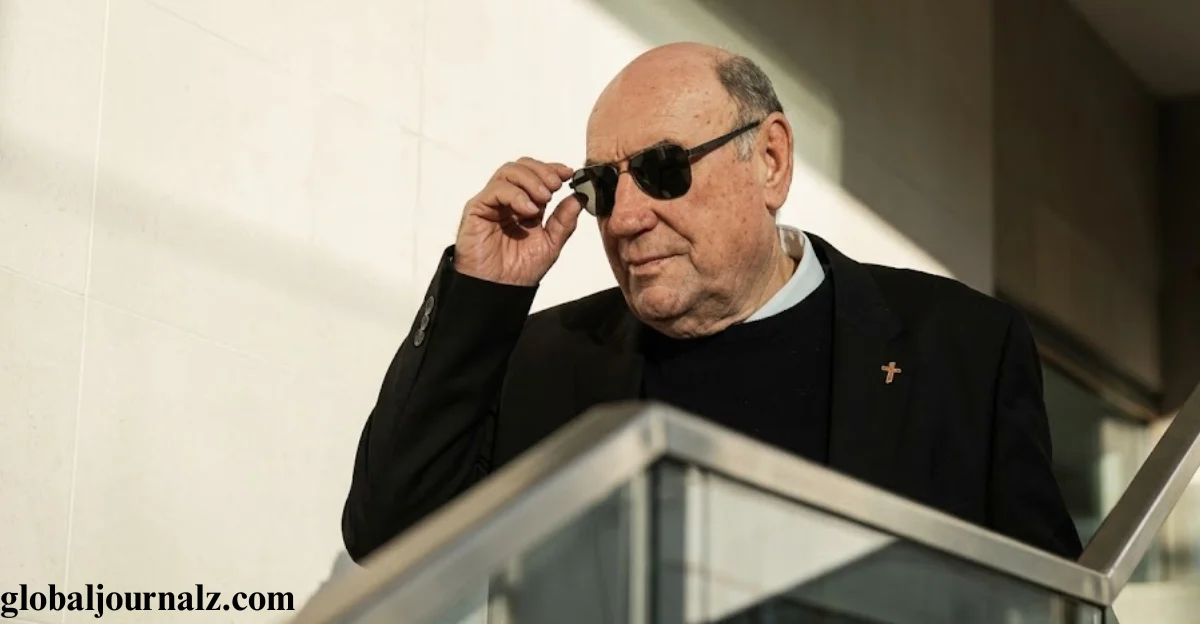
A former Australian bishop has been jailed after being convicted of sexually abusing young men, marking a serious criminal case involving a senior religious figure. The conviction has drawn attention to the abuse allegations, the experiences of the victims, and questions surrounding accountability within religious institutions. The sentence reflects the seriousness of the offenses and the impact they had on those affected. The case also highlights the importance of protecting vulnerable people and ensuring that allegations of sexual abuse are properly investigated and addressed.
Table of Contents
Christopher Saunders and Sexual Abuse Charges
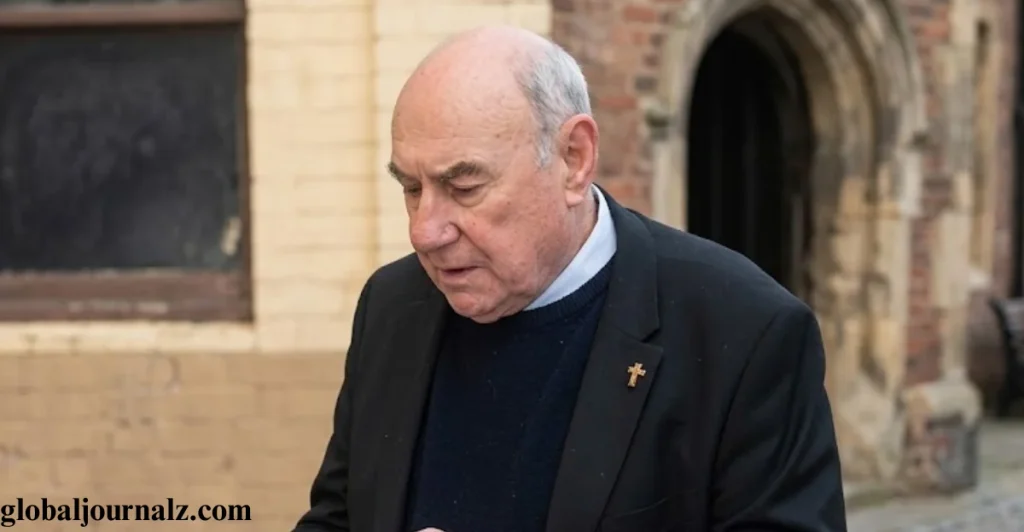
Former Australian bishop Christopher Saunders, a Catholic cleric, was found guilty of sexually abusing two young Aboriginal men during his time as Bishop of Broome. Saunders had resigned in 2020 after allegations of wrongdoing, and on Wednesday, the 76-year-old was sentenced to six and a half years in prison, with parole available in February 2031. His conviction included one charge of rape and 12 counts of indecent assault, marking a major development in the long-running sex abuse charges against the former bishop.
The case centred on allegations involving Saunders and young men connected to the Kimberley region, where he had held a senior position within the Catholic Church. The court proceedings examined allegations that developed over several years, while the sentencing placed attention on the impact of the offences and the responsibilities of senior religious figures.
Senior Catholic leaders have also responded to the case and its outcome, as the conviction brought renewed attention to the handling of allegations involving a senior church figure. The prison sentence formally addressed the criminal charges while also recognising the harm described by the victims.
Saunders Trial and Grooming Allegations
The trial in Western Australia heard allegations that Saunders had systematically groomed young men through settings that included shirts-off gatherings, alcohol, church funds and church-owned properties. He was convicted of offences involving kissing, molesting and forcing oral sex, with the alleged offending taking place between 2010 and 2019. Saunders was acquitted of some other allegations considered by the jury.
An alleged offence involving a third young man was also examined during the proceedings, while the court heard a victim impact statement describing the continuing consequences of the abuse. The victim explained how he had struggled with the effects of the experience and described the pain associated with what happened.
The court proceedings also included disturbing details about the alleged conduct, including an account involving a toy. The testimony and evidence presented during the case formed part of the wider examination of the allegations, while the jury’s decisions distinguished between the charges on which Saunders was convicted and those on which he was acquitted.
Catholic Career and Kimberley Region
First ordained in 1976, Saunders built a long career in the Catholic Church before becoming closely associated with the remote Kimberley region in the nation’s north-west corner. He was appointed Bishop of Broome in 1996, taking responsibility for a diocese covering about 770,000 sq km or 297,000 sq miles.
The Kimberley region includes some of the most remote parts of the country, and Saunders served communities spread across a vast geographical area. His position as bishop placed him among the senior Catholic figures responsible for pastoral and religious leadership across the region.
District Court Judge Martin Flynn addressed the consequences of the offending during sentencing, including the dignity of the victims and the lasting harm caused by the abuse. The sentencing therefore considered not only the criminal offences but also their long-term effect on those who came forward.
Archbishop Timothy Costelloe and Victims
Archbishop of Perth Timothy Costelloe issued a statement addressing the men involved in the case and recognising their courage and resilience. His remarks acknowledged the justice process as well as the pain, suffering and loss of trust experienced by the victims after being harmed by a senior leader of the church.
The court sentence cannot undo suffering or fully restore what victims have lost, and Costelloe’s statement recognised that reality. The response came after years of accusations surrounding Saunders and the institutional response to the allegations.
The case followed developments that began in 2020, when a police investigation was launched and later closed before the subsequent criminal process resulted in charges and conviction. The outcome of the charge against Saunders has since become part of the wider discussion about accountability within the Catholic Church.
Pope Inquiry and Police Investigation
A historic inquiry involving the Pope and a police investigation formed part of the broader response to allegations against Saunders. The church investigation into Saunders was paused while police proceedings were underway and later resumed, creating pressure for the church to restart its own examination of the allegations.
Questions also emerged over whether the church should strip Saunders of his remaining title and ministry powers. The issue involved senior church authorities, including the Archbishop, while the matter also attracted attention in Rome because of the seriousness of the allegations and questions surrounding institutional accountability.
The combination of the police investigation, church processes and renewed scrutiny placed justice and accountability at the centre of the case. The proceedings showed how criminal investigations and internal church responses can develop separately while addressing the same allegations.
Vos Estis Lux Mundi and Catholic Church
Vos Estis Lux Mundi, meaning You Are the Light of the World in Latin, established a framework for church inquiries and investigations involving allegations of sexual abuse and misconduct. Introduced by the pontiff in 2019, the framework was designed to address cases involving bishops and other high-ranking Catholic Church officials.
The rules were intended to make senior figures more accountable for their actions and to strengthen the way the church responds to allegations involving abuse and failures in leadership. The framework also forms part of wider efforts concerning ministry, abuse prevention and institutional responsibility.
Within Catholic leadership, the Saunders case has therefore raised questions about how church procedures operate alongside police investigations and criminal courts. The principles behind Vos Estis Lux Mundi place emphasis on reporting, investigation and accountability when serious allegations involve senior figures in the Church.
Conclusion
The imprisonment of the former Australian bishop represents a significant development in a case involving serious sexual abuse allegations and the harm experienced by young men. The conviction and sentence underline the importance of accountability when people in positions of trust are accused of abusing that responsibility. The case may also renew discussions about safeguarding practices, institutional oversight, and the need to support survivors. For those affected, recognition of the harm caused can be an important part of seeking justice. The proceedings also serve as a reminder that allegations of abuse should be taken seriously and handled through appropriate legal and safeguarding processes.
FAQs
1. Why was the former Australian bishop jailed?
He was jailed after being convicted of sexually abusing young men.
2. Who were the victims in the case?
The case involved young men who were subjected to sexual abuse by the former bishop.
3. Why has the case attracted public attention?
The case has drawn attention because the accused was a senior religious figure and the allegations involved serious abuse of trust.
4. What does the case highlight about religious institutions?
It highlights the importance of safeguarding, accountability, proper investigations, and protecting vulnerable people from abuse.
 Muhammad Bilal