 By Muhammad Bilal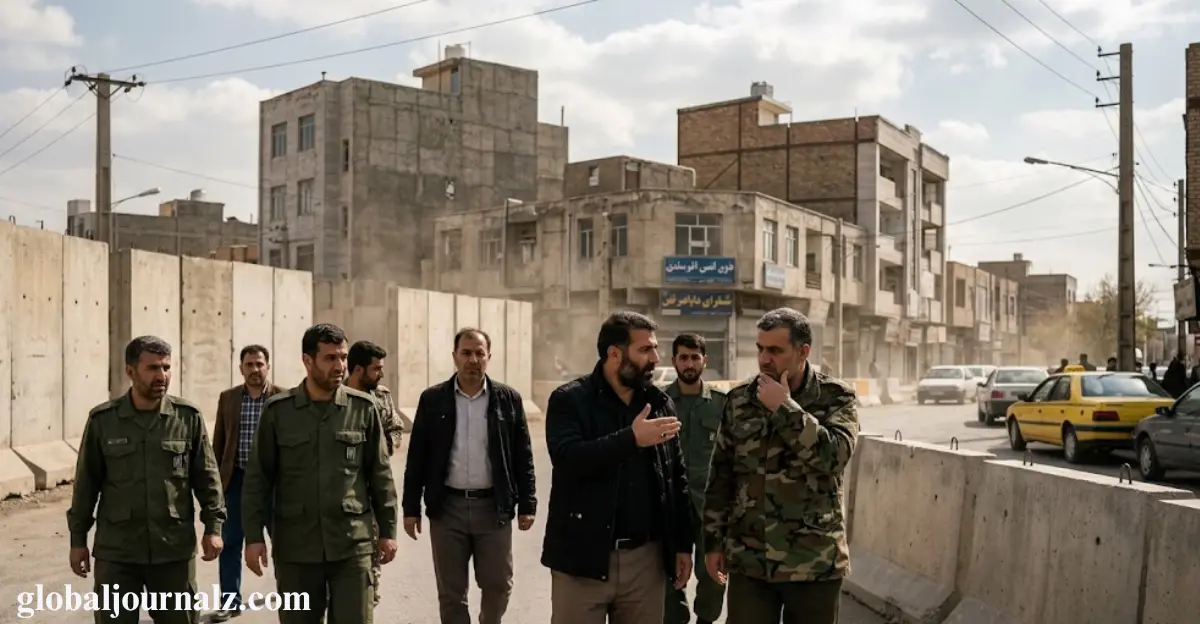
The conflict with Iran has become a major Middle East crisis, with military strikes and diplomatic tensions keeping the region on edge. After heavy attacks on Iran’s nuclear and military sites, a ceasefire reduced large-scale fighting but failed to settle the deeper disputes. Fresh strikes and accusations of violations have continued to raise fears of renewed escalation. Iran’s nuclear program, the Strait of Hormuz and sanctions relief remain key points of disagreement. With no lasting agreement in sight, the future of the U.S.-Iran conflict remains uncertain. Discover the major turning points, unresolved disputes and latest developments that continue to shape the conflict with Iran.
Conflict With Iran: Key Facts
- Main issue: Iran’s nuclear program and regional influence
- Key players: Iran, the United States and Israel
- Major flashpoint: The Strait of Hormuz
- Current concern: Renewed strikes and wider regional escalation
Table of Contents
History of Iran’s Nuclear Program
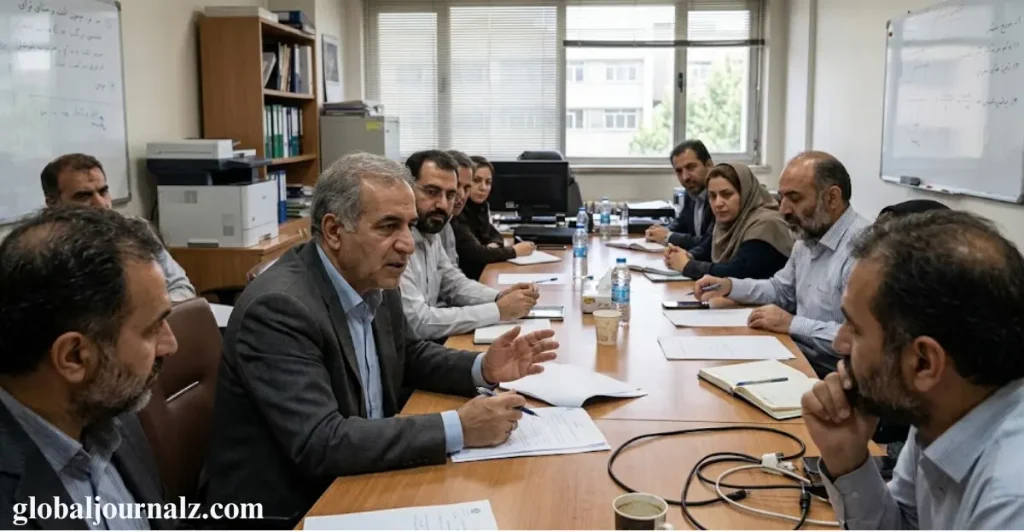
Iran’s nuclear program dates back to 1957, but concerns intensified after the Iran-Iraq War, when Tehran is believed to have considered pursuing nuclear weapons. In 2002, dissident groups revealed previously undisclosed nuclear sites, prompting greater international scrutiny and pressure from the IAEA.
Diplomatic efforts expanded in 2003 as Iran agreed to greater transparency while insisting on its right to peaceful nuclear energy. Continued disputes over uranium enrichment led the IAEA to find Iran in non-compliance, while the UN Security Council introduced sanctions demanding that Tehran suspend enrichment-related activities.
Years of sanctions placed severe pressure on Iran’s economy and helped create the conditions for the JCPOA in 2015. The deal sharply reduced Iran’s enriched uranium stockpile and centrifuges while expanding inspections, but tensions continued over ballistic missiles and other security concerns, leaving the nuclear dispute unresolved.
Iran’s Regional Proxies
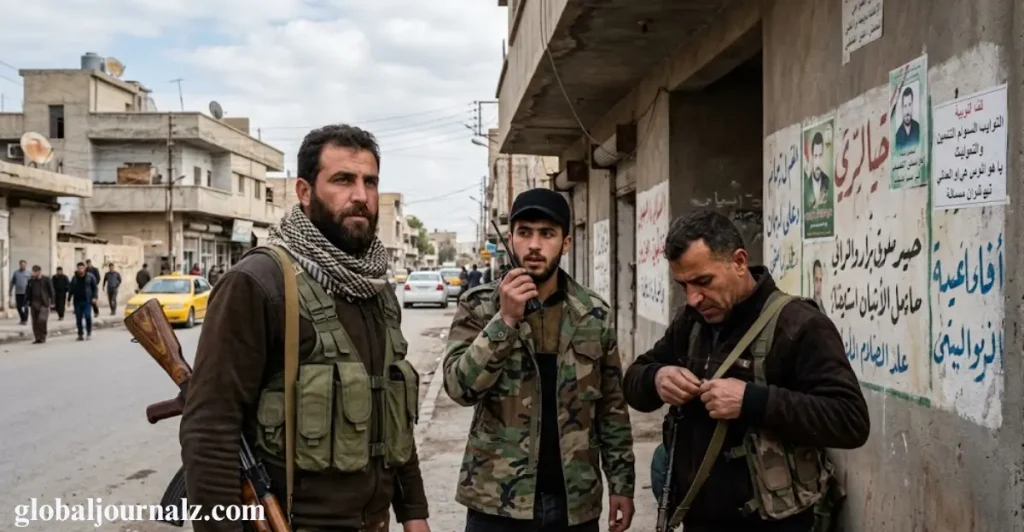
Iran’s influence extends beyond its nuclear activities through a network of regional proxies and allied armed groups. The Quds Force of the IRGC has supported and trained groups across the Middle East, including Hamas, Hezbollah, Iraqi militias, Syrian fighters and Yemen’s Houthis.
Through years of military aid and training, Iran has helped these groups develop stronger capabilities, including drones and missiles. This network has allowed Tehran to project power across Iraq, Lebanon, Syria, Gaza and Yemen without relying solely on conventional Iranian forces.
The United States has repeatedly accused Iran of being a leading state sponsor of terrorism, citing financial and military support for armed groups across the region. These proxy relationships have therefore become a central part of the wider confrontation between Iran, Israel and the United States.
Trump’s First-Term Clash With Iran
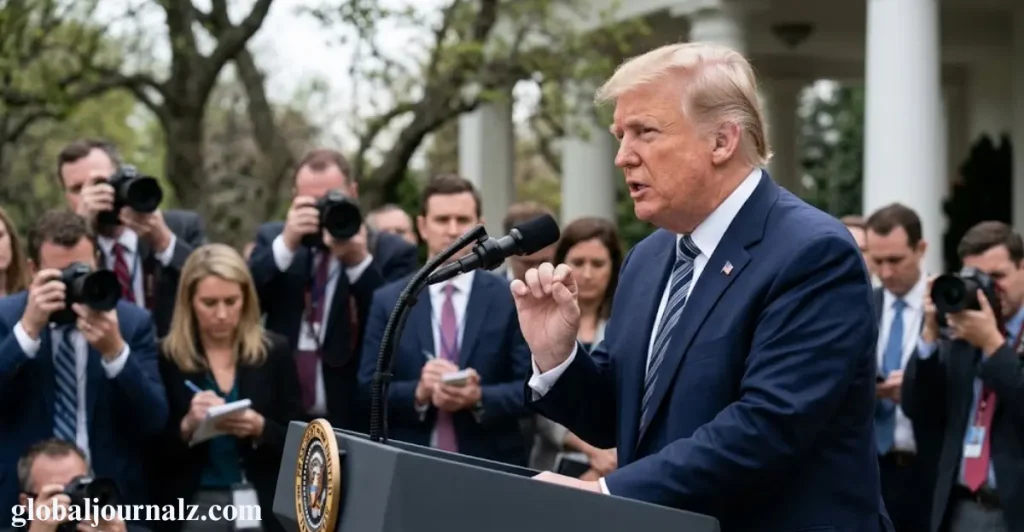
During Donald Trump’s first term, the United States withdrew from the JCPOA in 2018 and restored sweeping sanctions under a maximum pressure strategy. Washington argued that the agreement failed to address Iran’s regional activities and ballistic missile program, while the sanctions pushed Iran into a deeper economic crisis.
- Nuclear Deal Withdrawal: Trump pulled the U.S. out of the 2015 Iran nuclear deal in 2018.
- Maximum Pressure: His administration imposed sweeping sanctions aimed at weakening Iran’s economy and forcing Tehran back to negotiations.
- Rising Military Tensions: In 2019, disputes intensified over oil tankers, Iran’s downing of a U.S. drone, and attacks on regional oil facilities.
- Soleimani Strike: In January 2020, Trump ordered a U.S. drone strike that killed Iranian commander Qassem Soleimani in Baghdad.
- Retaliation and War Fears: Iran responded with missile attacks on U.S. forces in Iraq, bringing the two countries dangerously close to a wider war.
Iran gradually moved away from the nuclear restrictions imposed by the deal as tensions increased. The confrontation included attacks on oil tankers near the Strait of Hormuz, the downing of a U.S. drone, additional American deployments and escalating sanctions against Iranian institutions, including the IRGC.
The crisis reached a major turning point in January 2020 when a U.S. strike killed Qasem Soleimani, commander of Iran’s Quds Force. Iran responded by abandoning its remaining JCPOA commitments and later accelerated uranium enrichment, making the nuclear dispute even more difficult to resolve.
U.S.-Israeli Conflict With Iran
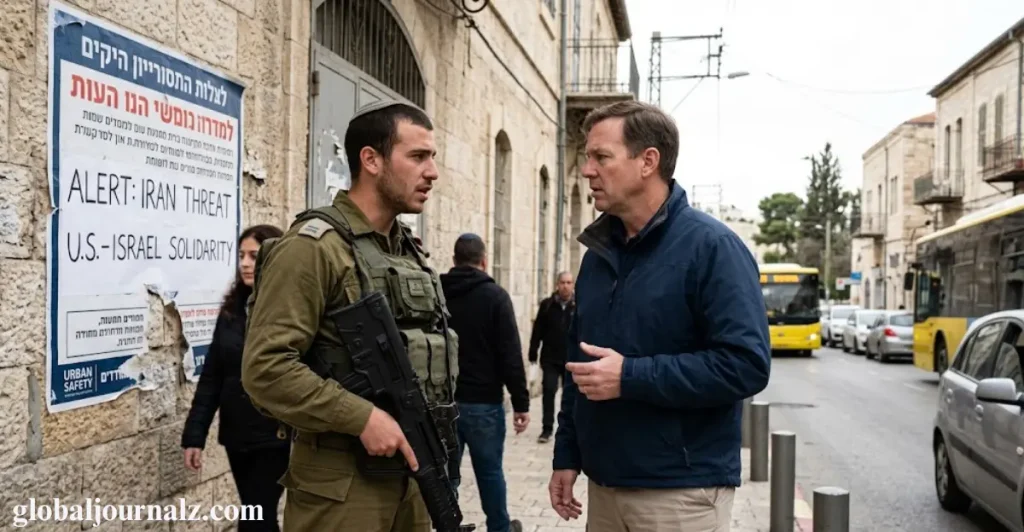
The U.S.-Israeli conflict with Iran intensified after the 2023 Hamas attack as Hezbollah, the Houthis and other Iran-backed groups opened new fronts against Israel and U.S. forces. In 2024, Iran and Israel moved to direct confrontation, exchanging drones and ballistic missiles.
- Renewed U.S.-Israeli Strikes: The conflict has continued with major attacks targeting Iranian military and strategic infrastructure.
- Strait of Hormuz Crisis: Control of the key shipping route has become a major flashpoint, affecting oil supplies and regional security.
- Iranian Retaliation: Iran has responded with missile and drone attacks targeting U.S. forces and American allies across the Gulf.
- Economic Pressure: Washington has intensified sanctions and economic measures as military pressure continues.
- Growing Risk of Prolonged War: Hopes for a quick resolution have faded as fighting, diplomatic tensions and disputes over sanctions and Iran’s nuclear program continue.
In 2025, Trump restored his maximum pressure campaign while nuclear talks continued. Israel attacked Iranian nuclear facilities, missile sites, and military leaders, followed by U.S. strikes on Fordow, Natanz and Isfahan. Iran responded with attacks on U.S. forces before a ceasefire.
The conflict escalated again in February 2026 when the United States and Israel attacked Iran, targeting its nuclear and military capabilities. Fighting spread across the region and disrupted the Strait of Hormuz energy supplies and humanitarian operations. A Pakistan-mediated ceasefire later reduced hostilities, but major disputes over Iran’s nuclear program remain unresolved.
Conclusion
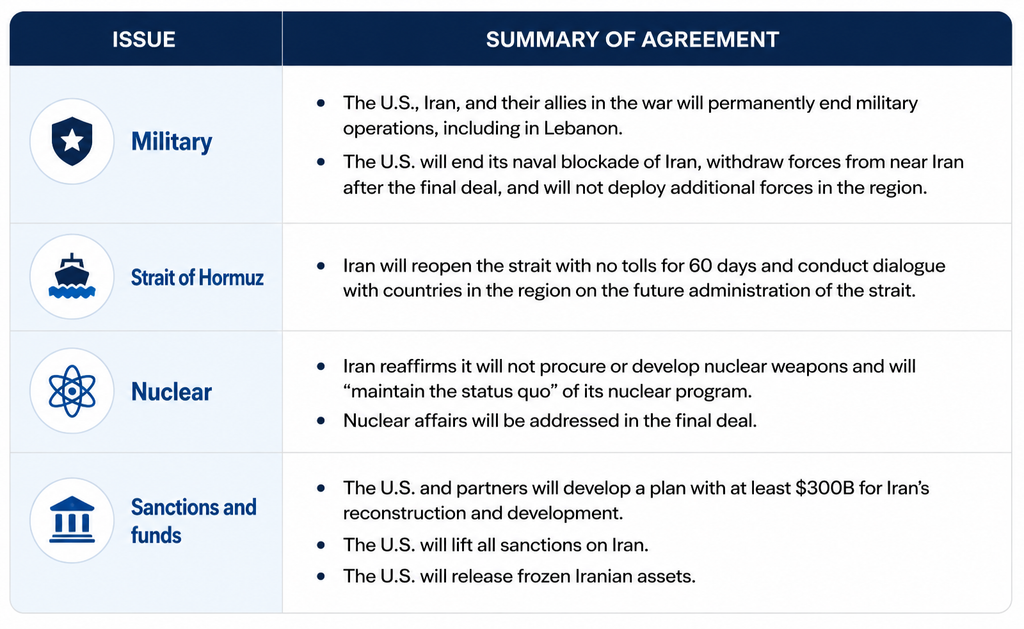
The conflict with Iran has evolved from a long-running nuclear dispute into a wider military and regional crisis. Years of sanctions, proxy conflicts and failed negotiations have kept tensions between Iran, the United States and Israel high. Recent strikes have damaged Iran’s nuclear and military infrastructure but have not removed the core disagreements. The Strait of Hormuz, nuclear enrichment and sanctions relief remain major issues between the sides. Although ceasefires have reduced large-scale fighting, continued accusations and retaliatory actions could trigger fresh escalation. A lasting solution will likely depend on serious diplomacy and clear security guarantees. Until those issues are addressed, the future of the U.S.-Iran conflict remains uncertain.
What triggered the latest conflict with Iran?
The latest conflict was driven by growing disputes over Iran’s nuclear program, missile capabilities and regional influence. Failed negotiations increased tensions before the United States and Israel launched major strikes against Iranian targets.
What is Iran seeking from nuclear negotiations?
Iran has continued to defend its right to peaceful nuclear energy and uranium enrichment. Tehran has also sought sanctions relief while resisting demands that would completely end its enrichment activities.
Why is the Strait of Hormuz important?
The Strait of Hormuz is a vital route for global oil and gas shipments. Any disruption can increase energy prices, threaten supply chains and create wider economic pressure.
Is a lasting ceasefire between Iran and the U.S. possible?
A lasting ceasefire remains possible if both sides address the nuclear dispute and broader security concerns. However, continued strikes, sanctions and disagreements over regional issues make a permanent settlement difficult.
 admin
admin