 By admin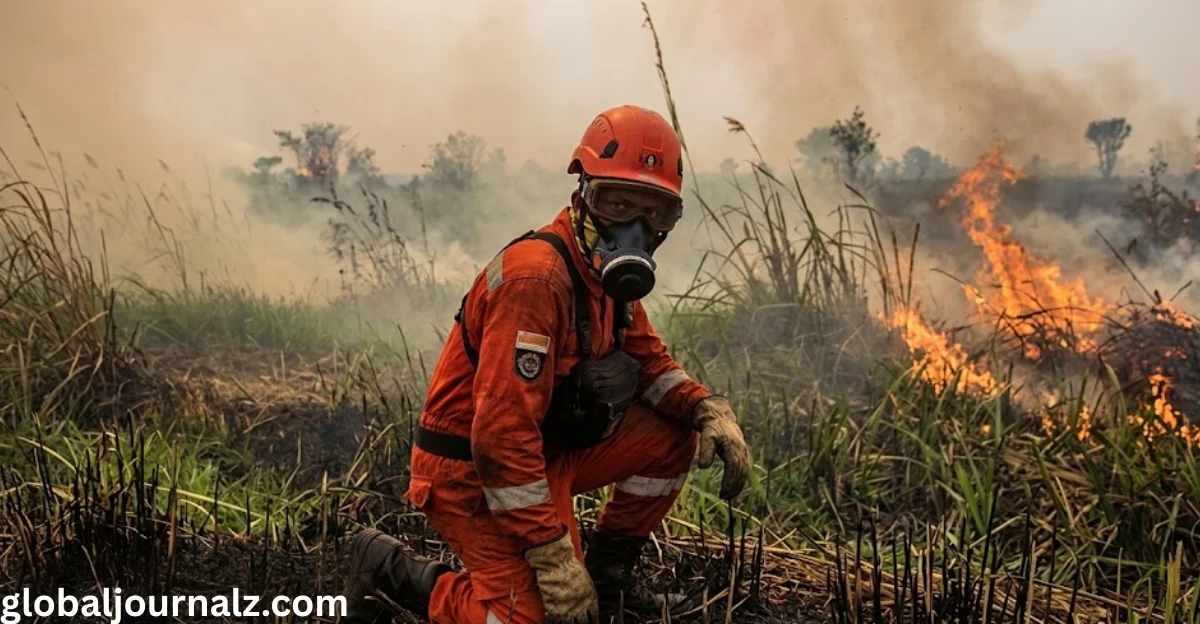
Toxic smog has become a serious environmental concern across Southeast Asia, affecting air quality, public health, and daily life in communities throughout the region. Seasonal forest fires, land-clearing practices, peatland burning, vehicle emissions, and industrial pollution can all contribute to the dangerous haze that spreads across national borders. The problem is particularly challenging because its causes often involve multiple countries, industries, and environmental policies. Understanding who is responsible requires looking beyond a single source to examine the activities driving the pollution and the challenges of controlling it.
Table of Contents
Toxic Smog and Wildfires in South East Asia
South East Asia is facing a serious environmental crisis as Indonesia experiences a severe wildfire season that has spread toxic smog across the region. The fires have created hazardous air quality in Kalimantan and Sumatra, exposing millions of residents to dangerous haze and smoke pollution. Reports describe the current outbreak as the country’s worst wildfire season in more than a decade, with dry conditions and fires affecting communities and natural habitats.
The thick smoke has produced ominous amber skies and an obscured skyline in neighbouring countries, including Singapore and Malaysia. Persistent haze has disrupted daily activities and prompted school closures, while deteriorating air quality has intensified public health concerns. The crisis is particularly worrying because smoke can travel far beyond the areas where fires begin, turning local forest destruction into a regional pollution emergency.
The prolonged dry season and an unusually strong El Niño, a natural climate phenomenon that influences global weather patterns, have contributed to conditions favourable for fires. However, environmental groups also point to land clearing and damage to vulnerable peatlands as important factors. As journalist Koh Ewe and other regional observers cover the situation in Singapore and beyond, the continuing fires underline the scale of the regional environmental crisis and the need for coordinated action.
Slash-and-Burn Farming and Forest Destruction
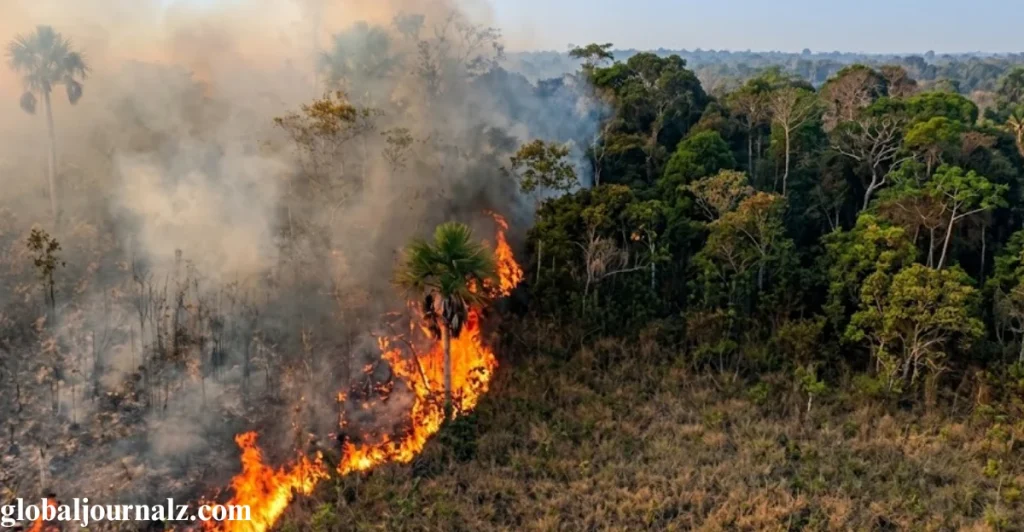
Slash and burn is an agricultural method used to clear Indonesian forests and peatlands by razing vegetation to prepare land for new crops. Although burning can provide a quick way to clear vegetation and release nutrients into the soil, fires can spread beyond intended boundaries. When used for land clearing and commercial farming, this practice can contribute to large-scale fires, uncontrolled wildfires and extensive forest destruction.
The attraction of cheap land preparation can encourage the use of fire to create farmland, particularly where monitoring and enforcement are limited. However, illegal slash-and-burn farming can cause lasting environmental damage, destroy habitats and release smoke that affects distant communities. Peatland burning is especially difficult to control because fires can smoulder beneath the surface and reignite, making fire prevention more challenging throughout the dry season.
Environmental activists have called for stronger government investigations into company practices linked to forest and land fires. Monitoring projects such as Nusantara Atlas have been associated with figures of 1,043,377 wildfire hotspots and 900,000 hectares of land, highlighting the scale of concern surrounding dry season fires and deforestation. Such figures need to be interpreted according to their monitoring periods and methods, but they illustrate why agricultural expansion must be accompanied by effective land management and safeguards against uncontrolled burning.
Indonesian Authorities and Corporate Accountability
Indonesian President Prabowo Subianto has called for tougher action against companies connected to forest and land fires, with the term ecological terrorism used in the debate over the seriousness of the damage. Indonesian authorities have announced enforcement measures against businesses suspected of violations. In September 2026, the government reported that the operating licences of 26 companies had been suspended in connection with wildfire investigations, with further legal consequences possible if evidence supports prosecution.
The suspension of licences is intended to strengthen government enforcement and encourage corporate responsibility in areas affected by repeated fires. Investigators may examine whether commercial plantations, land management decisions or failures to follow environmental regulations contributed to the outbreaks. Where evidence supports allegations, authorities can pursue court proceedings, administrative penalties or other legal action, rather than relying only on emergency firefighting once the fires have already spread.
Despite these measures, authorities continue to face difficulties stopping wildfires across extensive forest and plantation areas. Effective fire prevention requires early detection, reliable monitoring, clear accountability and enforcement against fire-related offences. The challenge for Indonesian companies and government agencies is to demonstrate public accountability through transparent investigations and meaningful action. A coordinated national wildfire response must address both the immediate fires and the practices that allow the same environmental crisis to recur.
Singaporean and Malaysian Plantation Companies
Greenpeace has raised concerns about links between Singapore-based businesses, Malaysian plantation groups and fires on Indonesian land. Its investigations examine wildfire source points and their proximity to plantation concessions, where smoke may originate from land-clearing activities. The findings have drawn attention to First Resources, a palm oil company, and reported haze-source points recorded during August and September, including more than 30 points associated with two Indonesian subsidiaries. Such links require careful investigation before responsibility for individual fires can be established.
Companies operating in the region may maintain a zero burning policy and describe their fire prevention, monitoring and firefighting measures as part of their environmental commitments. However, environmental groups argue that policies must be assessed against conditions on the ground. Monitoring whether fires occur within company concessions, whether warnings are acted upon and whether firefighting begins promptly is important when examining claims about plantation management and environmental performance.
The case involving Kuala Lumpur Kepong and its Indonesian entity PT Menteng Jaya Sawit Perdana has also attracted attention. Greenpeace identified the Malaysian plantation group among entities connected to the 2026 fire findings and reported 19 haze source points in relation to the case details supplied. Questions about the concession area, open burning, land preparation and extinguished fires remain central to the broader debate. Corporate statements and evidence about individual plantation operations need to be considered together when assessing cross-border business links, environmental responsibility and wildfire allegations.
International Tensions and Transboundary Haze Pollution
The Transboundary Haze Pollution Act, introduced in Singapore in 2014, was designed to provide a legal route for addressing haze pollution linked to activities beyond the country’s borders. It can apply to relevant local and foreign firms, including businesses suspected of contributing to haze pollution through land clearing by burning. The framework reflects the difficulty of dealing with pollution that crosses national boundaries, particularly when evidence, corporate structures and land concessions are spread across different jurisdictions.
The enforcement debate intensified after the 2015 haze crisis, when Singaporean authorities pursued information and possible legal action against companies associated with fires. The process has involved questions about summonses, prosecution, access to information and cooperation with authorities in Jakarta. Effective enforcement depends on reliable evidence and international cooperation, while disagreements over investigations can place pressure on bilateral ties between Indonesia and Singapore. Regional governments must balance sovereignty concerns with the shared need to protect public health.
Public comments have also added to diplomatic sensitivities. Jusuf Kalla, Indonesia’s then-Vice-President, became associated with a controversial comparison involving 11 months and one month in remarks about the duration of haze exposure. Syahganda Nainggolan, linked in the supplied details to a government communications agency, also appears in the debate over human control, the importance of oxygen from forests and social media reactions. The resulting social media controversy drew criticism and ridicule from Malaysians and Singaporeans, underscoring the need for clearer communication, regional environmental cooperation and practical wildfire assistance. Indonesia’s apologies and responses form part of the wider diplomatic discussion.
Public Health Crisis and Calls for Government Action
In Pontianak, the capital of West Kalimantan province, residents and civil society groups have pursued a class action lawsuit against the Indonesian government, including Prabowo Subianto, over the handling of recurrent toxic haze. The plaintiffs allege gross negligence in preventing and managing fires and seek stronger protection for communities exposed to prolonged smoke. They have also called for a national disaster declaration, alongside measures addressing healthcare costs and recovery needs. Reuters reported that the initial hearing was postponed after government representatives did not attend.
The legal action reflects frustration over repeated exposure to dangerous air pollution across Kalimantan and Sumatra. Residents can face weeks of toxic smog, with smoke contributing to respiratory problems, headaches and other health concerns. A previous lawsuit connected to wildfire impacts in South Sumatra was dismissed, but continuing outbreaks have renewed demands for government accountability and effective healthcare support. Civil society groups argue that emergency response should address not only the fires but also the long-term consequences for affected households.
The personal cost of the crisis is illustrated by Imrayedi, a 63-year-old motorcycle taxi driver in Pekanbaru city on Sumatra island, whose experience was reported by BBC Indonesian. For people who depend on outdoor work, persistent haze can make earning a living more difficult while increasing exposure to polluted air. Protecting vulnerable residents requires practical health guidance, access to healthcare and support for people whose daily work is disrupted. Lasting environmental justice also depends on stronger wildfire prevention, transparent investigations and sustained action to reduce the recurring fires that threaten communities throughout Indonesia.
Conclusion
The recurring toxic smog in South East Asia highlights the serious consequences of Indonesia’s forest fires, slash-and-burn farming and the destruction of vulnerable peatlands. The resulting haze affects millions of residents across Kalimantan, Sumatra, Singapore and Malaysia, creating dangerous air quality, disrupting daily activities and increasing public health risks. Although Indonesian authorities have suspended company licences and strengthened wildfire investigations, effective enforcement and transparent corporate accountability remain essential to preventing further environmental damage. Addressing this regional crisis requires stronger fire prevention, responsible plantation management and greater international cooperation.
FAQs
What causes toxic smog in South East Asia?
Toxic smog is largely caused by forest fires, peatland burning and slash-and-burn farming in Indonesia. Dry conditions can allow fires to spread, while smoke travels across borders and affects neighbouring countries such as Singapore and Malaysia.
Why is Indonesia’s slash-and-burn farming harmful?
Slash-and-burn farming is used to clear land for agriculture, but uncontrolled fires can destroy forests, damage peatlands and release large amounts of smoke. These fires threaten wildlife, worsen air pollution and create long-term environmental damage.
What action are Indonesian authorities taking against companies linked to wildfires?
Under President Prabowo Subianto, Indonesian authorities have taken enforcement measures, including suspending the operating licences of 26 companies connected to wildfire investigations. Further investigations and legal action may follow where evidence supports allegations of environmental violations.
How does Indonesian haze affect Singapore and Malaysia?
Smoke from Indonesian fires can cross national borders, creating hazardous air quality, reducing visibility and increasing respiratory health risks. Severe haze can also disrupt schools, outdoor activities, transportation and everyday life in affected communities.
How can South East Asia prevent recurring wildfire and haze crises?
Governments can strengthen fire prevention, enforce environmental regulations, improve fire monitoring and hold companies accountable for illegal land clearing. Regional cooperation, effective firefighting, public health support and the protection of forests and peatlands are also essential to reducing future haze.
 Muhammad Bilal