 By admin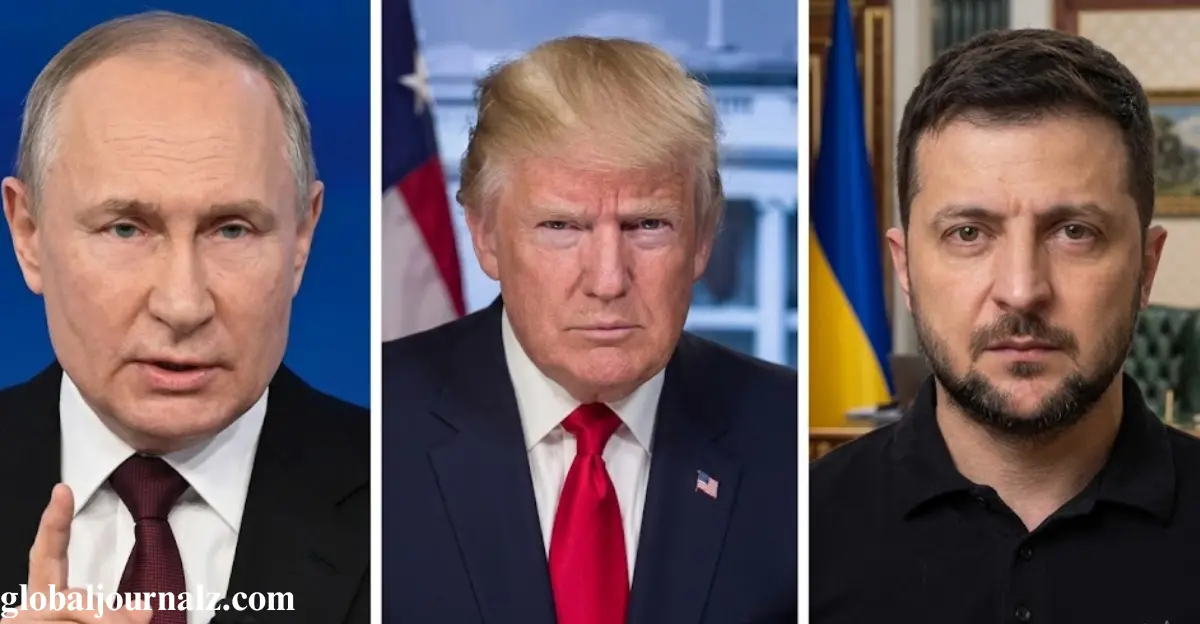
Donald Trump’s announcement of a deal involving Russian diesel has sparked controversy, with Ukrainian President Volodymyr Zelensky criticizing the move as a gift to Vladimir Putin. The development has raised questions about energy trade, sanctions, and Russia’s revenue amid the ongoing war in Ukraine. Zelensky’s reaction highlights Kyiv’s concerns over decisions that could benefit Moscow while the conflict continues. The deal has also drawn attention to U.S. policy toward Russia and its potential impact on international efforts to pressure the Kremlin.
Table of Contents
Donald Trump and Russian Diesel Import Deal
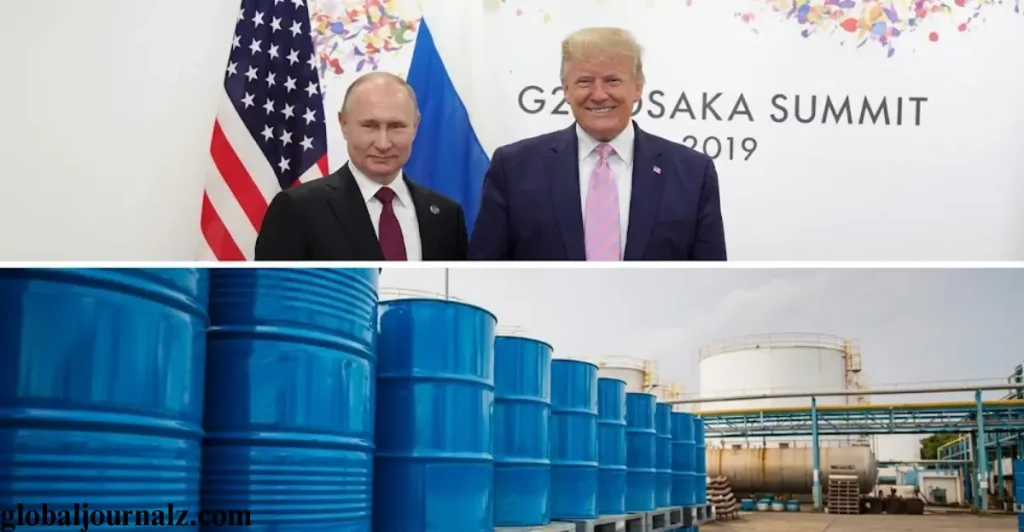
President Donald Trump has announced a deal involving Russian diesel as mounting pressure over US fuel prices raises concerns about energy affordability. The reported arrangement includes 300,000 tonnes of diesel, followed by 500,000 tonnes in November, another million and potentially three million tonnes within a short period. Announced on Truth Social on 7 April, the proposal has drawn attention to Vladimir Putin, Russia and the future of international energy trade.
The reported decision involves a US Treasury temporary licence allowing certain Russian diesel exports despite the suspension of some sanctions. It has also raised questions about frozen assets held by American banks and restrictions affecting Russian oil and petroleum products. The proposed imports could influence global energy markets, depending on delivery schedules, available supplies and market demand. However, the wider consequences for Russia’s economy and its war against Ukraine remain important concerns.
For American consumers, the central question is whether additional diesel supply could produce a meaningful fuel price reduction and ease inflation. Russian refineries and international distribution networks would influence how much fuel reaches the American market and at what cost. Although additional imports could increase supply, they would not automatically lower retail prices. The agreement therefore connects domestic economic pressure with the wider political consequences of energy trade involving Russia.
Ukraine’s Response and Zelensky’s Opposition
Ukraine’s President Volodymr Zelensky has opposed the Russian diesel deal, viewing it as a gift to Putin that could provide economic benefits while the war continues. From Ukraine’s perspective, purchasing Russian fuel could become an investment in a war by supporting a country responsible for ongoing military aggression. Kyiv remains concerned that easing restrictions could weaken pressure on Moscow and undermine international efforts to secure a lasting settlement.
Zelensky has stressed the importance of American support, including military and financial support, for Ukraine’s defence. He presents the country’s struggle as the defence of life and the defence of people in Ukraine, while urging international partners to maintain pressure on Russia. Ukraine’s position is that any strong conversation with Russia must address aggression and prevent further terror, rather than provide economic relief without meaningful progress towards peace.
The dispute also involves attacks on Russian oil refineries and the destruction of energy infrastructure in Ukraine. Ukrainian drone strikes have targeted Russian energy facilities, while Zelensky highlights Russia’s years-long campaign of terror and damage to Ukraine’s energy sector. These opposing developments have intensified disagreements involving Vladimir Putin, Donald Trump and sanctions on Russia. Ukraine argues that international decisions should support its security and the pursuit of durable peace.
Diesel Supply Figures and US Fuel Consumption
The reported proposal includes 300,000 tonnes of diesel immediately, 500,000 tonnes in November and another million after that, potentially reaching three million tonnes within a short period. These volumes have attracted attention because diesel is essential to transport, agriculture and industrial activity. However, the actual effect on the American diesel market would depend on delivery schedules, distribution capacity and demand across the global marketplace.
The supplied figures also refer to 2.25m barrels and 3.8m barrels in relation to diesel volumes and daily US consumption. These figures need to be understood in their stated context because shipment quantities and daily consumption are not necessarily directly comparable. Diesel supply capacity depends on refinery output, storage, transportation and access to other oil and petroleum products. These factors determine whether additional imports can meaningfully influence market prices.
The International Energy Agency is associated with concerns about Russian diesel production, including a nearly 30% decline in the supplied information. Russian fuel shortages, Ukrainian attacks and refinery damage have contributed to supply uncertainty. Reduced energy production could affect Russian diesel exports, while changes in oil exports may influence global energy prices. The consequences for American pump prices will depend on wider market conditions and the amount of fuel actually delivered.
Fuel Prices, Inflation and Political Pressure
Tim Armitage, an investment strategist at Quilter Cheviot, has suggested that the proposed imports involve relatively small quantities compared with broader market demand. Consequently, the deal may make little material difference to pump prices if other factors continue pushing fuel costs higher. The announcement comes amid concerns about inflation and rising expenses for American consumers, leaving the administration under pressure to demonstrate that its energy policies can deliver practical economic benefits.
The Iran war, which began in February according to the supplied details, has contributed to uncertainty across global energy prices. Rising petrol prices and diesel prices can increase transport and production costs, contributing to across-the-board inflation. Higher costs place additional pressure on household budgets and can create public dissatisfaction. The combination of international conflict and domestic fuel-price increases has made energy affordability a significant political and economic concern.
The supplied figures include $6.28 (£4.74) a gallon, a record high of $6.53, AAA and an end of September reference. These details highlight the importance of tracking fuel prices and their timing when assessing the scale of the pressure. For Donald Trump, persistent higher pump prices could create political consequences ahead of the midterms. Managing fuel price pressure, energy affordability and other domestic economic concerns may therefore influence his broader political standing.
US Treasury Sanctions and International Reactions
The reported US Treasury decision involves a temporary licence for Russian diesel imports and a suspension of sanctions until 7 April. The measure has raised questions about Russian assets and frozen assets held by American banks. The Truth Social announcement has also focused attention on the White House and its approach to Russia. The scope of the licence matters because temporary exemptions can affect trade without necessarily ending broader restrictions.
The proposed arrangement has prompted discussion about Russian commitments, US concessions and possible Russia-US co-operation. Kirill Dmitriev, identified as Putin’s envoy, has been associated with discussions involving energy and potential economic benefits. Cooperation involving diesel and energy could affect international supply, but it also raises questions about whether economic arrangements could weaken pressure on Moscow. The debate reflects competing priorities involving domestic fuel costs, diplomacy and Russia’s conduct in the war.
The UK government spokesperson has emphasised the toughest sanctions regime ever imposed by the UK and the importance of maintaining economic pressure over Putin’s aggression. The United Kingdom has also stressed continued military support and financial support for Ukraine, with the aim of achieving a just and lasting peace. These positions underline the diplomatic differences surrounding energy policy. The United States, United Kingdom, Ukraine and Russia remain central to discussions about sanctions, security and durable peace.
Russian Refinery Attacks and Energy Security
Russia has faced severe fuel shortages following two waves of Ukrainian drone strikes against Russian oil refineries. The International Energy Agency is associated with a reported nearly 30% decline in diesel production in the supplied information. Falling production, damaged refineries and reduced refinery capacity can limit domestic fuel availability and exports. These disruptions create uncertainty for Russia and the wider global energy supply.
The refinery attacks have intensified debate over energy security and the consequences of targeting infrastructure during wartime. Donald Trump has faced criticism of Ukrainian attacks amid rising fuel prices, while Volodymyr Zelensky points to Russia’s years-long campaign of terror and the destruction of energy infrastructure across Ukraine’s energy sector. The opposing positions reflect different views of military retaliation and the wider consequences of attacks on Russian oil facilities.
Damage to refineries, disrupted exports and international restrictions contribute to fuel market instability. The proposed diesel deal could provide additional supplies, but its impact would depend on production levels, delivery schedules and demand. Governments must balance immediate energy requirements against the strategic consequences of changing sanctions during a war. As international diplomacy and peace negotiations continue, energy security remains closely linked to military developments and the search for a lasting settlement.
Conclusion
The controversy surrounding Donald Trump’s Russian diesel deal highlights the complex relationship between energy trade, international sanctions, and the ongoing war in Ukraine. Volodymyr Zelensky’s criticism reflects Kyiv’s concern that arrangements involving Russian energy could provide economic benefits to Moscow while the conflict continues. The development has also raised questions about the direction of U.S. policy toward Russia and the effectiveness of efforts to limit the Kremlin’s revenue. The deal’s broader implications will depend on its specific terms and how it affects existing restrictions on Russian energy. As the debate continues, the response from Washington, Kyiv, and other international partners will be important in understanding the deal’s potential consequences.
FAQs
What deal did Donald Trump announce involving Russian diesel?
Trump announced a deal involving Russian diesel that attracted attention because of its potential implications for energy trade and U.S. policy toward Russia. The specific terms should be confirmed through reliable reporting.
Why did Volodymyr Zelensky call the deal a gift to Putin?
Zelensky criticized the move because he believes arrangements that benefit Russian energy interests could provide economic advantages to Vladimir Putin while Russia’s war against Ukraine continues.
How could the Russian diesel deal affect sanctions against Russia?
The impact would depend on the deal’s terms, the parties involved, and whether it changes or interacts with existing sanctions and restrictions on Russian energy exports.
What could the deal mean for U.S.-Ukraine relations?
The announcement could create further discussion between Washington and Kyiv over energy policy, economic pressure on Russia, and continued support for Ukraine during the war.
 Muhammad Bilal