 By Muhammad Bilal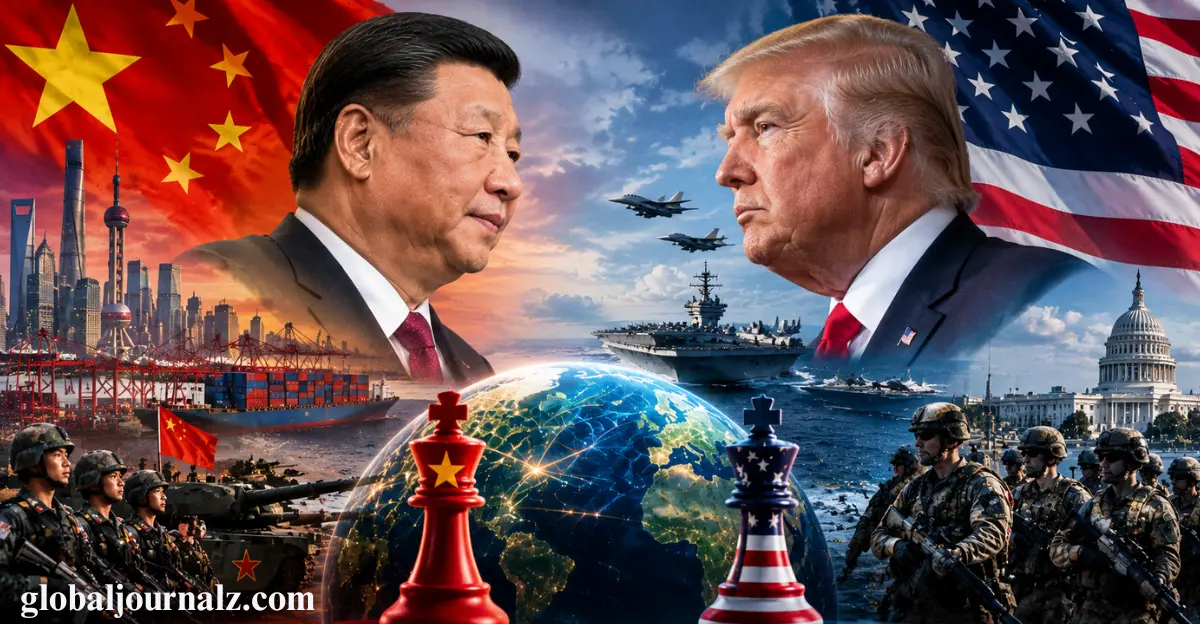
China’s rise is reshaping its rivalry with the United States across trade, technology, military power and global influence. Its growing economy and advances in artificial intelligence, semiconductors and manufacturing have strengthened its position on the world stage. The US still holds major advantages in financial power, advanced technology and defense capabilities, which makes the balance of power more complex. Explore the key forces behind US-China strategic competition and how they could shape the global order.
Key Facts
- China and the US are competing across trade, technology, military power and global influence.
- China’s economy and manufacturing capacity give it significant influence in global markets.
- Artificial intelligence and semiconductors have become major areas of strategic competition.
- US military spending and global alliances remain important factors in the balance of power.
- Trade restrictions and technology controls have increased tensions between the two countries.
Table of Contents
Structural Power in Security, Finance and Production

Across the global security structure, the US retains significant influence through its extensive network of military bases, defence partnerships and intelligence resources. Its NATO alliances and relationships with countries across Europe, Asia and the Middle East extend this reach well beyond its own territory.
Within the financial structure, the US holds a central position through the US dollar, global financial markets and Treasury Bills. The Bretton Woods system, the International Monetary Fund (IMF) and the petrodollar helped establish financial arrangements that keep international trade and foreign reserves closely connected to dollar-based assets.
At the same time, production adds another layer to this structural power through industrial capacity, international supply chains and access to strategic resources. China has expanded its role in global production while the US continues to hold substantial influence across financial networks, technology, trade and other parts of the international economic system.
China Will Not Save the World (While it Remains Capitalist)
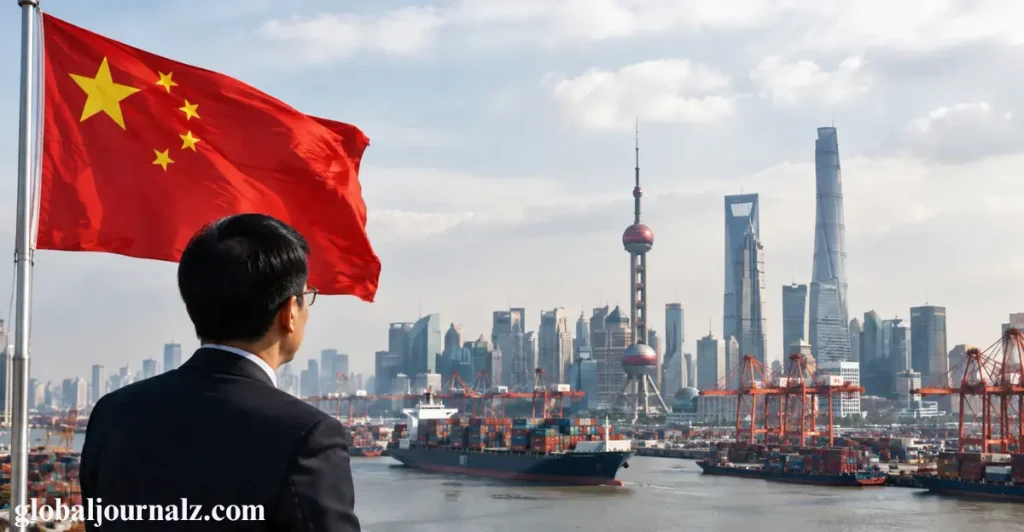
During Xi’s first term, China expanded its Belt and Road Initiative (BRI) while strengthening trade links across Eurasia and developing institutions such as the New Development Bank and Asian Infrastructure Investment Bank (AIIB). Rapid economic growth and industrial policies, including Made in China 2025, also increased China’s role in global production and trade.
However, China’s growing influence faced a stronger response from the US through trade restrictions and a widening tech war. Export controls targeting Huawei, SMIC, YMTC and advanced sectors such as semiconductors, Artificial Intelligence (AI), quantum computing and supercomputing reflected a broader shift toward techno-nationalism and greater control over advanced technology.
The US also used large-scale industrial policies and economic stimulus to strengthen domestic production while limiting China’s access to critical technologies. China’s position as a major holder of US dollars and US financial assets creates another layer of economic interdependence, linking Chinese trade surpluses with the wider financial system that supports American economic and strategic power.
The Future of US-China Competition
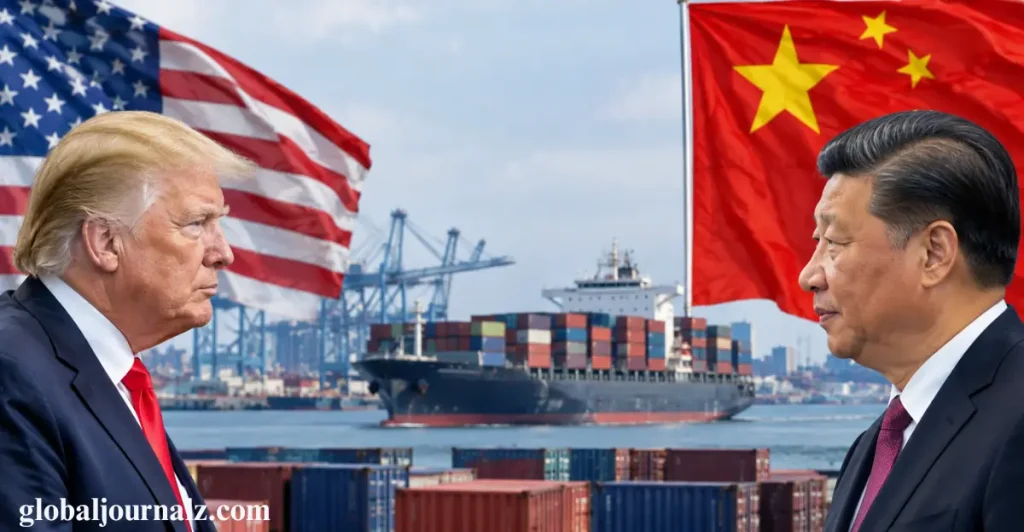
The future of US-China competition will likely remain shaped by trade, technology, military capabilities and control over strategic industries. China’s economic growth, manufacturing strength and advances in artificial intelligence and semiconductors continue to expand its global role while the US retains major advantages in financial power, advanced technology and defense capabilities.
As competition develops, trade restrictions, technology controls and supply-chain policies may continue influencing how both countries approach global markets. Competition over AI, advanced chips, manufacturing and strategic resources could also affect other economies as governments adjust their trade relationships and technology policies.
The broader global order will depend on how these economic and technological pressures interact with military alliances and international institutions. The US and China remain deeply connected through trade and finance even as their strategic rivalry grows, creating a relationship where cooperation, competition and economic interdependence continue at the same time.
Conclusion
China’s rise has created a more complex challenge to the existing US-led global order as its strength in manufacturing, trade and emerging technologies expands its international influence. At the same time, the US retains major advantages in finance, military alliances and advanced technology while competition increasingly extends into artificial intelligence, semiconductors and global supply chains. Both countries remain economically connected despite growing strategic and technological restrictions, which also affect other economies and international partnerships. The future of the global order will depend on how these different forms of economic, technological and strategic power continue to develop.
Can China challenge the US economically?
China can challenge the US through its manufacturing capacity, exports, technology and growing role in global trade. However, the US still has major advantages in financial markets and the international role of the US dollar.
Is China stronger than the US in technology?
China has made major progress in artificial intelligence, semiconductors and advanced manufacturing. The US still leads in several advanced technologies and continues using technology controls to limit China’s access to critical systems.
Will US-China competition change the global order?
US-China competition is already influencing global trade, technology policies, supply chains and international alliances. Its long-term impact will depend on how both countries manage economic interdependence and strategic rivalry.
 admin
admin