 By Muhammad Bilal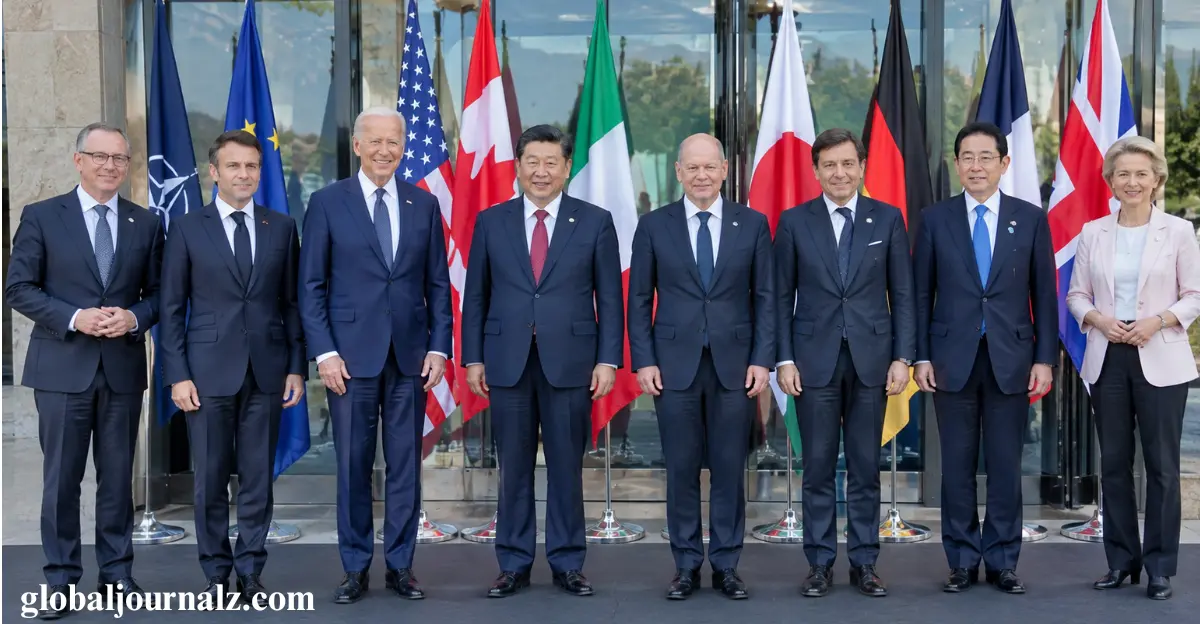
The G7 nations have agreed to release 100 million barrels of oil and fuel products as soaring energy costs put pressure on global markets. The coordinated move will begin immediately through the International Energy Agency (IEA), with a substantial share of diesel released within the first 20 days. The plan comes as diesel prices in the United States have reached record levels amid ongoing energy supply concerns. Explore how the G7 oil release could affect fuel prices and global energy markets.
Key Facts
- G7 nations plan to release 100 million barrels of oil and diesel fuel into global markets.
- The move follows a sharp rise in energy and fuel prices.
- The International Energy Agency (IEA) is involved in coordinating the release.
- A significant portion of the supply is expected to be diesel fuel.
- The release is intended to increase fuel supply and ease pressure on global energy markets.
Table of Contents
Macron says the decision should bring down prices

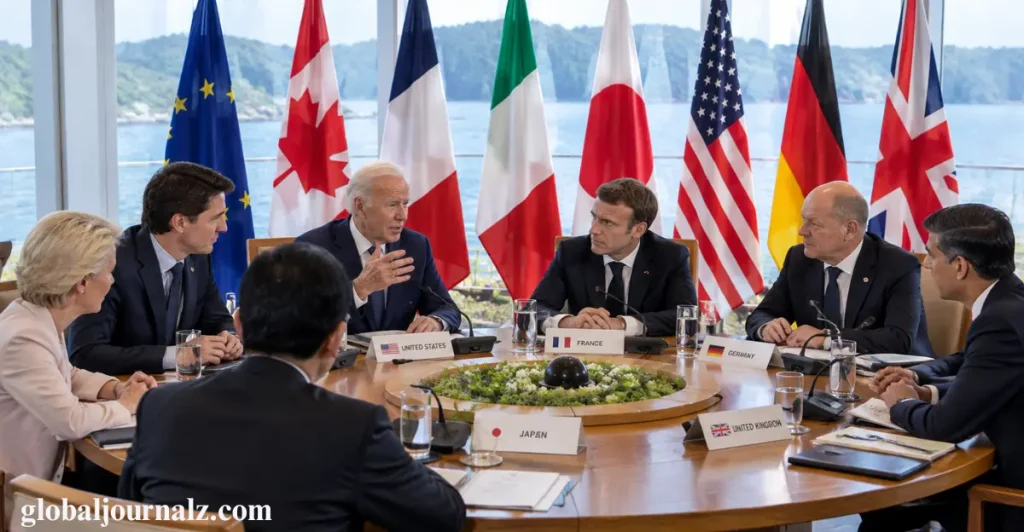
France is leading the G7 presidency as the group agreed to release emergency oil and diesel supplies. The decision came after talks led by Macron with Canada, Germany, Italy, Japan, the U.K. and the U.S. alongside EU representation. The move builds on an International Energy Agency plan to release 426 million barrels to support the oil market.
The European Union had committed about 92 million barrels, with much of it focused on refined products such as diesel. Macron said the shared action should help bring down prices by adding more supply and liquidity to the market. The release is intended to support market stability during ongoing energy price pressure.
The G7 says export bans are off the table
Pressure to restrict U.S. diesel exports grew as some Republicans called for an export ban to help lower domestic prices. However, the G7 agreed to keep energy exports open between member countries. Analysts note that limiting exports could reduce gasoline supplies over time because diesel output is closely connected to overall refinery production.
Trump said the United States was never going to impose the proposed export ban and confirmed that diesel exports would continue. He also pointed to contributions from both the U.S. and Europe. The approach keeps fuel exports moving while emergency reserves are being used to support wider energy supply.
Experts say there are risks in the strategy

Using emergency reserves could provide short-term relief for retail fuel prices but leave Europe with less protection against future supply problems. Jim Krane of Rice University’s Baker Institute said the G7 will eventually need to refill its strategic reserves. The timing of that process could be difficult if oil prices remain uncertain.
Ongoing wars are also affecting refineries and energy exports, which adds more pressure to the market. Releasing stocks now may support consumers but could reduce available fuel security during another disruption. Energy experts therefore see the move as a short-term measure with possible long-term risks.
Conclusion
The G7 oil release represents a coordinated response to rising energy prices and pressure across global fuel markets. Releasing 100 million barrels of oil and diesel could increase available supply and help ease short-term price pressure. The IEA will coordinate the release as participating countries work to support market stability. At the same time, using strategic reserves could create challenges if another major supply disruption occurs. Keeping energy exports open may also help maintain fuel flows between G7 countries. The effect on diesel prices will depend on how quickly the additional supply reaches consumers and how market conditions develop.
Why are G7 countries releasing oil and diesel?
The G7 countries are releasing emergency oil and diesel supplies to increase market availability. The move comes as rising energy prices have placed pressure on global fuel markets. The release is intended to ease supply concerns and support market stability.
How much oil and fuel will the G7 release?
The planned release includes around 100 million barrels of oil and fuel products. A significant portion is expected to be diesel because of current supply concerns. The International Energy Agency (IEA) will help coordinate the release.
Will the G7 oil release lower diesel prices?
The additional supply could help reduce pressure on diesel prices if the released fuel reaches markets quickly. However, the actual impact will depend on global demand and wider energy supply conditions. Prices may continue to change as the market responds.
 admin
admin