 By Muhammad Bilal
 The European Union and NATO are preparing to increase pressure on Russia after Germany accused Moscow of being behind a failed drone attack at Leipzig Halle Airport. The incident has raised fresh concerns about Russia’s growing use of hybrid tactics on European soil. EU leaders have warned that the attack represents a serious escalation and vowed to strengthen their response. NATO has also expressed full solidarity with Germany as European countries consider tougher measures against Moscow. Stay with us for the latest updates on the Germany incident, the EU and NATO’s response, new sanctions and the growing tensions between Russia and Europe.
Table of Contents
What Happened in Germany and Why Is Russia Being Blamed?
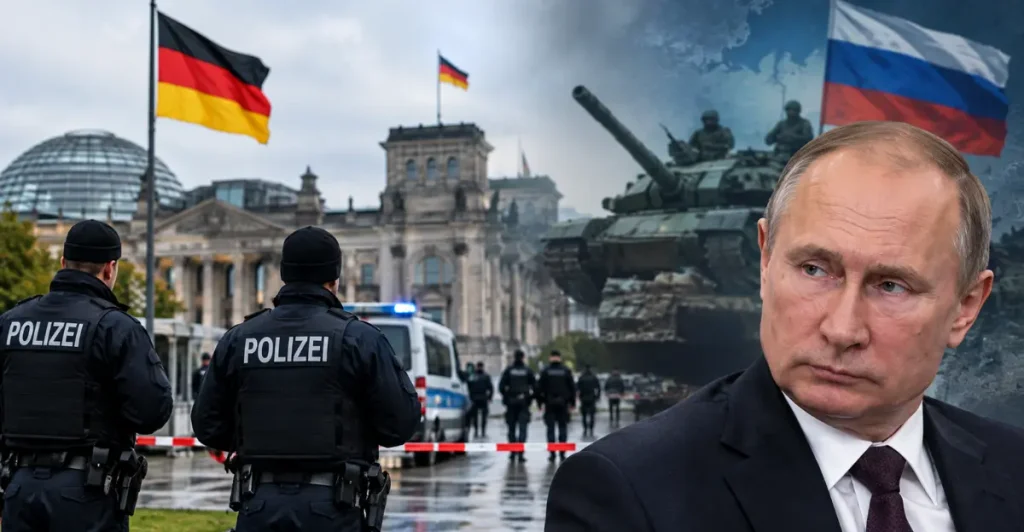
Germany has blamed Russia for a failed drone attack at Leipzig/Halle airport, describing the incident as a serious new escalation on European soil. The drone was carrying explosives and was discovered close to Ukrainian cargo aircraft at the airport.
German authorities said the drone’s components, explosives and detonator were similar to equipment connected with earlier Russian hybrid operations. Investigators have reportedly identified two suspects, while Moscow has rejected the allegations and called Germany’s accusations unfounded.
The incident has also come as Germany investigates other suspected acts of sabotage, including attacks on electricity infrastructure. Although authorities have not confirmed who was responsible for those incidents, they have added to concerns about growing security threats across Europe.
How EU and NATO Are Responding to the New Escalation
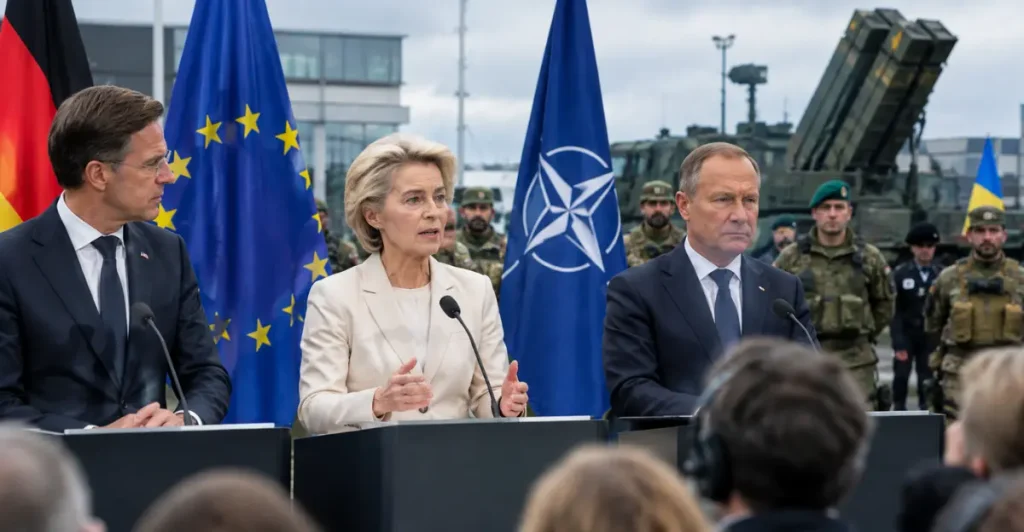
The EU and NATO have reacted strongly to the Leipzig incident, with European Commission President Ursula von der Leyen warning that Russia is becoming increasingly reckless. NATO Secretary General Mark Rutte also expressed full solidarity with Germany.
EU officials are discussing tougher sanctions, stricter enforcement of existing measures and possible restrictions on Russian visitors. Several countries are also supporting stronger action against Russia’s shadow fleet, which is accused of helping Moscow avoid sanctions.
NATO has meanwhile warned about the wider threat from drones, missiles and other malign activities targeting European territory. European leaders say they want to increase pressure on Russia and strengthen support for Ukraine as these incidents become more frequent.
Germany’s Measures and New Suspected Sabotage Incidents
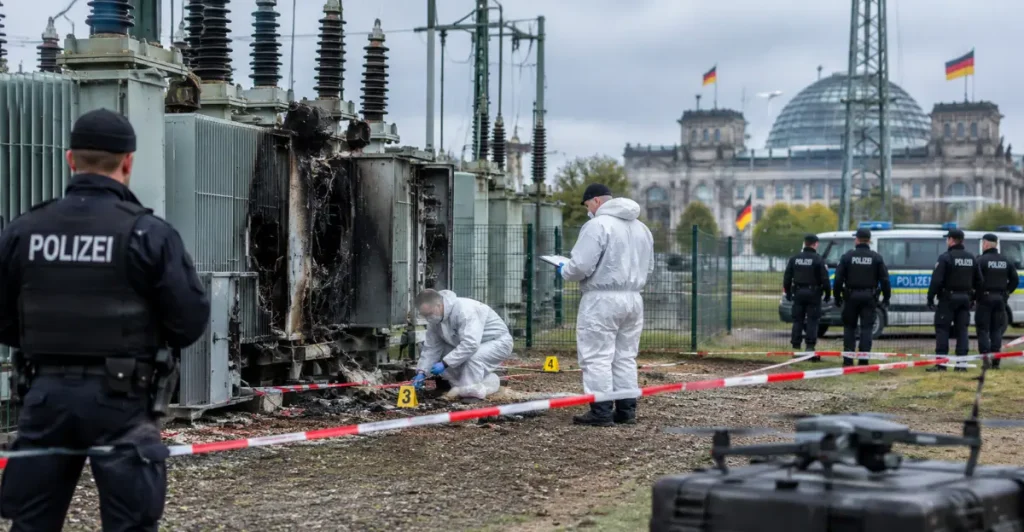
Berlin has taken direct action following the Leipzig airport case, ordering the closure of the Russian consulate in Bonn and the Russian House in the capital. Moscow has denied the allegations and responded by announcing the closure of several Goethe-Institut centres in Russia.
- Russian Consulate Closure: Germany will close the Russian Consulate in Bonn as part of its response to Moscow.
- House Closure: Berlin is ending the agreement covering the Russian House cultural centre.
- Power Grid Sabotage: Two suspected sabotage incidents targeted German power infrastructure within 24 hours.
- Critical Infrastructure Threat: The incidents have increased concerns over attacks on critical infrastructure across Germany.
- Stronger EU Pressure: Germany is pushing for tougher EU sanctions and stricter measures against Russia.
Meanwhile, two electricity substations in Germany were targeted in suspected sabotage incidents, causing disruptions at power plants. Investigators are examining whether a foreign state was involved, while left-wing extremism remains another possibility under investigation.
Taken together, the events have heightened fears over hybrid operations and attacks on critical infrastructure. The developments are also encouraging Berlin to seek a more coordinated approach with its European allies as tensions with Moscow continue to rise.
Why the Leipzig Attack Is Raising Wider Security Concerns
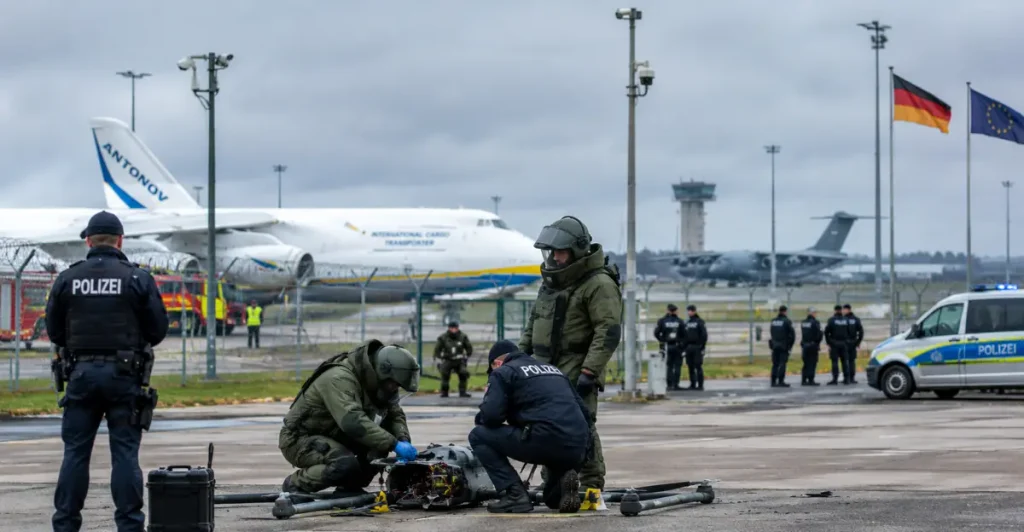
The Leipzig/Halle Airport incident has raised concerns because an explosives-laden drone was found near a Ukrainian cargo aircraft. The airport is an important European cargo hub and logistics center connected to Ukraine and NATO operations.
The case has also increased attention on hybrid warfare across Europe. Officials have linked the incident to a wider pattern of covert sabotage and other disruptive activities that can target European security without becoming an open military conflict.
Another concern is the vulnerability of civilian infrastructure, including airports and power networks. The Leipzig incident came alongside suspected power grid sabotage in Germany, adding to wider fears about critical infrastructure and encouraging stronger EU and NATO responses.
Russia’s Response to Germany’s Accusations
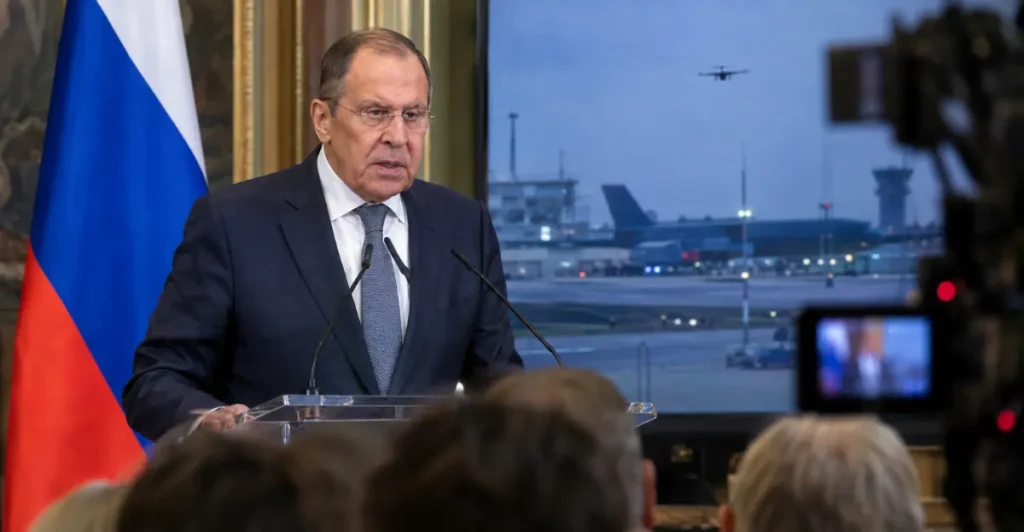
Russia has denied responsibility for the Leipzig/Halle incident and rejected Germany’s accusations as fabricated. Moscow also questioned the evidence presented by Berlin, while the Russian government criticized Germany’s decision to take action against Russian institutions.
The Kremlin has described Germany’s response as an escalation in already strained relations. Russian officials have warned that Berlin’s measures could lead to further diplomatic consequences, while maintaining that Moscow was not behind the attempted drone attack.
Germany’s accusations and Russia’s rejection have added another layer to Russian-German tensions, with both sides now facing a sharper diplomatic dispute. The disagreement also comes as Berlin and its European partners consider further sanctions and other measures against Moscow.
EU Sanctions, Support for Ukraine and What Happens Next
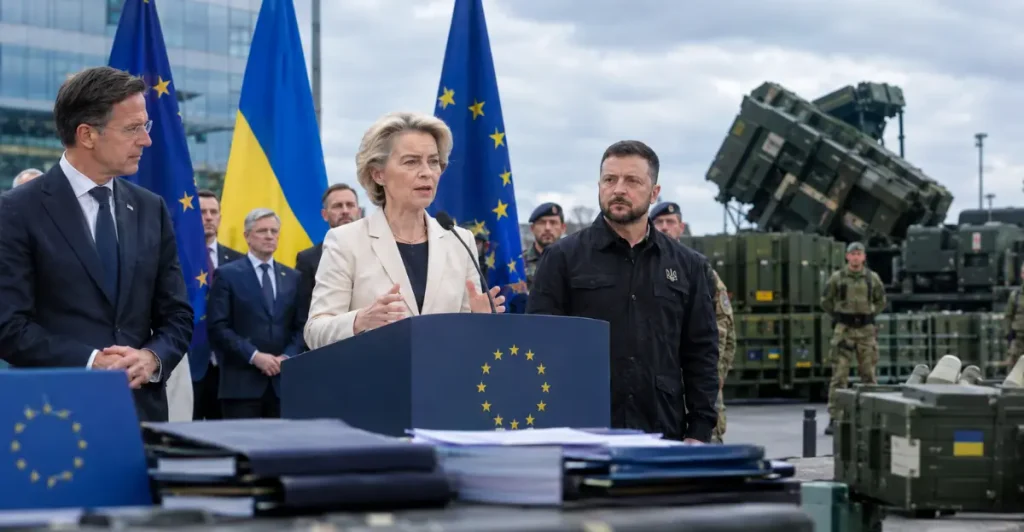
Further economic pressure could soon follow, with the EU examining tougher sanctions, stronger enforcement and measures targeting Russia’s shadow fleet. Officials are also backing tighter visa restrictions for Russian tourists and other groups.
- New EU Sanctions: The EU is preparing additional sanctions targeting Russian individuals and military-linked entities.
- Support for Ukraine: European leaders are maintaining strong financial and military support for Ukraine despite the latest escalation.
- Frozen Russian Assets: EU countries are again discussing whether frozen Russian assets can be used to provide further assistance to Ukraine.
- Shadow Fleet Pressure: France and other European countries are pushing for tougher action against Russia’s shadow fleet to increase economic pressure on Moscow.
- Stricter Visa Measures: EU officials are considering tighter visa restrictions for Russian citizens as part of the wider response.
Another major issue is the future of more than €193bn in frozen Russian assets, which several European countries want to redirect toward Ukraine. The EU has separately agreed to a €90bn loan, while Kyiv is seeking additional funding for air-defence systems.
For now, cooperation between the EU and NATO is expected to remain central to the response. Leaders are weighing additional measures against Moscow while continuing military and financial assistance for Ukraine amid the wider security concerns.
Conclusion
The Leipzig/Halle Airport incident has added a serious new dimension to tensions between Russia and Europe. Germany’s accusations have prompted stronger reactions from both the EU and NATO, with allies standing firmly behind Berlin. At the same time, suspected sabotage incidents have increased concerns about critical infrastructure across Germany. Moscow continues to reject the allegations, leaving diplomatic relations under further strain. European leaders are now considering new sanctions, tighter restrictions and stronger action against Russia’s shadow fleet. Support for Ukraine is also expected to remain a key part of the European response. As pressure builds, the coming weeks could bring further measures against Moscow and closer security cooperation across Europe.
What happened at Leipzig/Halle Airport?
A drone carrying explosives was discovered near a Ukrainian cargo aircraft at Leipzig/Halle Airport. Germany later blamed Russia for the incident, calling it a serious escalation on European soil.
Why does Germany blame Russia for the drone attack?
German authorities said the drone’s components, explosives and detonator were similar to equipment linked to earlier Russian hybrid operations. Moscow has rejected the accusations and called them unfounded.
How are the EU and NATO responding to Russia?
The EU and NATO have backed Germany and are considering tougher sanctions and other measures against Moscow. European leaders are also discussing stronger security cooperation and continued support for Ukraine.
What could happen next between Russia and Europe?
Germany and its allies could introduce new sanctions, tighter visa restrictions and stronger action against Russia’s shadow fleet. Further diplomatic tensions are also possible if Moscow and European governments continue escalating their measures.
 admin
admin