 By Muhammad Bilal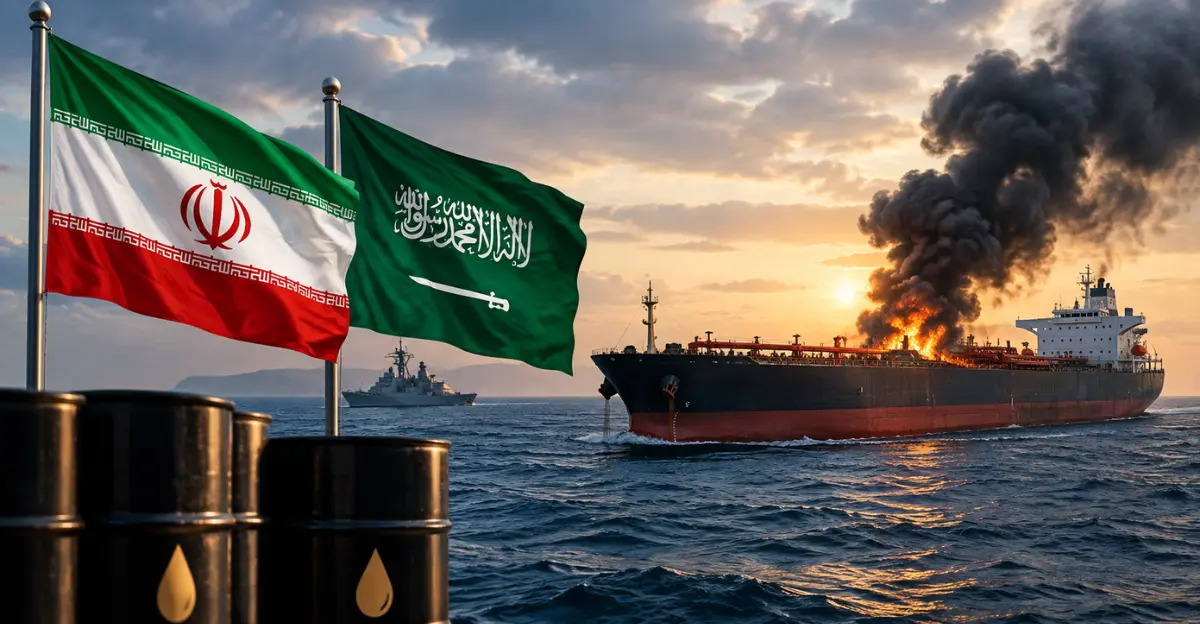
The latest Iran-Saudi tensions have raised fresh concerns over the safety of commercial shipping and the availability of global energy supplies. A Saudi-owned tanker was reportedly attacked while passing through the Strait of Hormuz, leaving two Filipino sailors dead and increasing fears of further disruption. The incident comes as military tensions involving Iran, Saudi Arabia and the US continue to put pressure on one of the world’s most important oil routes. Stay updated on the latest Iran-Saudi developments, Strait of Hormuz disruptions, oil market movements and major global shipping news.
Table of Contents
What Happened to the Saudi Tanker in the Strait of Hormuz?
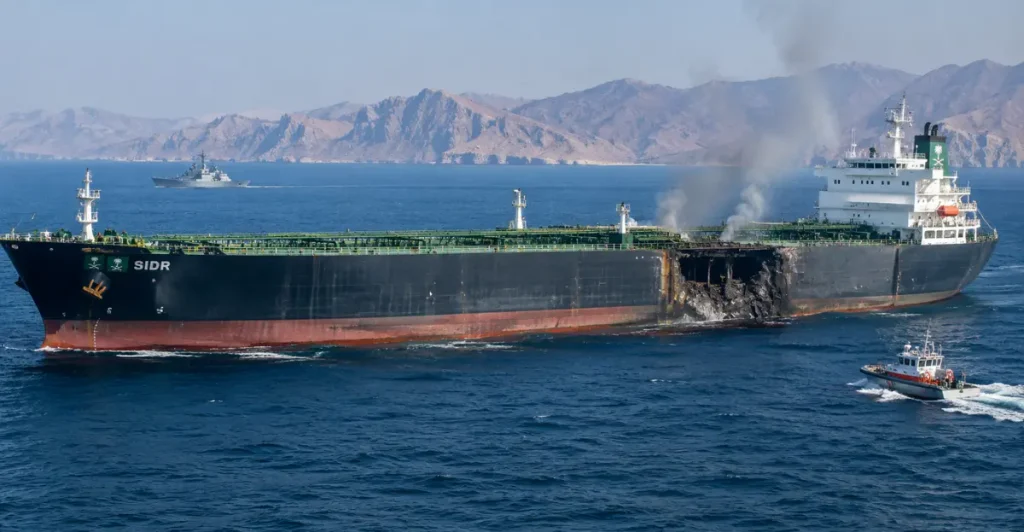
The Saudi-owned supertanker Sidr was involved in a serious security incident while travelling through the Strait of Hormuz on Monday night. The vessel was reportedly hit by projectiles near Oman’s Musandam Peninsula while carrying Saudi crude oil.
Saudi shipping company Bahri later confirmed that two Filipino sailors died in the incident. Maritime security firms also reported that another tanker, Senegal Prosperity, was struck nearby around the same time.
Saudi Arabia blamed Iran for targeting the tanker and condemned the incident as a threat to international navigation. Iran has not directly responded to that allegation but said two tankers caught fire after hitting mines while travelling through an unauthorised route.
Why Is the Strait of Hormuz Important for Global Oil Prices?
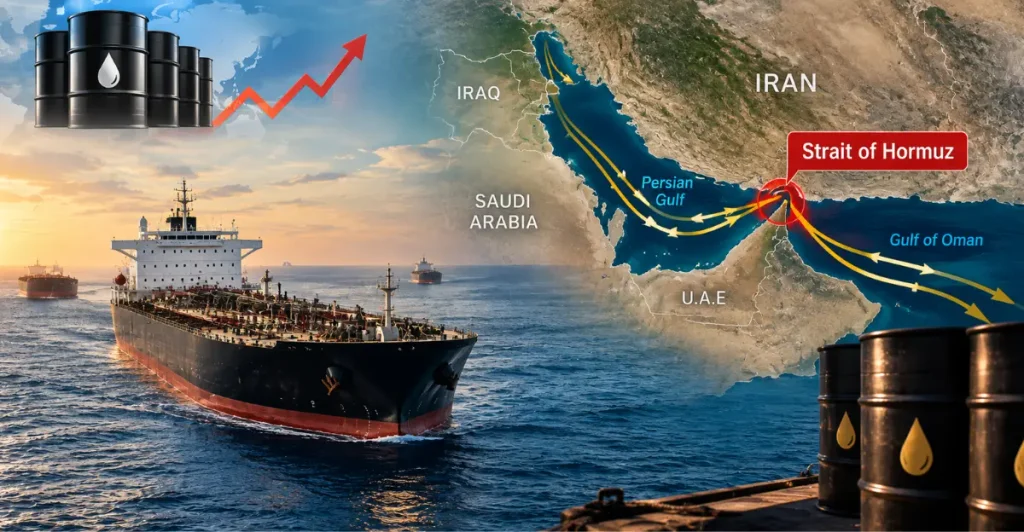
The Strait of Hormuz is a crucial route for the international energy market because a significant share of the world’s oil and gas shipments normally passes through it. Any major disruption can create immediate concerns about global supply.
Recent attacks on commercial vessels have increased uncertainty for traders, shipping companies and energy markets. If fewer tankers can safely pass through the waterway, transportation risks and supply concerns could place upward pressure on global oil prices.
The importance of the route has become even clearer during the current regional conflict, with reports that millions of barrels of oil continue to move through the strait. Continued disruption could therefore affect global energy supplies, shipping costs and crude oil markets.
How Could Iran-US Tensions Affect Oil Markets?
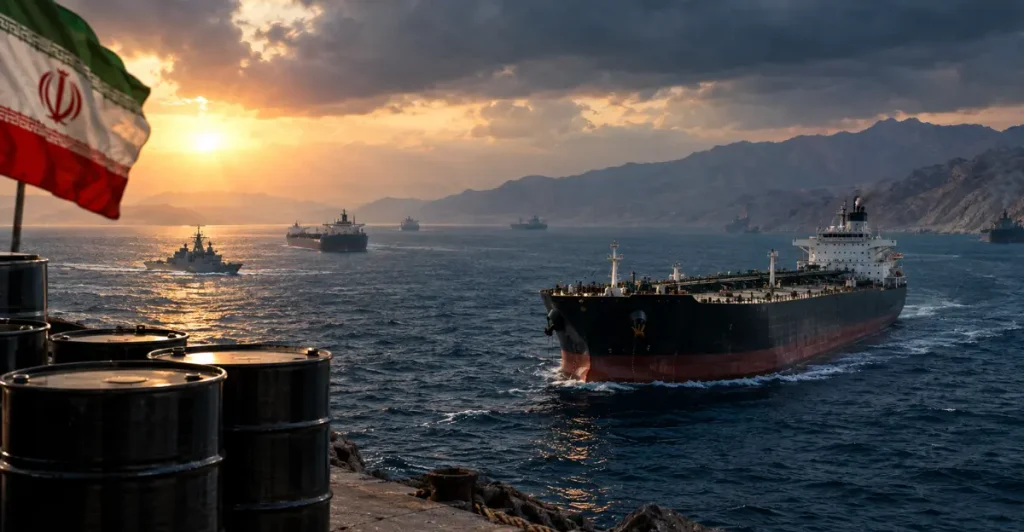
Rising Iran-US tensions could put fresh pressure on oil markets as traders assess the risk of further attacks on commercial vessels and disruption around the Strait of Hormuz. Any serious interruption to tanker traffic could raise concerns about crude availability and push prices higher.
- Oil prices could rise if tensions disrupt crude shipments through the Strait of Hormuz.
- Shipping costs may increase as companies face higher insurance and security expenses.
- Global oil supplies could tighten if tanker traffic is reduced or delayed.
- Market volatility may grow as traders react to fears of further military escalation.
- Energy markets could face wider pressure if the conflict continues to threaten major oil-exporting routes.
For global oil prices, the biggest concern is uncertainty over how long shipping disruptions might continue. Higher security risks can also increase insurance and transportation costs, adding pressure to the overall cost of moving crude from the region.
The situation could become more difficult if military exchanges continue between Iran and the US. With the Strait handling a major share of international oil shipments, prolonged instability could affect global energy supplies and create wider volatility across energy markets.
Impact of the Attack on Global Shipping and Energy Supplies
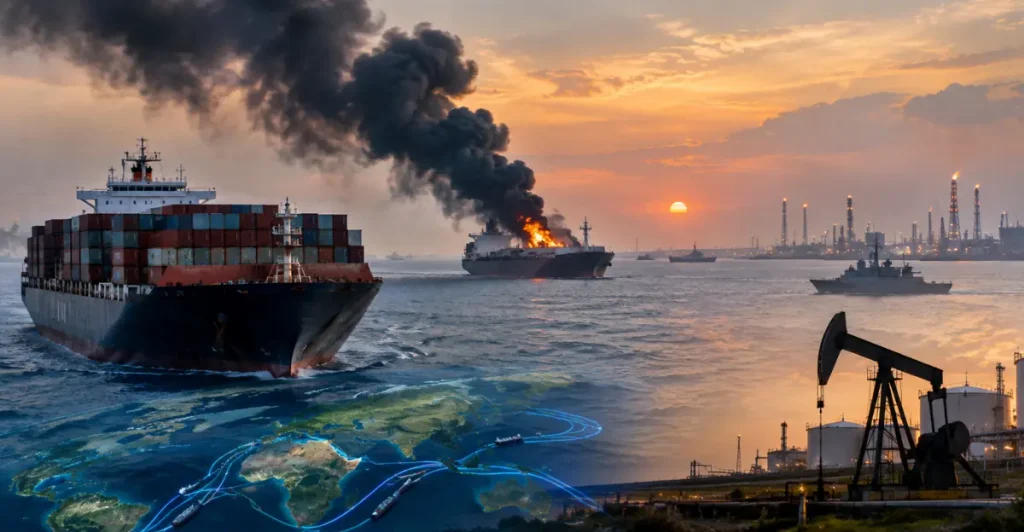
Commercial shipping has already faced greater risks following the reported attack on the Saudi tanker Sidr and another vessel near Oman’s Musandam Peninsula. The incidents have raised concerns about the safety of tankers travelling through one of the world’s most important maritime routes.
For shipping companies, continued attacks could mean rerouting vessels, increasing security measures or facing higher insurance costs. Such changes can slow deliveries and make the movement of Saudi crude oil more expensive for international buyers.
The wider effect could reach global energy supplies if tanker traffic through the Strait of Hormuz is reduced for an extended period. Disruptions involving major oil exporters such as Saudi Arabia could therefore affect fuel markets well beyond the Middle East.
Latest Iran, Saudi Arabia and US Reactions
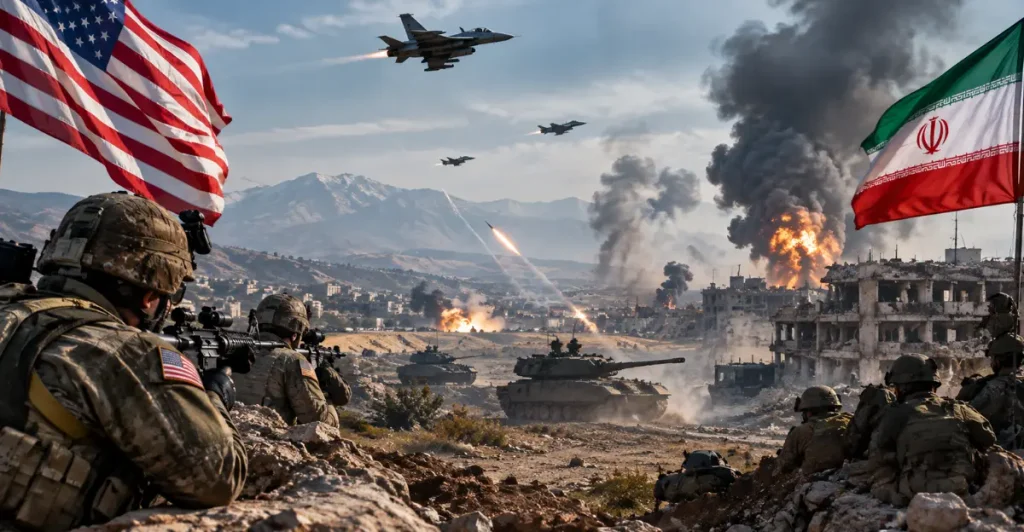
Following the tanker incident, Saudi Arabia strongly condemned what it described as an Iranian attack on the Saudi-owned Sidr and called for greater protection of international navigation. Riyadh also criticised recent Iranian attacks involving other countries in the region.
- Saudi Arabia has condemned Iran over the reported attack on the tanker Sidr, calling for the protection of international navigation and regional security.
- Iran says the tankers caught fire after hitting mines while using what it described as an unauthorised route through the Strait of Hormuz.
- The US has linked its military action to alleged Iranian attacks against commercial shipping and American forces in the region.
- Iran-US tensions have intensified further, with both sides exchanging attacks and increasing pressure around the strategic waterway.
- The latest developments have raised wider concerns over oil supplies, global shipping and energy markets, as more vessels face restrictions and security risks in the Strait.
Iran has presented a different explanation, saying two tankers caught fire after hitting mines while travelling through what it described as an unauthorised route. The Iranian Revolutionary Guard Corps also accused the vessels of following a route encouraged by the US.
Meanwhile, the US has linked its latest military strikes to attempted attacks by Iranian forces against commercial shipping and American personnel. The competing claims from Iran, Saudi Arabia and the US show how quickly the shipping crisis has become part of the wider regional confrontation.
Conclusion
The reported tanker attack has intensified concerns over the Strait of Hormuz and the safety of international shipping. The deaths of two Filipino sailors have added a serious human cost to the growing regional tensions. Meanwhile, Iran-Saudi tensions and continued US involvement are creating greater uncertainty for commercial vessels and energy markets. Any prolonged disruption could affect crude shipments and put further pressure on global oil prices. Higher security risks may also increase shipping, insurance and transportation costs for companies operating in the region. The wider impact will depend on whether the situation remains limited or develops into a broader disruption of energy supplies. For now, the Strait of Hormuz remains a major focus for oil traders, shipping companies and governments monitoring the escalating situation.
Why was the Saudi tanker attacked?
The Saudi-owned Sidr was reportedly struck by projectiles while travelling through the Strait of Hormuz. Saudi Arabia blamed for the incident, while Tehran offered a different explanation involving mines and an unauthorised route.
How much oil passes through the Strait of Hormuz?
The Strait of Hormuz is one of the world’s most important routes for oil and gas shipments. Any disruption can create supply concerns and put pressure on global energy markets and crude prices.
Could the tanker attack increase oil prices?
The attack could push oil prices higher if shipping disruptions continue or tanker traffic is reduced. Rising security risks, insurance costs and delivery delays could add further pressure to the global energy market.
 admin
admin